
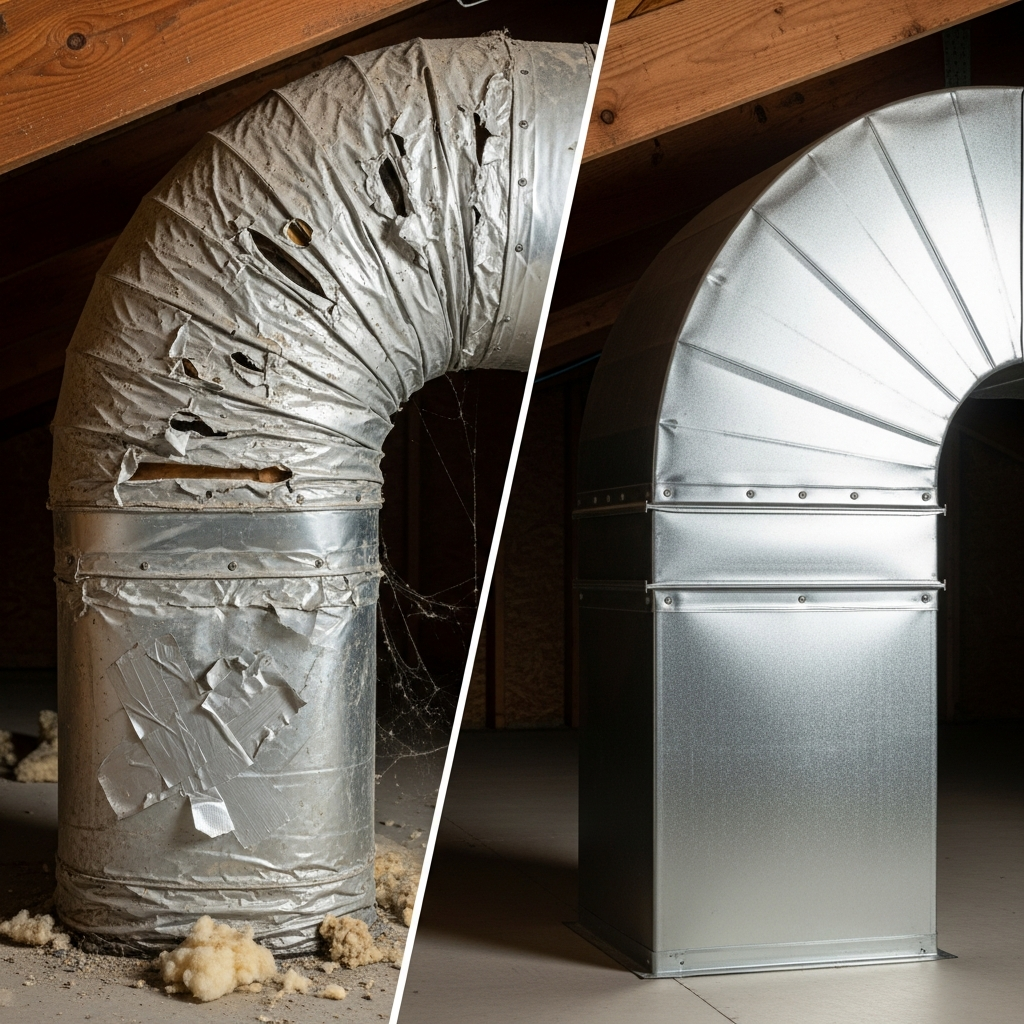
At some point, every Malibu homeowner with a hard-working HVAC system faces the same question: is it time to repair these ducts, or is full replacement the wiser move? The answer lives in the details—how the home is built, how the system was originally designed, and how the coast has treated materials over the years. A quick patch can be tempting, especially if a specific run is visibly damaged. But effective decision-making means stepping back to evaluate airflow, sealing, return capacity, and access. When you look at the bigger picture, the right path becomes clearer, and conversations about duct replacement shift from vague what-ifs to concrete steps that improve daily comfort.
Malibu’s architecture and microclimates make duct decisions unique. Beach bungalows often hide compact attics where access is tight and flexible duct may sag if not supported carefully. Canyon homes wrestle with wind-driven dust, and hilltop homes take the brunt of sun-baked attics in summer. Add in remodels that expanded space without rethinking airflow, and you can see why a single torn joint rarely tells the full story. The choice between repair and replacement deserves a methodical assessment that weighs condition, design, and long-term performance.
When repairs make sense
Targeted repairs are smart when problems are isolated and the underlying design is sound. A crushed section from a heavy box in the attic, a boot that worked loose, or a short, kinked flexible run can often be corrected cleanly. In these cases, careful re-supporting, re-sealing with mastic, and verifying airflow at affected registers may restore performance. Repairs also make sense when ducts are relatively new and the rest of the system demonstrates good static pressure and balanced delivery.
Another scenario favoring repair is when access is excellent and documentation shows the original design was thoughtfully executed. If a particular addition introduced a bottleneck that can be relieved with a single reroute, or if a register placement underperforms because of a simple orientation issue, a surgical fix can be effective without disrupting the rest of the home.
When replacement is the better choice
Replacement shines when issues spread across the system or when the original design never quite matched the home. Signs include widespread leakage, sagging or crushed flexible runs, returns that are clearly undersized for today’s living spaces, and rooms that have resisted balancing attempts for years. If static pressure is high despite clean filters and open registers, or if airflow measurements reveal chronic shortfalls at multiple terminals, replacement creates an opportunity to reset the design and eliminate systemic inefficiencies.
Coastal influences accelerate the timeline for replacement in certain Malibu homes. Corrosion at metal fittings, insulation compromised by moisture, and seals baked brittle by attic heat all accumulate. Patching one area may leave adjacent sections to fail next season. Full replacement, designed around current best practices, uses materials and methods that withstand salt air, wind, and temperature swings far better than outdated assemblies.
The middle ground: phased strategies
Not every decision is binary. Some homeowners pursue a phased approach, replacing the most troubled sections first while planning a full redesign within a set timeframe. This can make sense when access constraints or parallel renovations shape timing. The key is to ensure that the first phase aligns with the eventual design, so today’s work does not limit tomorrow’s options. Good documentation and clear diagrams keep everyone aligned as phases unfold.
During a phased plan, it is still essential to measure and verify. You want to see improvements in static pressure and airflow even after the first stage, and you want evidence that supply and return changes are moving the system toward balance. When the final phase arrives, the groundwork will already be in place for a smooth finish.
How to evaluate your system objectively
Begin with data. Static pressure readings, room-by-room airflow measurements, and temperature differentials reveal whether your system is constrained, leaky, or simply misrouted. Pair those numbers with a physical inspection that documents crushed runs, loose boots, inadequate supports, and poor insulation. Ask your contractor to map returns and note where supply branches take tight turns or long, inefficient paths. With this picture, you can distinguish isolated defects from patterns that point to redesign.
Consider how your home has changed. If a primary suite or studio was added and comfort never caught up, odds are the duct system stayed in the past while the home moved on. Replacement gives you the chance to right-size and re-route so airflow meets current needs. Repairs alone rarely fix a design that was never right to begin with.
Noise, comfort, and air quality
Beyond temperature, airflow quality shows up as sound and cleanliness. Whistling grilles, rumbling returns, and rushing air are clues that sizing or routing is off. Dust accumulation can signal leakage that pulls attic or crawlspace air into the system. Repairs can quiet a single offender, but replacement targets the root causes—smoother routing, balanced returns, and tight sealing throughout. In Malibu, where seasonal smoke and coastal moisture each bring their own challenges, investing in a design that supports effective filtration without choking the blower can make the home feel calmer and cleaner.
Rooms that sit under sun-exposed roofs or face afternoon glare often test the limits of marginal duct design. Replacement allows enlarged or dedicated runs to those spaces, making your thermostat setting match reality. Meanwhile, improved return placement prevents negative pressure pockets that steal comfort from neighboring rooms.
Access and construction realities
Access is the practical side of every decision. Tight attics slow work and may limit what repairs can accomplish without major effort. Conversely, open framing during a remodel offers a perfect moment to replace and reroute with minimal disruption. In older Malibu homes with plaster ceilings and custom finishes, a clean replacement plan may actually minimize patchwork by concentrating effort into a few well-chosen access points rather than chasing defects across the house.
Safety and protection matter. Reliable teams stage materials thoughtfully, use pathway protection in attics, and keep dust to a minimum. These habits not only respect your home but also allow crews to work efficiently and accurately—important whether you repair, replace, or phase the work.
Thinking ahead
Replacement builds a platform for the future. If you plan to upgrade equipment down the line or add a new living area, a modern duct design ensures the system can support those changes without drama. Even if repairs make sense today, ask how they fit into a longer plan so you are not cornered by choices made under time pressure.
During your decision process, it helps to step back from the technicalities and return to your goals. What kind of quiet do you want to hear in the evenings? Which rooms should feel perfectly even in summer? A conversation about duct replacement or targeted repair becomes far clearer when it is grounded in the way you live in the space.
FAQ
How do I know if repairs are enough? If problems are localized, the design is sound, and testing shows normal static pressure and airflow elsewhere, repairs can be effective. Widespread issues or persistent imbalances suggest a need to redesign and replace.
What are the signs replacement is overdue? Chronic hot or cold rooms, high static pressure, whistling or rumbling from returns, visible corrosion at fittings, and insulation that looks tired or damp are strong indicators.
Do coastal conditions really accelerate duct wear? Yes. Salt air and attic heat stress seals and metals, while winds drive dust into any leak. Materials and methods chosen for coastal durability make a noticeable difference.
Will new ducts make my home quieter? Proper sizing, smoother routing, and balanced returns typically reduce turbulence and noise, bringing a calmer background to daily life.
Can I phase the work? Many homeowners do. Just ensure today’s fixes align with the eventual design and that testing verifies each phase improves performance.
How disruptive is replacement? With planning, daily life can continue. Expect protected work areas, predictable schedules, and clear communication about any temporary access limits.
What should I expect at project closeout? A walkthrough, documentation of the new layout, damper positions, materials used, and testing results that confirm the system is balanced and breathing well.
Will better ducts help with indoor air quality? Yes. Tight sealing reduces infiltration, and designs that support effective filtration help keep air cleaner, especially during wildfire season or humid mornings.
Ready to choose with confidence
If you are weighing whether to repair or replace and want clarity grounded in evidence, invite a local expert to measure, document, and explain options in plain language. Ask for a plan that ties technical recommendations to the comfort outcomes you care about most. When you are ready to move forward, explore professional duct replacement and schedule an assessment that turns Malibu’s coastal challenges into steady, quiet comfort.