
If you own a home in Malibu, you already know the coast has a way of changing how everything performs over time—from the way exterior paint weathers to the way your heating and cooling system breathes. When homeowners start asking what drives the investment behind new ductwork, they are often picturing a single number. In practice, the story is more nuanced. Understanding the full picture means looking at the home’s age, layout, and location, as well as the specific goals you have for indoor comfort and air quality. That’s why exploring the details behind duct replacement in Malibu is less about a simple figure and more about the conditions that shape the project from the first inspection to the final test of airflow at your registers.
From the bluffs above the Pacific to the canyons tucked inland, Malibu homes span every architectural era. Many houses have been expanded or remodeled over decades, which means the existing duct network may be a patchwork of different materials, sizes, and installation methods. Some homes still rely on undersized or poorly sealed ducts that never matched the equipment’s capacity. Others deal with corrosion from salty air, attic heat that bakes seals until they fail, or crawlspaces that invite dust and moisture. Each of these realities contributes to the scope of work, and in turn, the overall commitment it takes to bring your duct system up to present-day standards of performance and comfort.
Local codes and best practices also play a meaningful role in planning. Malibu’s coastal setting pairs with California’s energy and mechanical standards to require thoughtful design, tight sealing, and verifiable performance. A responsible contractor will size and route ducts to reduce friction, balance supply and return air, and limit pressure drops. That process is neither guesswork nor a one-size-fits-all template. It begins with measurements, load considerations, and a close look at how rooms heat up or cool down during the day. It continues with a plan that respects your home’s structure, avoids unnecessary demolition, and creates access points where technicians can work safely without compromising the building envelope.
Why one Malibu home differs from the next
Two houses on the same street can have very different duct replacement plans. The difference might be as simple as attic height. A spacious, walkable attic invites a clean reroute and thorough sealing, while a tight or obstructed attic turns the same task into a careful, time-consuming effort. In hillside homes, the duct path can be split across multiple levels, with supply lines serving rooms that hang over grade or sit behind unique architectural features. In beach-adjacent properties, the concern often centers on corrosion at metal fittings and the condition of insulation after years of marine-layer moisture.
Another variable is how the system was originally designed. Some older installations rely on long runs with multiple sharp turns, while modern best practices favor smoother transitions and fittings that minimize turbulence. That difference matters every time your system runs because air that flows more easily requires less effort from the equipment, often translating into steadier temperatures and quieter operation. When a contractor evaluates your setup, they are looking for design flaws that can be corrected during replacement, not merely swapped in kind. That mindset separates a quick fix from an upgrade that elevates comfort through thoughtful planning.
Material choices shape the outcome as well. Insulated flexible duct can be a smart option for certain runs if it is supported at the right intervals and kept as straight as possible. Rigid duct and high-quality fittings may be recommended for high-static areas or where long-term stability is paramount. Sealing methods also matter: mastic applied properly at every joint, boot, and seam can drastically reduce leakage that would otherwise send conditioned air into attics or crawlspaces. The selection and placement of registers, grilles, and returns influence how evenly rooms receive air, while the insulation value chosen for ducts must reflect the attic or crawlspace conditions your home faces across seasons.
What a thorough project timeline looks like
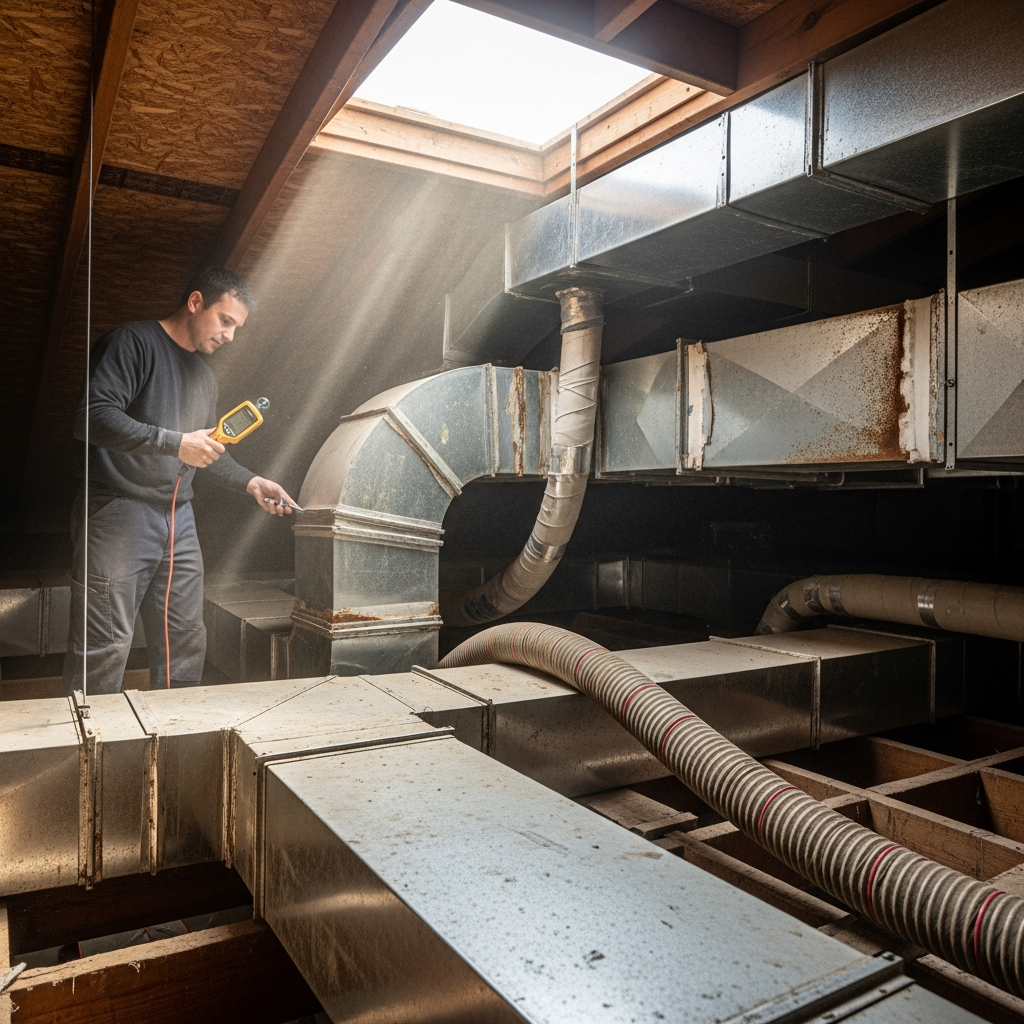
A well-managed duct replacement follows a clear arc from assessment to verification. It begins with a comprehensive inspection that documents the existing duct paths, the condition of insulation, any signs of condensation or biological growth, and measurable leakage. Contractors may test static pressure, measure airflow at key registers, and note temperature differentials to understand where performance suffers most. Those findings inform a design that includes duct sizing, routing choices, and specific materials. The plan should align with current codes and best practices, but it should also account for practical realities like access, noise control, and long-term serviceability.
Preparation often includes protecting living spaces, creating safe attic walkways if necessary, and coordinating with any other trades if walls or ceilings need limited, targeted openings. Removal of old ductwork is methodical; good teams bag debris as they go, keep dust to a minimum, and photograph hidden areas for documentation. Installation proceeds with careful measurement and support spacing, proper radius for flexible sections, and meticulous sealing. Once ducts are in place, balancing and testing make sure the design on paper becomes the performance you feel at the thermostat and in every room.
Verification is not a formality. It is the chapter where all the earlier decisions are proven. Technicians may measure total external static pressure, confirm airflow with an anemometer, and check supply temperatures room by room. They should also verify return pathways are adequate so the system breathes as freely as it delivers. If adjustments are needed, this is where dampers are set, registers are aimed, and minor refinements bring the system into tune. A conscientious contractor will walk you through the changes, explain how to operate any zoning or filtration features, and describe maintenance habits that keep the ductwork performing well long after the crew leaves.
Coastal influences unique to Malibu
Malibu’s microclimates are more than a postcard backdrop; they directly influence the longevity of ductwork. Salt-laden air can accelerate oxidation of metal fittings, especially near vents that penetrate the roof or exterior walls. During marine layer mornings, elevated humidity in attics may challenge poorly insulated or leaky ducts, causing condensation risks. Afternoon sun, particularly on dark roofing materials, bakes attic spaces and punishes flimsy seals or improperly supported flexible duct. Add canyon winds, wildfire smoke in peak seasons, and the inevitable dust from hillside terrain, and you have a set of stressors that reward careful material and insulation choices.
Sealing and insulation strategies should reflect these realities. A higher insulation value can protect supply air from temperature swings, while a combination of mastic and proper mechanical fastening at joints prevents leakage that would otherwise draw in dusty or humid attic air. In some designs, boosting return air capacity improves overall performance, especially in homes where additions created new rooms without expanding return pathways. A contractor who works in Malibu regularly will anticipate these issues and propose solutions tailored to beachside, canyon, or hilltop conditions.
Access, structure, and design complexity
Every home tells a story in how it is framed. Cathedral ceilings may leave little space for traditional runs, requiring creative routing in soffits or carefully sealed chases. Older plaster ceilings demand a lighter touch if openings are needed, while newer construction may allow simple panel removals for access. Crawlspaces vary from roomy to barely navigable, which dictates the pacing of the work and the level of effort required to support ducts properly and seal penetrations. Safety considerations—from protective gear in dusty attics to precautions around old wiring—also shape the project plan.
Modern Malibu homes sometimes include advanced filtration, dedicated ventilation, or zoning systems to keep separate floors or wings consistent. When those are part of the picture, duct replacement isn’t just about new trunks and branches; it becomes an opportunity to harmonize components so the entire system cooperates. Balanced dampers, appropriately sized bypass strategies in older zoning designs, and attention to return placement can make the difference between a setup that constantly fights itself and a quiet, steady system that simply works.
Quality assurance and long-term value
While many homeowners start this journey thinking about the investment required, most finish it reflecting on results they can feel: fewer hot and cold spots, reduced system strain, quieter airflow, and indoor air that stays cleaner day to day. Those outcomes come from craftsmanship you cannot always see once the registers are back in place. They are preserved by small, consistent habits, like replacing or washing filters on schedule, keeping registers unobstructed, and having periodic checks to ensure insulation and seals remain intact. In Malibu’s environment, it is also smart to inspect any exterior terminations or rooftop penetrations after big wind events to confirm everything remains tight.
Documentation matters. Request diagrams or photos that show the new duct paths, damper locations, and any key access points. If your home has multiple systems or zones, a simple map can save time for future maintenance. Keep records of materials used and insulation values. These details provide context if you ever change equipment, remodel, or sell the home, and they help the next professional understand what is in place so they can build on it rather than guess at it.
Timeline expectations and communication
One of the most underrated parts of duct replacement is the rhythm of the project itself. Good communication sets expectations about daily start times, where materials will be staged, and how spaces will be protected. In Malibu, that also includes planning for Pacific Coast Highway traffic, limited parking near beach neighborhoods, and access windows that respect HOA rules or local ordinances. Crews that are punctual and proactive tend to finish efficiently because surprises get addressed early and homeowners stay in the loop about decisions that might influence finishes or minor access cuts.
During the work, you should expect daily updates. If conditions inside walls or ceilings differ from what the initial inspection suggested, your contractor should explain options clearly. Do not hesitate to ask how changes might affect airflow, noise, or future serviceability. The best outcomes happen when the homeowner and contractor share the same picture of success and track progress toward it together.
Health, comfort, and indoor air quality
Beyond temperature, well-executed duct replacement can have a noticeable effect on how your home feels and smells. Proper sealing reduces the draw of attic or crawlspace air into the system, cutting down on dust. Balanced airflow can help mitigate rooms that felt stuffy in summer or drafty in winter. With coastal moisture and seasonal wildfire smoke, filtration strategy deserves attention. Duct design that supports an appropriately rated filter without overburdening the blower can improve air quality and maintain comfortable pressures. If you have sensitive occupants or use rooms as home offices or studios, discuss these goals during design so the final layout supports your priorities.
Preparing your home for the work
A little preparation goes a long way. Clear a path to attic accesses, mechanical closets, and key registers. Remove delicate items from areas where ladders will be used. If pets are in the home, plan for their comfort as doors may open and close throughout the day. Ask how the crew protects insulation and walkways in attics to avoid stepping through ceilings and to keep debris from spreading. Small steps like these preserve the calm of the household while the team focuses on craftsmanship.
Making sense of proposals
When you review proposals, clarity is your friend. You want to see the scope spelled out: which runs are being replaced, what materials and insulation values are being used, how sealing is performed, and what testing will verify the results. Look for language that explains how returns are sized and placed, where access panels will go if needed, and how any openings in finishes will be repaired. Ask about the plan for balancing and about documentation you will receive at the end. A complete, transparent plan does more than outline work; it signals the team’s approach to quality and accountability.
In the middle of this process, it helps to revisit your primary goals for comfort and performance. If summer bedrooms near the roofline have always run warmer, confirm how the new layout addresses that reality. If a studio or ADU on the property struggles with ventilation, explore how connected or separate duct solutions might serve it best. At this stage, discussing duct replacement as part of a broader comfort strategy can reveal options you had not considered and ensure the final design reflects the way you truly live in the home.
After the crew leaves
Once the final clean-up is complete and your system is running, spend a few days paying attention to how rooms feel at different times. If a space still seems off, share those observations. Balancing is part science, part art, and small tweaks can fine-tune even a well-designed system. Keep your documentation handy and mark filter change reminders on your calendar. Malibu’s seasons might be gentle by national standards, but the combination of salt air, sun, and wind keeps ductwork honest; staying attentive helps your new system age gracefully.
FAQ
How do I know my ducts truly need replacement rather than a few repairs? In many Malibu homes, isolated tears or loose connections can be fixed, but widespread leakage, crushed runs, chronic design flaws, or extensive corrosion make replacement the more reliable path. A thorough inspection with airflow and pressure measurements will clarify where repairs end and systemic issues begin.
What role does attic insulation play in duct performance? Even perfectly sealed ducts will struggle if surrounding attic temperatures swing dramatically. Adequate insulation and proper duct insulation value work together to stabilize supply air and reduce equipment strain.
Will new ductwork make my home quieter? Often, yes. Proper sizing and smoother routing reduce turbulence, and balanced returns help prevent whistling or rumbling. Register selection and diffuser placement also contribute to noise control.
Is there anything unique to Malibu that affects duct longevity? Salt air, marine moisture, wind-driven dust, and sun-heated attics all challenge seals and materials. Selecting the right fittings and insulation—and installing them carefully—pays off in this environment.
How long does a typical project take? Duration depends on access, home size, and design complexity. Multilevel homes, tight attics, and architectural constraints require more time and coordination than straightforward layouts.
Can replacement improve air quality? Yes. Tight sealing reduces infiltration of dusty or humid attic air, and designs that support effective filtration without over-restricting airflow can improve indoor air quality.
What should I ask prospective contractors? Ask how they size ducts, what sealing methods they use, how they verify performance, and what documentation you will receive. Request details on balancing and return sizing, not just supply runs.
Do I need to be home during the work? It helps for access and quick decisions, but coordinated walk-throughs at the beginning and end of each day can keep the project moving even if your schedule is busy.
Will new ducts help with rooms that are always too hot or too cold? Thoughtful design and balancing directly target those issues. Correcting undersized or overly long runs and improving return pathways often evens out stubborn temperature differences.
Can duct replacement support future equipment upgrades? Absolutely. A well-designed duct system provides the foundation for efficient, quiet equipment operation today and flexibility for future changes.
Take the next step
If you are ready to breathe easier in your Malibu home and want a plan that respects both the coastline’s demands and your comfort goals, start a conversation with a local team that treats design and verification as nonnegotiables. Explore your options, ask the right questions, and insist on documentation that proves results. When you are prepared to move forward, center the discussion on your home’s unique layout and the performance you expect. To begin charting that path, learn more about professional duct replacement and ask for a tailored assessment that turns coastal challenges into everyday comfort.