
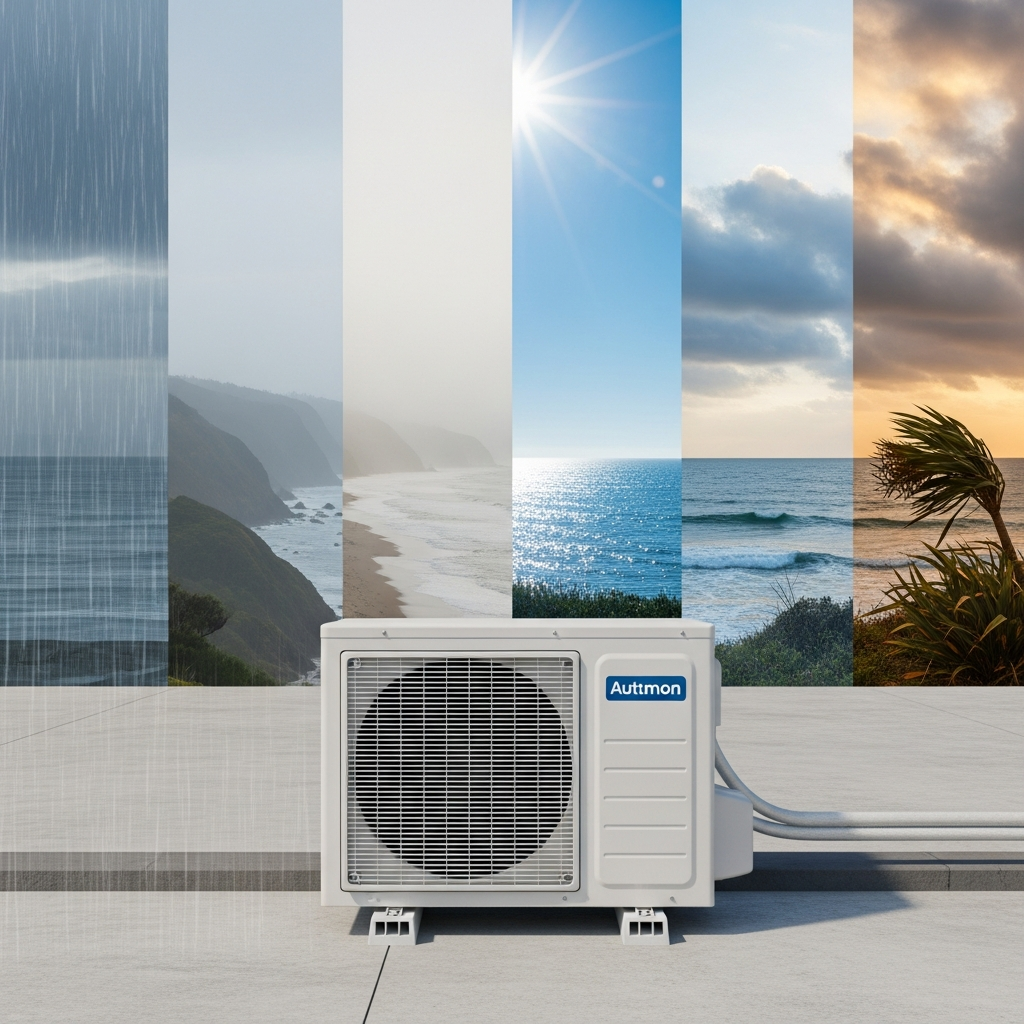
Living in Malibu is a study in seasons that feel gentle at first glance but test your home’s systems in specific, predictable ways. Winter rains, spring’s soft return of sun, June Gloom’s rolling fog, late-summer heat punctuated by Santa Ana winds, and the occasional spell of wildfire smoke all pass through our neighborhoods. The thread that holds comfort steady through these shifts is a calm, well-timed approach to caring for your air conditioner. Seasonal planning smooths the year, preventing little surprises from turning into urgent calls and helping your home breathe with the coast. The simplest entry point is to schedule routine air maintenance keyed to Malibu’s calendar, then make light adjustments as the shoreline changes pace.
Imagine your year as a circle rather than a line, with each season leaning gently into the next. Your air conditioner experiences that same circle, asking for different kinds of attention as the weather evolves. By aligning maintenance with these natural turns, you gain not just reliability, but a home that feels tuned rather than forced. It is the difference between rushing the thermostat to chase a feeling and arriving there with ease because the system is already poised to deliver.
Late winter to early spring: preparing for the warm-up
After the rainy season, the first priority is clearing the slate. Outdoor units collect windblown leaves, grit, and a light salt film that lingers from winter storms. Indoors, filters may have loaded up as homes were kept closed during colder days. A spring maintenance visit inspects and rinses the condenser fins, checks cabinet fasteners for corrosion or loosening, verifies electrical connections, and sets the blower and coil up for clean, efficient operation. This is also the moment to check drainage, because the return of morning fog means condensate will start flowing again. With these steps complete, your system enters spring agile and ready, able to handle cool mornings and the gentle warmth of afternoon without a hiccup.
On the homeowner side, spring is a great time to clear a breath path around the outdoor unit. Move planters and patio furniture a few feet away, trim back shrubs, and make sure the service panel is accessible. Indoors, take a walk past each return and supply to remove seasonal clutter. You are creating a runway for air so the system can do its work with the least resistance possible.
Late spring to early summer: tuning for June Gloom
As marine layers settle in, condensation on the indoor coil becomes a daily script. The system must remove extra moisture each morning, then transition to gentle cooling by midday. Maintenance focused on this period confirms that your condensate drain is clear, traps are primed, and safety switches work as intended. Technicians also listen closely to blower starts and check that filter fit is precise to prevent bypass dust from streaking the coil. Little steps like these keep the home smelling fresh and eliminate the faint mustiness that can appear when fog lingers for days.
Thermostat schedules benefit from a light touch here. Pre-cooling slightly before the fog lifts, then letting temperatures float within a comfortable range, prevents overcorrection. The goal is to keep comfort steady with minimal effort. It is where a tuned system shines, acting like a well-trained crew that knows when to trim sail rather than fight the wind.
Mid to late summer: handling heat and long afternoons
By midsummer, the days stretch and the sun holds longer. Malibu does not burn the way inland valleys do, but we still feel spikes that test air conditioners. An early-summer or mid-season check catches salt film on condenser fins, monitors the health of capacitors and contactors, and reaffirms airflow at the registers. When this work is done, the system jumps to attention smoothly during heat waves, then settles back into quiet cycles when evenings cool. It also reduces the temptation to drop the thermostat too low when a room lags; instead, the system provides poised, even cooling that reaches set point without drama.
In two-story homes and hillside properties, this is the time to manage stratification. Brief fan cycles in late afternoon can draw down upstairs warmth. Maintenance supports this by confirming that ducts are sealed, returns are drawing only indoor air, and insulation on refrigerant lines has not weathered under UV exposure. Small corrections here protect the balance you need during school nights, dinner with friends, or any evening when you would rather not think about the air at all.
Late summer to early fall: Santa Ana winds and smoke
When dry offshore winds arrive, they bring particulates that can load filters and dust that tracks indoors on shoes and pets. Maintenance during this stretch emphasizes filtration and sealing, with special attention to return cabinets and any weak points that allow bypass air. Clean filters keep airflow strong and air quality higher when windows must stay closed. Outdoor, technicians check that fan blades remain in balance and that condenser bases are stable, as gusts can nudge equipment over time. With these boxes checked, the house remains a refuge when outside air feels harsh.
For homes near trailheads or canyon mouths, consider an extra filter check during prolonged wind events. The difference between a fresh filter and a loaded one can be the difference between relaxed, quiet cooling and an air handler that roars to make up for restricted supply.
Fall into early winter: the reset and the watchful eye
As days shorten and nights turn cooler, your air conditioner rests more, but maintenance continues to matter. A late-fall visit tidies the system after a long season—clearing remaining salt film, verifying drains are dry and clean, and confirming that electrical connections are snug before cooler, wetter weather returns. This is the time to review notes from the year: which rooms stayed warmest, how the system sounded during starts, and whether any odors lingered after foggy mornings. Those details inform the next year’s plan and help you refine comfort with minimal effort.
Because Malibu can receive sudden winter storms, it is also wise to confirm that the outdoor unit sits slightly above grade and that runoff will not pool around the base. Small site adjustments now prevent corrosion and keep the condenser ready for the first warm day of the new year.
The throughline: airflow, cleanliness, and attention
Across the year, three themes repeat. First, airflow is everything. Keep returns and supplies clear, ensure filters fit and are changed on time, and let ducts deliver conditioned air without leaks or kinks. Second, cleanliness preserves efficiency. Coils free of film and drains free of sludge move heat and moisture the way the system was designed to do. Third, attention pays off. Noticing a new sound, a slower cool-down, or a musty whiff gives you the chance to act before an inconvenience turns into downtime.
In Malibu, where we blend indoor and outdoor life smoothly, maintenance is not a chore to dread but a small ritual that keeps the rhythm intact. It is the house version of rinsing off after the beach, putting boards away, and shaking sand from towels. Simple, steady habits protect the feeling we love about living here.
Align maintenance with how you use your home
Seasonal care is most effective when it matches your lifestyle. If you host often in summer, let the technician know so airflow can be balanced to living areas that gather people and heat. If you prefer windows open most mornings, schedules can accommodate that, pre-cooling gently before the day warms. If you travel and the home sits closed for weeks, a mid-season check can scan for rodent mischief, verify drains, and confirm that startup components are strong. These are not cosmetic touches; they are the reality of making a machine serve a life, not the other way around.
Homes by the sand, homes on the hill, homes under tall pines—they all speak slightly different dialects. Seasonal maintenance is the conversation that keeps you fluent in your home’s needs. With a clear plan, you can lean back into the seasons rather than brace against them.
FAQ
Q: When is the best time to schedule maintenance in Malibu? A: Spring is ideal for a full tune-up, with a brief mid-season check in summer for homes near the shore or in dusty canyons. A fall tidy-up helps reset the system before winter weather.
Q: Do I really need mid-season service? A: If your home is very close to the beach, sees frequent marine layer mornings, or sits where winds deposit dust, a short mid-season visit keeps performance centered when it matters most.
Q: How do Santa Ana winds affect my air conditioner? A: They carry fine particulates that can load filters quickly and stress airflow. Checking and changing filters more frequently during wind events maintains comfort and air quality.
Q: What should I do after a smoky day? A: Keep windows closed until air quality improves, run the system with a fresh filter, and consider a quick inspection of returns and the coil if odors persist.
Q: Will seasonal maintenance lower my energy use? A: Yes. Clean coils, correct airflow, and healthy electrical components reduce run time and smooth out peaks, delivering the same comfort with less effort.
Q: Can I combine maintenance with other home projects? A: Absolutely. Aligning work such as window treatments, insulation checks, or duct sealing with maintenance visits multiplies the effect and stabilizes comfort year-round.
Q: How do I know if my drains need attention? A: Musty odors near vents, water around the air handler, or a gurgling sound from the drain line suggest it is time to clear traps and confirm smooth flow.
Season after season, the homes that feel the best are the ones that receive quiet, consistent care. If you are ready to set your own rhythm and let your system serve it with grace, reserve time for your next air maintenance and enjoy a Malibu home that stays cool, calm, and welcoming all year long.