
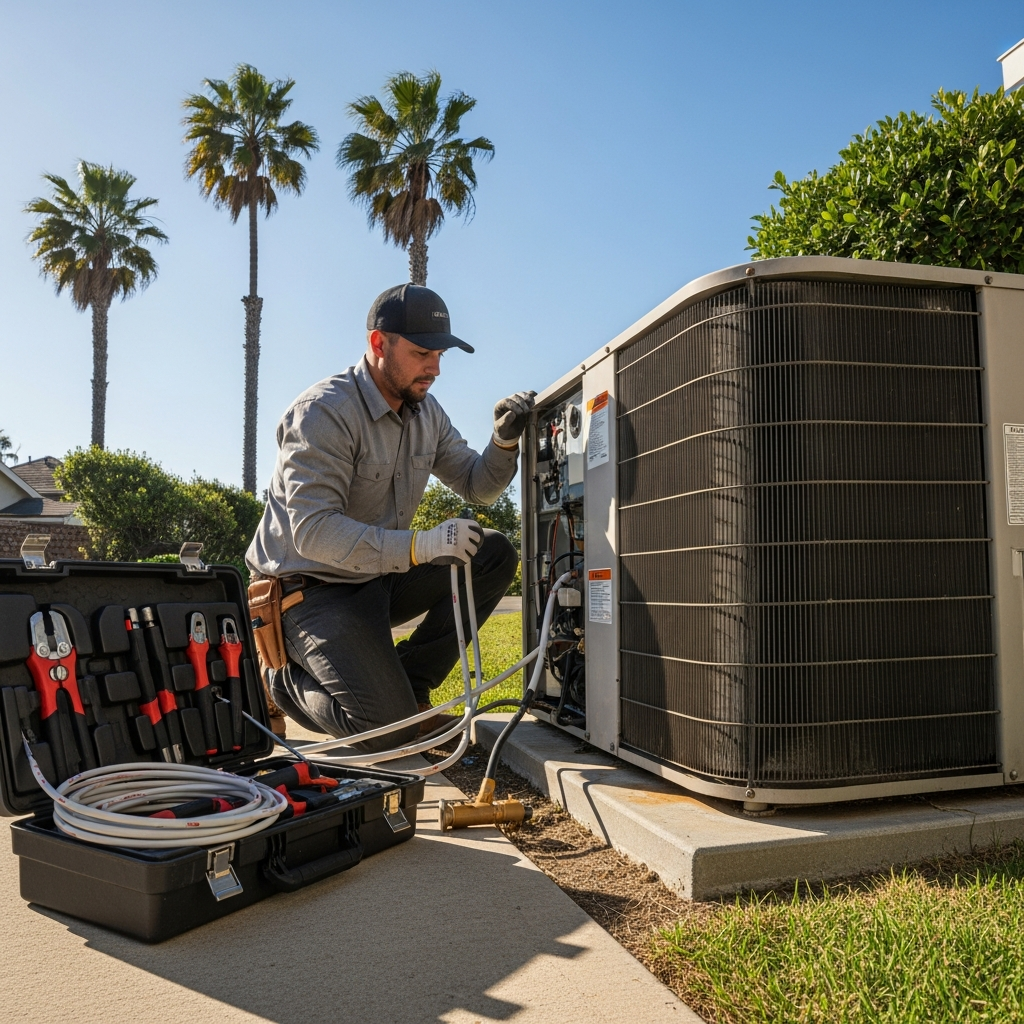
There are days in Malibu when the weather story flips in a heartbeat. Morning haze lifts, the sun hits the canyon walls, kids tumble in from the beach, and suddenly the house is warmer than you want. That is when you notice the vents are sighing instead of cooling, or the outdoor unit is humming but not starting. In a town where marine layers, gusty afternoons, and salt air stage daily plot twists, same-day AC repair is not a luxury—it is how you keep life moving. Over the years, I have learned how to triage quickly, communicate clearly, and bring the right parts to keep your air conditioning steady without turning your day upside down.
Same-day service begins with listening. A few questions—what you hear, what you smell, what the thermostat says—tell me where to start. Warm air with a running outdoor fan points one way, a silent system after a wind-driven outage points another. Malibu homes share patterns: corrosion-worn capacitors near the water, contactors pitted by salt and dust, drains in attics that clog on humid mornings, and units tucked beside decks where plant debris drifts in. Having those stories in mind lets a technician arrive prepared.
What Qualifies as Urgent in Malibu
Urgency is not only about temperature. Water where it should not be—a drip from a ceiling return, a damp secondary pan, or a condensate switch that has tripped—deserves quick attention before finishes are harmed. So does a system that tries to start and fails repeatedly, which can push a stressed compressor over the edge. Electrical smells, a breaker that will not hold, and metallic scraping noises also call for immediate eyes and hands.
Families hosting guests, home offices with sensitive equipment, and homes with limited natural ventilation because of wildfire smoke episodes each have good reasons to want same-day stability. A local team that understands these dynamics can prioritize appropriately and communicate realistic arrival windows based on PCH traffic and canyon access.
Preparing for a Swift Visit
Before the technician arrives, set the thermostat to off to prevent further stress on components. Clear access around the air handler and the outdoor condenser—two feet of breathing room makes diagnosis faster and safer. If you know where the breaker panel and condensate cleanout are, have them visible. Make note of any changes leading up to the issue: unusual noises the night before, a wind event, or a remodel that produced dust. These small clues save time on site.
For homes near the water, be ready for the possibility that a corroded disconnect, a weathered capacitor, or salt-caked coil is part of the story. Coastal realities inform both the likely fault and the long-term fix, from installing coated components to adjusting placement away from a windward corner.
What a Same-Day Repair Looks Like
Good same-day work is focused and methodical. Power is verified safe, panels are opened, and visual inspections catch the obvious—burnt wiring, swollen capacitors, ice on the coil, or a clogged drain. Electrical tests confirm what eyes suspect. If the outdoor fan runs but the compressor will not start, a weak run capacitor or tired contactor often sits at the center. If supply air is weak and the coil is sweating heavily, airflow and drainage come to the fore. Many of these faults can be resolved on the first visit if the truck is stocked with coastal-appropriate parts.
Sometimes the diagnosis reveals a cascading issue: a clogged filter that iced the coil, thaw water that filled a secondary pan, and a float switch that performed its quiet heroics to save the ceiling. In those cases, restoring airflow, clearing the line, and resetting the switch returns comfort swiftly. The best repairs pair the immediate fix with advice to prevent a repeat once the day’s heat is past.
Communication Matters
Same-day service hinges on clear expectations. You should know what was found, what was fixed, and what might need follow-up. Photos of corroded terminals or a bulging capacitor help you see the cause. If a rare part is needed, you deserve a plan to bridge the gap—safe operation at reduced load, or a temporary setup that keeps bedrooms cool overnight. Coastal homes sometimes benefit from interim coil rinses or gentle adjustments that keep you comfortable until a specialty component arrives.
Noise and placement questions often arise during urgent calls. Many Malibu homeowners take the moment to ask whether the condenser could be quieter or less visible. A same-day visit is not the time for a relocation, but it is the right time to discuss options and plan a change that respects views, setbacks, and airflow when the immediate issue is resolved.
After the Fix: Coastal-Proofing Your System
Once cooling returns, a few targeted upgrades can make the next heat wave less dramatic. Swapping to stainless or coated fasteners where rust is beginning, adding UV-stable insulation on exposed lines, and setting a reminder for monthly condenser rinses during summer each protect your investment. Surge protection and periodic terminal inspections counteract the havoc of wind events and salt film. If your unit sits in a wind tunnel, modest baffles or a better orientation can end the cycle of recirculated hot air.
Consider a seasonal tune after an urgent repair. Systems that needed help in July were often whispering for attention in May. A tune allows refrigerant charge, airflow, and controls to be verified when you are not racing against the clock. That way, the next hot afternoon glides by without drama, and the house feels like it should: comfortably background.
Frequently Asked Questions
Can most AC problems be fixed the same day in Malibu?
Many can. Common issues—failed capacitors, clogged drains, dirty filters, salt-affected terminals, and minor control faults—are often resolved on the first visit when the technician arrives with coastal-ready parts. Unique components or extensive duct issues may take longer, but clear communication will set a plan.
My AC stopped after a power blip. Should I wait before calling?
Give it five minutes. Many systems have anti-short-cycle delays that pause the compressor after power returns. If it still will not start, or if a breaker trips, make the call. Power events can stress capacitors and connections, especially near the ocean.
What should I do while I wait for the technician?
Turn the system off to prevent further stress, clear access to equipment, and note any smells, sounds, or drips. If you are comfortable checking the filter, replace a dirty one. Avoid repeated restarts if the system fails to come on; that can worsen damage.
Why does my condenser look rusty after a year by the beach?
Salt air accelerates corrosion on unprotected steel. The fix is twofold: regular fresh-water rinses during summer and, when parts are replaced, choosing stainless or coated hardware and coastal-rated components. Strategic placement out of direct wind paths also helps.
Will maintenance reduce my need for urgent repairs?
Absolutely. Seasonal cleaning, airflow checks, and electrical inspections catch small issues before they strand you on a hot afternoon. Along the coast, maintenance is not just a tune-up—it is corrosion management and wind-aware airflow care.
Get Your Cool Back, Today
If your home feels warmer than it should or a telltale hum will not turn into a start, same-day help is within reach. Call for responsive, coast-wise service that arrives prepared, explains clearly, and leaves your rooms calm and comfortable. When you are ready to steady your home and protect against the next heat wave, schedule timely care for your air conditioning and get back to your Malibu day.