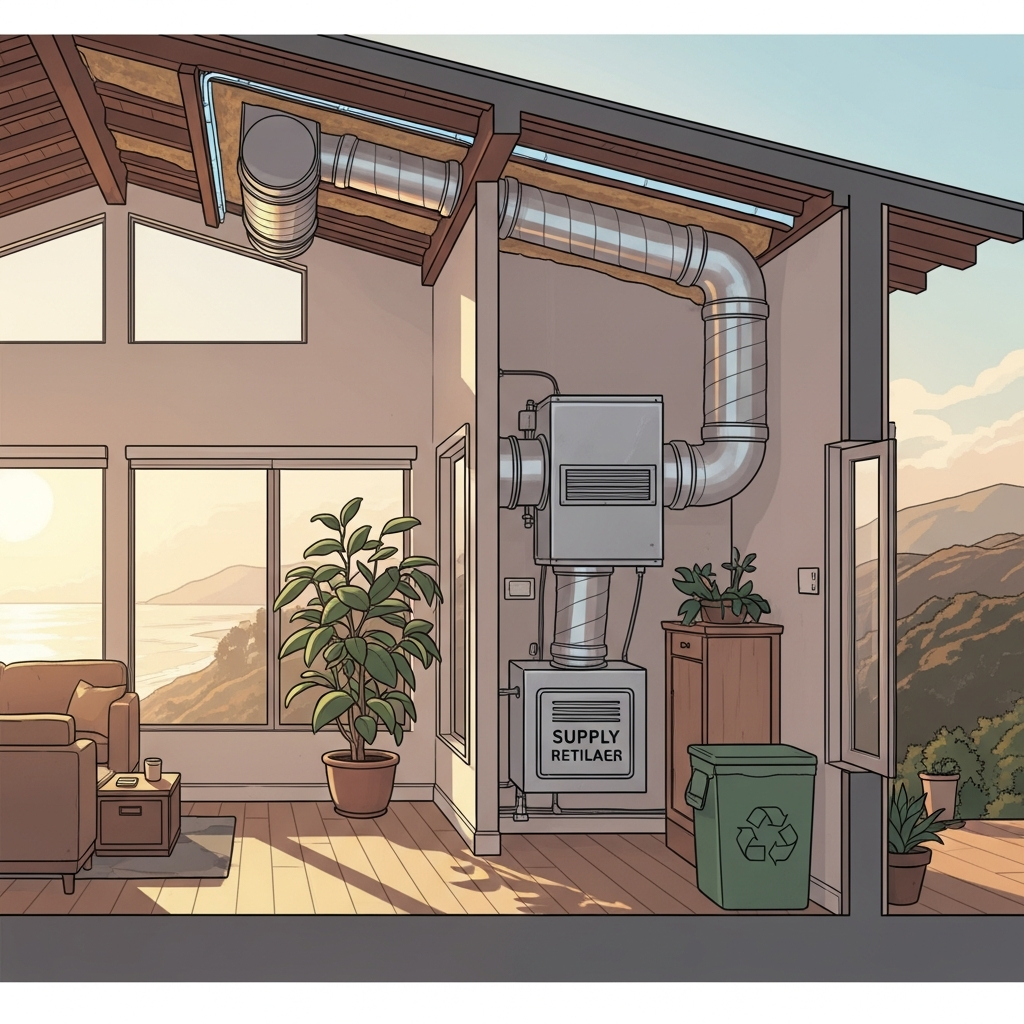
In Malibu, the ocean frames our days and the mountains set our horizon. Living between the Pacific and the Santa Monica Mountains sharpens our sense of place, and with it, our responsibility to care for the environment we cherish. When we talk about duct replacement, it might sound like a purely technical upgrade, but in coastal communities the choice of materials, methods, and design carries real environmental weight. After guiding projects from Malibu Road to Corral Canyon, I have seen how a well-planned upgrade reduces energy use, improves indoor air quality during smoke or pollen events, and even influences the waste stream leaving a jobsite. Thoughtful duct replacement is one of those quiet decisions that ripple outward—from a calmer home to a lighter footprint on the coast we love.
The environmental story begins with leaks. Older systems spill conditioned air into attics and crawlspaces, requiring equipment to run longer and harder. That energy waste is invisible month to month but profound year to year. Tight, well-insulated ducts close that gap. When supply air arrives at registers at the temperature it left the air handler, comfort improves while energy use drops. In homes transitioning from gas furnaces to electric heat pumps, a sealed distribution system multiplies gains by letting efficient equipment operate within its ideal range rather than fighting losses in the attic. Less energy used means fewer emissions associated with the home, and that matters along a coastline already grappling with climate change.
Energy performance and the carbon story
Every kilowatt-hour saved is carbon avoided somewhere in the energy system. In Malibu, where cooling needs ebb and flow with the marine layer and heating loads are moderate but real on cool nights, duct efficiency plays an outsized role. Leakage, undersized trunks, and thin insulation push equipment into longer cycles. Replacement corrects these weaknesses and brings the distribution network into alignment with the equipment’s design. The result is steadier operation, fewer peaks, and better part-load performance—conditions that modern heat pumps in particular love.
From a carbon perspective, the savings are cumulative. A few percent improvement in leakage and pressure can translate to meaningful reductions over the life of the system. When combined with other upgrades—smart controls, envelope improvements, and efficient equipment—the distribution system becomes a cornerstone of a home’s low-carbon profile. Each calm cycle and every degree of reduced loss is a small step in Malibu’s broader climate journey.
Indoor air quality as environmental impact
Environmental health includes the air we breathe indoors, especially during wildfire smoke events or heavy pollen days. Leaky returns pull dusty, smoky attic air into the system, spreading particulates through bedrooms and living spaces. Tight replacement ducts keep this pathway closed, making filtration at the air handler more effective. Healthier indoor air reduces the need for reactive measures and helps families remain comfortable at home rather than seeking refuge elsewhere. Fewer car trips during bad-air days and a home that remains usable are environmental wins hidden in plain sight.
There is also a moisture story. Better insulation and sealed fittings reduce condensation on cool nights, limiting the potential for musty odors and microbial growth. A dry, clean distribution path is both a health advantage and a durability advantage, extending the useful life of materials and delaying replacement cycles—an environmental outcome rooted in longevity.
Material choices and lifecycle thinking
Not all ducts are created equal, and not all installation materials leave the same footprint. In coastal Malibu, we favor durable, corrosion-resistant components because they last longer under salt air. Longevity is a form of sustainability; the fewer replacements over decades, the fewer manufacturing impacts and the less jobsite waste. Selecting sealed metal plenums and collars, high-quality insulated flex for carefully planned branches, and mastics and adhesives with low emissions yields a system with a lower long-term impact.
Lifecycle thinking includes end-of-life handling for the system you are removing. Metal components are recyclable; careful deconstruction and separation keep them out of landfills. Even flexible ducting, while more challenging to recycle, can be minimized by designing runs efficiently and using rigid sections where they make sense. A clean jobsite with organized waste streams is a small but real contribution to a lighter footprint.
Construction practices that reduce waste
How a project is built shapes its environmental signature as much as the materials themselves. On a well-run duct replacement, installers measure twice and cut once, reducing offcuts and rework. They protect new materials from dust and moisture during staging so nothing is discarded prematurely. They plan routes that avoid last-minute contortions, which preserves performance while eliminating the waste that comes from redoing work. This kind of craftsmanship produces less debris and a tighter, calmer system—two outcomes that align with Malibu sensibilities.
Jobsite conduct matters, too. Keeping the attic clean, bagging debris before it spreads, and avoiding unnecessary foot traffic protect insulation and building materials already in place. The greenest component is often the one you do not have to replace. Treating the home as an ecosystem keeps incidental damage—and the waste that results—from creeping into the project’s footprint.
Wildfire resilience and community impact
In seasons when smoke reaches the coast, homes with tight ducts become safe havens. Families can shelter in place with fewer health worries, which reduces pressure on community resources. The environment benefits when people can stay off the roads during hazardous air events, and a sealed system helps make that possible by blocking attic infiltration and supporting effective filtration. It is a small example of how private choices compound into public good when conditions turn challenging.
Resilience also includes wind. Secure supports and well-fastened connections avoid rattles, whistling, and movement that shorten system life. A durable system means longer intervals between replacements, fewer trucks on the road, and fewer materials consumed—each a nod to the environment in a practical form.
Designing for efficiency without sacrificing comfort
Environmental benefits must pair with comfort to be meaningful. In Malibu’s varied microclimates—cooler by the water, warmer inland along PCH, and distinct in the canyons—a balanced duct design lets equipment run at the sweet spot for both energy and comfort. Gentle bends, right-sized trunks, and tuned branches reduce resistance so fans work less while rooms feel more even. That harmony between engineering and experience reduces over-conditioning and keeps windows open more often when the weather allows, both of which lighten energy use.
Good design also future-proofs the home. Zoning-ready layouts and accessible dampers make tomorrow’s control strategies easy to adopt, keeping the system nimble as technologies evolve. Flexibility reduces the need for major overhauls—an environmental virtue disguised as homeowner convenience.
Coastal corrosion and why durability is green
Salt air is relentless, and replacing rusted hangers or repairing sagging runs consumes materials and labor. By choosing corrosion-resistant hardware and supports during replacement, we stretch the window before the next intervention. Each extra year of reliable performance is a year without demolition waste, parts deliveries, and the energy tied to manufacturing new components. Durability is sustainability measured in quiet years rather than splashy statistics.
Insulation integrity is part of this story. Jackets that remain intact and full-depth insulation around fittings protect against condensation and heat gain, which in turn protect the home from moisture damage. Preventing damage is greener than repairing it later, and a tidy, well-insulated system is a practical way to prevent problems before they seek attention.
Attic health as environmental stewardship
The attic is where a home’s ecology is most visible. Clean ducts, sealed penetrations, and organized services keep the space calm. Fewer leaks mean less dust migration and better air quality indoors. That calm space also discourages wildlife intrusion, reducing the need for traps or chemicals. By restoring order up there, a replacement project nudges the whole building toward health—a small but meaningful environmental step.
Many Malibu homes have attics that double as access corridors for other systems. Protecting those pathways with clear labeling and sturdy supports reduces the chance of future damage and waste during unrelated service calls. Clear paths protect both performance and the environment.
Behavioral choices that extend environmental gains
Once a tight, efficient duct system is in place, daily habits make the most of it. Smart thermostat schedules with gentle setpoint changes minimize peaks that drive energy use. Careful filter maintenance improves indoor air quality without overloading the fan. Opening windows during ideal shoulder-season weather and closing up promptly when smoke or heavy pollen arrives build on the system’s strengths. Small choices compound, and a home that is easy to live in is a home that treads lightly.
Sharing your experience with neighbors matters too. Malibu is a community of word-of-mouth decisions. When homeowners see comfort and calm paired with lower energy use, they follow suit. That community momentum amplifies individual environmental wins.
Measuring what matters
Environmental impact is easiest to track when you measure key signals. After replacement, note thermostat run times, how often the system cycles, and how even rooms feel. Watch energy use season to season. Ask your installer for test results and keep them with your home records. This gentle accountability keeps everyone—homeowner and contractor—tuned to performance, which is where environmental benefits live.
If you are upgrading to efficient equipment, ask your team to confirm duct pressures and airflow match design. Equipment cannot overcome poor distribution, and ensuring alignment protects both comfort and the environment by avoiding wasteful operation.
Frequently Asked Questions
How does duct replacement reduce my home’s carbon footprint?
Tight, well-insulated ducts reduce leakage and resistance, allowing equipment to reach setpoints with less energy. Over time, this steady reduction in run time and peaks trims the emissions associated with your home’s heating and cooling.
Are there environmentally preferable materials for coastal homes?
Yes. Durable, corrosion-resistant hangers and fasteners, sealed metal plenums, high-quality insulated flex for planned branches, and low-emission mastics all contribute to longevity and reduced environmental impact. Long-lasting systems generate less waste over the decades.
Can old ducts be recycled?
Metal components can often be recycled if separated cleanly. Flexible duct is more challenging, but thoughtful deconstruction and minimizing its use through efficient design reduce landfill volume. A tidy jobsite and organized waste streams go a long way.
Will new ducts help during wildfire smoke events?
Yes. Tight returns and sealed supplies block attic infiltration, making filtration more effective. Homes with sealed duct systems remain healthier and more usable during bad-air days, which is a practical environmental and public health advantage.
Is the energy savings from duct work really significant near the ocean?
Absolutely. Malibu’s loads are moderate but continuous. Small inefficiencies add up. A tight distribution system reduces those daily losses, and the cumulative savings across seasons and years are meaningful, especially with efficient equipment.
How can I maintain environmental gains after replacement?
Keep filters fresh, avoid storing items on ducts, schedule an annual checkup, and use gentle thermostat schedules. These simple habits preserve the efficiency you gained and extend the system’s calm, low-impact performance.
Choosing the greener path forward
In Malibu, every building decision is also a coastal decision. Duct replacement may be behind the scenes, but its environmental effects reach from your attic to the shoreline. If you want a home that feels better, breathes cleaner, and uses less energy while respecting the coast, start with a conversation about professional duct replacement. With the right plan and team, you can enjoy quieter rooms, clearer air, and the quiet satisfaction of a lighter footprint on the place we all call home.