
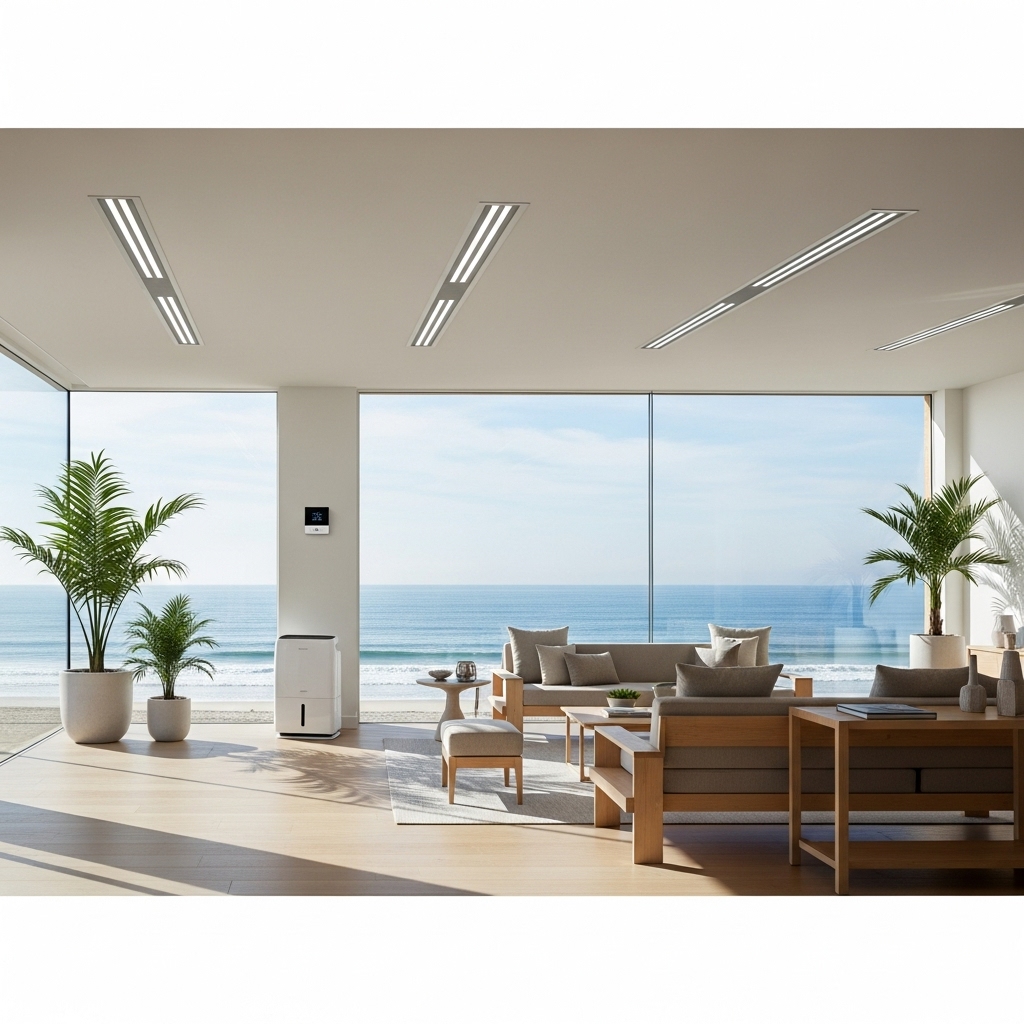
When you live at the edge of the Pacific, comfort is a moving target shaped by the marine layer at dawn, sun-warmed afternoons, and salt-kissed breezes that never quite stop. In Malibu, those conditions make a well-planned air conditioning strategy more than a luxury; it becomes a daily ally for healthy indoor air, restorative sleep, and the longevity of your home. Over the years, I’ve walked through beachfront bungalows off Carbon Beach, hillside retreats above Latigo Canyon, and glass-front moderns on Point Dume, and I’ve seen how coastal microclimates ask more of cooling systems than meets the eye. The right choices pay off in quieter living, cleaner indoor environments, and steady, even comfort that feels natural rather than forced.
Malibu’s weather is famously mild, but anyone who has endured a week of stubborn marine layer or a surprise Santa Ana event knows how quickly interiors can swing from clammy to stifling. The ocean regulates temperature in broad strokes while injecting moisture and fine salt particles into the air. That combination is soothing outdoors, yet indoors it can magnify stickiness, warp wood, and tax electronics. This is where a coastal-calibrated cooling approach matters. It’s not only about lowering temperature; it’s about conditioning the air—managing humidity, filtering particulates, and distributing comfort in a way that suits diverse floor plans from classic ranch layouts to open-concept showpieces with expansive glazing.
Comfort That Matches Malibu’s Rhythm
The pulse of a Malibu day is unmistakable. Mornings may start cool and damp, with that silver-blue fog softening the view, and by midafternoon the sun breaks through, pushing indoor temperatures up. A responsive system adapts to those shifts without cycling on and off in a way that draws attention to itself. Variable-speed compressors and air handlers shine in this environment, whispering along at lower speeds to dial in comfort rather than blasting air in short bursts. The effect is subtle but transformative—rooms feel consistently pleasant, and you stop noticing your HVAC because it’s doing its job in the background.
Homes near the beach often struggle most with latent heat—the humidity we experience as stickiness. Properly sized equipment, paired with smart controls and the right fan settings, extracts moisture while gently cooling, which helps mattresses and textiles stay fresh, preserves wood finishes, and denies mold the conditions it seeks. In older beachfront properties, this humidity control can be as valuable as any temperature change, especially in bedrooms and media rooms where closed doors can trap moisture.
Protection Against Salt Air and Coastal Wear
Salt is Malibu’s signature, but it is also relentless. It travels on the breeze and settles on every exterior surface, from glass railings to outdoor furniture—and yes, into your HVAC equipment. Coastal-rated condensers and coated coils are essential for longevity. I’ve seen standard outdoor units near Broad Beach corrode in just a few seasons, while their coastal-hardened counterparts remain structurally sound and efficient. Stainless hardware, powder-coated cabinets, and factory-applied protective coatings make a concrete difference in service life.
Beyond hardware, the placement of equipment at oceanfront homes deserves careful thought. Whenever possible, situate condensers where prevailing winds are filtered by landscaping or the structure itself, while maintaining the necessary clearances for airflow and service. A little strategic shielding reduces the salt load dramatically. And for penthouse terraces or cliffside decks with no protection, periodic fresh-water rinsing of the coil and cabinet keeps salt from crystallizing and eating into components.
Indoor Air Quality for Wildfire and Marine Conditions
Malibu’s beauty is matched by nature’s volatility. Late summer and fall can bring wildfire smoke, while spring and early summer lean into damp marine layers. Each condition challenges indoor air in a different way. During smoke events, a properly sealed envelope, balanced ventilation strategy, and high-efficiency filtration make all the difference. A MERV 13 filter in a tight system can trap fine particulates, allowing you to keep windows closed without sacrificing freshness. During the misty months, dehumidification paired with modest cooling prevents that telltale musty note that can creep into closets and low-lying rooms.
Modern controls can automate these responses. With indoor air quality sensors and smart thermostats, systems can scale their output based on particulate or humidity thresholds. That means when the winds shift and smoke drifts down from the canyons, your home pivots in real time—circulating and filtering more aggressively, then settling back to quiet maintenance once the air clears.
Energy Efficiency Without Compromising Serenity
Malibu living prioritizes serenity—soft sounds, open windows when the weather cooperates, and unobtrusive technology. The newest heat pump systems, especially those with inverter-driven compressors, deliver high efficiency with very low sound levels. When matched to a well-designed duct system or ductless heads, you can cool selectively where you spend time, trimming energy use during shoulder seasons while maintaining perfect sleeping conditions at night. For homes with expansive glazing, low-solar-gain windows help, but interior conditions still benefit from a system that can nibble away at temperature rise as the sun moves across the sky.
Thermostat placement and zoning deserve special attention in coastal homes. A single thermostat in a shaded hallway won’t capture how a south-facing living room warms each afternoon, nor how a lofted space retains heat into the evening. Zonal control lets you pamper the spaces that heat up fastest, while letting secondary rooms ride naturally. It’s a small shift with big payoff—better comfort and fewer arguments over the “right” temperature.
Quiet Performance for Beachfront Peace
Noise ordinances exist for a reason, and they dovetail with what most Malibu homeowners want: a system that won’t intrude on ocean soundtracks or quiet conversation. Select equipment for low decibel ratings and mount condensers on vibration-dampening pads. Inside, oversized returns with acoustic lining and thoughtful duct routing temper air noise. In older homes, swapping undersized return grilles for larger, better-louvered models can drop perceived noise considerably while improving airflow and efficiency.
Bedrooms deserve special handling. Keep supply registers away from headboards, and let the system deliver a gentle flow that mirrors the way sea breezes aim past, rather than directly at, where you rest. The difference between a good night’s sleep and a great one often comes down to these small details.
Design Sensitivity: Architecture and Aesthetics
Malibu architecture often puts glass and views front and center. When cooling equipment and diffusers are planned early with the design team, it’s possible to hide mechanicals artfully and choose supply locations that avoid drafts across seating zones. Linear slot diffusers that disappear into ceiling reveals, or discreet floor supplies beneath window walls, maintain sightlines and comfort simultaneously. For historic cottages or post-and-beam classics, ductless systems can be a respectful solution where conventional ducts would carve up character-defining features.
Mechanical closets and outdoor equipment screens deserve the same aesthetic care as a landscape feature. Planted screens, horizontal slat fencing that echoes modern fencing lines, and color-matched cabinets reduce visual noise. The best systems in Malibu are the ones you barely notice—except in how good the home feels.
System Types That Shine at the Coast
For many Malibu homes, high-efficiency heat pumps are the new default, delivering cooling in summer and gentle heating on cool evenings without combustion. Ducted systems remain popular in larger residences, while ductless and short-run ducted options are elegant in remodels, additions over garages, and guesthouses where infrastructure is limited. What matters most is the match between system capacity, control strategy, and the home’s unique exposures—from breezy ridge tops to sheltered coves where air can stagnate.
Midway through a warm afternoon, a well-tuned system quietly holds the line, and when you return from a beach walk, that first breath indoors feels crisp and light. This is the everyday value of thoughtfully designed air conditioning in Malibu: not a blunt blast of cold, but a precisely balanced environment attuned to coastal life.
Maintenance Matters More by the Water
Coastal service intervals should be more frequent than inland. Filters load faster when sea air and wildfire particulates share the stage, and salt accelerates wear on outdoor components. A technician familiar with Malibu’s patterns will check for early signs of corrosion, verify refrigerant charge under realistic loads, and make sure condensate lines are clear—vital in damp months when systems wring more water from the air. Even a simple quarterly rinse of the outdoor coil can extend equipment life, a routine that’s easy to schedule alongside landscape maintenance.
Inside, pay attention to supply and return cleanliness. Beach living brings in sand and fine dust; those particulates can settle in ductwork and registers. Professional cleaning isn’t an annual requirement for most homes, but awareness helps. If you’ve completed a renovation or hosted a season of guests with doors opening constantly, a post-summer inspection can be prudent.
Health, Sleep, and Everyday Well-Being
Ask anyone who has updated their cooling in a Malibu beach house what changed, and the word they tend to use is calm. Even temperatures mean fewer energy lulls after sunset and less of that late-night “hot room, cold hallway” effect. Lower humidity helps bedding and upholstery feel fresher. Filtration smooths out reactions to pollen carried in on onshore breezes and settles the dust kicked up when windows are briefly opened. It’s not a miracle; it’s simply what happens when the indoor environment is tuned to the place you live.
Good air at night also sets the tone for mornings. You wake feeling rested, the house smells clean, and you can decide how much to invite the outdoors in without worrying about losing control of indoor conditions. That freedom—to choose open windows on a perfect day, or closed, filtered comfort when winds shift—is the gift of a system designed with Malibu in mind.
Resale Value and Long-Term Confidence
Buyers in Malibu are discerning, and they notice when cooling feels refined. Updated, efficient systems with coastal protections, smart controls, and documented maintenance can tip the balance in competitive transactions. More importantly, they give owners peace of mind. The same attention that preserves stone and wood against salt and sun should extend to mechanicals; when it does, homes age gracefully and live comfortably in every season.
Frequently Asked Questions
How is cooling different in Malibu compared to inland Los Angeles?
Coastal humidity, salt exposure, and the onshore–offshore wind pattern create unique demands. Equipment must resist corrosion, manage moisture gently, and operate quietly to respect the soundscape. Variable-speed systems and coastal-rated components make the most difference here.
Will a heat pump keep up with Malibu’s microclimates?
Modern inverter heat pumps are well suited to Malibu, where extreme heat is rarer than inland. They excel at steady, efficient cooling and provide comfortable shoulder-season heating without the dry blast of older systems, fitting the mild coastal profile beautifully.
What should I do to protect outdoor units from salt air?
Choose coastal-rated equipment with coated coils, stainless hardware, and robust cabinet finishes. Place units where they’re shielded from prevailing winds while preserving service clearances, and schedule periodic freshwater rinses to prevent salt buildup.
How often should filters be changed near the beach?
Expect to check filters more often than inland—monthly during heavy use or smoky periods, and at least quarterly otherwise. Conditions vary by neighborhood; homes right on the sand tend to load filters faster than hillside locations with more vegetation.
Can I minimize noise without moving my condenser?
Yes. Vibration pads, careful line set routing, acoustic return design, and larger, well-louvered grilles reduce perceived noise. Selecting low-decibel equipment helps, but small design tweaks often yield outsized improvements indoors.
Is zoning worth it for a two-story beach house?
Absolutely. Sun and wind exposure can differ dramatically between floors and elevations. Zoning lets you condition living spaces and bedrooms independently, smoothing hot spots and supporting better sleep without overcooling the rest of the home.
Ready to feel the difference in your Malibu home?
If you’re contemplating upgrades or designing from scratch, a local, coastal-aware plan will reward you with quiet, even comfort and healthier air year-round. For guidance on sizing, coastal protections, and smart controls tailored to your property, explore modern air conditioning solutions and take the first step toward a calmer, more resilient home environment.