
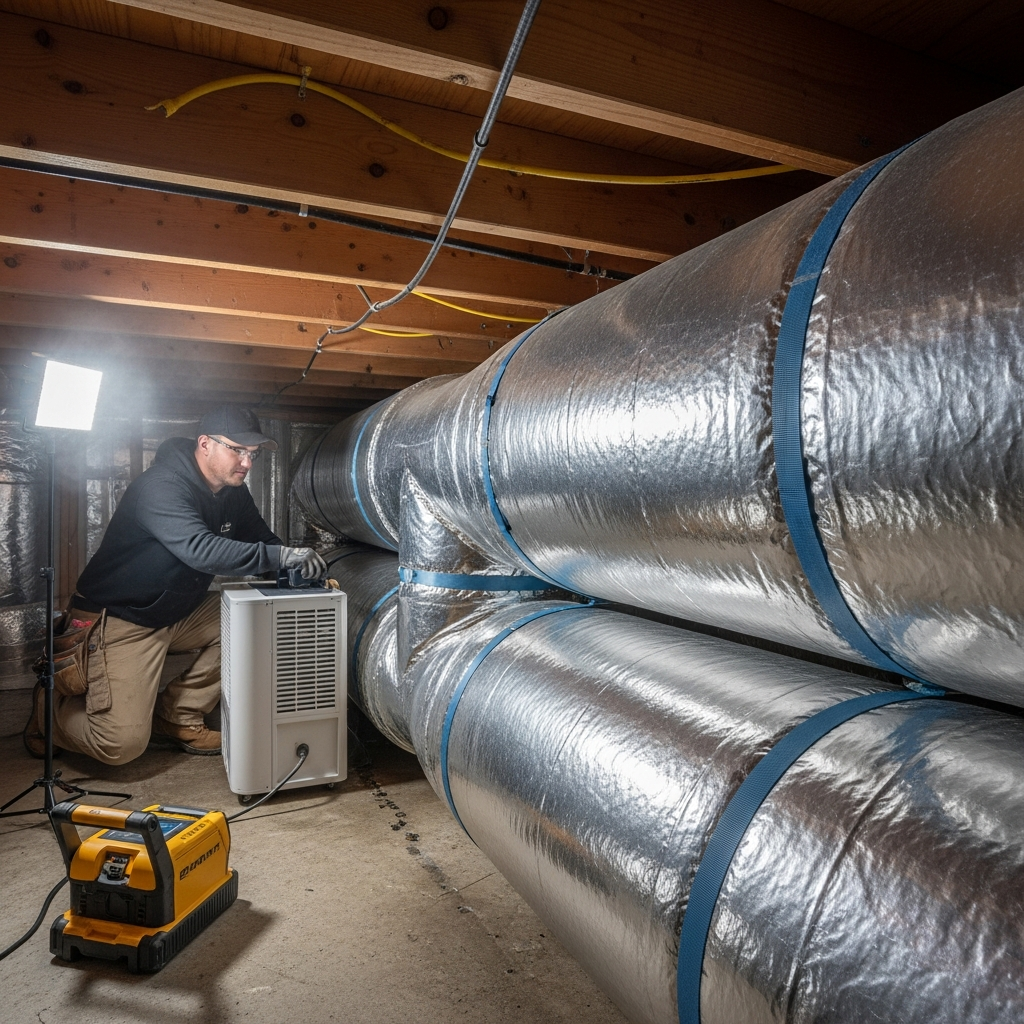
Coastal living in Malibu, California offers the sound of waves, cooler mornings, and breathtaking ocean light—but it also brings unique challenges for the hidden airways of your home. HVAC ducts live in attics and crawlspaces where salty air, wind-driven dust, and big temperature swings quietly test materials and connections. When these ducts age out or fall short of what your rooms need, you feel it in uneven comfort, stubborn dust, and systems that seem to work too hard. If you are exploring duct replacement tailored to Malibu’s coast, this guide unpacks the considerations that protect comfort and performance year after year.
Why coastal conditions demand a different playbook
Salt air is beautiful to breathe on a morning walk, but it can be unkind to bare metal and thin protective coatings. In attics near the beach, you may see early signs of corrosion at boots, straps, or metal transitions. Add the thermal load from attic heat and periods of dense marine layer moisture, and aging accelerates. Smart replacements anticipate this reality with hardware that resists corrosion, thorough mastic sealing on every joint, and insulation that holds shape and R-value even as temperatures swing.
Designing airflow for Malibu’s microclimates
Within a few miles, Malibu offers cool breezy beachfronts, warm inland pockets, and elevated ridges that catch more afternoon sun. A one-note duct layout rarely satisfies. A coastal-savvy design looks at where rooms overheat, where air grows still, and how returns breathe. It then maps trunk and branch lines that deliver steady airflow without sharp bends or constrictions, and it sizes returns to match the system’s real needs. The outcome is the everyday calm of rooms that sit in the same comfort band instead of fighting each other.
Material choices that stand the test of salt and sun
Not all duct materials behave the same under coastal stress. Well-supported flex duct with durable outer jackets can perform beautifully when routed with gentle curves and protected from compression. Metal transitions and boots should be sealed tight and, where practical, supported with hardware that resists corrosion. Rigid supports help maintain shape over time, and mastic—applied generously at every connection—locks in airtightness that salty breezes cannot unravel. These are the quiet choices that add years of reliable service.
Installation discipline you can trust
In coastal homes, shortcuts surface quickly as noise, hot spots, or sagging runs. A disciplined installation starts with site protection, safe attic access, and careful demo of aging ducts. New runs are routed to reduce turbulence, supported at consistent intervals, and sealed end to end. The return path—often the limiting factor in comfort—is evaluated and corrected where necessary. After installation, testing for leakage and balancing each branch turns solid work into a home that simply feels right.
Indoor air quality on the coast
Windy days can drive fine particulates into poorly sealed systems. Wildfire seasons sometimes add smoke to the mix. Tight, well-sealed ducts are your first defense, preventing attic or crawlspace air from hitching a ride into living spaces. Combined with appropriate filtration, a fresh set of ducts helps reduce dust trails on furniture and that faint attic smell some homes experience when cooling begins.
Attic realities: heat, access, and protection
Malibu attics vary from roomy to barely navigable. Heat is a constant, so crews need a clear plan for staging, protection, and safe movement. Good teams insulate and support ducts so the shape does not collapse over time, avoiding the slow airflow loss that shows up as temperature drift. Where access is tight, photographs of completed work help you see what has been done with care, even if the space itself is hard to revisit.
When replacement beats repair
Spot repairs can buy time, but when a system shows widespread leaks, compressed runs, or out-of-date routing, replacement is often the most sensible path. This is especially true in coastal settings where incremental fixes struggle against the underlying environment. A clean slate lets the team reimagine airflow so that ocean-facing living spaces and sheltered bedrooms both receive the steady comfort you want.
In the middle of planning: comparing approaches
As you review proposals, look for the specifics that survive the test of salt and sun: mastic sealing everywhere, proper support intervals, careful return sizing, and a balancing plan after installation. Ask how crews will protect finishes, manage debris, and document hard-to-see spaces. These cues reveal a provider’s real priorities. When weighing duct replacement options, prioritize the practices that translate to quiet, even comfort rather than chasing a minimal scope that may not hold up.
Post-install habits that preserve performance
With new ducts in place, simple habits extend their life: change filters on schedule, keep attic access sealed when not in use, and pay attention to new noises or temperature shifts. After wind or smoke events, a quick system check can catch issues early. These small steps maintain the airtightness and balanced flow you paid for.
What you should feel after a coastal-smart replacement
Most homeowners notice immediate calm: fewer temperature swings, softer airflow sounds, and rooms that fall in line with each other. Over time, that calm translates into a home that adapts gracefully to Malibu’s changing days—from foggy mornings to bright, warm afternoons—without the drama of constant thermostat tinkering.
FAQ
Q: Do coastal homes need special duct materials?
A: They benefit from robust insulation, airtight mastic sealing on every joint, and corrosion-resistant supports where practical. These choices help systems thrive in salty, humid air and hot attics.
Q: Can new ducts improve indoor air quality?
A: Yes. Tight ducts limit intrusion from attics and crawlspaces, and paired with appropriate filtration, they help reduce dust and odors that sometimes sneak in with older, leaky systems.
Q: How disruptive is replacement in a coastal home?
A: Crews typically focus activity in attics and access points, protect floors and furnishings, and clean thoroughly each day. Your provider should outline the schedule and any brief periods when areas will be off-limits.
Q: Will redesigned ducts make my home quieter?
A: In most cases, yes. Smoother routes, correct sizing, and balanced flow reduce rushing sounds and whistling at registers, creating a calmer environment.
Q: How long do ducts last on the coast?
A: Longevity varies with materials, installation quality, and exposure, but thoughtful design and airtight workmanship add meaningful years compared with piecemeal fixes.
Q: Should I replace registers and boots too?
A: If they are corroded or poorly sealed, replacing them is wise. Fresh boots and tight registers help lock in airtightness and make the system quieter and cleaner.
Bring coastal comfort home
Your Malibu home deserves ductwork that is designed and installed for the coast’s realities. Choose a team that understands salt air, respects your space, and builds airflow that feels effortless day after day. As you consider duct replacement, look for thorough sealing, smart routing, and a commitment to testing and balancing. Reach out today to schedule a careful evaluation and take the confident step toward even, quiet comfort—in every season and every room.