
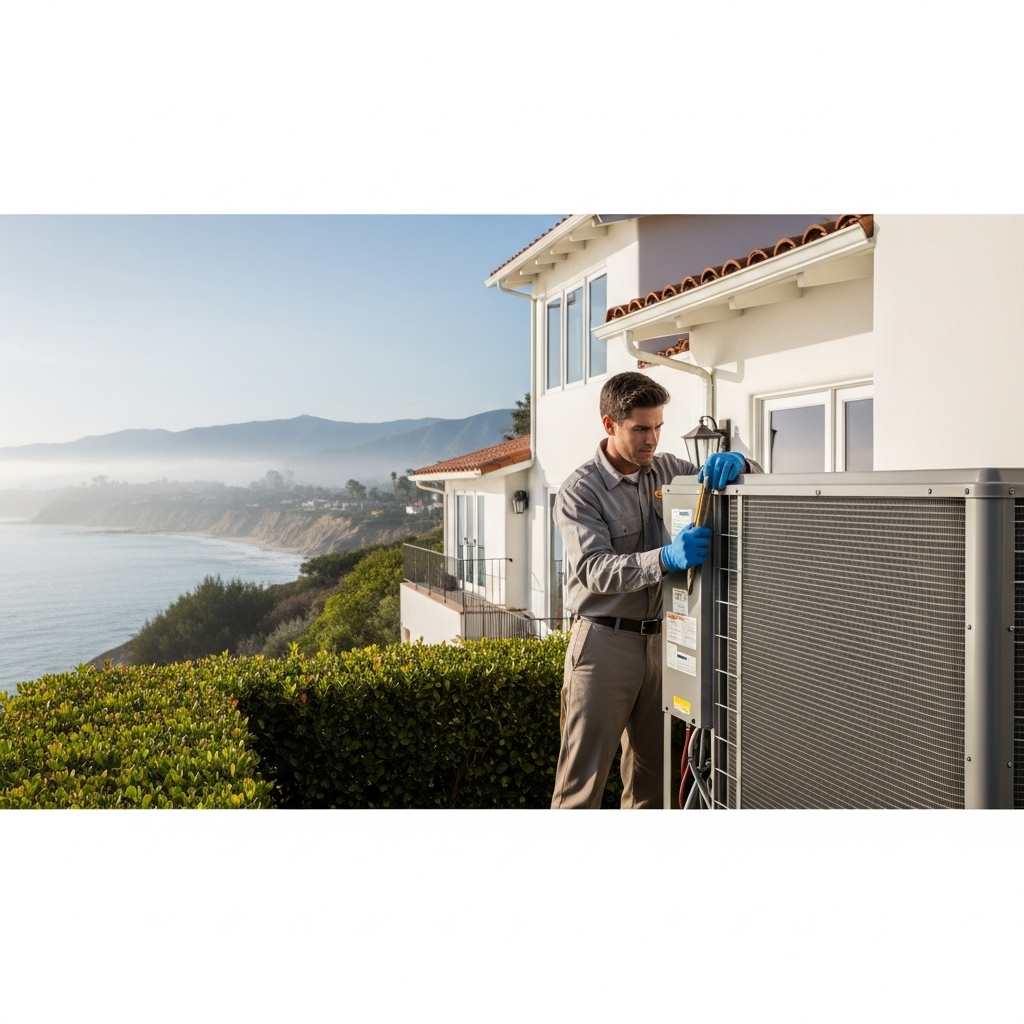
Living and working along the Malibu coastline teaches you to read the weather like a neighbor’s mood. The marine layer rolls in with a silver calm, then burns off to reveal a bright, salt-laced afternoon, and the cyclical dance repeats itself through the seasons. That rhythm defines how we think about comfort in our homes here. Central air is not just a mechanical system you tuck away and forget; it is a companion to everyday life, tuned to the breeze, the sun angle over the Santa Monica Mountains, and the salt that rides in on the wind. When we talk to homeowners about central cooling, we start with the local story—how your home sits in the wind, how the ocean breathes through your yard, and how to make air conditioning feel effortless rather than intrusive.
Malibu’s beauty shapes our choices. Houses perched on bluffs collect sunsets and salt in equal measure, while canyon homes bask in pockets of still, warmer air. The same condenser that runs quietly by the sand might strain and radiate heat against a sun-soaked stucco wall up the hill. Our goal is to map those microclimates into a central system that circulates comfort without drawing attention to itself. That means anticipating morning fog and evening clarity, paying attention to airflow around your property, and designing ductwork and equipment placement that embrace the environment rather than fight it.
How the coastal climate changes the rules
Coastal humidity here is gentler than in the Gulf states, yet it matters more than many realize. When the marine layer hangs into late morning, your home can feel clammy, even at moderate temperatures. A well-chosen central system doesn’t just cool; it manages moisture so you feel comfortable at a higher thermostat setting. We look for equipment with steady, low-speed capability that can skim humidity without overcooling, and we think carefully about return air locations so we aren’t pulling damp air across the wrong parts of the home. On the flip side, hot and dry Santa Ana conditions demand responsive capacity that can ramp up quickly without roaring like a jet engine.
The ocean itself is an actor in the play. Salt air wants to corrode any exposed metal and will succeed if you let it. That drives choices in coil coatings, fasteners, and even the type of concrete pad and vibration isolation you use outdoors. It also affects where you place the condenser. Tucked behind a hedge may look perfect, but if that hedge traps salt spray and restricts airflow, you have just built an accelerated aging chamber. We weigh those trade-offs with you in the yard, not from a desk.
Sizing central systems for Malibu’s microclimates
Even among adjacent streets, sun, wind, and shade can shift loads dramatically. Homes that open to the ocean with sliding glass walls live differently than deep-shaded mid-century ranches cradled by sycamores. We perform load calculations that account for glazing, overhangs, insulation peculiarities in older construction, and the thermal mass of stone and concrete common in Malibu interiors. The goal is not a number on a chart; it is a system that modulates. Variable-speed compressors and electronically commutated blower motors let us track with the day’s rhythm—gentle in the morning, assertive in the afternoon, balanced into evening. Oversizing is the enemy of dehumidification and quiet, and undersizing builds frustration during September heat spikes. A tuned, right-sized design gives you that just-right, even feel without constant cycling.
Zoning is often the unsung hero for coastal homes. Guest suites, glassy great rooms, and primary bedrooms rarely need the same treatment at the same time. With smart dampers and sensors, a single central system can behave like several, offering nuanced control without the complexity of multiple condensers. Done well, zoning saves energy and reduces noise, because the system doesn’t blast the whole house to satisfy a single warm room.
Durability against salt and sun
We think of a Malibu installation as a marathoner’s kit—light, resilient, and prepared for the elements. Coastal-rated coils with protective coatings slow corrosion, and stainless hardware resists the creeping bloom of rust. We protect line sets in UV-stable covers and route them to avoid kinks and salt traps. Condensate management matters too; a well-placed drain with a clean-out and a secondary pan can prevent nuisance leaks when marine air condenses on cool components. Indoors, we prefer air handlers with accessible panels and thoughtful filter bays that encourage regular maintenance rather than make it a chore.
Placement is an art. An outdoor unit needs to breathe, and it needs to do so in a way that respects neighbors and Malibu’s stricter noise expectations. We look for wind-sheltered zones that keep sand and debris away while avoiding enclosed nooks that cause recirculation of hot condenser air. On hillside lots, we sometimes elevate equipment for flood and runoff considerations, using platforms that won’t transmit vibration into living spaces. Orientation to afternoon sun can make a measurable difference, and a modest shade strategy—without choking airflow—pays back for years.
Ductwork and the Malibu floor plan
Most of our duct conversations begin in the attic, but they don’t end there. Older Malibu homes might have ducts that wander like a dried riverbed—long, crushed, leaky runs that cost comfort and energy. Replacing or reconfiguring ductwork is often the single biggest upgrade you can make to a central system. We seal joints, right-size trunks, and choose registers that throw air across a room gently and quietly. Multi-level homes with vaulted ceilings require supply placement that respects stratification; cool air wants to fall, so we guide it where people live rather than letting it pool where nobody sits. In retrofit situations, we can sometimes relocate returns to better balance pressure and sound.
Zoning adds a layer of finesse in open plans. Large spaces that open to decks and courtyards are beautiful but hard to condition uniformly. Thoughtful damper strategy and sensor placement lets the system follow occupancy, so you stop cooling corners of the house that aren’t in use. This precision is especially welcome when guests arrive and the house livens up; the system flexes to keep conversations comfortable without a background whoosh.
Indoor air quality for smoky days and damp mornings
Central air can be a partner in cleaner breathing, and in Malibu we need that partner during wildfire season and during those muggy mornings when the house feels a little heavy. High-MERV filtration, installed with attention to airflow and static pressure, strains out fine particles without turning your system into a wheezing athlete. For allergy-prone households, we sometimes integrate dedicated media cabinets or hybrid filter strategies that maintain steady, quiet flow. Dehumidification modes on inverter systems help keep that just-showered stickiness at bay, and careful thermostat programming avoids the yo-yo effect that frustrates sleep.
Ventilation matters too. Homes sealed against the elements can trap cooking odors and smoke from distant fires. Energy recovery ventilators, paired thoughtfully with central systems, refresh indoor air without wasting the cooling you have paid to create. The result is a home that smells like itself after the windows and doors close, not like last night’s dinner or a neighbor’s barbecue.
Permitting, noise, and neighborly design
Malibu’s permitting landscape reflects its sensitive setting. Equipment location, setbacks, and sound are scrutinized with an ear toward preserving the coast’s quiet character. A sound-conscious layout and the correct isolation pads make the difference between a pleasant nighttime hum and a complaint. We plan with these requirements early, placing the condenser where it performs efficiently and blends into the property. Aesthetics matter, but so does responsible engineering; screening should never impede airflow. Collaboration with your architect or landscape designer smooths the path, saves rework, and ensures the system becomes part of the home’s story rather than a conspicuous afterthought.
In the middle of a project, we keep one eye on documentation and another on testing. Verifying airflow, refrigerant charge, and control settings at commissioning locks in performance. That midstream focus ensures your air conditioning maintains the balance we designed, rather than drifting into a set-it-and-forget-it compromise. We share the tune-up details so you know what to expect season to season and how a small adjustment can restore the system’s quiet confidence.
Smart controls and Malibu’s energy rhythm
Smart thermostats are only as smart as their setup and the equipment behind them. On the coast, we use schedules that acknowledge the fog burn-off and the evening breeze. Adaptive recovery helps pre-condition living areas gently rather than slamming on the throttle. With variable-speed systems, the thermostat becomes a conductor, calling for slow, steady cooling that sips electricity during typical peak periods. Integrated zoning panels and room sensors add nuance, preserving harmony between spaces without micromanagement.
Power reliability is another Malibu reality. Outages tied to wind events or grid constraints can happen at the worst moments. Protecting your central system with surge suppression and sensible restart logic avoids hard starts that stress compressors when power returns. If you have backup power, we match the central system’s inrush and running loads to your capacity so you aren’t choosing between cold air and essential circuits when it matters most.
Maintenance that respects the salt line
A coastal system appreciates attention. Rinsing outdoor coils to remove salt film, checking for early signs of corrosion, and refreshing protective coatings where appropriate extends the life of your investment. Indoors, clean filters and clear condensate lines are the small disciplines that prevent big messes. We like to align maintenance with Malibu’s seasonal cues: an early spring check as the fog season starts, and a late summer touch before the warmest weeks. That cadence keeps the system poised for both muggy mornings and heat waves.
Listening is part of maintenance too. A change in the sound of airflow, a faint rattle when a damper moves, or a new note from the outdoor unit often signals a fixable issue before it grows. Because many of us here keep windows open when the weather allows, these mechanical voices are easy to notice. A skipped tune-up invites those voices to get louder at the least convenient time.
What to expect when upgrading
Upgrading central air in Malibu is a choreography of site visits, design, permitting, and careful installation. We start by walking the property to understand how wind, sun, shade, and privacy work together. Early decisions about condenser placement and duct pathways set the tone. During installation, we protect finishes and approach the work as a craft—clean brazed joints, tidy line-set routing, sealed ducts, and quiet, secure mounting. When the system powers up, the goal is not just cold air; it is a home that feels balanced, quiet, and resilient to the coast’s shifting moods.
After installation, your relationship with the system is simple by design. You should notice the comfort, not the equipment. The thermostat becomes a gentle guide rather than a remote control you battle daily. And when the fog rolls back in tomorrow morning, you will feel how the system eases the air without turning your living room into a refrigerator.
Frequently Asked Questions
How does salt air affect central AC equipment?
Salt accelerates corrosion on exposed metals, especially condenser coils and fasteners. We specify coastal-rated components, apply protective coatings where appropriate, and plan for easy rinsing access. Placement with good airflow and minimal salt entrapment slows wear. A simple hose rinse on a calm morning can add years to the outdoor unit’s life.
Do I really need zoning in a coastal home?
Many Malibu floor plans benefit from zoning because different areas heat and cool at different rates. Guest rooms, glassy living spaces, and primary suites have their own rhythms. Zoning lets one central system behave like several, improving comfort while keeping noise and energy use in check.
What kind of filters are best for wildfire smoke days?
High-efficiency filters with a MERV rating appropriate for your system capture fine particles without starving airflow. We pair filter choices with blower settings and duct design so the system remains quiet and effective. During smoky periods, more frequent filter changes keep indoor air fresher and protect the equipment.
Can I place the condenser behind a decorative screen?
Yes, as long as the screen allows generous airflow and does not recirculate hot exhaust air. We avoid tight enclosures and salt-trapping hedges. A well-vented screen that respects clearances can hide the unit while preserving performance and meeting local noise expectations.
Will a variable-speed system make a noticeable difference?
In Malibu’s climate, absolutely. Variable-speed equipment excels at steady, low-volume cooling that manages humidity and reduces cycling noise. It also adapts gracefully to the day’s changes, offering a calmer and more efficient comfort profile than single-speed systems.
How often should coastal systems be serviced?
We recommend a spring check ahead of fog season and a late summer visit before the warmest months. Rinsing coils, verifying refrigerant charge, clearing condensate lines, and confirming damper operation are core tasks. Between visits, keep vegetation trimmed and filters clean to maintain easy breathing for the system.
What if my power goes out during a heat wave?
Protect the system with surge suppression and smart restart settings, and consider how backup power interacts with your equipment. We size and configure components so they come back online smoothly when power returns, and we discuss strategies to keep the home comfortable until the grid stabilizes.
Talk to a Malibu HVAC pro today
If you are weighing options for a new central system or want to bring an older one up to coastal standards, let’s walk your property and design comfort that belongs in Malibu. We will listen to how you live, consider the wind and the sun across your lot, and create a plan that is quiet, resilient, and easy to love. When you are ready, reach out and we will help you choose and care for the right air conditioning solution for your home.