
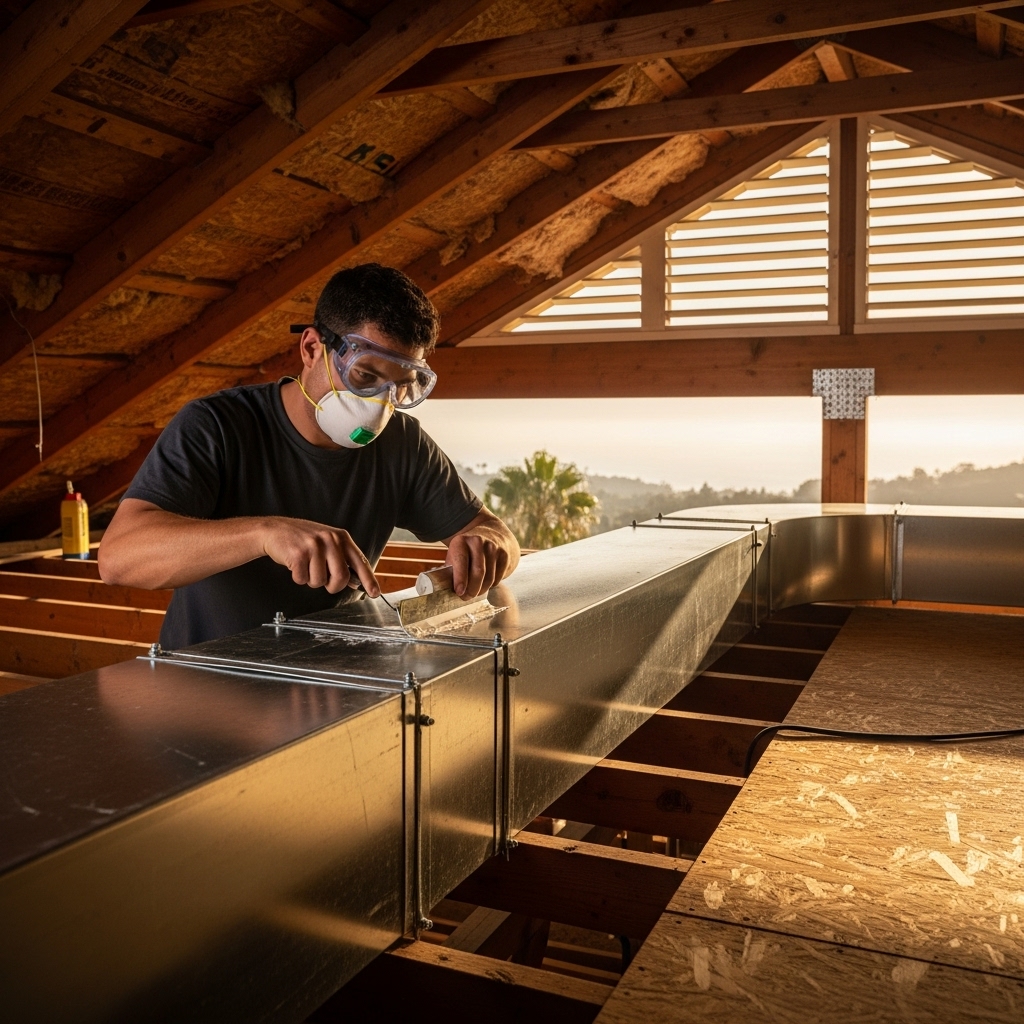
Living in Malibu brings a unique mix of ocean breezes, hillside microclimates, and homes that range from mid-century beach cottages to contemporary estates tucked into the canyons. Those conditions shape everything about your home’s HVAC system, particularly the ductwork that quietly moves heated and cooled air to the rooms where you spend your time. When homeowners ask what they ultimately pay for a duct replacement project, they are usually looking for more than a number; they want to understand the forces that push a job toward a more complex scope or keep it straightforward. In other words, you want to know what you are buying. That starts with a clear picture of the home, the local code environment, and the craft of the team you hire. If you are exploring options, it helps to read up on proven approaches to duct replacement so you can see how the pieces fit together for Malibu’s coastal climate.
In Malibu, we begin by looking at the building envelope and the spaces where ducts live. Many homes place the duct system in a vented attic that warms up under summer sun and cools quickly when winds pick up at night. That swing in temperature puts stress on materials and makes proper insulation and air sealing non-negotiable. Crawl spaces, common in older beachside properties, add a different challenge: moisture control, corrosion from salt-laden air, and access constraints. Each one of these environmental realities influences the time and materials required to do the job right, and that’s a central reason why two homes that look similar from the street can have very different duct replacement plans behind the scenes.
Another driver is the layout of the house and the number of conditioned zones. A single-story home with a simple roofline may allow more direct duct runs and fewer transitions, while a multi-level home with cathedral ceilings, glassy great rooms, and long runs to remote bedrooms will call for more careful design. Malibu’s architectural variety means your contractor must be fluent in Manual D principles—balancing friction rates, trunk sizing, and branch layout—so rooms at the far end of a run don’t starve for airflow on Santa Ana days. That design effort can be the difference between an installation that merely replaces what was there and one that actually solves comfort problems you have lived with for years.
Materials and methods matter as well. In coastal conditions, galvanized steel components, sealed with mastic and backed by mechanical fasteners, stand up better over time than tape-only connections. High-quality flex duct, when properly supported and pulled tight, can be a useful tool, but in Malibu’s windy and sometimes dusty environment, it needs careful handling to avoid compression, kinks, and sag that can rob your system of airflow. Insulation levels for ducts in attics should align with current energy code expectations, because the attic is often the harshest environment your ductwork will face. The goal is to keep the air you already paid to condition at the temperature you want as it travels through the system.
Local code isn’t just a box to check—it sets performance targets that protect your comfort and your utility bills. California’s energy code requires duct leakage testing for most substantial duct work, which means your contractor should schedule third-party verification to demonstrate that the new system is tight. In Malibu, that testing also doubles as a quality assurance step, catching issues early so you aren’t discovering a leak after the first big heat wave. The documentation and coordination around permitting and testing add steps to the process, but they also give you confidence that the installation meets a measurable standard.
Accessibility often surprises homeowners. If the attic has tight clearances, limited platforms, or obstructed pathways, it slows down safe, careful work. Likewise, crawl spaces with low clearance or areas with prior water intrusion make replacement more deliberate and methodical. The team may need to prepare safe staging, create temporary platforms, and protect living areas to keep debris and insulation out of your home. The care taken here doesn’t show in the final photos, but it shows in how the job feels: less dust, fewer disruptions, and a tidy workspace each day.
Then there’s the question of scope. Some projects are a one-for-one replacement with better sealing and insulation. Others unwrap a more complex story, such as undersized returns that have been whispering through vents for years. In those cases, right-sizing the return path, adding balancing dampers for room-level control, and updating supply diffusers to match the new design make a real difference. Malibu homes with open-plan living areas and wings for bedrooms benefit from zoning and thoughtful supply placement to avoid hot and cold spots. When a contractor explains why a return needs to move or why a branch should be rerouted, they are translating design into comfort.
Homeowners also ask about indoor air quality in the context of replacement. Coastal air brings moisture and salt; inland winds can carry dust and wildfire particles. A tight, well-sealed duct system helps keep outdoor contaminants out of your supply air, and it creates a stable platform for filters to do their job. If you have had persistent odors, visible dust at registers, or signs of past condensation, replacing the duct system is the moment to address those issues holistically. Good design specifies proper register types, boot sealing to the ceiling or floor, and insulation that prevents surfaces from dropping below dew point on cool nights.
Another point of conversation is noise. Malibu’s quiet nights are part of its charm, and a system that booms, whistles, or hums can break the mood in a hurry. Duct replacement is the perfect time to straighten runs, avoid sharp transitions, and add lined sections at strategic points to improve acoustic performance. Attention to plenum design and takeoff placement reduces turbulence before it can become a whistle at a bedroom register. If you’ve been living with a noisy system, this is the moment to insist on changes that make the house sound the way you want it to sound.
In the middle of every well-run project is communication. A strong contractor will map out the schedule, explain daily milestones, and show you progress photos from the attic or crawl space so you can see what’s changing even if you’re not climbing into those areas yourself. They will also discuss how to protect your home’s finishes, from drop cloths to careful register removal and reinstallation. If you want a sense of best practices that achieve durable results, explore resources on duct replacement and use them as a baseline for conversations with your installer.
Homeowners frequently wonder how long a duct replacement takes. In Malibu, most projects fit within a timeframe that accommodates permitting and testing, but the real variable is complexity and access. Protecting your home, building platforms, and completing proper sealing and insulation require time and patience. It’s better to pad the schedule slightly and finish cleanly than rush and miss the small details that make a system reliable for the long haul. The reward for that patience is a result you can feel in quieter operation, more even temperatures, and cleaner registers that don’t smudge surrounding surfaces.
Once installed, commissioning completes the story. Airflow measurements, static pressure checks, and balancing adjustments confirm that the design made it from paper to real life. If your contractor walks you through a summary of these tests, you will have a record that not only validates performance but also helps future technicians understand how the system was intended to operate. That documentation is invaluable if you later upgrade equipment or remodel a part of the home.
After the job, maintenance is about preserving the tightness and cleanliness you just paid to achieve. Filter changes on the schedule your system needs, quick visual checks at accessible boots and registers, and a glance in the attic after the first season of operation help ensure nothing shifted. Malibu’s coastal environment means hardware can age faster if it is not appropriately selected and protected, so stainless or coated fasteners in certain locations are more than a luxury—they are a sensible investment in durability.
As you think about what you pay for duct replacement in Malibu, remember that the true value is measured in comfort, air quality, and the quiet confidence that your system can handle whatever the ocean and canyons bring. You are paying for planning, materials that suit the environment, careful installation, verified performance, and the kind of communication that ensures there are no surprises. When those elements are present, the project feels less like a construction chore and more like a thoughtful improvement to the way your home lives every day.
FAQ: What factors influence the scope of a duct replacement in Malibu?
Scope is shaped by where the ducts run, how accessible those spaces are, the home’s layout, the materials selected for durability in coastal air, and any performance goals such as improved airflow to distant rooms or reduced system noise. Local energy code testing also affects scope because it demands airtight results. A thorough evaluation considers the attic or crawl space conditions, existing register locations, return sizing, and insulation levels before recommending a plan.
FAQ: Do I need a permit for duct replacement?
In most Malibu projects, yes. California’s energy code ties duct work to performance testing, and permits trigger third-party verification that your new system meets leakage limits. A licensed contractor typically handles this process, coordinates inspections, and provides you with final documentation. While it adds steps, permitting creates a record of quality that benefits you long after installers leave.
FAQ: How long does duct replacement usually take?
Timelines depend on access and complexity. Homes with straightforward attic access and simpler layouts may be quicker, while tight crawl spaces, multi-level runs, and design corrections add time. The schedule should include setup for site protection, demolition of old ducts, installation, sealing and insulation, cleanup, and final testing. Good contractors share daily goals so you understand what to expect.
FAQ: How will duct replacement improve my comfort?
Comfort gains come from right-sized trunks and branches, properly located registers, sealed and insulated runs, and verified airflow to each room. Many homeowners notice more even temperatures, quieter operation, and a reduction in dust streaks around registers. When returns are sized correctly and the system is balanced, rooms that once struggled in extreme weather become livable year-round.
FAQ: What about indoor air quality near the coast?
Coastal and canyon environments bring humidity, salt, and seasonal particulate from winds. A tight duct system resists infiltration from attics and crawl spaces, supports effective filtration, and reduces the chance of condensation. During replacement, you can address boot sealing to ceilings or floors, specify appropriate insulation, and select registers that minimize dust buildup. The result is cleaner supply air and less housekeeping around vents.
FAQ: Can I reuse any of my existing ductwork?
Reusing components is possible when materials are in excellent condition, runs are properly sized and located, and connections can be sealed to modern standards. However, many older systems have hidden deficiencies that make reuse a compromise. A candid inspection with photos will help you decide whether reusing a section makes sense or whether full replacement is the smarter long-term move.
FAQ: Will new ducts reduce noise?
Yes, if the design and installation address the sources of noise. Straightening runs, avoiding sharp transitions, properly sizing trunks and branches, and using lined sections at strategic points can lower turbulence and resonance. Register selection and placement also matter. Duct replacement is the ideal time to implement these fixes because the system is already open and accessible.
FAQ: How do I compare proposals without focusing on a single number?
Look for clarity in design intent, materials, insulation levels, sealing methods, testing and documentation, and site protection practices. Ask how returns will be handled, how airflow will be verified, and what post-install adjustments are included. A proposal that explains the “why” behind each choice often delivers a result you can feel and trust.
Ready to make your Malibu home more comfortable?
If you are weighing a duct replacement for a coastal or canyon home, start with a conversation that centers your comfort goals and the realities of your property. A thoughtful plan, careful installation, and verified performance will pay off every day you live with the system. When you are ready to take the next step, explore trusted guidance on duct replacement and connect with a team that treats your home with the care it deserves.