
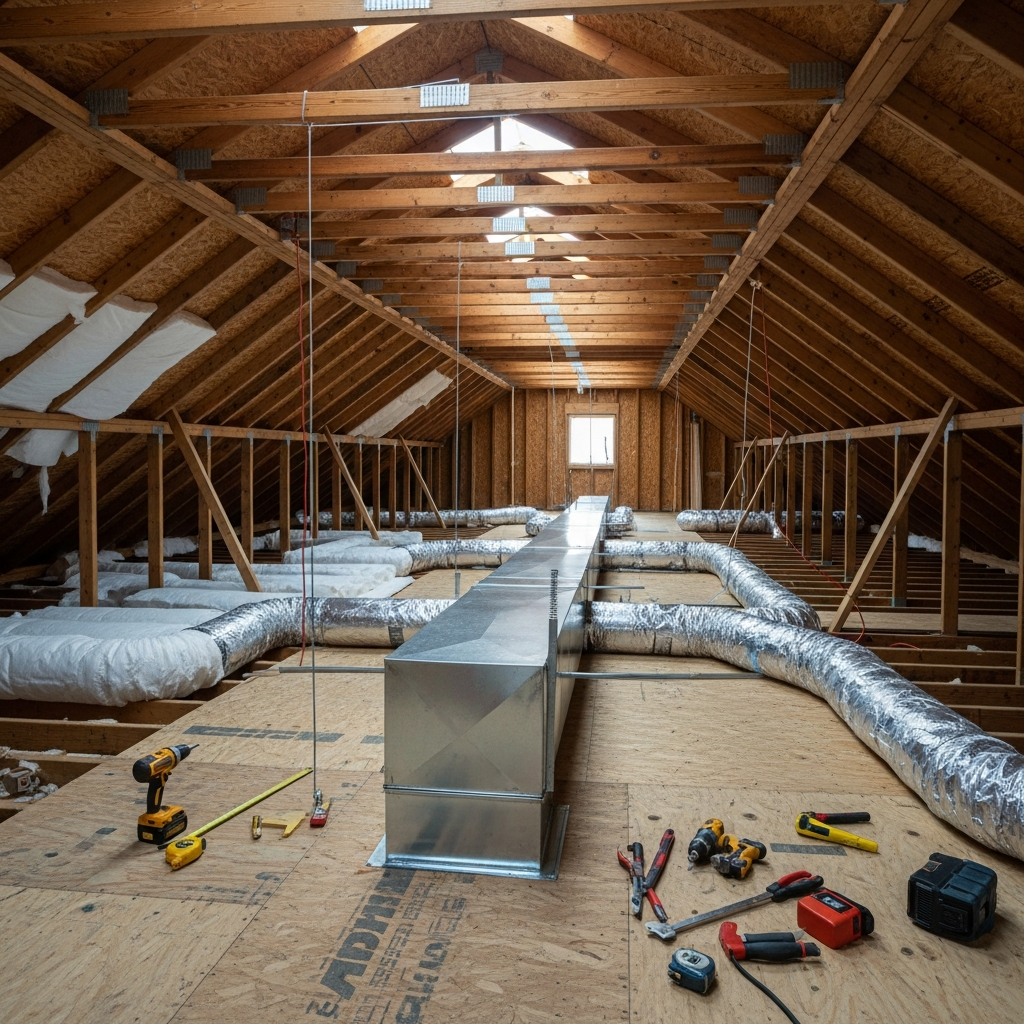
In Malibu, where marine layer mornings roll into sunlit afternoons and canyon breezes shape evening routines, the true measure of residential duct replacement is not a single dollar figure. It is the fit between your home’s architecture, the climate’s rhythms, and the craftsmanship that guides air quietly to every corner. When neighbors ask how to plan a successful project, I encourage them to start with purpose: What do you want your home to feel like? Once comfort, quiet, and reliability are defined, resources that explain duct replacement become much more useful, and proposals are easier to compare on substance rather than slogans.
Malibu’s housing is famously varied. A beachfront bungalow with a low-slope roof presents different pathways than a multi-level home tucked into the canyons. Attics can be slim and warm or wide and forgiving. Crawlspaces range from organized to intricate. These conditions influence not just how long a project takes, but how it should be designed for calm, consistent airflow. In practice, that means routing decisions, insulation levels, and sealing strategies are tuned to your structure and the microclimate that surrounds it.
From Floor Plan to Airflow Plan
Great ductwork is a translation exercise. The floor plan tells you where people live in the home; the airflow plan tells you how comfort finds them without noise or drafts. Bedrooms that sleep with doors closed at night need balanced returns. Sun-warmed living spaces benefit from gentle diffusion that prevents hot spots late in the day. Kitchens and home offices call for stable, quiet supply even when activity peaks. Getting these details right is what shapes real-world value for Malibu families who prize serenity as much as scenery.
When you review proposals, look for evidence that the designer walked your home with intent. Routes should be chosen to minimize sharp turns, diameters should meet airflow targets without pushing velocity, and registers should match the room’s shape and use. If a design relies on guesswork rather than measurements and principles, it can leave you with noise, uneven temperatures, or a system that strains against its own constraints.
Materials, Insulation, and Sealing in a Coastal Climate
Materials are not just line items; they are the building blocks of quiet comfort. Metal trunks stabilize airflow across distance, while flexible ducts help navigate tight or irregular bays. Duct board can offer integrated insulation for select runs. The winning combination pairs low internal resistance with thicknesses of insulation that respect Malibu’s sunny roofs and cool evenings. The goal is to keep air at the right temperature on its journey and to guard against condensation during damp mornings.
Sealing is the quiet hero. Proper mastics and tapes at every joint, with mechanical fasteners where required, prevent invisible losses that rob rooms of comfort. Supports keep ducts round and true, minimizing turbulence and the rustle that signals high velocity or kinks. In our community, where winds funnel through canyons and salt air is part of daily life, these basics add up to durability and reliability—the qualities that keep you from thinking about your ducts at all.
Access, Aesthetics, and Respect for the Home
Malibu homes are often as artful as they are comfortable, so logistics matter. Attic hatches may be discreet, ceiling slopes may be low, and finishes may be delicate. A considerate crew plans protection for floors and furnishings, establishes clean pathways, and sets up safe platforms in tight spaces. This care is more than courtesy; it protects the ducts too. When installers can move confidently, they build straighter runs, make cleaner seals, and stage materials without crowding. The finished work looks better and performs better.
In renovations or additions, aesthetics can shape the solution. If a soffit is necessary to achieve proper routing, a designer’s eye can tuck it into a shadow line or align it with existing features. Register choices and placements can blend with the room’s visual language. The aim is for your home to finish the project looking exactly like itself—only more comfortable and calmer to live in.
Permits, Inspections, and Performance Verification
California’s energy standards encourage better sealing and insulation, and Malibu’s inspectors hold installations to that bar. Permits, inspections, and performance tests are not bureaucratic hurdles; they are quality controls that protect your investment. A clear plan will outline when inspections occur and what the team will show: clean terminations, consistent mastic, labeled dampers, and documented measurements. These steps keep the project honest and ensure that the promises made during design are realized in your ceilings and walls.
Homeowners gain two benefits from this process. First, you receive verification that the system performs to modern expectations. Second, you gain a baseline for future maintenance and upgrades. If, years from now, you add a smart thermostat or a higher-performance filter, the original test data will make fine-tuning faster and more precise.
Balancing, Noise Control, and Everyday Comfort
Comfort is not only a temperature number on a screen; it is the feeling of steady, unobtrusive airflow. Balancing dampers let installers tailor each room’s supply, while thoughtful return sizing prevents doors from thumping or whistling. Register styles matter too—some spread air widely, others throw it farther to counter solar gain. Malibu’s lifestyle, where windows swing open on pleasant days and gatherings expand into patios, rewards a system that can keep pace without intruding. You want to hear the ocean and conversations, not your ducts.
Noise control begins with design. Lower air velocities reduce turbulence, smooth fittings tame resonance, and supports prevent vibration. During installation, good crews listen as well as measure. A subtle rustle during testing can reveal a future annoyance, and small adjustments in routing or grille choice can resolve it before it becomes part of your daily soundtrack.
Project Flow: From Day One to Follow-Up
The project typically starts with protecting interiors, removing old ducts in a controlled way, and staging new materials where you can see key components before they are connected. Clear communication sets expectations for which rooms are affected and when. As trunk lines and returns go in, you can expect updates, photographs where helpful, and the chance to approve any pivots needed to handle surprises like tight bays or legacy fittings.
Once installation wraps, balancing and testing complete the picture. Walk the home with the installer, experience how it feels at night with bedroom doors closed, and observe the living areas during a sunny afternoon. A good team will fine-tune based on your impressions. Documentation follows—static pressure, any leakage tests, and notes on filter access and schedules. It is the handoff that ensures you live with confidence in the system you now own.
Designing With Tomorrow in Mind
Homes evolve. If you anticipate upgrading equipment, adding zoning, or enhancing filtration, build that path into today’s ducts. Oversized returns, accessible damper locations, and trunk dimensions that comfortably handle lower static pressure will welcome tomorrow’s improvements without major rework. Malibu families often modernize in stages; a duct plan that anticipates those stages protects your investment and saves time later.
Even if you do not foresee immediate upgrades, simply choosing materials and sealing practices that stand up to coastal conditions future-proofs your home. Robust insulation and secure supports resist the small movements and temperature swings that chip away at performance over time.
Mid-Research Reality Check
If you are comparing proposals and want to calibrate what you are hearing, step back and revisit practical explanations of air duct replacement. Those overviews provide a common language for discussing friction, velocity, returns, and testing. With that vocabulary, you can quickly identify which proposals honor the house you live in and which rely on assumptions that may not hold up in Malibu’s climate.
As you refine your decision, ask contractors to describe how they will protect finishes, sequence sealing and insulation, and verify results. The more precise the answers, the smoother your project will feel and the better your ducts will perform when the ocean breezes change direction.
Frequently Asked Questions
How do I know if I need a full duct replacement or selective updates?
Start with a detailed evaluation. If multiple branches are undersized, leaky, or poorly routed, a comprehensive replacement may deliver the best long-term performance. If issues are isolated, targeted replacement with sealing and balancing can be effective. The deciding factors are access, the age and condition of existing sections, and your performance goals.
Will new ducts make my home feel different right away?
Yes, often immediately. Quieter operation, more even room-to-room temperatures, and improved airflow to once-stubborn spaces are common outcomes. During the first week, live normally and note any spaces that still feel off. Minor balancing adjustments can sharpen the system to your routine.
How does Malibu’s environment influence duct choices?
Salt air, humidity, and microclimates push designs toward better sealing, resilient materials, and insulation that controls both heat gain and condensation risk. Attic work is sequenced around daily temperature swings to improve cure times and handling, which adds up to sturdier, quieter assemblies.
Can duct replacement help with allergens and smoke?
It can, especially when returns are properly sized and filter cabinets are set up for higher-efficiency media. Tight ducts reduce infiltration from attics and crawlspaces, and balanced airflow helps filtration do its job without straining the blower. Share your indoor air quality goals early so the design can support them.
What should I expect during inspections?
Inspectors typically review sealing, insulation, supports, and overall workmanship. A prepared team will present clear details and make any requested adjustments. This process confirms that your system meets modern standards and gives you confidence that hidden components were handled with care.
Do I need to leave the house during installation?
Most homeowners stay. Professional crews protect pathways, manage dust, and coordinate noisy tasks considerately. If any brief outages are necessary, they are scheduled and communicated in advance so your day remains predictable and comfortable.
Make Your Malibu Home Calm, Quiet, and Consistent
If you are ready to translate careful design into everyday comfort, connect with a local team that treats your home’s nuances with respect. Review clear, trustworthy information on duct replacement, then invite a thorough in-home assessment that maps routes, returns, and balancing to your lifestyle. With the right plan and craftsmanship, your Malibu home will feel centered and serene, season after season.