
Understanding residential duct replacement in Malibu
When Malibu homeowners ask about residential duct replacement cost, what they’re really looking for is clarity about what goes into a project and how to make smart decisions for their family and home. Malibu is a world of contrasts—beach cottages beside architectural marvels, ranch homes reinvented into modern retreats, and hillside properties shaped by views as much as by microclimates. That variety means an “average” figure rarely tells the full story. The good news is that when you understand the drivers—access, design, materials, and testing—you’re empowered to shape a replacement that delivers silent, even comfort in every room.
It helps to begin with the daily life of your household. Do bedrooms run cooler because ocean breezes hit certain walls? Do kids share a loft where warm air lingers? Is the home office tucked over the garage where heat builds during Santa Ana winds? These realities guide the duct plan more than any generic square footage metric. Early in the conversation, I like to walk rooms with you, note registers and returns, and get a sense for how your family moves through the home. Listening first leads to better results. From there, we talk about design, sealing, and the details of duct replacement that make a house feel balanced from morning to night.
Family comfort, not just equipment
Residential projects are about people—sleep, study, play, and the rhythms that make a house run smoothly. Many Malibu homes mix open great rooms with tucked-away suites, and ducts must bridge those differences without creating noise or drafts. A child’s room that whistles or a primary suite that cools too quickly can wear on a family. During replacement, we simplify runs, reduce sharp turns, and size branches so each room receives its fair share. We pay special attention to returns because a quiet, generous return pathway keeps the entire system calm. Returns are the lungs of a home; when they breathe easily, everything feels easier.
Filtration is another residential priority. Seasonal smoke, dust during dry spells, and salt-laden air along the waterfront make cleaner indoor air a real quality-of-life upgrade. The duct plan should assume an efficient filter and still preserve healthy airflow. That means choosing return grille sizes and duct routes that won’t choke when a higher-efficiency filter is installed. It also means making filter access practical so you actually keep up with it in busy months.
Malibu-specific home layouts
In Malibu, we see plenty of cathedral ceilings and glass walls that flood rooms with light and views—and heat. Strategic register placement and throw direction matter in these spaces. For homes with mezzanines or lofts, we may add a supply to temper rising warm air or adjust the register style to push airflow where stratification is worst. On the coast, vented attics can be low and irregular, which pushes us to design with graceful curves to reduce resistance. In canyons, crawlspaces vary widely; some are roomy and easy to navigate, others require careful staging and compact tools. The route we choose impacts noise, performance, and the overall feel of the home.
If your property has an accessory dwelling unit or a converted garage, we look for ways to integrate it without starving the main house of airflow. It’s common to find older ducts stretched to serve new rooms without resizing. Replacement is the perfect moment to correct that, ensuring the main rooms remain comfortable while new spaces feel fully part of the home.
What shapes a residential estimate
While we avoid quoting numbers in a conversation like this, we can talk openly about scope and complexity. A straightforward attic replacement with good access, simple runs, and adequate existing returns is one kind of project. A multi-level home with tight crawlspace access, long runs to distant rooms, and a desire for quieter operation near bedrooms is another. Add in filtration upgrades and a redesign of return pathways, and you have a clear picture of why residential duct work is personal. Malibu’s coastal climate also encourages material choices that resist corrosion and endure moisture swings, all of which are part of the conversation.
Permitting and energy standards matter too. Title 24 requirements guide how we test leakage and verify performance, and Malibu’s permitting teams expect modern standards to be met. That’s a benefit, because those standards align with the quieter, cleaner operation most families want anyway. HERS testing at the end of the work confirms the system is tight and delivering air where it should.
The process: clear, calm, and family-friendly
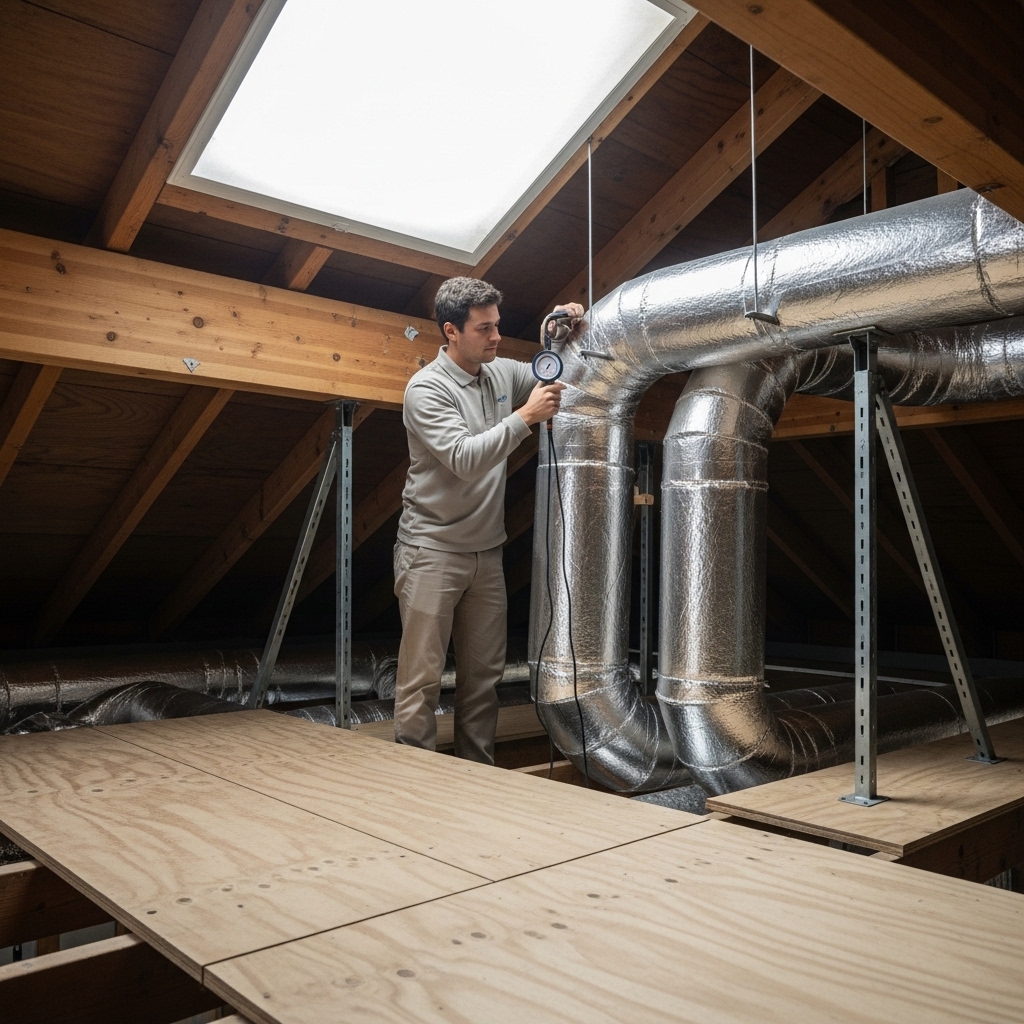
We start with a thorough evaluation. I check static pressure, look at how returns breathe, and note where registers are fighting the architecture. Photos help you see what we see in areas you wouldn’t visit daily. The design phase is collaborative—if a teenager studies in a loft and needs whisper-quiet evenings, we make that a design priority. If the nursery gets a little chilly on marine layer mornings, we plan a gentle fix. Installation is staged to keep bedrooms restful and living spaces usable. Floors and furnishings are protected, and daily updates make sure there are no surprises. At the end, we test and balance, then walk the home together so you know how to adjust and what to expect in the first week.
Safety and cleanliness are fundamental. We manage debris, seal off openings during demolition, and vacuum before we go so fibers stay out of your living space. Pets are a big part of Malibu life, so we plan gates or closed doors to keep curious companions safe and calm. If you work from home, we schedule noisy steps when it suits you, and we aim for a rhythm that respects nap times and meetings.
Materials that make sense for Malibu families
Quiet and durability tend to guide residential choices. Flexible runs, installed taut and supported, bring whisper-level operation to bedrooms. Rigid trunks carry air efficiently across open attics or long crawlspace spans. Insulation and vapor control protect against condensation and temperature swings, which you’ll appreciate during foggy mornings and hot afternoons. Sealing is non-negotiable; using long-lasting mastics and tapes keeps the system tight and efficient so dust and outdoor air stay where they belong—outside.
Grilles and registers deserve attention too. Some older Malibu homes have restrictive or noisy grilles that undermine a good duct design. Replacing them during a duct project is a simple way to reduce hiss and spread air more evenly. It also lets you align the look of the registers with your home’s style, from minimal to more traditional.
Designing for even temperatures
Residential comfort is measured in moments: bedtime, homework at the kitchen island, weekend breakfasts with doors open to the deck. We design for those moments. Balancing dampers help us fine-tune after installation, but the foundation is the right trunk and branch sizing, return placement, and register selection. Malibu’s microclimates make this especially relevant; a coastal living room can feel entirely different from a canyon-facing office just a hallway away. With thoughtful layout, you’ll feel a gentle, even environment instead of bursts of air that fade too quickly or miss the mark altogether.
In the middle of a replacement, homeowners sometimes ask whether a small reroute is worth it to avoid a tight bend over a hallway. Yes. Those little changes reduce resistance and noise and often improve delivery to the farthest rooms. It’s one reason I encourage on-site conversations as we go; the plan on paper meets the reality of trusses and joists, and small, smart adjustments elevate the whole outcome. That mindset is at the heart of good duct replacement in Malibu—design meets craftsmanship, and the home feels better because of it.
Living with your new ducts
Once the work is complete, you’ll notice quieter operation and steadier temperatures. We’ll walk through filter changes, note the sizes, and talk about a schedule that matches your lifestyle. If your family opens doors to the ocean frequently, you may want to check filters more often during windy or smoky periods. After a week or two, we’ll revisit any rooms you flagged and adjust dampers if needed. The goal isn’t just a successful installation; it’s a home that keeps feeling better the longer you live with it.
FAQ
What makes residential duct projects different from commercial ones?
Residential work centers on quiet, consistent comfort and daily routines. Bedrooms require gentler delivery, living rooms need broad, even throw, and returns must be generous yet unobtrusive. While the principles are similar, the noise expectations and the way families use spaces guide many design choices in homes.
Do I need to upgrade my returns during a duct replacement?
Often, yes. Many Malibu homes evolved through remodels without return pathways being resized. Expanding or adding returns lets the system breathe, reducing noise and supporting improved filtration. It’s one of the highest-impact changes we make during residential replacements.
Will new ducts help with wildfire smoke?
They can. A tight system with upgraded filtration limits smoke infiltration and cleans indoor air more effectively. We plan for filters that catch finer particles without strangling airflow. When outdoor air quality dips, you’ll have a system better equipped to protect the indoor environment.
How disruptive is the work in a family home?
With planning, disruption is minimal. We schedule noisier tasks when it suits your routine, protect surfaces, and keep bedrooms usable at night. Pet safety and clean work areas are priorities. Daily updates ensure you know what’s happening and what’s next.
Do I need to replace registers and grilles?
Not always, but it’s a smart time to assess them. Restrictive or noisy grilles can sabotage a well-designed duct system. If we update them during the project, you’ll likely notice lower noise and better distribution, plus a cleaner look that matches your home’s aesthetic.
What should I expect after the installation?
Expect a calmer system. You’ll hear less rush at returns, feel steadier temperatures, and see less dust over time. We’ll review filter changes and revisit any rooms that need fine-tuning. Most families find that small adjustments after a week or two make the balance feel tailor-made.
If you’re ready to plan a residential project that fits the way your family truly lives, let’s talk. We’ll listen to your goals, evaluate the home carefully, and map a smooth path from first visit to final test. For a thoughtful, family-first approach to Malibu comfort, reach out and start with expert duct replacement designed for coastal living.