
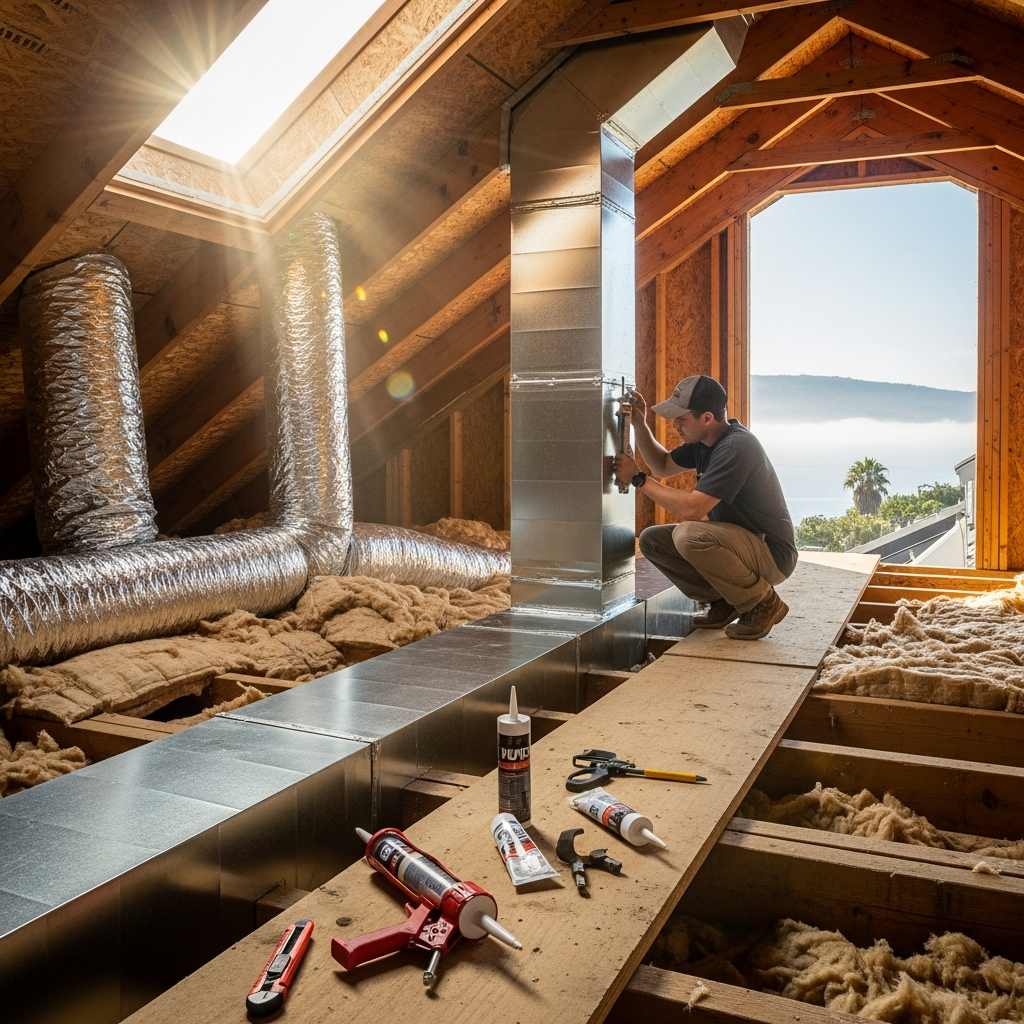
Life on the coast brings a rhythm all its own, from fog-draped mornings to sun-warmed afternoons and winds that shift direction with the tides. For Malibu homeowners, those changes are more than scenery; they shape how a home breathes. Nowhere is that more apparent than in the ductwork that carries heating and cooling through rooms spread across hillsides, canyons, and beachfront lots. When it is time to evaluate your HVAC ducts, approaching the project with a coastal lens is essential. Thoughtful design, durable materials, and meticulous sealing protect comfort and air quality in ways you will feel every day. If you are weighing your options, it helps to frame duct replacement as a foundation for reliable comfort that respects Malibu’s unique environment.
Coastal homes live with salt in the air, elevated humidity at dawn, and strong sunshine by afternoon. Attics heat quickly, and crawlspaces collect moisture that tests the resilience of insulation and seals. Older homes may also show the imprint of past renovations, where new rooms were added without rethinking airflow or return capacity. When you combine coastal stressors with legacy design compromises, you get a system that works harder than it should and still leaves some rooms lagging behind. Replacing ducts offers a rare chance to reset the design so the system runs smoothly and the home feels balanced.
Designing for Malibu’s microclimates
Each neighborhood writes its own weather script. Close to the water, marine layers roll in and out, raising humidity levels that can condense on cold surfaces if ducts are poorly insulated or leaky. Inland canyons trap heat and dust, and hilltop sites stand in the path of winds that infiltrate any gap they can find. An effective coastal design accounts for all of this with careful sizing, routing choices that avoid unnecessary bends, and insulation values that stabilize supply air despite attic extremes.
Return air is every bit as important as supply. Imagine asking a runner to breathe through a straw; that is what undersized or limited return pathways do to an HVAC system. In homes where additions expanded living space, returns often stayed the same. During replacement, adding or enlarging returns helps the system draw air evenly from the house, smoothing out temperature differences and reducing noise.
Materials and methods that stand up to the coast
Salt air accelerates corrosion, particularly at metal fittings, boots, and rooftop or exterior penetrations. Selecting components and fasteners that resist this environment protects longevity. Sealing is not an afterthought; it is the difference between conditioned air reaching your rooms or disappearing into attics and chases. Mastic applied generously at every joint and seam, combined with proper mechanical fastening, creates tight systems that perform consistently. Support spacing for flexible runs prevents sagging that adds resistance, and thoughtful radius at turns helps keep airflow steady and quiet.
Insulation values should reflect where ducts live. In attics that see intense afternoon heat, higher insulation reduces temperature gain on supply air. In crawlspaces with moisture, insulation that resists absorption and well-sealed vapor barriers minimize condensation risk. Malibu’s microclimates demand a level of attention to detail that pays off in comfort you notice and materials that age gracefully.
Air quality in a coastal setting
Coastal life brings clean breezes, but it also brings fine salt particles and seasonal wildfire smoke. Duct design that supports effective filtration, without choking airflow, becomes a pillar of indoor air quality. When returns are appropriately sized and duct routing minimizes pressure drops, the system can carry a higher-performance filter while keeping the blower happy. That combination reduces dust on surfaces, helps sensitive occupants breathe easier, and keeps the home smelling fresh even on days when outdoor air is less than ideal.
Ventilation also belongs in the conversation. Some homes benefit from dedicated fresh air strategies that temper and filter outside air before it enters main living spaces. Replacement is a natural moment to consider these options, aligning ductwork, filtration, and ventilation into a coherent plan that fits your routine and your home’s envelope.
Replacing ducts in expanded or remodeled homes
Malibu has no shortage of homes that grew over time. A primary suite over the garage, a studio carved from a portion of the lower level, or a glassy living room add-on facing the sea—each change rebalances how air needs to move. During duct replacement, you get an opportunity to resolve mismatches left by past projects. That may include creating a dedicated return in a wing that never had one, resizing branches to reach extended rooms without starving original areas, or rerouting runs to avoid tight bends introduced during a remodel.
Zoning can be helpful when a home’s layout and usage patterns call for it, but it must be designed smartly. Older zoning strategies that rely on crude bypasses can create pressure problems. A careful redesign focuses on correct duct sizing for each zone, appropriate damper control, and return pathways that prevent one part of the house from struggling while another thrives.
Balancing and verification: the final proof
The transformation from plan to result happens during balancing and testing. After ducts are installed and sealed, technicians measure static pressure, verify airflow at key registers, and adjust dampers so rooms receive what they need. This is where designs are validated and small tweaks make a big difference. You should expect a walkthrough that explains damper positions, shows readings that confirm performance, and ensures you know how to operate any new features such as improved filtration or ventilation controls.
Quiet operation is a byproduct of good balancing. When air no longer fights tight turns or surges through undersized branches, you hear less rushing or whistling. Bedrooms near the roofline remain calmer at night, and living spaces feel composed even as the equipment cycles.
Attic and crawlspace realities
Working in Malibu attics is equal parts art and safety. Walkable pathways protect both crews and your ceilings below. Maintaining insulation coverage, preventing debris from spreading, and sealing around penetrations all matter. In crawlspaces, proper support for ducts, rodent-resistant sealing, and moisture awareness are crucial. These areas are out of sight but central to performance; a conscientious team treats them with the same care as visible living spaces.
Access drives pacing. Tight attics and low crawlspaces extend timelines; high, open spaces allow faster progress. Reliable teams make this clear upfront so you are never left wondering where the day went or why the schedule shifted.
Living with the results
Once the work is complete, you will feel the difference most in rooms that were previously stubborn. Afternoon heat in upper floors softens, ocean-facing rooms stay more consistent, and equipment cycles become less dramatic. Filters last closer to their expected interval because the system is no longer drawing in dust from leaks. You may also notice quieter mornings when marine layers lift and the system no longer ramps aggressively to overcome poor duct performance.
Keep an eye on maintenance basics: timely filter changes, clear return grilles, and quick attention to any odd noises. Malibu’s conditions are beautiful but demanding; your new ducts will reward steady, simple care.
Planning and communication
Successful projects begin with clear goals. Share your comfort priorities, any allergies or sensitivities in the household, and how spaces are used across the day. Good contractors translate those priorities into design decisions, then keep you updated as the work unfolds. Expect daily summaries, photo documentation in hidden spaces, and a final package explaining the new layout and how to operate any added features.
In the middle of the planning phase, it can be useful to step back and reconnect the technical details with the lifestyle outcomes you want. Talking through duct replacement in those terms keeps the project focused on results that make mornings, afternoons, and evenings feel better throughout the year.
FAQ
Why do coastal homes need special attention during duct replacement? Salt, humidity, wind, and intense attic heat accelerate wear on materials and expose weak sealing. Designs and materials that anticipate these stressors hold performance steady.
Can new ducts reduce odors or musty smells? Yes. Tight sealing limits infiltration from attics and crawlspaces, while better return design and filtration help keep indoor air fresher.
Will duct replacement make upstairs rooms more comfortable? Proper sizing and balanced routing frequently resolve the persistent warmth often felt in upper floors, especially in homes near the coast where sun exposure is significant.
Is zoning necessary in coastal homes? Not always. When a home has distinct usage patterns or architectural separations, zoning can help, but it should be designed with careful attention to duct sizes and return pathways.
How long does a typical project take? Timelines vary with access and home complexity. Tight attics or multiple levels require more time; open spaces and straightforward layouts move faster.
What testing should I expect after installation? Static pressure readings, airflow measurements at registers, and a walkthrough of damper positions and system operation are standard.
How can I keep my new ducts performing? Replace filters on schedule, keep returns unobstructed, and ask for periodic inspections of attic or crawlspace penetrations, especially after wind events.
Will the work be disruptive? Crews aim to protect surfaces, control dust, and maintain predictable daily schedules. Some rooms may be off-limits briefly, but communication minimizes surprises.
Make your coastal home breathe easier
If you are ready to bring your Malibu home into balance with a design that respects ocean air, hillside winds, and the realities of sun-baked attics, start a conversation with a local team that treats testing and verification as essential. Share your goals, ask for documentation, and expect a plan that reads like a roadmap to everyday comfort. When you want to move from ideas to action, explore professional duct replacement and schedule a tailored assessment that turns coastal challenges into calm, consistent airflow.