
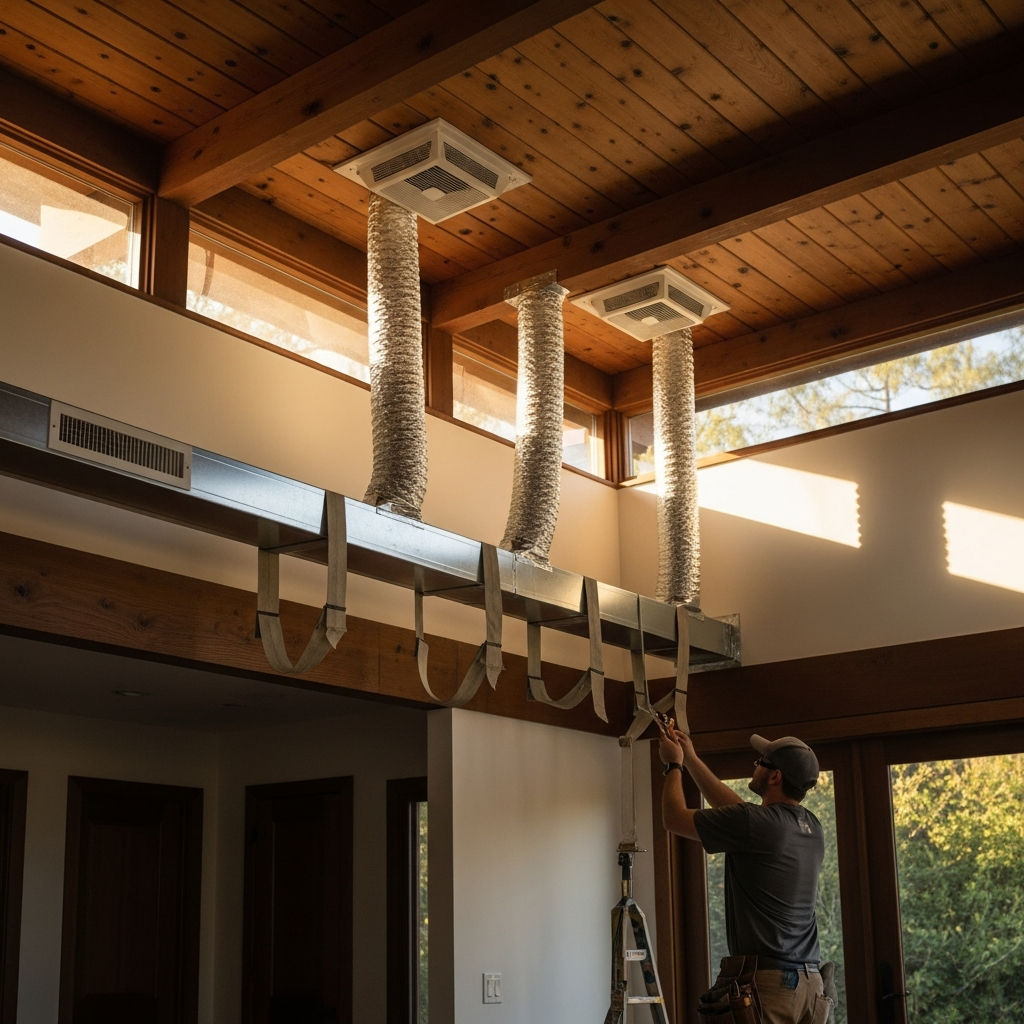
Older homes in Malibu hold stories in their beams and floorboards. Some began life as modest beach cottages and grew over time; others are midcentury gems with clean lines and exposed ceilings; still others are hillside retreats with rooms added as families expanded. With age and evolution comes a patchwork of systems, and ductwork often tells the most complicated story. When Malibu homeowners consider replacing ducts in an older house, they balance preservation and performance, asking how to respect the home’s character while making everyday comfort quieter, cleaner, and more reliable. The goal is not to change what makes the house special; it is to make the air move the way the home deserves. If you are contemplating this kind of project, start by grounding yourself in the basics of duct replacement so your conversations with a professional feel clear and confident.
Living in an older Malibu house means learning its rhythms. The morning marine layer lingers in north-facing rooms, while afternoon sun brightens and warms south- and west-facing spaces. Floors creak differently when the air is dry, and the upstairs bedroom can run warm even when the ocean breeze feels cool outside. All of these nuances influence duct design and replacement choices. In many older homes, ducts were added during a renovation or tucked into whatever space existed at the time. That often leaves long, winding runs, undersized returns, and mixed materials that no longer serve the home’s layout. Replacement offers a chance to set things right.
Assessment in Older Structures
Every project begins with a careful assessment that respects what is already there. In older houses, access points may be limited. Attics can be shallow or segmented by additions, crawlspaces narrow, and chases hidden behind decades of thoughtful carpentry. The assessment maps existing runs, notes sizes, and documents where ducts enter rooms. It also looks for telltale signs of wear: dust trails that mark past leaks, crushed flex segments, and joints that have separated or were never properly sealed. In Malibu’s coastal environment, inspectors watch for corrosion on metal fittings and signs that humidity has affected insulation or created condensation around diffusers.
Design intent is the other pillar of assessment. How does the family use the home? Which rooms matter most for quiet, even comfort? Where does the sun spend its energy during the day? Many older homes benefit from added or enlarged returns that allow the system to breathe without noise. Bedrooms tucked under pitched roofs often need careful supply placement to avoid drafts while still addressing warm afternoon air. The assessment is a conversation as much as a measurement, and it sets the tone for a respectful update.
Designing for Character and Comfort
The design phase is where preservation meets performance. Malibu’s older homes often feature architectural details that deserve protection. Exposed beams, original wood ceilings, and vintage grilles shape where ducts can go and how they should look. A thoughtful design uses a sturdy, cleanable trunk for main runs and short, well-supported branches to diffusers that complement the room. Register selection matters; choosing a style that echoes the home’s era keeps the upgrade quiet visually as well as acoustically.
Quiet operation is a frequent priority in older homes. Returns that are sized appropriately and located sensibly can reduce background noise to a whisper. Smooth transitions, gentle elbows, and support spacing that keeps runs round help the system hum along without calling attention to itself. Because Malibu’s climate can shift between cool mornings and warm afternoons, the design often prioritizes balance over aggressive airflow, favoring steady comfort across the day.
Materials and Methods that Respect the House
Older homes reward careful hands. Removal of existing ductwork is done with attention to finishes and structural elements, preserving access and preventing damage. New trunks are hung level, branches supported on wide straps, and every joint sealed with mastic. In a coastal environment, corrosion-resistant components and continuous insulation reduce the chance of future issues. Where ducts pass through unconditioned spaces, vapor barriers help prevent condensation and the stains that sometimes appear around diffusers or grilles.
Many older Malibu homes have had multiple mechanical eras, resulting in a mix of metal, flex, and sometimes creative routing. Replacement is a chance to simplify. Straightening runs, eliminating unnecessary elbows, and ensuring that branches are as short and smooth as possible all contribute to better performance. In practice, these improvements translate into quieter rooms, even temperatures, and a system that feels like it belongs to the house rather than an add-on.
Working in Tight Spaces
Access in older houses can be the hardest part. Shallow attics limit maneuverability, and crawlspaces may have reduced clearance. Crews plan staging carefully, protect finishes, and move methodically to avoid collateral damage. Malibu’s mix of weather means that morning fog or afternoon heat can also influence work windows. Coordination with the homeowner about daily start times and areas of focus keeps the project comfortable for everyone.
In some homes, hidden chases offer opportunities. A stack that once served a chimney or a closet corner can provide a pathway for a new return. Identifying these options is part of the craft. A seemingly small adjustment, like shifting a grille to a better wall, can improve both performance and aesthetics without altering the character of the room.
Air Quality Considerations for Older Malibu Homes
With age, materials produce different scents, and homes by the ocean can carry a hint of salt in the air. Older ductwork sometimes harbors dust or has damaged interior linings that add unwanted odors. Replacing ducts resets the system’s interior, providing clean surfaces for airflow and supporting filtration that captures fine particles. Malibu homeowners also pay attention to seasonal factors like wildfire smoke or windy days when canyon dust moves. A well-sealed return and appropriately sized filter cabinet help the system maintain indoor air clarity even during challenging conditions.
Because many older homes retain original windows and doors, the building’s envelope may be leakier than new construction. That makes duct sealing and balancing even more crucial. A tight duct system prevents the HVAC from drawing unfiltered air through attic or crawlspace gaps, which is particularly valuable in coastal environments where humidity can add to discomfort.
Permits, Inspections, and Documentation
Older houses benefit from careful documentation. Replacement generally involves permits and inspections that verify duct sealing, insulation, and airflow targets. For homes that have evolved over decades, this documentation becomes a reference point for future owners or projects. It also provides peace of mind that the upgrade meets current expectations for energy performance and safety.
During inspections, small details like properly sealed penetrations and accessible junctions matter. These details reduce pest entry points, limit dust migration, and keep the system easy to maintain. Malibu’s oversight is designed to support quality, which aligns perfectly with the goal of honoring an older home through thoughtful work.
Testing, Balancing, and Living with the Results
Once the new ducts are in place, testing and balancing bring the design to life. Supplies are set to deliver the right airflow to each room, and returns are tuned to keep the background sound gentle. The finished system should feel effortless: bedrooms that cool evenly, living rooms that maintain comfort without drafts, and hallways that no longer echo with a rush of air. Malibu homeowners often notice quieter mornings and a more consistent feel across rooms that previously felt disconnected.
After a few weeks, it is wise to revisit the system. Seasonal shifts and living patterns sometimes reveal a minor imbalance that can be corrected with a damper adjustment or a register tweak. The goal is a system in harmony with the home’s daily life, responding gracefully to open windows, sunny afternoons, and cool ocean evenings.
Preservation-Focused Choices
Respecting an older home means making choices that blend in. Register style, grille size, and placement should complement existing trim and finishes. In some cases, a custom return grille or a carefully selected linear diffuser suits the architecture without drawing attention. These choices make the functional upgrade feel like it has always belonged, a seamless improvement that supports the home’s charm rather than competing with it.
Homeowners sometimes worry that replacement will alter the look of a beloved room. With planning and sensitivity, the opposite is true. The most successful projects reduce visual clutter by simplifying duct paths and using discreet registers that allow architectural features to shine. The reward is a home that looks like itself and feels better every day.
Mid-Project Discoveries and Add-Ons
Older houses guard secrets. A replacement project can uncover a blocked chase, a long-abandoned duct run, or insulation that hides past repairs. These discoveries are normal and often present opportunities to improve the design. For example, reclaiming a sealed chase might allow for a right-sized return that lowers noise in the main living area. Adding a short branch to a once-neglected nook can make the space usable year-round. Malibu homes thrive on small, thoughtful improvements that enhance daily life.
As decisions arise, it can be helpful to anchor back to your original goals. Is quiet your priority, or do you want to focus on balancing a particularly sunny room? Revisiting the fundamentals of duct replacement keeps the conversation grounded. Because older homes are unique, there is often more than one good solution; the best one is the solution that fits your home’s personality and your family’s habits.
Frequently Asked Questions
Q: Will replacing ducts in an older Malibu home damage original finishes? A: With careful planning and protection, finishes can be preserved. Experienced crews stage work to avoid unnecessary openings and use existing access where possible, prioritizing the home’s character.
Q: Can I keep my vintage registers? A: In many cases, yes, especially if they are in good condition and appropriately sized. If airflow or noise is a concern, a subtle upgrade may be recommended that matches the style of the original.
Q: How do older additions affect duct design? A: Additions often create long or awkward duct paths. Replacement is a chance to simplify routes and rebalance airflow so that rooms added later feel as connected as the original spaces.
Q: Will new ducts make the house quieter? A: Properly sized returns, smooth transitions, and well-supported runs significantly reduce background noise. Many homeowners are surprised by how much calmer the home sounds after replacement.
Q: What about coastal humidity and salt air? A: Material choices and insulation strategies account for Malibu’s coastal conditions. Corrosion-resistant components and continuous insulation help protect the system and maintain comfort.
Q: Do I need a permit? A: Duct replacement typically involves permits and inspections. This process verifies the quality of the installation and provides documentation for future maintenance or sale.
Q: How long will we be without heating or cooling? A: Schedules vary by access and scope. Teams often plan work in phases to minimize disruption, communicating daily about which areas will be affected and when.
Q: What should I do after installation? A: Live with the system for a couple of weeks, then provide feedback. Small adjustments can fine-tune balance and sound, ensuring your older home feels just right.
If your older Malibu home is ready for a quieter, cleaner, and more even kind of comfort, this is a rewarding project. Start with a conversation about your goals, walk through the house with an eye for character, and shape a plan that honors what you love while elevating how the home feels. When you are ready, explore the essentials of duct replacement and schedule a site visit. A thoughtful update today will let your home breathe the way it was meant to for years to come.