
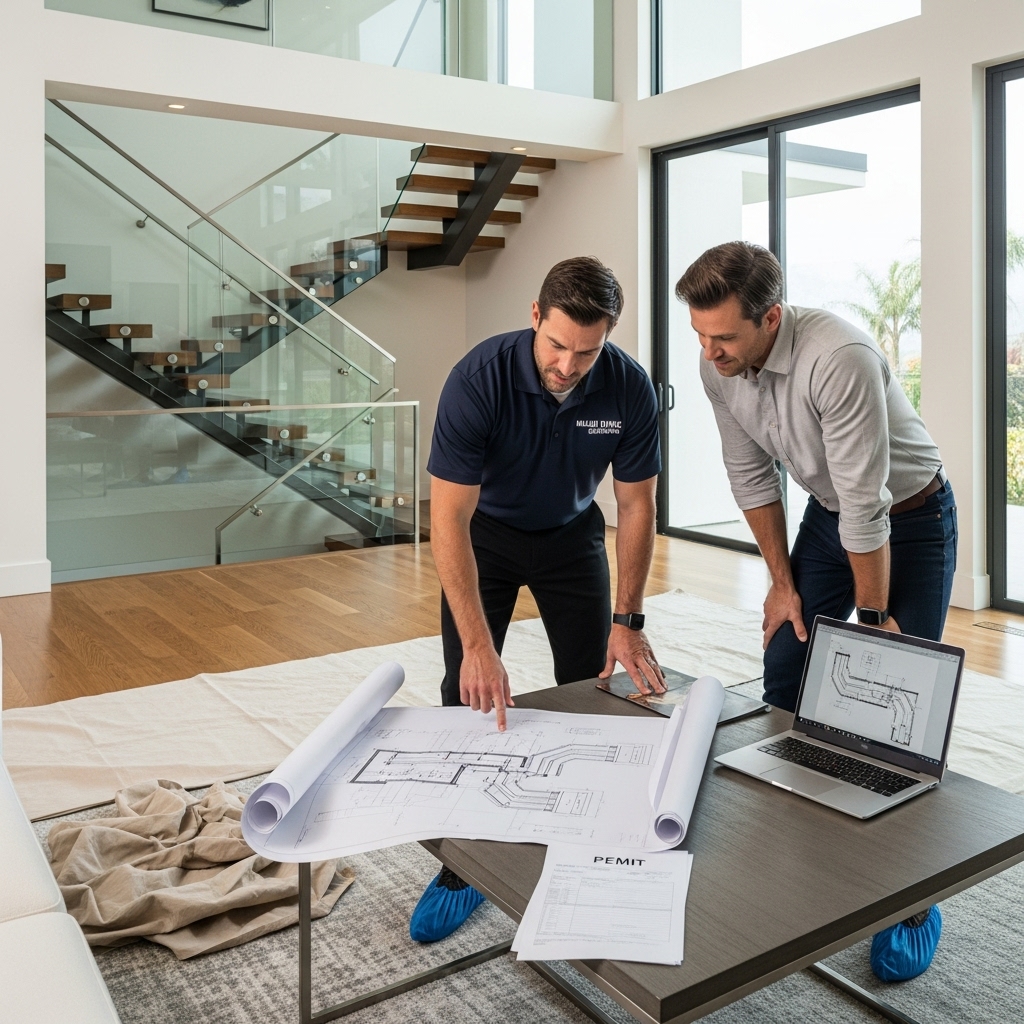
Choosing the right professional for duct replacement in Malibu is less about flipping through a directory and more about finding a specialist who understands the microclimates, building styles, and code requirements that define our coastal community. From sea-level bungalows that wrestle with salt air to hillside properties with long, winding runs tucked into tight attics, the right contractor will approach your home as a one-of-a-kind system. Before you make calls, it helps to understand what licensing means in California, how insurance protects you, and what a well-managed project looks like from the first attic photo to the final test report. If you want a concise primer while you explore your options, look into best practices for duct replacement to set your expectations and sharpen the questions you bring to consultations.
Start with licensing. In California, duct work falls under the purview of licensed HVAC contractors, and a current license number is your first filter. Licensing signals that the company has passed state requirements and agrees to operate under specific rules that protect consumers. Just as important is proof of general liability and workers’ compensation insurance. Malibu’s terrain and access conditions can make attic or crawl space work physically demanding, and you want confirmation that the crew on your property is covered, trained, and accustomed to safe practices.
Next, consider the contractor’s fluency with design. Duct replacement is not a like-for-like swap; it is an opportunity to correct long-standing issues such as undersized returns, starved rooms, and whistling registers. Ask how the contractor approaches design calculations, including Manual D for duct design, and how they verify airflow after installation. A strong answer will mention static pressure checks, balancing adjustments, and third-party verification where required. The details matter: a cleanly sealed boot to the ceiling, proper insulation levels, and tight joints backed by mastic and mechanical fasteners are signs of a craftsperson who cares about outcomes.
Malibu’s building and fire codes add layers to the process, and an experienced contractor will navigate them without drama. Expect a discussion about permits and testing requirements tied to energy code compliance. In many projects, duct leakage testing is mandatory and must be performed by a qualified third party. Your contractor should schedule this, coordinate inspections, and turn over documentation at the end of the job. The point is not just compliance; it’s performance that you can measure and feel.
Site protection is another hallmark of a professional team. Replacing ducts can stir up dust and insulation, particularly in older attics. Your contractor should explain how they will protect flooring and finishes, isolate work areas, and keep registers and grilles clean during demolition and installation. Malibu homes often feature high-end finishes and open living spaces, so the plan for entering and exiting the home, staging materials, and daily cleanup is part of the value you receive.
Communication separates a smooth experience from a chaotic one. During your initial visit, notice whether the contractor listens to your comfort concerns and asks follow-up questions. If you mention a room that always runs hot in the afternoon or a register that hums at night, do they investigate the route of that branch and propose a fix? Do they take photos in the attic or crawl space and share them with you on the spot? Transparency builds trust, and a contractor who shows their work at this stage is more likely to maintain that transparency throughout the job.
References from Malibu or neighboring coastal communities help you see how the contractor adapts to local conditions. Homes near the ocean demand materials that resist corrosion and sealing strategies that account for humidity and salt. Homes in canyons may need longer runs with careful support and tensioning of flex duct to avoid sag and friction losses. Ask whether the team has solved problems like insufficient returns in open-plan living areas or supply placement that causes drafts. Concrete examples reveal competence more clearly than generic assurances.
The proposal you receive should read like a roadmap, not a mystery. Look for a clear scope of work that explains demolition, sealing methods, insulation levels, register replacement or reuse, return modifications, platform work in the attic, and testing. A good proposal will identify any discovered issues that may require adjustment, such as hidden water damage, rodent intrusion, or inadequate clearance for safe access. It should also spell out what the team needs from you, such as access to the thermostat, safe ladder placement, and a defined staging area for materials and debris.
When reviewing options, try to avoid focusing on a single line item. Think in terms of performance and longevity. How will the new design improve airflow to far bedrooms? What steps will reduce noise in media rooms and home offices? How does the plan protect ceiling and floor materials around register boots? And how will the team document results? The more specific the answers, the more confident you can be that the finished product will serve you well year-round.
Midway through your research, it is useful to look at independent guidance and translate it into practical questions. As you read up on duct replacement, note how recommendations align with what you are hearing from local contractors. If you see gaps, ask about them. A willing, thoughtful response suggests a partner you can trust with your home.
Once the job begins, a licensed contractor runs the project like a sequence: protect, remove, build, verify. Protection starts with drop cloths, register covers, and safe pathways. Removal is careful and methodical—sections come down cleanly to minimize debris. Building means right-sizing trunks and branches, straightening runs, adding supports, sealing every joint, and insulating to the proper level for the attic or crawl space conditions. Verification completes the loop through airflow measurement, static pressure checks, balancing, and mandated leakage testing. When you see that sequence, you can relax, knowing there’s a process that catches issues before the system is closed up.
After completion, your contractor should walk you through photos and test results, point out key features, and review maintenance steps. Malibu’s environment rewards small habits: replacing filters on schedule, a quick visual inspection at the change of seasons, and a look at accessible boots to ensure seals remain intact. If the contractor leaves you with a summary report and a few practical tips, you have more than new ducts—you have a clear path to keeping them performing the way they’re designed.
Hiring is ultimately about fit. You want a team that understands Malibu’s blend of salt air, sun, and terrain, has the credentials to protect your home and your investment, and communicates like a partner. With those elements in place, duct replacement becomes a well-managed upgrade rather than a disruptive project. The quiet, even comfort that follows is the best evidence that you chose well.
FAQ: Why does licensing matter for duct replacement?
Licensing indicates the contractor has met state requirements and is accountable to a regulatory body. It is your first check for professionalism and a prerequisite for obtaining permits and coordinating required tests. A licensed contractor also tends to be more current on code changes, which is critical in California where energy performance rules evolve.
FAQ: What insurance should a contractor carry?
General liability and workers’ compensation insurance protect you and the crew. Duct replacement involves ladders, attic platforms, and power tools in constrained spaces. Proper coverage ensures that if an accident occurs, it does not become your problem. Ask for certificates and verify that the policy names and numbers match the company you are hiring.
FAQ: How can I judge a contractor’s design skills?
Listen for a discussion of Manual D principles, static pressure targets, and how airflow will be verified. Ask how returns will be sized, where balancing dampers will be placed, and how noise will be addressed. A contractor who brings photos, sketches, or digital models to the consultation is signaling that they think in systems, not just components.
FAQ: Will the contractor handle permits and testing?
Yes, a reputable Malibu contractor expects to manage permits and schedule any third-party verification tied to energy code compliance. They should build testing into the project plan and provide documentation at the end. You should not have to chase paperwork or coordinate inspectors yourself.
FAQ: How do I compare proposals beyond the bottom line?
Look at scope clarity, materials and sealing methods, insulation levels, planned return modifications, site protection details, commissioning steps, and documentation. Proposals that explain the “why” behind each choice are usually from teams that deliver measurable, long-term performance.
FAQ: What should I expect during the project?
Expect a protected workspace, careful removal of old ductwork, clean routing and support of new runs, thorough sealing and insulation, daily cleanup, and clear communication about milestones. At the end, expect measured results and a walkthrough that leaves you confident operating and maintaining the system.
FAQ: How can I minimize disruption to my household?
Agree on work hours, entry points, and staging areas in advance. Move delicate items from rooms with registers, and make sure pets are secured. A good contractor will adapt to your routines and keep living areas functional while work occurs mostly in attics or crawl spaces.
Ready to work with a licensed Malibu specialist?
If you want a team that treats your home with respect and delivers verifiable results, start the conversation today. Ask for credentials, expect a thoughtful design, and insist on a clear plan from protection to final testing. When you are ready to move forward, review best-practice guidance on duct replacement and choose a partner who will make the process smooth from day one.