
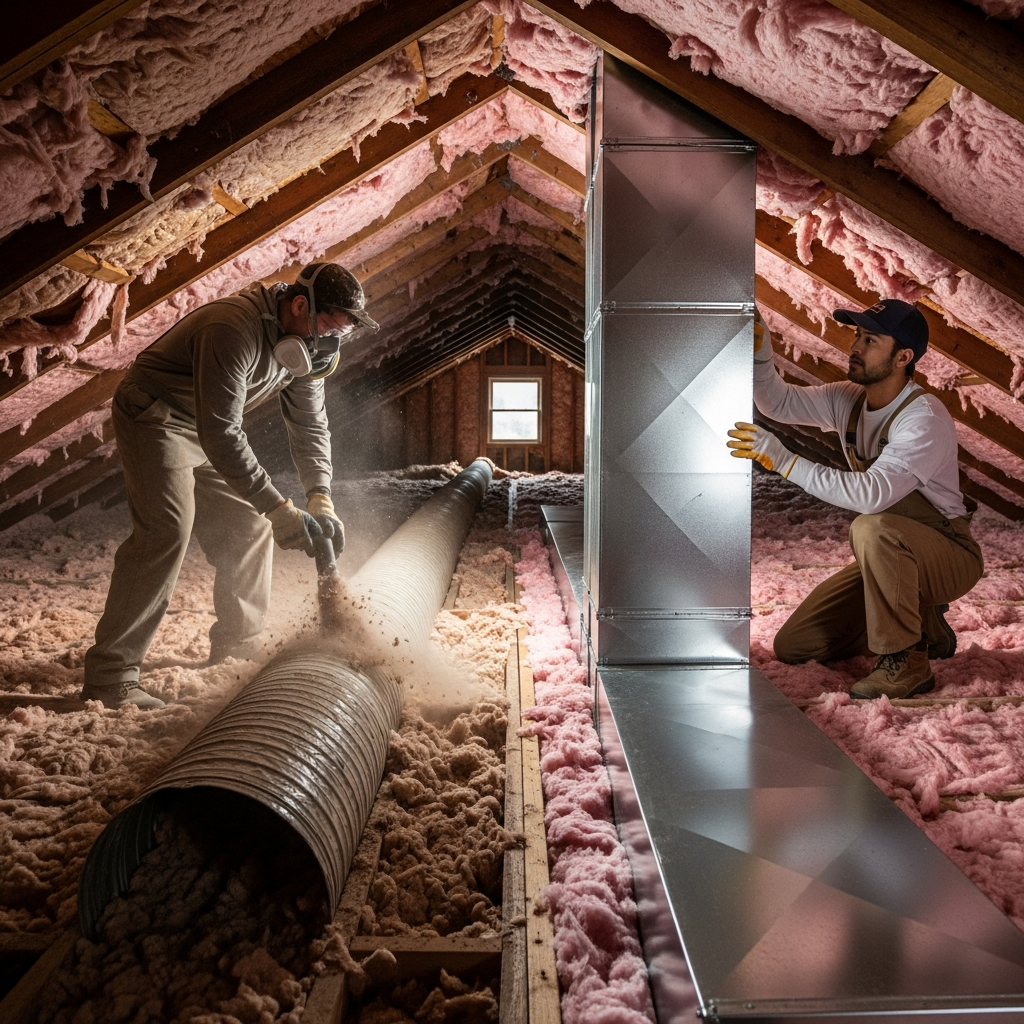
In Malibu, where mornings can begin with fog and end with a warm, golden breeze, homeowners often ask a practical question about their HVAC systems: Is it time to replace the ducts, or will a thorough cleaning do? The answer depends on what you see, hear, and smell, and on how the home feels across a full day of living by the coast. The choice is not just technical; it is about health, comfort, and the way air moves through a house that grows warm in the afternoon and cool in the evening. Before you decide, it helps to understand how duct systems age in our climate and what an inspection can reveal. If you want to ground your thinking, you can start with a clear overview of duct replacement to appreciate where cleaning fits and where replacement becomes the wise move.
Ducts are the pathways that connect your living spaces to the equipment that conditions the air. Over years, those pathways can gather dust, suffer bumps and compressions, and, in some cases, begin to separate at joints. Malibu’s environment adds its own signature. Near the ocean, salt air encourages corrosion on exposed hardware. Inland, canyon winds can blow fine dust that sneaks into attics and crawlspaces. During certain seasons, smoke from distant fires can linger in the air, and some of that air passes across duct exteriors and through small leaks. Understanding how all this shows up in your home helps you decide whether a cleaning is sufficient or if the system’s structure needs an overhaul.
When Cleaning Makes Sense
Cleaning targets removable dust and debris inside ductwork and at registers and returns. If the ducts are fundamentally sound—properly sealed, structurally intact, and well supported—cleaning can refresh the system’s interior. This is especially true when a home has recently completed a renovation that left construction dust in the air, or when you have evidence of surface-level dust accumulation at registers and grilles but no sign of crushed runs or leaking joints. In Malibu, where windows are often open and sea breezes move through the home, dust can settle near vents without indicating a structural problem. In those cases, a careful cleaning, paired with filter maintenance, may be all you need.
Cleaning also makes sense when odors are minor and appear to come from dust in the ducts rather than from moisture issues or damaged insulation. After a windy week, for example, you might notice a faint dusty scent when the system starts. If the duct interiors are intact and dry, cleaning can remove that dust and restore a fresher feel. The key is confirming that the duct system is tight. If the returns pull from unconditioned spaces due to leaks, cleaning may provide only temporary relief because dust will continue to enter through gaps.
When Replacement Is the Right Choice
Replacement addresses underlying problems that cleaning cannot fix. Crushed or severely kinked flex runs restrict airflow and generate noise. Undersized or poorly routed trunks create pressure imbalances that no amount of cleaning will resolve. Damaged or degraded interior linings can harbor persistent odors or flake into the airstream. In Malibu’s coastal conditions, evidence of corrosion on fittings or persistent condensation around diffusers can signal issues that call for a redesign, not a scrub.
You should also consider replacement when there are consistent comfort issues across multiple rooms, especially if those rooms differ in exposure to sun and breeze. When the upstairs runs hot in late afternoon and the main level lags behind thermostat changes, it is often a sign that the duct layout and sizing are out of step with the home’s needs. Replacement allows for rebalancing, better return placement, and improved insulation along runs that pass through hot attics or cool crawlspaces.
What an Inspection Tells You
An inspection begins at the registers and returns. Are there dust streaks on the ceiling or around grille edges? That can indicate leakage upstream. Is there an audible rush or whistle from the return? That can suggest an undersized grille or constricted path. In the attic or crawlspace, inspectors look for joints that were sealed with tape rather than mastic, long unsupported spans of flex that sag and flatten, and signs of past leaks where dust has collected on insulation. In older Malibu homes, remodels sometimes rerouted ducts around new walls, introducing sharp elbows and long detours. Each of these signs points to the kind of improvement needed; some are cleaning issues, but many are design issues that only replacement can solve.
Inspectors also evaluate insulation and the risk of condensation. In coastal humidity, underinsulated ducts can sweat near diffusers, leaving faint rings on the ceiling. Replacement gives you the chance to establish continuous insulation and to ensure that vapor barriers are intact, protecting both comfort and finishes. The inspection will also consider how easy it is to access the ducts. Tight crawlspaces and shallow attics are common in Malibu, and access influences the approach and timeline.
Air Quality and the Malibu Environment
Indoor air quality is often central to the decision. When ducts are clean and sealed, filtration does its job. When they are leaky or damaged, unfiltered air from attics or crawlspaces can be drawn into the system, bringing dust and odors. During smoke events, a sealed return path is especially important. If you have noticed lingering odors that persist after cleaning or after replacing filters, it may be a sign that the duct interior materials are degraded or that the system is pulling air from unintended spaces. In such cases, replacement is usually the right path.
In homes near the beach, salt air contributes to the wear of exterior components and can influence interior conditions around ductwork over the long term. While cleaning can remove loose dust, it cannot address structural wear. Replacement with corrosion-resistant components and attention to insulation and sealing protects the system against the coastal environment.
Comfort, Noise, and Everyday Living
The most immediate difference homeowners notice after a successful replacement is the feel of the air. Rooms balance more quickly, background noise softens, and the system works with the house rather than against it. If you have become accustomed to a roaring return or a bedroom that never quite feels cool at sunset, those are design issues. Cleaning will not change grille sizes or straighten a long, serpentine run; replacement will. In contrast, if your system is already well-behaved and the only complaint is a dusty smell after a windy week, cleaning may be sufficient.
Noise can be a useful guide. A return that roars suggests restriction. Vents that hiss loudly can indicate high velocity due to undersized ducts. Replacement allows for resizing and adding returns, while cleaning simply clears the pathway as it exists today. In Malibu’s relaxed living spaces, the goal is a system that you hardly notice, one that keeps the indoor environment steady while life flows from kitchen to deck and back again.
Decision-Making Framework for Malibu Homes
Think about the home in three layers. The first layer is cleanliness: dust on registers, light odors after windy days, and visible debris that accumulates over time. Cleaning addresses this layer well. The second layer is integrity: sealed joints, supported runs, and unbroken insulation. If this layer is compromised, cleaning becomes a short-term fix. The third layer is design: proper sizing, sensible routing, and returns that match the way you live in the home. When design is off, replacement provides the canvas for a better system.
As you weigh choices, include how you use the house. If you host frequently, focus on the rooms that carry most of the load. If you work from a home office, prioritize quiet returns and consistent airflow in that space. Malibu’s microclimates mean that the same home can feel completely different between morning and evening, so plan for balance across the day rather than chasing a single moment of comfort.
Timing and Preparation
Schedule matters. Cleaning can often be completed quickly with minimal disruption, while replacement requires planning to protect finishes, access ducts, and coordinate inspections. In both cases, preparing the space helps. Clearing areas around returns, moving stored items in attics, and noting any delicate finishes make the process smoother. Coastal mornings can be damp; afternoons can be warm. Coordinating start times to align with these patterns is part of the craft in Malibu.
After replacement, spend a couple of weeks paying attention to how the home feels at different times of day. Adjustments at dampers and registers can fine-tune balance. After cleaning, adopt a filter schedule that suits the season and your household habits. Both paths benefit from periodic check-ins to ensure the system continues to serve you well.
Misconceptions to Avoid
One common misconception is that cleaning can fix persistent comfort issues. If rooms remain uneven or returns are loud, cleaning alone will not change the underlying physics. Another misconception is that replacement always requires significant changes to the look of the home. In reality, many replacements in Malibu use existing openings and registers, preserving the home’s appearance while transforming performance. Finally, some believe that coastal humidity means ducts will always struggle. With proper insulation, sealing, and routing, a Malibu duct system can be both resilient and unobtrusive.
Middle-Ground Solutions
Sometimes the right answer is a combination. Targeted replacement of damaged sections, resizing or adding a return, and then a thorough cleaning of the remaining ducts can deliver strong results. This approach respects budget and time while addressing the most impactful issues. If a single long flex run is the culprit behind a noisy bedroom, replacing that segment with a smooth, supported route and then cleaning the rest can change the daily experience dramatically.
Hybrid approaches work particularly well in homes that have seen multiple small renovations. Fixing bottlenecks, sealing leaks, and bringing insulation up to a consistent level can turn a patchwork system into a coherent one. The goal is always the same: even comfort, quiet operation, and clean air that suits Malibu’s relaxed living.
Frequently Asked Questions
Q: How do I know whether odors are a cleaning issue or a replacement issue? A: If odors fade quickly after the system runs or after a filter change, cleaning may suffice. Persistent odors, especially from specific vents, can indicate damaged duct interiors or leaks that draw air from unconditioned spaces, pointing toward replacement.
Q: Will cleaning help with dust that appears after windy days? A: It can, provided the system is tight. If returns or joints leak, dust will continue to enter from attics or crawlspaces. Sealing or replacement may be needed to secure the pathway before cleaning can have lasting impact.
Q: My return is very loud. Should I clean or replace? A: Loud returns often indicate restriction or undersizing. Cleaning may help if debris is the cause, but most of the time, resizing or adding a return as part of replacement is the real solution.
Q: What about homes near the beach? A: Coastal homes benefit from corrosion-resistant components and attention to vapor barriers and insulation. Cleaning addresses dust, but replacement ensures the system is built to handle humidity and salt air over time.
Q: Does either path change my energy usage? A: A tight, well-designed duct system reduces wasted effort by the air handler and can make temperature changes feel easier. Cleaning supports efficiency when the system is already tight; replacement achieves it when the system is fundamentally leaky or poorly designed.
Q: Can I do part of the work now and part later? A: Yes. Many Malibu homeowners phase work, addressing the most significant issues first. A plan that sequences targeted replacements, sealing, and later cleaning can be effective.
Q: How disruptive is replacement compared to cleaning? A: Cleaning is typically quicker and less intrusive. Replacement requires access to attics or crawlspaces and coordination with inspections. Good planning minimizes disruption in both cases.
Q: What should I ask during an assessment? A: Ask for clarity on leakage points, airflow measurements, and where design bottlenecks occur. Understanding these items helps you choose between cleaning, targeted repairs, or full replacement.
If you are ready to breathe easier at home, begin with an honest assessment and a clear conversation about your priorities. Review the essentials of duct replacement, then schedule an inspection. Whether you choose a careful cleaning, a targeted fix, or a full redesign, a well-chosen path will reward you with quieter rooms, balanced temperatures, and a fresher feel that suits Malibu’s coastal life.