
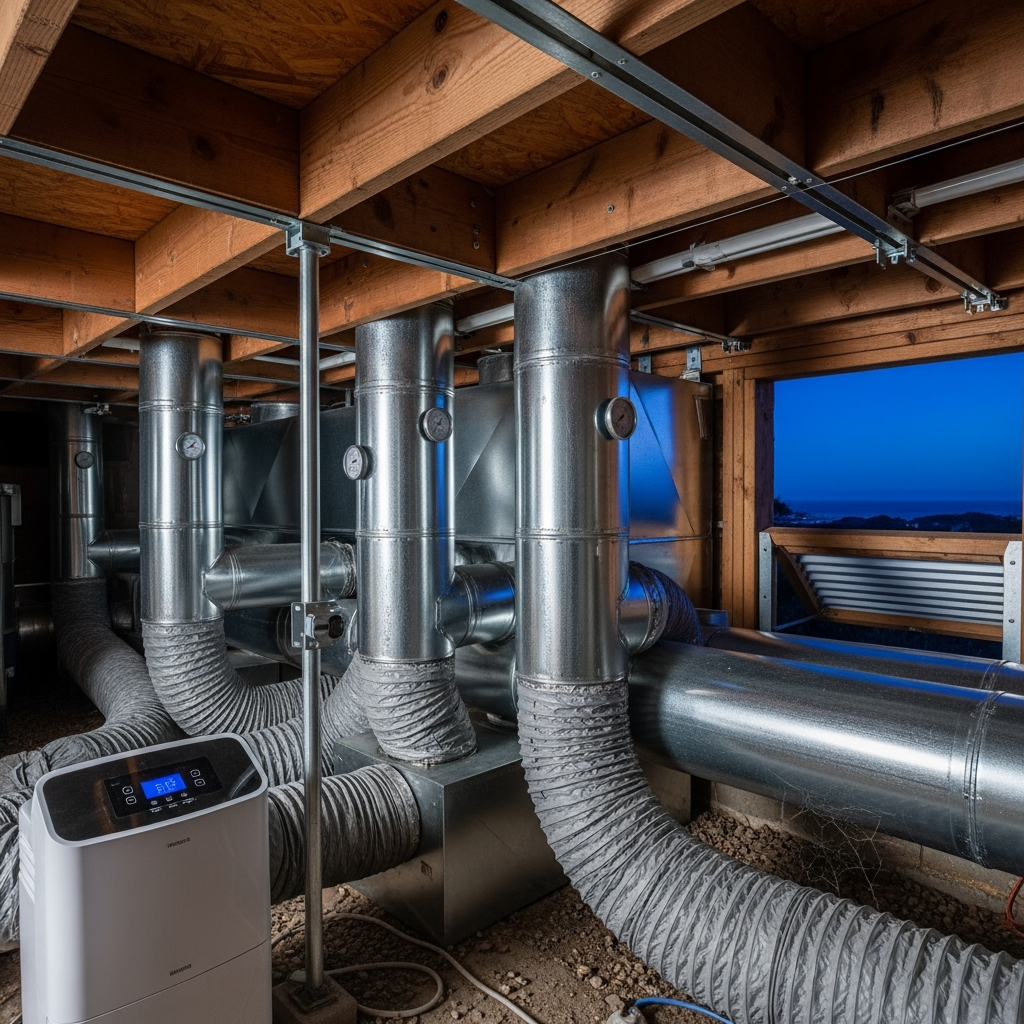
Life by the water shapes everything, from the morning routine to the materials that keep a home comfortable. In Malibu, the same salt air that cools evening walks can quietly challenge duct systems tucked in attics and crawlspaces. Marine layers bring moisture that condenses on cold surfaces, hillside winds nudge exterior terminations, and the blend of modern and legacy architecture makes routing air a careful craft. For coastal homes here, renewing the ductwork isn’t just about swapping old for new; it’s about tailoring a network that respects the climate, the structure, and the way you live. If you’re at the start of that conversation, it helps to ground the basics with resources that decode terms and testing, and to glance at how today’s best practices in duct replacement serve Malibu’s coastal realities.
Begin with coastal physics. Salt-laden mist settles on exterior metals and can work its way into semi-exposed chases. Over time, unprotected hardware and thin coatings fatigue. Moisture from marine layers sneaks into attics overnight, meeting cool ducts in the morning and inviting condensation when insulation or vapor barriers are mismatched. Winds that race through canyons change pressure at exterior walls, testing the tightness of leaky networks and pulling unfiltered air from dusty spaces. The antidote is design woven with materials and methods that stand up to these forces without calling attention to themselves.
Material selection is the opening move. Rigid metal ducts, sealed and insulated correctly, offer smooth airflow and durability, especially on mains that traverse long spans. Where flexible duct is appropriate—those short, gentle connections—it should be supported generously and routed with wide curves to preserve diameter and quiet flow. Insulation facings must match the environment; the goal is to protect supply temperatures and keep surfaces above dew points that invite condensation. Exterior terminations benefit from corrosion-resistant caps and thoughtful placement that avoids salt-heavy zones when possible.
Returns are the lungs of the system, and in coastal homes, their design influences both air quality and sound. A right-sized return cabinet with room for a deeper filter media captures particulates more effectively without throttling airflow. Placement matters: away from kitchens and baths where odors and moisture are common, and in spots that calm the soundscape of open living areas. This is where a coastal sensibility meets daily life—returns that breathe easily help the whole system stay relaxed and quiet, even as winds and weather outside shift.
Routing is part art, part physics. Malibu’s coastal homes often feature window walls, vaulted ceilings, and long, open rooms that dazzle the eye but challenge air distribution. A well-planned system uses supply locations and diffuser choices that wash glass gently, blend air without drafts, and maintain even conditions from one end of a space to the other. At the same time, routes are chosen to protect against exposure—away from vents that might draw salty air into semi-conditioned chases, and supported to prevent sag or vibration that telegraphs through quiet rooms.
Sealing and verification are non-negotiable near the ocean. A tight system resists the tendency of windy days to pull unfiltered air into returns or to push conditioned air through cracks into dusty cavities. At the end of the project, measurements matter: duct leakage testing, static pressure checks, and airflow verification prove the design is doing its job. That data also serves as a baseline for future checkups, a helpful anchor in a climate where materials and weather have a long relationship.
Coastal living also nudges decisions about filtration. Fire season smoke, seasonal pollen, and salt aerosols all become part of the filter’s workload. Systems designed for deeper, higher-efficiency media capture more of what you don’t want to breathe without over-restricting the system. The result is a home that feels fresher, with dust that settles more slowly and mornings that don’t carry yesterday’s air into today.
Access and protection shape the workday realities. In Malibu, some coastal attics are airy and straightforward; others are tight and woven around skylights, beams, and artistic structure. Crawlspaces range from roomy to modest. A coastal-savvy crew knows how to stage materials carefully, shield finishes from salt and dust, and sequence work to limit open exposures. They’ll also coordinate with roofers, insulators, or solar teams when joint timing keeps disruption down and access up.
If you’re considering equipment changes alongside ducts—say, a transition to a heat pump—coastal considerations multiply in helpful ways. Duct design will support the equipment’s airflow profile, diffuser selection will prioritize gentle mixing over jetting, and returns will be aimed at quiet capture. Planning ahead now for zoning or filtration upgrades avoids opening spaces later, and it ensures the network you build today will serve across equipment lifecycles.
One of the quiet joys of coastal-ready ductwork is sound. The absence of hiss at a register, the calm at a return that no longer labors, the gentle wash of air over a seating area—these are signs of a system aligned with its environment. Achieving that soundscape takes detail work: easing transitions in rigid mains, selecting diffusers that spread air broadly at lower velocities, and avoiding sharp bends or unnecessary reductions that provoke turbulence. Over time, the reward is a home whose comfort is felt rather than announced.
Durability doesn’t have to look industrial. With the right materials and craftsmanship, ducts and registers tuck into the architecture. Coated metals and stainless hardware at exterior terminations do their job quietly. Insulation facings match the home’s tonal palette when visible in service areas. Support strapping is placed where it does the most good without stealing attention. In short, coastal resilience can be elegant.
When evaluating proposals for a coastal home, ask how each recommendation addresses salt, moisture, wind, and access. Look for a narrative that connects materials and methods to the daily experience you want: even temperatures across open rooms, clean morning air, quiet evenings. Proposals grounded in outcomes, with verification baked in, signal that you’re working with a team that sees the environment not as a challenge to fear, but as a context to respect.
What should you expect on installation days? A calm rhythm. Protection goes down first. Crews move methodically, removing tired sections and routing new runs with attention to structure and aesthetics. Sealing and insulation follow, then testing that turns craftsmanship into numbers. By the end, you’ll have both the feel of improvement and the data to back it up, along with notes and photos that make future service simple.
Maintenance becomes light and predictable. Filter changes happen on a comfortable schedule, and returns are easy to access. After blustery days or periods of heavy marine layer, a quick look at exterior caps and attic runs catches early signs of wear. With verification numbers in hand, seasonal checkups have a clear baseline, which speeds service and keeps performance steady.
Living by the coast is a gift, and your home’s ductwork should embrace it—resilient, quiet, and tuned to the daily ballet of marine layer mornings and sunlit afternoons. When the network is designed and installed with the ocean in mind, you spend less time thinking about vents and more time enjoying spaces that simply feel right.
Frequently Asked Questions
Do coastal homes always need special materials for ducts?
They benefit from thoughtful choices. Rigid mains with durable coatings, corrosion-resistant exterior hardware, and insulation facings matched to the space all add resilience. Not every component must be exotic, but details at seams, supports, and terminations matter more near the ocean.
Will a coastal-focused design make my home quieter?
Usually, yes. By smoothing routes, sizing grilles to lower velocity, and selecting diffusers that wash spaces gently, the system runs at calmer pressures. That reduces hiss and rattle, which many homeowners notice immediately.
How does the marine layer affect ducts?
Moist, cool air around dawn can condense on cold duct surfaces when insulation or vapor management is inadequate. Proper insulation, routing, and sealing keep surfaces above dew points and maintain steady supply temperatures.
Can I phase upgrades in a coastal home?
Absolutely. Many homeowners start with mains and returns, then refine branches and diffusers later, especially when coordinating with roofing or insulation projects. Each phase should include verification to lock in gains.
What signs suggest my current ducts aren’t coastal-ready?
Frequent dust, musty odors when the system starts, visible corrosion at exterior caps, or hissing registers are common clues. Testing and a visual survey will clarify whether targeted repairs or a broader redesign is warranted.
Will this help during wildfire smoke events?
Yes. A tight system with a right-sized return and deeper filter cabinet can capture more particulates and reduce infiltration, making indoor air cleaner during those episodes.
If your Malibu coastal home is ready for steadier comfort, cleaner air, and a calmer soundscape, it’s the right moment to map a design that honors both climate and architecture. Start a conversation grounded in verification and best practices, and explore the coastal-smart possibilities of modern duct replacement so you can enjoy ocean breezes outside and quiet, balanced comfort inside.