
When Malibu homeowners search for “duct replacement near me,” they are really searching for clarity—what happens first, who shows up, and how the house will feel once the work is finished. Living by the Pacific brings gifts and challenges: salt air, microclimates, canyon winds, and a deep appreciation for quiet interiors. If you are exploring your options, it helps to start with an overview of the process that blends design, craftsmanship, and communication. Once you understand the flow, you can pair that knowledge with reputable insights into duct replacement so your conversations with local pros are focused and productive.
The most successful projects treat your home as a unique environment rather than a generic floor plan. A contractor who asks about how you use your rooms, the hours you entertain, and whether you prefer windows open during shoulder seasons is a contractor preparing to tailor the design. Malibu homes span from beachfront bungalows to hillside estates, and each property offers different access to attics and crawlspaces. That is why expectations should include not only timeline and cleanliness, but also how choices about routing, insulation, and returns flow from the way you actually live.
The Initial Conversation and Home Walkthrough
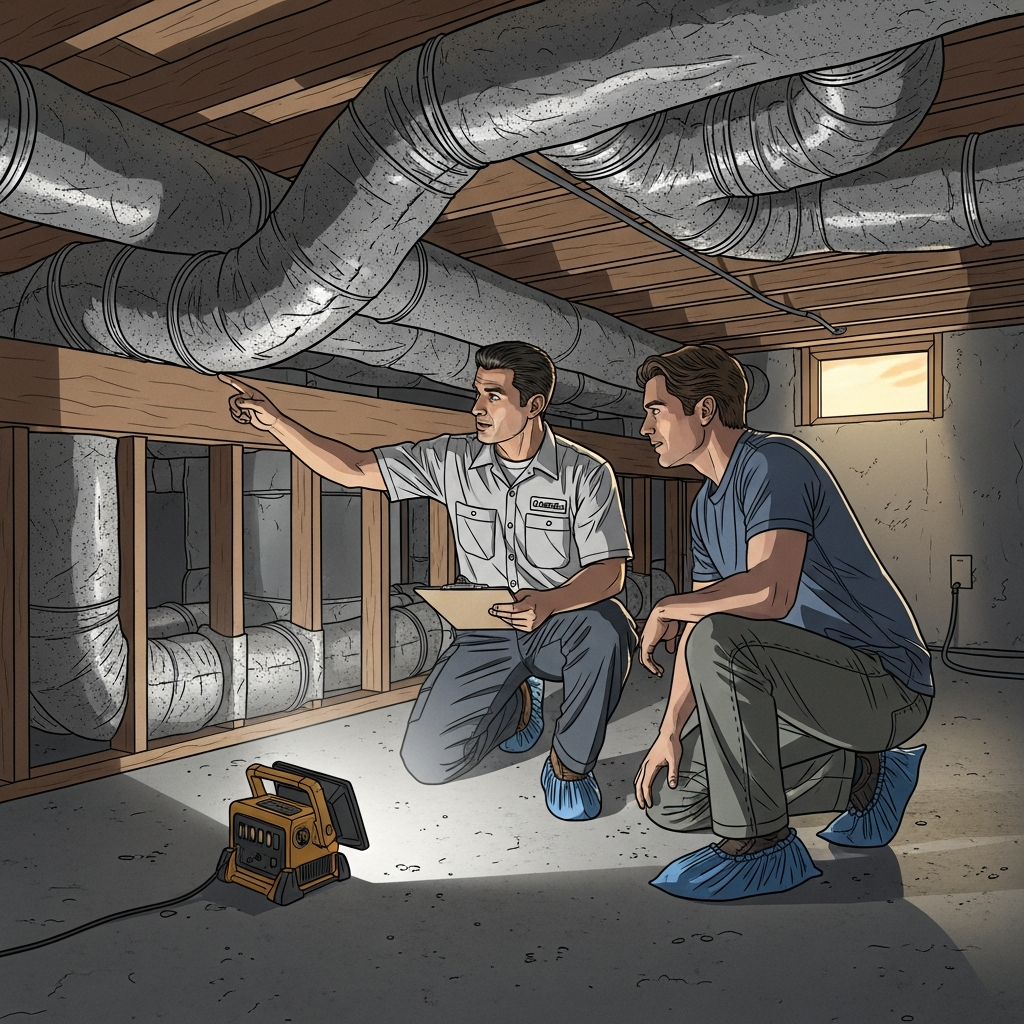
A good experience begins with a thoughtful walkthrough. Expect questions about rooms that feel drafty or stubbornly warm, about when doors are typically closed, and about any noise concerns that have bothered you. The contractor should inspect attic or crawlspace access, note obstacles such as low-slope framing, skylight wells, or existing wiring, and study supply and return locations. These observations shape the design, because ducts perform best when their paths are as smooth and direct as the structure allows. If someone quotes a figure before understanding these specifics, take that as a cue to slow down and invite a deeper look.
In Malibu, moisture and salt air are constant companions, so the assessor will also consider how insulation and sealing materials will hold up over time. The conversation should cover filtration goals if wildfire smoke or allergies are on your radar. By the end of this first visit, you should have a clear sense of the design priorities and the approach to balancing and verification testing once the work is done.
Proposal and Design Details
A strong proposal reads like a roadmap. It should explain trunk and branch routes, materials, insulation levels, and the plan for returns. Look for notes on how the crew will protect floors and furnishings, where materials will be staged, and how daily communication will work. If the plan mentions specific fittings to maintain gentle turns or to quiet airflow, treat that as a positive sign. Ductwork is the art of moving air without calling attention to itself; designs that respect velocity, friction, and resonance are the ones you will appreciate every day.
It is also worth asking how the ducts will accommodate future equipment changes or zoning. Malibu homeowners often invest in upgrades over time. Planning now for smarter controls, advanced filtration, or a heat pump transition can save rework later. These considerations rarely change the look of the home, but they influence trunk sizes, damper locations, and return capacity behind the scenes.
Permits, Codes, and Inspections
Permitting is part of most duct replacement projects and provides structure to the process. State energy codes emphasize insulation and leakage limits, while local inspectors ensure installations are safe and consistent. A capable contractor will obtain permits, schedule inspections at the right moments, and present the finished system with confidence. This is also a chance for you to ask final questions about access, filter changes, and the small maintenance habits that keep your system humming quietly.
Inspections are not just sign-offs; they are quality checkpoints. When installers demonstrate sealing integrity, proper supports, and clear labeling, you gain assurance that shortcuts were avoided. This transparency contributes to peace of mind in a community where homes often blend artful design with technical sophistication.
Preparing the Home and Project Day One
Before work begins, crews protect floors, cover furnishings in affected rooms, and establish clean pathways to attics or crawlspaces. Old ducts are removed carefully to limit debris. New lines are staged and dry-fit so you can visualize what goes where before final connections are made. In homes with tight access, temporary platforms ensure safe movement and protect finishes. Day one sets the tone: organized, respectful, and communicative.
Expect a brief review of the plan each morning and a summary at day’s end. When everyone knows which rooms are in play and what tasks are scheduled—such as installing trunk lines, setting returns, or insulating runs—the project feels predictable. Malibu families often continue their routines during replacement because professional crews schedule noisier or dustier tasks thoughtfully and keep work areas tidy.
Installation Nuances: Routing, Sealing, and Supports
The heart of the job is assembling ducts that move air smoothly, quietly, and efficiently. That means gentle-radius fittings where bends are unavoidable, mechanical fasteners at key joints, mastic and approved tapes for sealing, and hangers that keep runs round and true. In a low-slope attic, routing might require slim profiles and precise strapping. In larger spaces, a metal trunk can stabilize airflow to distant rooms. These choices, invisible after the registers are set, define how the system will feel through seasons of fog, sun, and wind.
Sealing and insulation demand equal attention. In our coastal climate, protection against condensation matters during cool mornings, while insulation guards against heat gain under afternoon sun. Quality control is as much about the order of operations—when to seal, when to insulate, and when to test—as it is about the materials themselves. Well-sequenced work provides better results with fewer surprises.
Balancing, Testing, and the First Run
When the new ducts are in place, the team balances airflow room by room. Dampers are set based on measurements, not guesswork, and registers are adjusted to diffuse air without drafts. Static pressure and leakage tests, where required, confirm that the system is performing to plan. This is your moment to walk the home with the installer, noting how bedrooms feel with doors closed, how the living room behaves under afternoon sun, and whether the system remains pleasantly quiet as it cycles.
Documentation matters here. A short report that records static pressure and any leakage testing gives you a baseline for future maintenance and assures you that the design intent was realized. You should also receive guidance on filter schedules and minor seasonal adjustments that keep the home steady and calm.
What If Surprises Arise?
Even in well-mapped attics, an unexpected joist block or legacy fitting may pop up. The difference between a headache and a smooth pivot is communication. A good team will show you the issue, present options, and explain how each choice affects airflow, noise, and access. This collaboration keeps the project aligned with your priorities—quiet operation, even temperatures, and future flexibility—while respecting the home’s structure.
Weather can also nudge the schedule. Foggy mornings slow certain sealants, and hot afternoons change attic conditions quickly. Experienced crews plan around these rhythms, sequencing insulation and sealing for the best results. These refinements may sound small, but they compound into quieter ducts and sturdier seals.
After the Crew Leaves: Living With Your New Ducts
Take a few days to experience the home in typical patterns. Sleep with bedroom doors as you usually do, cook and entertain as normal, and notice the feel of each room. Most fine-tuning involves small damper adjustments or grille tweaks. The right installer will welcome a follow-up conversation, because your lived experience is the final ingredient that turns a solid installation into a perfectly tuned one.
Long-term, keep access paths clear, note filter changes on your calendar, and protect attic insulation if other trades visit. These habits help maintain the integrity of the system and the calm it brings to daily life. In Malibu, where the ocean gives us both moisture and serenity, a well-balanced system keeps the latter while managing the former.
Mid-Research Checkpoint
If you are still in the learning phase and want to compare what you are hearing from contractors with established guidance, spend a few minutes reviewing practical resources on air duct replacement. Having a shared vocabulary for sealing, balancing, and routing will make your next conversation faster and more productive, and it helps you recognize proposals that treat your home’s nuances with respect.
As you refine the plan, insist on clarity about testing, insulation levels suited to our microclimates, and the protection steps that keep interiors tidy. Quality is a chain; the strength of the system is limited by its weakest link. Asking about each link gives you the confidence that nothing has been left to chance.
Frequently Asked Questions
How long will crews be in my home?
Timeline depends on access, layout complexity, and design features like additional returns or specialized fittings. Many homeowners are surprised by how predictable the process feels when daily goals are communicated. Even when projects extend, steady progress and respectful housekeeping make the experience manageable.
Do I need to replace all registers and grilles?
Not always, but it is a good time to evaluate whether the style and size of registers support quiet, even diffusion. In some rooms, a subtle change in grille pattern or placement can soften airflow and reduce perceived noise. Your contractor can recommend updates where they add value and leave others in place when appropriate.
Will duct replacement help with wildfire smoke or allergies?
It can, particularly when the system is designed with adequate return capacity and proper filter cabinets. Better sealing reduces infiltration of attic air, and upgraded filtration captures more particulates. Discuss your indoor air quality priorities early so the duct design supports them without creating excessive resistance.
What should I do to prepare for day one?
Clear pathways to attic or crawlspace access, move fragile items from work zones, and discuss parking and staging areas with your contractor. If pets are part of the family, plan how they will be comfortable during periods when doors may be open. Simple preparations keep the job running smoothly from the first hour.
How quiet can my new system be?
Very quiet when sized and routed thoughtfully. Lower velocities, smooth turns, and generous returns help the blower work calmly. If quiet is a top priority, mention it early; designers can tune duct diameters, register choices, and damper placement to keep sound levels down, even during high-demand periods.
What happens if an inspector requests a change?
It is normal for inspectors to ask for clarifications or small adjustments. A prepared team will address them promptly, explain what changed, and provide a clear reason rooted in safety or performance. This collaboration ensures the finished system meets both code and your comfort expectations.
Bring Local Expertise Into Your Home
If you are ready to move from research to results, connect with a Malibu-focused team that values design, craftsmanship, and communication. Review solid, homeowner-friendly guidance on duct replacement, then schedule a visit to map your home’s routes, returns, and priorities. With the right partner, the process is orderly, the results are quiet, and your home becomes the steady, comfortable retreat it is meant to be.