
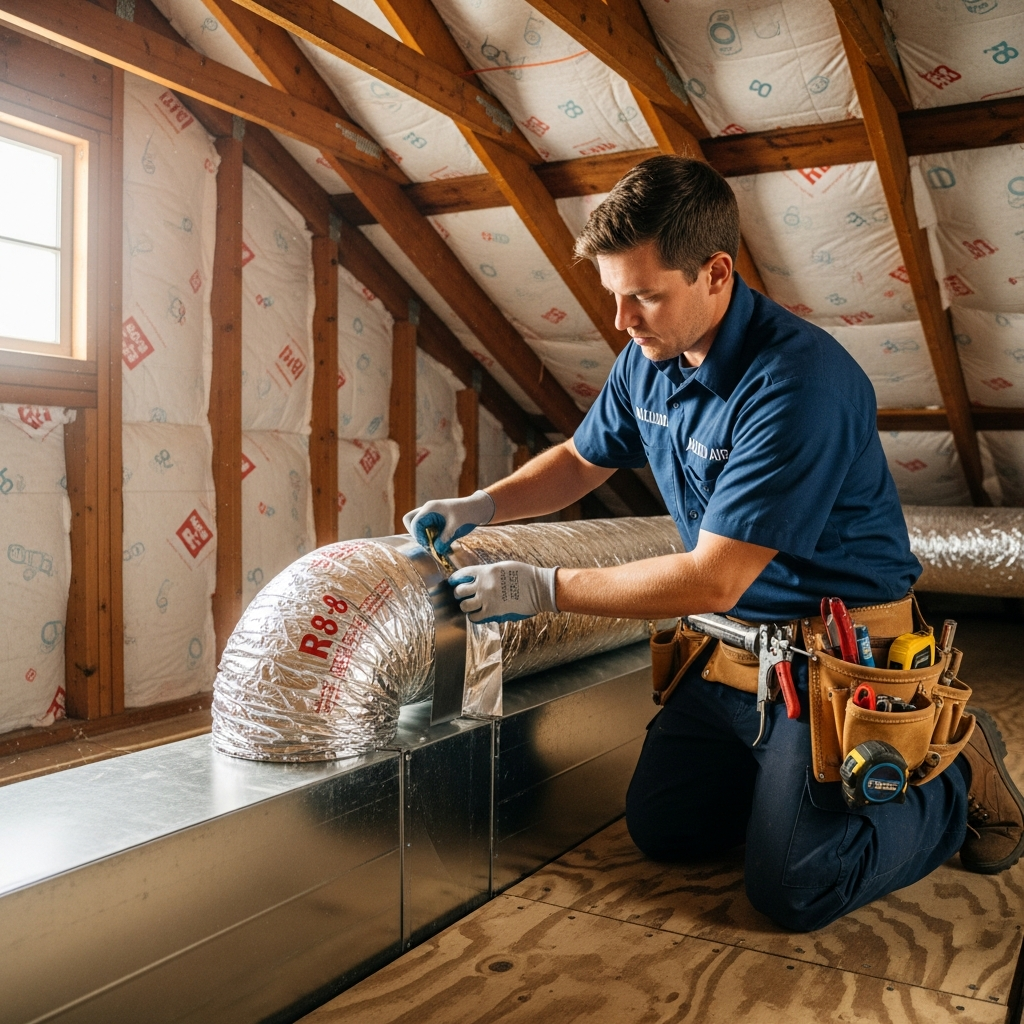
If you live in Malibu, you already understand that our coastal climate shapes nearly everything about home maintenance, from the type of roofing you choose to the finishes that can stand up to salt air and sun. The same is true for your HVAC ductwork. When neighbors ask what goes into the overall investment for replacing ducts here, the answer is that local conditions, access, code requirements, and the comfort goals of each household play an enormous role. Before we explore the factors that influence what homeowners ultimately put into this work, it helps to start with the unique realities of living and building along the coast. If you are just beginning your research, a great first step is understanding what modern duct replacement entails today compared to systems installed twenty or thirty years ago.
From Point Dume to the canyons above Pacific Coast Highway, our terrain produces microclimates that make one-size-fits-all answers impossible. Homes on bluffs see intense wind and salt spray, while properties tucked into the hills experience cooler nights, marine layer in the mornings, and significant day-to-night temperature swings. Those conditions have a direct impact on how ducts age, how insulation performs, and how sealed a system must be to keep conditioned air where it belongs. Any conversation about what a household spends should therefore start with a careful look at the house itself and the goals for comfort, air quality, and efficiency.
Understanding the drivers behind your total investment
There is no single line item that determines the final figure for replacing ductwork. Instead, a set of intertwined factors add up to shape the project. The layout of the home, the accessibility of the existing system, the condition of return air pathways, and the quality level you want for materials and insulation all contribute. Malibu homes also vary widely in age, which means some projects involve removing outdated or deteriorated ducts, while others revolve around correcting design issues that have been present since initial construction, like undersized returns or poor balancing between levels.
Another key driver comes from California’s energy code. While homeowners rarely want to wade into the technicalities, the practical translation is that ducts must meet stricter standards for leakage, insulation, and installation quality than many legacy systems ever did. Achieving those standards takes experienced workmanship and careful testing. A thorough job includes sealing with long-lasting compounds, properly supporting ducts to maintain shape and airflow, and insulating to appropriate ratings so that cooled or heated air does not pick up attic or crawlspace temperatures along the way.
How home style and location shape the scope
Single-story ranch homes along the flats of Malibu can offer relatively straightforward access from attics, which may reduce disruption. Meanwhile, hillside homes with partial basements, tight crawlspaces, or cathedral ceilings often require strategic planning, temporary removal of finishes, or creative routing to reach all supply runs and returns. When a system snakes through vaulted ceilings or around structural elements, replacing it is more like a delicate choreography than a simple swap.
Coastal exposure intensifies wear. Salt air accelerates corrosion on some metal fittings and can dry out certain tapes or adhesives faster than expected. That does not mean every component will fail early, but it does mean replacements benefit from robust sealing products and thoughtful placement that minimizes the harshest exposures. Where ducts pass through areas vulnerable to wind-driven dust or ash after seasonal wildfires, extra attention to filtration strategies and return sizing can also become part of the conversation, ultimately shaping the overall scope.
Materials, insulation, and performance priorities
Modern duct systems give you choices. Flexible duct, rigid metal trunk lines, and specialized fittings can be combined to deliver quiet, even airflow with minimal losses. The materials you select influence durability and performance. For instance, smooth interiors in trunk ducts reduce resistance and help deliver air quietly to distant rooms. High-quality insulation jackets keep air closer to the temperature your equipment produces, which means your system doesn’t have to run as long to achieve the same comfort.
The sealing method matters too. Professional-grade mastics and long-term mechanical connections resist Malibu’s humidity swings better than quick fixes. Properly sealed ducts make an immediate difference in how the home feels; rooms that were once starved for airflow often come alive once leakage is reined in and the layout is refined. When you evaluate proposals, ask how the installer plans to handle transitions, supports, and insulation continuity. Clear answers signal a thoughtful approach that prioritizes comfort and longevity.
Access, logistics, and working around your life
In practical terms, installers must get to every branch of the system. That can mean careful navigation through attics, working from below in crawlspaces, or opening soffits or chases to reach inaccessible runs. On cliffside properties, even staging and material handling can require additional planning. Crews may also coordinate with electricians or carpenters if certain chases need adjustment. Good teams will map out the sequence to minimize daily interruptions and keep dust confined, using protective coverings and cleanup routines that respect your home.
In many projects, homeowners choose to align duct updates with other improvements, like upgrading return air pathways, adding zoning, or addressing noisy grilles. Bundling those changes can make sense because it tackles airflow, distribution, and comfort holistically. When the system is already open, small optimizations are easier to accomplish than after everything is buttoned up. That doesn’t mean you must do everything at once, but planning the duct layout with future goals in mind prevents rework down the line.
Permitting, testing, and code compliance
Malibu sits within a jurisdiction that takes building performance and safety seriously. Expect your project to involve permits and final inspections. A conscientious contractor will document the design, photograph installations for the record, and perform duct leakage testing to confirm performance. This protects you in the long term because it ensures your system is installed to a standard that supports efficiency and indoor air quality, rather than just being “good enough” in the moment. Proper documentation can also matter if you eventually sell the home, as it demonstrates that the hidden components are as thoughtfully built as the finishes you can see.
Testing after installation serves another purpose: it validates that the design and craft delivered what was promised. If balancing reveals a room that still needs a bit more supply, adjustments can be made before the project closes. That feedback loop is part of modern best practice and makes a measurable difference in comfort, especially in rooms with big glass exposures facing the ocean or canyons where wind and sun vary day by day.
Comfort, air quality, and the value you feel every day
While budgets matter, most homeowners in Malibu pursue duct updates because they’re chasing a better daily living experience. Even temperatures across rooms, quieter airflow, less dust, and better filtration during wildfire season all contribute to a home that simply feels healthier and more enjoyable. New duct layouts can also prepare your home for upgraded heating and cooling equipment, including emerging heat pump options that are well-suited to our marine climate. When ducts are right-sized and well-sealed, equipment can run at lower speeds more often, which reduces noise and helps maintain steady indoor conditions without dramatic swings.
It’s also worth thinking about long-term durability. Quality materials and careful routing resist the wear-and-tear of coastal moisture and temperature fluctuations. By paying attention to details like avoiding tight bends, supporting ducts to maintain shape, and sealing to withstand decades of expansion and contraction, you create a system that continues delivering value quietly in the background. In many ways, this is the kind of work that you appreciate most precisely because you don’t notice it—it just works.
Comparing proposals with clarity and confidence
When you review different recommendations, look beyond a single bottom line and consider what is included. Does the scope address returns, balancing, and filtration strategy? Are materials specified clearly with performance targets? Is testing included? Are there allowances for access and patching if parts of the system sit behind finishes? Asking for a short narrative describing the installation approach can be revealing, because it shows whether the installer is thinking like a problem solver or treating the job as a quick exchange of parts.
In the middle of your decision-making process, it helps to revisit the reason you started this journey. If certain rooms are hot in the afternoon sun or if you notice musty odors from a crawlspace, solutions that directly address those issues should rise to the top. A proposal that leaves problem areas to “see how it goes” after installation may not deliver the day-to-day living experience you want. That’s why learning the basics of duct replacement is so useful—you’ll recognize when someone is truly designing for your home rather than following a generic template.
How Malibu’s climate subtly influences design
Our morning marine layer can create conditions where metal attracts condensation if distribution paths pass through cool spaces. Thoughtful insulation and vapor management reduce the chance of moisture where you don’t want it. Likewise, afternoon winds can pressurize or depressurize certain sides of a home, affecting the way air moves through tiny leaks. An airtight, well-balanced duct system helps stabilize indoor conditions despite those external pushes and pulls, allowing your home to shrug off day-to-day weather shifts.
Wildfire season adds another layer to the plan. While ductwork itself is only one part of smoke control, return placement, filtration, and system tightness all influence how much particulate and odor enter living spaces. If smoke intrusion has been a concern in past years, bring it up early in the design conversation so strategies can be built into the project rather than tacked on later.
Preparing for installation day
Successful projects start with clear preparation. Move delicate items from access areas, discuss parking and staging with your installer, and review a simple daily schedule so you know when crews will be arriving or departing. Good teams will lay down protective coverings and maintain tidy work zones, but your input about household routines—pets, school pickups, or quiet hours—helps the process go smoothly. You should also expect check-ins at key milestones: after demolition of old ducts, after main trunk installation, and during balancing, so adjustments can be made with your feedback.
Aftercare and maintaining performance
Once the work is complete, ask for a brief walkthrough that explains how the system is routed, where key access points are, and what maintenance looks like over the years. Filters should be matched to your equipment and lifestyle, with replacement intervals appropriate to Malibu’s coastal dust and pollen patterns. A quick annual look at accessible connections, supports, and insulation can catch early wear before it grows into a larger issue. When the hidden infrastructure is treated as a long-term asset, it will reward you with quiet comfort season after season.
Frequently Asked Questions
How long does a typical project take in Malibu homes? Timelines vary with access and scope, but a thoughtful plan minimizes downtime and keeps portions of the system usable whenever possible. Clear communication about phasing ensures you know when each area will be worked on and restored.
Do I need permits for replacing ducts? In most cases, yes. Permits, inspections, and post-installation testing protect you by verifying that the work meets modern standards for safety and performance. A reputable contractor will coordinate this process and provide documentation for your records.
Will new ducts make my home quieter? Properly sized and routed ducts, combined with smooth interior trunks and correct grille selection, often reduce noise. The difference tends to be most noticeable in rooms that were previously starved for airflow or connected to long, crimped runs.
Can new ducts help with wildfire smoke and coastal dust? While no system can eliminate all outdoor particulates, a well-sealed distribution network and thoughtful return placement improve filtration effectiveness. Discuss filter strategies and maintenance intervals suited to seasonal conditions.
What if I plan to upgrade my HVAC equipment later? Designing ducts now with future equipment in mind is smart planning. Correct sizing, balanced returns, and low static pressure support a wide range of modern systems, including variable-speed options that thrive with efficient distribution.
How can I evaluate competing recommendations? Focus on clarity of scope, materials, testing, and how well each plan addresses your specific comfort goals. Ask for a narrative explaining design choices. That clarity is more valuable than a bare-bones summary that leaves crucial details ambiguous.
Is there anything special I should consider as a coastal homeowner? Coastal exposure rewards robust sealing, quality insulation, and corrosion-resistant components. Access and staging may also need more planning on hillside or bluff properties, which should be reflected in the installation plan.
Ready to move forward
If you are weighing options and want a result that feels right every day, start with a conversation grounded in your home’s realities and your comfort priorities. A well-designed project will respect Malibu’s microclimates, meet code, and deliver the quiet consistency you notice each time you step inside. When you are ready to explore next steps for duct replacement, connect with a trusted local professional who will map the plan, communicate clearly, and stand behind the workmanship from the first sketch to the final test.