
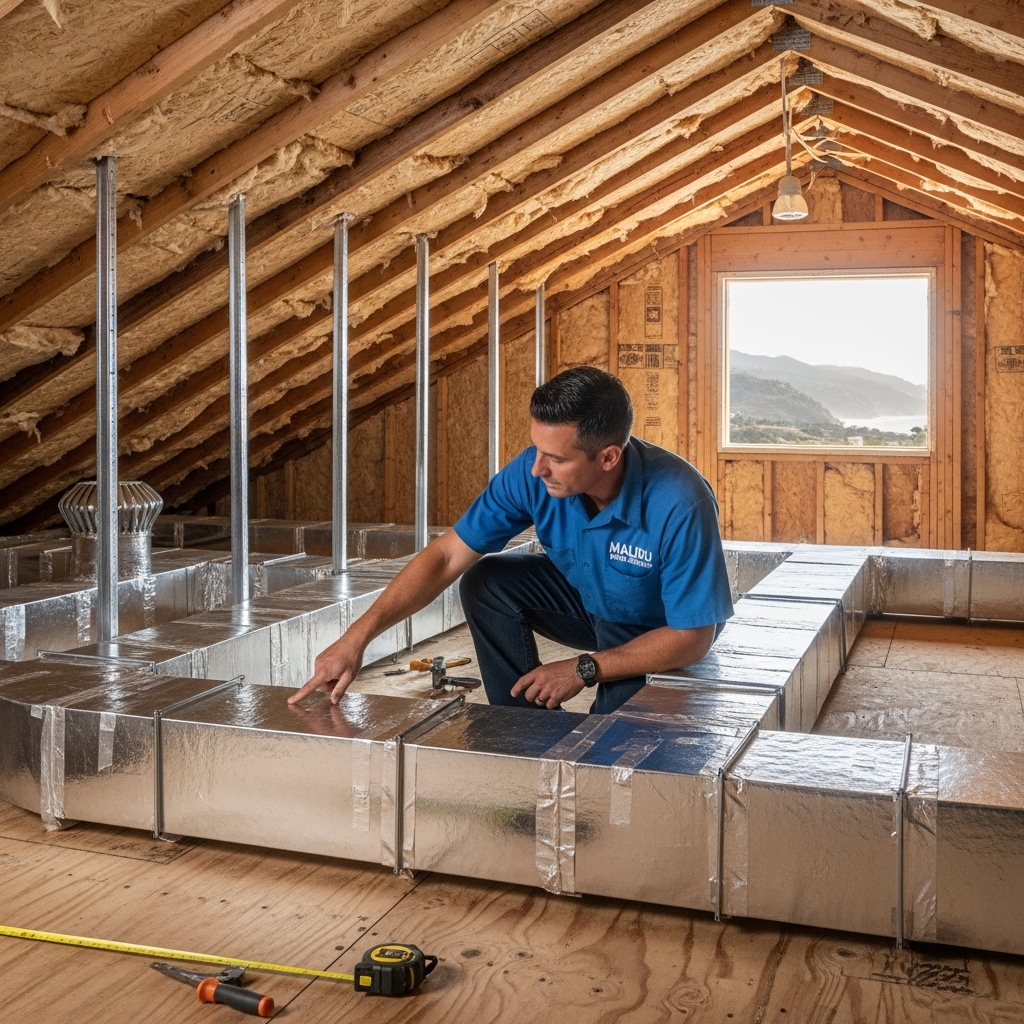
Understanding the Real-World Investment Behind New Ductwork in Malibu
In Malibu, where ocean breezes meet steep canyons and sunlit plateaus, homeowners often discover that their comfort depends less on the shiny outdoor unit and more on the quiet network of ducts running through attics, crawlspaces, and concealed chases. When people here talk about upgrading comfort or air quality, they frequently ask about the overall investment required for new ductwork. The answer is nuanced, rooted in local terrain, microclimates, materials, and building standards. If you are exploring options for duct replacement in Malibu, it helps to think beyond a single number and focus on what shapes value—airflow design, durability against coastal conditions, and the way a well-executed project ties your home together.
I’ve walked through oceanfront cottages that face daily salt mist, hillside homes with tight crawlspaces, and modern builds with soaring ceilings and glass walls. Each home has its own rhythm and constraints. The measure of a good duct project in Malibu isn’t just quieter rooms and even temperatures; it’s how well the system stands up to salt-laden air, hot Santa Ana winds, and chilly marine layers that roll in overnight. Understanding these environmental realities will help you view your duct investment as a long-term decision that protects comfort, indoor air, and even the integrity of finishes and framing.
Another local reality is that many Malibu homes have evolved over time. Remodels, additions, and creative architecture can leave a duct system stitched together from different eras. Seams loosen, flex duct sags, and insulation thins. What you pay for in a new duct system is not only materials; it’s the art of redesigning airflow, rebalancing rooms, and sealing up the tiny leaks that quietly erode efficiency year after year. The more thoughtfully your system is designed and installed, the more consistently your HVAC equipment can do its job without strain.
Why Malibu Homes Pose Unique Duct Challenges
Think about the way Malibu’s microclimates swing across a single day. Mornings may bring a cool marine layer while afternoons heat up quickly, and evenings can be windy or damp. Ducts running through attics experience those swings directly. If the system isn’t properly insulated and sealed, you’ll feel temperature imbalances from room to room. Beach-adjacent homes contend with salt corrosion. On the hillsides, access can be tight, and the work often means building temporary platforms or carefully maneuvering through narrow joist bays. In older homes, framing may not match current standards, so establishing secure support for ducts is critical.
Wildfire seasons also influence decision-making. Homeowners increasingly prioritize filtration and airtightness to reduce smoke intrusion. That can mean larger return paths, higher-performance filter cabinets, and attention to sealing details at boots, plenums, and transitions. When you consider the overall investment of replacing ducts, these layers—environmental exposure, access, and resilience—are as important as the basic measurements of supply and return runs.
What Ultimately Shapes the Investment
Several factors contribute to the final scope of a Malibu duct project. The first is design. Contractors should perform updated Manual J load calculations and Manual D duct designs to match your home’s current envelope and layout. A well‑designed system right-sizes trunk lines and branch runs, controls static pressure, and aligns with the blower’s performance curve. That design time is invisible in the finished attic, but you feel it every day in even temperatures and quiet cycles.
Next comes accessibility. Ducts in low-slope roofs demand a different approach than those in tall attics. Crawlspaces vary from walkable to belly-crawl conditions. When access is limited, staging, safety, and time all increase. It’s not just about reaching locations; it’s about protecting existing finishes and preventing dust migration into living spaces. Crews in Malibu often deploy temporary containment, negative air machines, and careful removal strategies to keep the rest of the home clean.
Material selection is the third major driver. In areas closer to the ocean, metal components and fasteners benefit from corrosion-resistant coatings, and the insulation jacket should resist moisture intrusion. High-quality mastic sealing, durable tapes rated for high temperatures, and proper mechanical support reduce sagging and future air leaks. In custom homes, rigid duct sections and lined metal trunks may be preferred in certain runs to control noise and preserve airflow over long distances or complex paths.
Permitting and testing also matter. Malibu homes fall under California Title 24 requirements, and duct replacement frequently triggers HERS verification for duct leakage, airflow, and, in some cases, fan efficacy. That means the system isn’t considered complete until it meets performance thresholds. The better a contractor is at designing and sealing, the smoother that testing phase goes.
Material Choices for a Coastal Microclimate
Material decisions should match the character of your home and its environment. Many Malibu projects blend insulated flex for short, straight runs with rigid metal trunks in longer sections. The goal is to control friction and equivalent length while balancing noise and installation practicality. In coastal exposure, fasteners and hangers benefit from stainless or coated finishes. Insulation should be properly rated, and vapor barriers need intact, taped seams to prevent condensation. Supply boots should be sealed to the ceiling or wall assemblies, and returns framed and ducted in a way that prevents air from drawing through building cavities.
Beyond durability, indoor air quality is a huge consideration. If your home struggles with dust, pollen, or wildfire smoke, the return side should be reworked to accept higher-MERV filtration without choking airflow. That can mean increasing return grille size or adding additional returns to decrease face velocity. These details are commonly overlooked, yet they dramatically influence comfort, energy use, and the cleanliness of your system.
Design, Balancing, and Quiet Operation
Proper duct design is about pressure relationships between rooms and the central system. If supply runs are undersized or returns are scarce, the blower works harder, noise increases, and some rooms either overheat or feel too cool. In Malibu’s eclectic architecture—vaulted living rooms, glassy additions, long hallways—balancing is an art. Adjustable dampers, properly sized registers, and thoughtful placement all determine whether air glides into a room or gusts noisily. A balanced system lets your equipment run at designed speeds, which tends to lower sound and extend component life.
On retrofit projects, I often see that a single improvement—like increasing a main trunk size or adding a return—solves multiple problems at once. Early in the process, ask your contractor to walk you through the design. You don’t need to become an engineer, but you should see a sketch that explains why a branch count is changing or why a particular trunk is being rerouted. That conversation gives you confidence that the duct replacement is built for your specific home rather than patched onto what was there before.
Installation Logistics in Malibu Homes
Access is the practical side of any project. In hillside neighborhoods, staging may require creative solutions, and driveway space is often tight. Crews need a clean path to the attic or crawlspace, ventilation for cutting and sealing, and protection for flooring and furnishings. Where roofs are low or attics are packed with insulation, progress can be slow. Where the house has undergone multiple remodels, existing ducts may snake through chases behind built-ins or under platforms. Removing old ductwork safely and completely is part of the job; so is ensuring that any penetrations are sealed and insulated to code after the swap.
Another logistical layer is timing. Many Malibu residents split time between properties, so planning the work while you’re away can be convenient. Others prefer to be present, and that’s fine too. A well-run crew will set expectations for daily start and stop times, debris handling, and post-day cleanup so the home remains livable throughout. Communication is a hallmark of quality here: daily summaries, photos from the attic, and a clear sequence from demolition to sealing to balancing and testing.
Comfort, Energy, and Long-Term Value
It’s easy to think of ducts as static—something installed once and forgotten. In reality, they breathe with the house. Thermal expansion and contraction, vibration, and gravity all work on the system over time. A new, properly supported and sealed duct network returns more air to the system, reduces runtime, and preserves the finish materials you love by limiting condensation and moisture issues. For many homeowners, the value shows up in quieter rooms, a more uniform feel between levels, and cleaner air during pollen or wildfire events.
There’s also the satisfaction of knowing the system is ready for the future. If you intend to upgrade to variable-capacity equipment or add zoning later, today’s duct choices can make that transition smoother. Ask your contractor to design with headroom for airflow and static pressure so you’re not boxed in by undersized trunks or restrictive returns down the line. Mid-project coordination—especially around returns, plenums, and filter cabinets—pays dividends for years.
If you’re midway through considering options, it can help to look at the project holistically. The duct system connects rooms, floors, and additions; it bridges the architecture you see and the comfort you feel. When you evaluate proposals, focus less on a single line item and more on how thoroughly the design addresses leakage, balance, filtration, and durability. In the long run, that perspective is what makes duct replacement in Malibu feel like a wise, lasting improvement rather than a short-term fix.
From Assessment to Commissioning: What to Expect
Most projects begin with a conversation and a walk-through. Your contractor should ask about hot or cold rooms, noise, dust, and any history of water intrusion or attic issues. Photos of existing ducts help frame the scope, as do measurements of grilles and registers. On site, the team will trace trunks and branches, identify chases, and note access points. If testing is part of the plan, an initial duct leakage test may be performed to benchmark the current condition.
Once a design is drafted, you’ll review it together. The installation typically starts with removing old ducting, sealing off unused penetrations, and establishing hangers and platforms. New trunks are run first, then branches, with supports set per code to prevent sagging. Seams are sealed with mastic, connections mechanically fastened, and insulation jackets taped and secured. Boots are sealed to building assemblies so conditioned air isn’t lost into cavities. After the main work, the team balances the system, adjusts dampers, and verifies airflow where feasible. The final step includes HERS testing and documentation to close out permits.
Signals It Might Be Time to Replace Ducts
Several signs point toward replacement rather than patching. If your system struggles to maintain even temperatures, if you hear whistling or feel drafts at registers, or if the attic reveals crushed, torn, or heavily spliced runs, you’re likely dealing with static pressure and leakage issues that simple repairs won’t resolve. Persistent dust, odors, or allergy complaints may also be tied to return-side leakage that draws air from attics or crawlspaces. Finally, if previous remodels added rooms without rebalancing the system, the existing layout may be undersized for the home’s current footprint.
In beachfront areas, corrosion on metal components and degraded insulation jackets are common. In wooded canyons, rodent activity may damage ducts or insulation. And in many older homes, ducts have simply reached the end of their service life. A comprehensive replacement resets the system to today’s standards, aligning it with how you actually live in the space.
How to Talk with Your Contractor
Ask to see the design assumptions. Where are the returns? How are trunk sizes determined? What filtration will the system support? Clarify how the crew protects finishes and manages dust. Confirm that all penetrations to the thermal envelope will be sealed and insulated. Make sure supports and hangers comply with code for spacing and sag prevention. When you evaluate multiple proposals, compare more than the bottom line—compare designs, materials, and the scope of sealing, balancing, and testing. Malibu homes reward that attention to detail with smoother comfort and quieter operation.
Frequently Asked Questions
How long does a typical Malibu duct replacement take?
Timelines vary with access, home size, and complexity. A straightforward single-story project with good attic headroom moves quickly, while low-slope roofs, tight crawlspaces, or extensive redesign naturally take longer. Weather can also play a role, especially in coastal areas where morning marine layers add moisture and limit early attic access. A transparent plan from your contractor—daily milestones, photo updates, and clear cleanup routines—keeps the schedule on track and your household running smoothly throughout the work.
Do I need permits and HERS testing for new ducts?
In most cases, yes. California’s energy code requires that duct systems meet leakage and airflow standards, and HERS verification documents compliance. Your contractor should include permitting and coordination with a HERS rater as part of the scope. Beyond paperwork, this testing is a quality checkpoint: it confirms that sealing, balancing, and airflow were executed as designed so you enjoy the efficiency and comfort improvements you’re paying for.
What materials hold up best near the ocean?
Corrosion resistance guides many choices. Coated or stainless fasteners, quality mastic, and insulation with intact vapor barriers are essential. Rigid trunks in strategic runs can help control noise and maintain airflow over distance, while insulated flex works well for short branches when properly supported. The best systems combine materials intentionally: use rigid where geometry or length demands it, flex where it adds efficiency without compromising performance, and protect every joint and hanger against the coastal environment.
Can I stay in the house during replacement?
Most homeowners do. Crews isolate work areas, use drop cloths, and often set up temporary containment at attic accesses. Noise and foot traffic are part of the process, but good communication reduces surprises. If you’re sensitive to dust or odors from mastics and tapes, discuss ventilation strategies. Some clients time projects while they’re away; others prefer to be present for questions and progress checks. Either approach can work well with a clear plan.
How will new ductwork change my comfort and air quality?
You’ll likely feel more even temperatures between rooms, less noise at registers, and better air quality if the return side is improved to support higher-MERV filtration. Sealed supply and return paths help keep attic or crawlspace air out of your living spaces, and balanced airflow lets your equipment run at designed speeds. The change is often most noticeable in rooms that used to lag behind—far bedrooms, over-garage spaces, or glassy living rooms that never quite felt right.
Is it worth redesigning returns during a duct project?
Yes. Returns are the lungs of the system. If they’re undersized or poorly located, your blower strains, filters load quickly, and noise increases. Adjusting return locations or adding additional returns is one of the highest-impact improvements you can make. It sets the stage for better filtration, calmer operation, and more stable temperatures throughout the house.
What about wildfire smoke—can ducts help?
Properly sealed ducts and upgraded filtration are your best defenses. A well-designed return path allows for high-efficiency filters without starving the system of airflow. Sealed boots, tight duct connections, and controlled pressure relationships reduce infiltration from attics and crawlspaces. During smoke events, many homeowners notice a clear difference after a duct upgrade, because the system is better at keeping outdoor particulates from migrating inside.
Will I need to change registers or grilles?
Often, yes. New duct sizes and airflow targets may call for larger or differently styled registers to reduce noise and improve air distribution. In some homes, low-profile linear diffusers complement modern interiors while meeting airflow needs; in others, traditional grilles suit both the architecture and the design goals. The right register is part of the performance equation, not just a cover plate.
When the time comes to act, remember that the best results come from a design-first mindset and materials chosen for Malibu’s coastal and canyon realities. A careful plan, tidy installation, and verified performance turn a necessary upgrade into a lasting improvement for comfort, health, and home value. If you’re ready to start the conversation and want guidance tailored to your property, reach out to a local expert who understands the terrain, the code, and the climate. For a smooth, well-coordinated project that respects your home and your time, begin with trusted duct replacement guidance and a clear, step-by-step plan.