
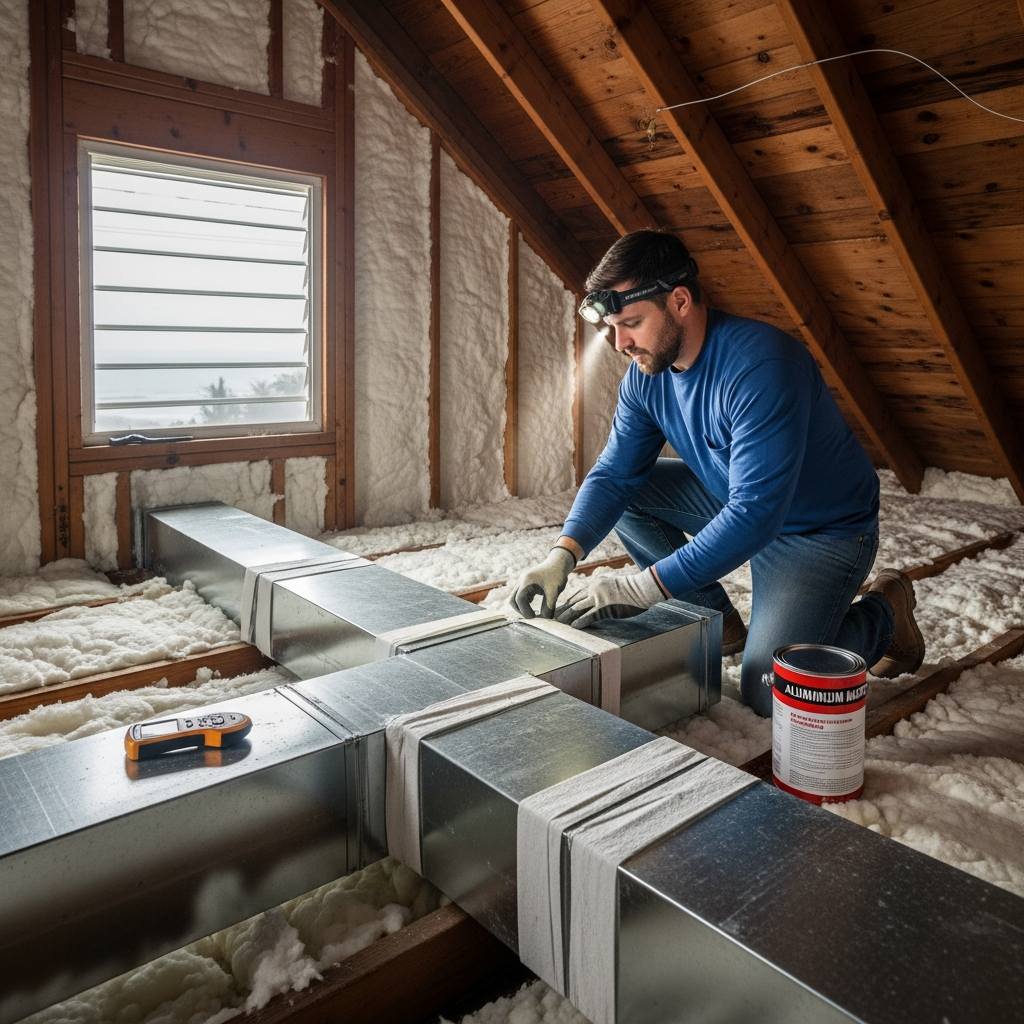
Living in Malibu means waking up to the marine layer drifting off the Pacific, salt-tanged breezes, and a climate that can swing from foggy mornings to sun-baked afternoons. That same beauty, however, quietly shapes the way your home’s heating and cooling system breathes. When homeowners here ask about the true picture of duct replacement for coastal properties, they’re looking for more than a generic number—they want context, durability, comfort, and long-term performance tailored to a sea-facing environment. Early in any conversation about Malibu homes, I emphasize that duct replacement is not just a technical task; it’s a coastal strategy that balances airflow, moisture control, and resilience against salt air.
Why Malibu’s microclimate changes the conversation
Malibu straddles the edge of land and sea, with canyons funnelling air, cliffs capturing fog, and ocean spray drifting farther inland than you might expect. That constant interplay of humidity and temperature subtly affects ductwork day after day. Even if your ducts seem fine from the outside, internal components can develop condensation in shoulder seasons, and joints can react to salt-laden air in ways that shrink performance over time. When thinking about the overall investment and planning, the Malibu microclimate becomes a primary lens: Which materials resist corrosion best? How do insulation and sealing strategies differ near the coast? And what does careful routing look like in hillside homes versus beachfront bungalows?
Understanding how coastal conditions influence planning
In our area, seawater mist rides the wind and settles into attics, crawlspaces, and utility chases. Over years, it can encourage oxidation on metal, degrade certain tapes and sealants, and shorten the life of unprotected hardware. That doesn’t mean every system is doomed—far from it. It means the plan for your replacement is shaped by smart material choices, conscientious sealing practices, and a design that anticipates how the Pacific will try to sneak moisture back into the building. Malibu’s topography compounds the issue: long duct runs in custom homes, tight crawlspaces on older cottages, and multi-level builds along canyon slopes all call for a design that is as meticulous as it is robust.
Materials that stand up to the sea
A well-planned duct project in Malibu begins with materials. Galvanized steel is common, but in salt-heavy pockets close to the surf line, you might consider enhanced coatings or alternative metals that resist surface degradation more effectively. Where flexible ducts are appropriate, look for tough outer jackets, UV-resistant vapor barriers, and insulation that keeps temperatures stable while reducing condensation. The choice is rarely one-size-fits-all; each home’s exposure, attic ventilation, and insulation profile will point you to a solution with staying power. Fasteners, hangers, and strapping deserve the same scrutiny—corrosion-resistant hardware reduces future maintenance and preserves system integrity.
Designing for airflow, comfort, and longevity
Design is where coastal wisdom pays off. Return air paths should be generous and clean, supply trunks should be balanced for even delivery, and branch runs should be mapped to minimize friction and noise. In many Malibu homes, previous additions or remodels have created a patchwork of rooms and transitions. A thorough duct replacement is an opportunity to right-size trunks, add returns where rooms feel stuffy, and calibrate for quieter operation. The aim is steady temperatures and improved indoor air quality without overworking the equipment. When ducts don’t fight their own layout, you feel the difference as a home that breathes naturally with the day’s changing conditions.
Sealing, insulation, and moisture awareness
Salt air magnifies the cost of sloppy sealing. That’s why coastal jobs put a premium on airtight joints, durable mastics, and tapes labeled for duct applications. Insulation isn’t merely about keeping hot air out and cool air in; it’s about keeping surfaces above dew point to discourage condensation inside attics that swing in humidity. A well-insulated and well-sealed duct system reduces wasted energy and makes your living spaces feel calmer and more consistent. Just as importantly, it protects framing and finishes from moisture that can accumulate around sweating metal when night air chills quickly after a warm day.
Attic versus crawlspace: what Malibu homes teach us
From Broad Beach to Point Dume and up the canyons, attics can be low-slope and tight, while crawlspaces may be sandy, damp, and uneven. Each location brings different design and installation tactics. In an attic, routing around trusses, preserving ventilation pathways, and protecting ducts from radiant roof heat are key. In crawlspaces, stable hangers, rodent-resistant jackets, and careful clearances help preserve the new work. Malibu’s seismic reality also matters: strapping and anchoring must anticipate motion so that ducts stay secure through minor tremors. Recognizing and preparing for these details upstream spares you frustration later.
Access, complexity, and project timeline
Access can quietly shape the entire effort. Gaining safe, repeat access to high attics, vaulted ceilings, or tight underfloor cavities can influence how the work is phased and how crews manage tools and materials. Homes near the bluff or perched in the hills often require extra staging caution, both for worker safety and to protect your finishes. A clear timeline aligns with your household routine, Malibu’s busier seasons, and any planned remodeling. Good communication with your contractor ensures that each phase—from demo to installation, sealing, testing, and cleanup—flows without strain.
Testing and results you can feel
Once new ducts are in, performance testing closes the loop. Malibu homeowners often notice the change right away: rooms that used to feel a step behind the thermostat come into lockstep, and that faint hum from a whistling elbow disappears. Testing can include airflow verification and leakage checks so you know your new system is tight and balanced. These checks are essential near the coast, where even small leaks can draw in damp, salty air and push it through the house. The immediate comfort boost is satisfying, but the longer-term benefit is a quieter, cleaner, steadier home environment.
The mid-project crossroads: details that matter most
Midway through a project there’s a moment when the old ducts are out, the new path is roughed in, and choices about final runs, terminations, and returns are made. That’s the time to revisit how you live: Which rooms need special attention in the morning? Where does late-day sun linger? Do you struggle with a particular corner that always feels stuffy? A Malibu-specific lens focuses on how ocean breezes and canyon gusts interact with your home’s layout. It’s also a smart time to check that your plan for duct replacement includes the right balance of returns, appropriately insulated runs, and robust sealing, especially in areas exposed to brine and mist.
Permits, codes, and doing it right
Working inside Malibu’s jurisdiction and surrounding county areas means paying attention to current building and energy standards. The goal isn’t bureaucracy for its own sake; it’s ensuring that the system serves you well and that the work holds up under inspection. Proper duct support spacing, fire safety clearances, and insulation requirements are not just checkboxes. They’re the backbone of a system that’s safer and more resilient. Experienced local pros know how to route ducts around fireplace chases, vaulted ceilings, and tricky soffits while keeping compliance in mind, so everything passes cleanly when the inspector arrives.
Indoor air quality in a sea breeze world
The ocean is a gift, but salty air and wildfire seasons can challenge indoor air quality. New ductwork offers a chance to tighten your home’s envelope and reduce infiltration points. That translates to fewer drafts that carry fine particles and coastal moisture into your living areas. You can pair a quality filtration strategy with a properly sealed duct system to keep the air fresh without overburdening the equipment. Malibu homeowners appreciate that comfort is not just temperature—it’s quiet operation, clean air, and rooms that feel evenly conditioned, morning to night.
Maintenance mindset after the project
Once the new ducts are in place, a gentle maintenance rhythm keeps them at their best. Periodic assessments of hangers and connections, quick looks at attic or crawlspace conditions after big storms, and filter changes on the equipment side all play a part. In a coastal setting, it’s wise to keep an eye on any metal that sees humid air, ensuring protective coatings remain intact and that exterior vents and terminations stay clear. These simple habits extend the life of your new ducts and protect your home’s finishes from moisture swings.
What Malibu homeowners notice first
There’s a certain calm you can feel when the system is well designed for its setting. Spaces that used to teeter between chilly and warm settle into a comfortable middle. Background noise dims, doors stop rattling with sudden blasts, and upstairs rooms finally feel in step with downstairs. Homeowners close to the beach often remark that they sense fewer damp corners at dawn, while those up the canyons appreciate a gentler response to afternoon heat. In short, the home breathes easier, and you do too.
Planning your project with the seasons
Malibu’s calendar is nuanced. The marine layer and summer crowds create a rhythm that’s helpful to consider when you schedule your project. Whether you’re coordinating with other home improvements or planning around a family event, aligning your duct replacement with quieter weeks can make the process smoother. Communication matters: share how you use each room, when you need quiet, and what access routes work best for crews. A thoughtful plan built around your life is every bit as important as the technical pieces of the job.
How to evaluate your current system before calling
If you’re on the fence about timing, pay attention to a few everyday signals. Are certain vents noisy while others feel faint? Do you notice musty notes after foggy nights? Do some rooms drag behind the thermostat even with steady equipment operation? These are hints that the duct network is working harder than it should—or not working as intended. While no quick check can replace a professional assessment, noting these patterns gives you a head start. Share observations room by room; a good plan grows from the way you actually live in the space.
Frequently asked questions
How does Malibu’s salt air actually affect ductwork?
Salt particles cling to surfaces and, given time and humidity, can encourage oxidation on metal components, gradually weakening exposed edges, hardware, and unprotected seams. Inside a home, this process may be slow and subtle, but it is persistent. Choosing corrosion-resistant materials, sealing diligently, and keeping ducts insulated so surfaces avoid dew point conditions are the key defenses. In other words, design and material choices are how Malibu homeowners stay ahead of the ocean’s touch.
Is attic placement better than a crawlspace for new ducts?
Neither location is universally better; each has trade-offs in Malibu. Attics may be easier to reach for service, but they can experience higher temperature swings. Crawlspaces can be more stable thermally, yet they may invite moisture or pests if not well detailed. The right decision depends on your home’s layout, existing chases, and how exposed each area is to ocean mist. A thorough evaluation weighs access, moisture, and support options before settling on a location.
What design choices most improve comfort?
Right-sized trunks and branches, generous returns, and meticulous sealing are the big three. From there, gentle turns rather than sharp elbows, balanced supply distribution, and strategic placement of returns near rooms that lag or lead the thermostat can make a striking difference. It’s not one magic component; it’s a series of small, disciplined choices that add up to a quieter, more even home.
Will new ducts help with indoor air quality during wildfire season?
Yes, a tight, well-sealed duct network reduces the pathways that unfiltered air can use to enter your living spaces. Pairing that with proper filtration at the equipment helps the system capture fine particulates more effectively. While no ductwork alone can eliminate outdoor air events, a disciplined replacement is an important piece of a whole-home strategy for cleaner air.
How long does a typical project take in Malibu homes?
Project length varies with access, home size, and design complexity. Additions, multi-story layouts, and tight attics can extend the timeline, while straightforward single-story homes with clean access tend to move quickly. Coordinating inspection windows and ensuring material availability up front keeps things on track. The best way to set expectations is to walk through your home with a professional and map the phases together.
How do I prepare my home before work begins?
Clear access to attics, closets, and mechanical spaces helps tremendously. Note which rooms are most important to you and when you need quiet, especially if you work from home. If you have art or delicate items near access points, move or protect them. Communicate gate codes, parking details, and any special instructions about pets or children. These small steps smooth the process and keep focus on quality workmanship.
Can I reuse any of my existing ducts?
Sometimes, but in coastal homes the decision is conservative. If a section is in excellent condition, properly sized, and compatible with the new design, it may be considered. However, Malibu’s conditions tend to reward a comprehensive approach, since mixing old and new can leave weak points in sealing, insulation, or corrosion resistance. A full assessment will indicate whether reuse makes sense.
What signs indicate my ducts are underperforming?
Uneven temperatures, persistent dust, whistling vents, odors after damp mornings, and rooms that never feel right are all clues. Visual checks—like crushed flex duct in an attic path or rust-streaked hangers—reinforce the story. If you notice these patterns, it’s a strong prompt to assess your system holistically instead of chasing symptoms piecemeal.
Ready to bring coastal calm back into your home?
If you’re picturing quieter rooms, steadier temperatures, and a system designed with Malibu’s sea air in mind, now is a good time to start a conversation. Share how you use your space, where comfort lags, and what your ideal day at home feels like. When you’re ready, reach out and let a local pro map a plan for your home—the right plan, at the right pace, with the right materials. For a conversation that begins with your comfort and ends with lasting performance, explore duct replacement options tailored to coastal living and take the first step toward a home that truly breathes with the ocean.