
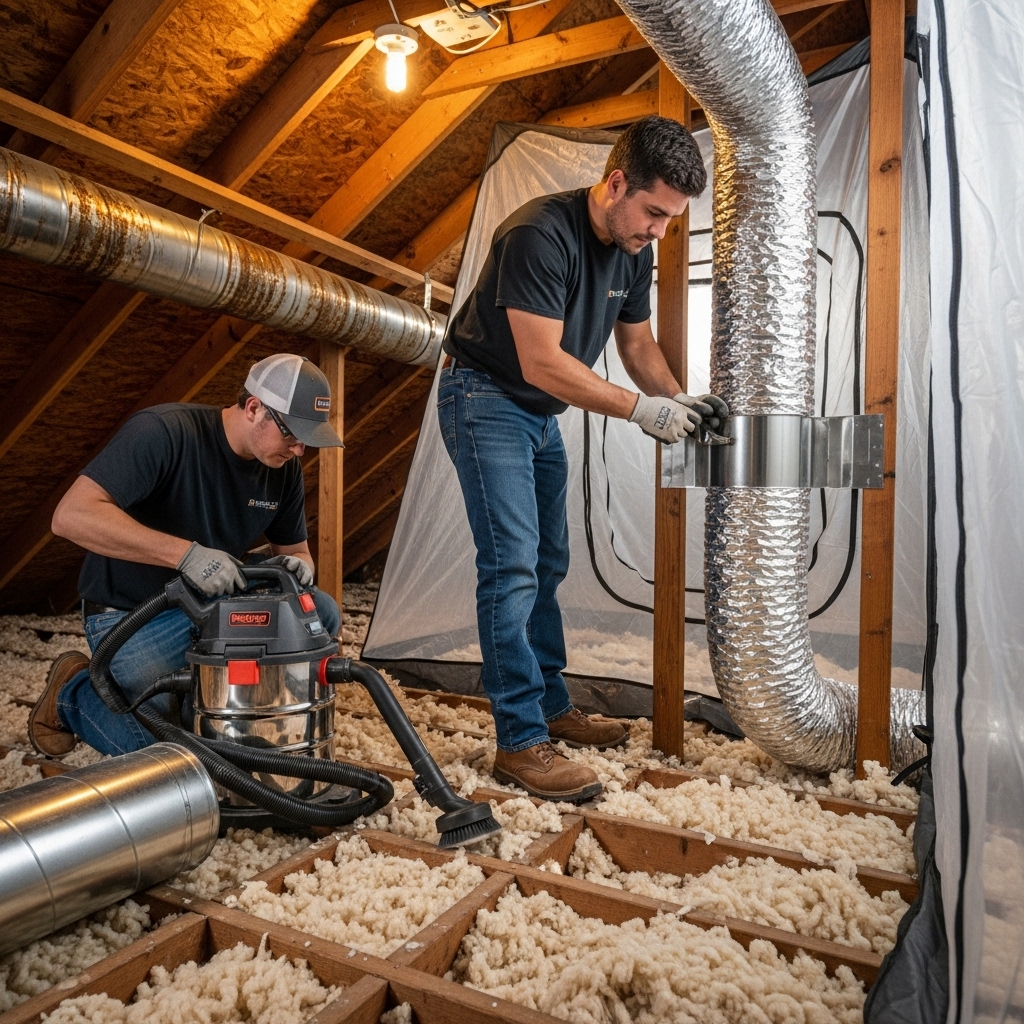
When Is Cleaning Enough—and When Is Replacement Smarter?
It’s a question I hear all the time in Malibu: should we clean the ducts or replace them? The honest answer starts with your home’s story. Malibu’s microclimates and architecture produce a wide range of duct conditions, from salt-kissed metal near the ocean to sun-baked flex in low-slope attics and dusty runs in canyon crawlspaces. Cleaning can help in the right circumstances, but it’s not a cure-all. Replacement becomes the wiser move when airflow is compromised, leakage is significant, or the system can’t support the filtration and balance your home needs. As you weigh options for duct replacement, it helps to understand what each path can and cannot do.
Think of ducts as the respiratory system of the house. If the passages are clear and well-sealed, the lungs—your air handler or furnace—work calmly. If the passages are crushed, leaky, or lined with failing insulation, the lungs strain. Cleaning focuses on removing dust and debris; replacement addresses the structure itself: sizing, sealing, supports, and the ability to carry air quietly to every room. The right choice depends on what your ducts are made of, how they were installed, and what they’ve endured over time.
What Duct Cleaning Can Accomplish
Professional cleaning targets dust, pollen, and particulate buildup. In metal ducts with sound interiors, cleaning can refresh airflow and reduce recirculating dust. After wildfire smoke events, a thorough cleaning may help eliminate odor and residue, especially if the system wasn’t running heavily during the smoke period. Cleaning can also address debris that accumulates in boots or at registers, especially in homes with pets or remodels that stirred up fine particles.
But cleaning doesn’t fix leakage—air escaping through unsealed joints, crushed segments, or boot gaps. It doesn’t correct undersized returns, poor register placement, or noisy airflow caused by tight turns and constrictions. If you picture cleaning as washing a car, replacement is like re-engineering the car’s exhaust and intake so it runs quietly and efficiently. Both have a place, but they solve different problems.
When Replacement Makes Sense in Malibu
Replacement is the stronger choice when you see systemic issues: widespread leakage, sagging or crushed flex runs, corroded metal near the coast, or ductboard with compromised internal lining. If rooms vary wildly in temperature, if the system hisses or whistles, or if filters clog far too quickly, the underlying design or condition is likely at fault. Malibu’s low attics and tight crawlspaces often expose ductwork to heat, moisture, and pests. Over years, materials fatigue. A new system resets the design to present-day standards, right-sizes trunks and branches, and seals every joint for quiet, steady performance.
Another cue is filtration goals. If you want to capture fine particulates from wildfire smoke or coastal aerosols, the return path must be built to support higher-MERV filters without choking the blower. That often requires adding returns or enlarging existing ones. Cleaning can’t change that; replacement can. The same goes for balancing air to new additions or reconfigured spaces after remodels. When the house changes, the ducts should evolve with it.
Examining Materials: Flex, Metal, and Ductboard
Not all ducts respond to cleaning the same way. Metal ducts with intact interiors tolerate careful cleaning well. Flex duct, by contrast, can be damaged if aggressive tools are used, and older flex with brittle liners may tear. Ductboard—fiberglass panels formed into ducts—can shed fibers or lose integrity when aged or saturated. In salt air environments, metal can corrode at seams and screws, compromising sealing. In each case, replacement weighs the condition, expected remaining life, and the benefits of modern materials and methods.
The most successful Malibu projects mix materials intentionally. Rigid trunks carry air over longer distances and resist compression, while insulated flex handles short, straight runs when properly supported. Mechanical fastening plus mastic sealing gives the system longevity. Boots are sealed to building assemblies so conditioned air doesn’t vanish into cavities. This is the craftsmanship side of replacement that cleaning can’t touch—it’s about restoring the whole pathway, not just clearing it.
Performance Testing: A Clear Lens on the Decision
California’s energy code encourages performance verification. If your system fails a duct leakage test, cleaning won’t move the needle. Sealing and, often, redesign are required. Replacement targets those numbers directly, with airtight connections and properly supported runs that don’t droop or kink. Beyond leakage, airflow measurements reveal whether returns are too small or if register sizes need to be adjusted. These tests are not just paperwork—they are practical tools that point toward the solution with the best long-term outcome.
Air Quality and the Malibu Environment
Between pollen cycles, beach aerosols, and seasonal wildfire smoke, indoor air quality is a priority for many Malibu homeowners. Cleaning removes accumulated dust; replacement enables better filtration and sealing so the system can actually filter the air passing through it instead of pulling unfiltered air from attics or crawlspaces. If you’ve noticed dusty surfaces returning quickly after cleaning, the return side may be leaking, drawing in particulates from places you don’t want breathing air. Addressing that requires redesign and sealing, not just brushing.
Noise is part of air quality, too. A whoosh at a register or hiss in a hallway can make a house feel less restful. Proper sizing and placement quells that noise by reducing air velocity and smoothing transitions. If noise is persistent after cleaning, the underlying layout is the likely culprit, and replacement with a thoughtful design will deliver the quiet you’re after.
Cost Conversations Without the Guesswork
While you won’t pin your decision on a single number, transparency is still important. Cleaning is a lighter-lift service focused on hygiene, while replacement is a system-level improvement that reshapes airflow, sealing, and filtration. The value of replacement shows up every day—quieter operation, even temperatures, and fewer dust complaints. When you compare proposals, look for the story the contractor tells in drawings and notes. Does the plan fix returns, balance bedrooms, and address access challenges? That narrative is a better predictor of satisfaction than any single figure.
If you’re in the middle of choosing, remember that your decision isn’t between “dirty” and “clean”; it’s between maintaining what exists and rebuilding for how you live now. As the house evolves with remodels and the climate around it shifts, systems need rethinking. In those moments, duct replacement becomes less about the ducts themselves and more about your day-to-day peace at home.
Frequently Asked Questions
How do I know if cleaning will be enough?
Start with an inspection and, if possible, a duct leakage test. If the ducts are fundamentally sound—metal with intact seams, flex without kinks or crushed sections—and leakage is low, cleaning can help with dust and odor. If leakage is high, if sections are damaged, or if airflow struggles reach certain rooms, you’ll get more lasting improvement from replacement and redesign.
Can cleaning damage my ducts?
It can if the materials are fragile or tools are used improperly. Older flex duct is particularly vulnerable to tearing. Reputable cleaning companies use techniques suited to the material and may decline to clean ductboard or brittle flex. If inspection reveals fragility or internal deterioration, replacement is safer and more effective than attempting aggressive cleaning.
Will replacement really make the house quieter?
Yes, when it’s designed well. Noise usually comes from air moving too fast through tight spots or registers, or from turbulence at sharp turns. Replacement allows your contractor to right-size trunks and branches, position registers for smooth flow, and support higher-MERV filters without starving the system. The result is calmer, more even airflow with less hiss and whoosh.
What about wildfire smoke—should I clean or replace?
If smoke exposure was brief and ducts are otherwise in good condition, cleaning can help reduce odor and residue. If the event highlighted deeper issues like return leakage or inadequate filtration, replacing the ductwork to support better filters and tighter sealing is the smarter long-term answer. The goal isn’t just a clean surface; it’s a system that keeps outdoor particulates from reaching living spaces.
Can I combine cleaning with partial replacement?
Absolutely. Some Malibu homes benefit from replacing damaged or high-friction sections—like a restricted trunk or an undersized return—while cleaning sound metal runs. The key is to evaluate the system as a whole and prioritize sections that limit performance. A mixed approach can be a sensible step when the system is mostly healthy but held back by a few weak links.
How important is filtration in this decision?
Crucial. If you want better indoor air, the return path must support filters that capture fine particles without creating excessive pressure drop. Cleaning doesn’t change return sizing; replacement can. For many homeowners, the comfort and health benefits of quiet, well-filtered air are the deciding factors in favor of a redesign.
Will replacement disrupt my routine?
Expect some noise and foot traffic, but a well-run crew will isolate work areas, protect finishes, and clean daily. Attics and crawlspaces are the primary work zones; living spaces remain usable. If you prefer, schedule work while you’re away and ask for photo updates so you stay informed without being on site.
Ultimately, the right choice honors your home’s condition and your goals. Cleaning can refresh; replacement can transform. If you’re leaning toward a deeper, longer-lasting improvement and want a plan that respects Malibu’s coastal and canyon realities, start the conversation with experienced duct replacement guidance tailored to your property.