
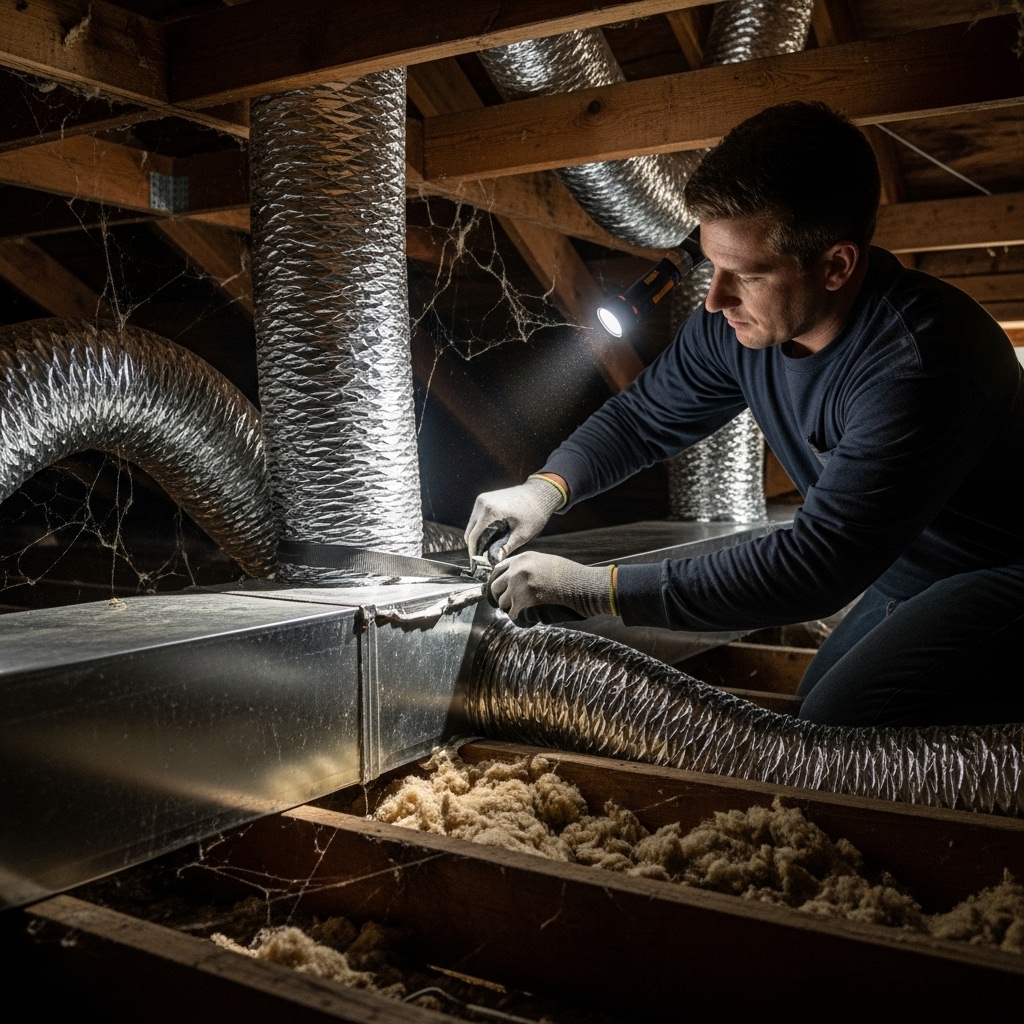
Malibu homes tend to stretch the imagination—and the ductwork. Between beachfront cottages with low, vented attics and hillside retreats with long runs to glass-wrapped rooms, replacing ducts here requires equal parts design sense and field craft. Over the years, I’ve seen the same pitfalls appear again and again, along with proven fixes that restore quiet, even comfort. If you are planning a project, knowing these common issues will help you ask sharper questions and recognize quality when you see it. For a broader primer on methods and standards, it can be helpful to review practical guides to duct replacement so the conversation with your contractor starts on solid ground.
The first and most widespread issue is leakage at joints, boots, and seams. Older systems often rely on aging tapes that have long since given up in Malibu’s mix of heat, cool nights, and salt air. The fix is not complicated in concept: every joint is mechanically fastened, sealed with mastic, and wrapped where appropriate before insulation goes on. At register boots, careful sealing to the ceiling or floor prevents dusty ring stains and stops conditioned air from escaping into cavities. When done well, leakage testing at the end of the job confirms the system is tight enough to keep your conditioned air where you want it.
Next comes sizing and layout. Many homes inherited duct routes that were sized by rule of thumb rather than by calculation. The result is rooms that starve for air or howl when the system runs. The fix starts with design—Manual D principles—to size trunks and branches based on actual loads and acceptable friction rates. In practice, that means larger, straighter trunks where possible, branches that avoid sharp turns, and registers selected for throw and spread in specific rooms. A well-planned return path is just as important; undersized returns raise static pressure and can make even a new system noisy and inefficient.
Flex duct is another double-edged sword. Used correctly, it offers quick, well-insulated runs. Used poorly, it kinks, sags, and compresses, throttling airflow and becoming a dust magnet. Malibu’s attics, with their tight clearances and truss obstacles, tempt installers to snake flex through gaps that look easy in the moment but cost performance for years. The fix is disciplined routing: pull flex tight, support it at short intervals with wide straps, avoid unnecessary bends, and transition to hard fittings where direction changes are unavoidable. The difference in airflow can be dramatic, and the system will sound quieter too.
Condensation around registers and along cold ducts in cool, damp mornings is a familiar sight near the coast. The culprit is usually a combination of leaky connections, inadequate insulation, and boots that are not sealed to surrounding surfaces. The fix is comprehensive: replace or reseal the duct, upgrade insulation levels appropriate to attic conditions, and meticulously seal boots to ceilings or floors so interior air cannot reach cold metal and condense. Attention to vapor barriers and avoiding gaps around register frames keeps finishes clean and dry.
Noise complaints deserve special attention because they steal joy from Malibu’s quiet evenings. Whistling registers, booming trunks, and thrumming returns stem from undersized components, abrupt transitions, and poor support. The fix blends design and craft: right-size the duct, lengthen or soften transitions, add lined sections where resonance occurs, and secure supports to prevent movement. Register selection matters too; the right grille can diffuse air more quietly while still delivering throw across larger rooms.
Accessibility is an issue many homeowners don’t fully appreciate until work begins. Tight attics without proper platforms slow down careful installation and make it hard to achieve straight, well-supported runs. Crawl spaces add their own challenges, from moisture to limited clearance. The fix is to build safe, stable working surfaces and to plan routes that respect the physical constraints of the space. Time invested in access and staging pays back in cleaner results and fewer compromises in routing.
Return air is often the hidden culprit when systems underperform. A single undersized return in a central hallway may starve a modern air handler, causing high static pressure, noise, and uneven cooling. The fix includes enlarging the main return, adding supplemental returns in distant wings, and sealing return chases so they do not pull from attics or wall cavities. When the return path is generous and tight, the system breathes easier and quiets down noticeably.
Boot and register placement can sabotage comfort even if the ducts are otherwise sound. Registers aimed at a wall or blocked by furniture create drafts or dead zones. In rooms with tall glass, poor placement allows hot or cold drafts to drift across living areas. The fix is to consider how air should wash the envelope and mix in the room, then select register types and locations that serve that purpose. Sometimes a slight move or a change in grille pattern makes a surprising difference.
Wildlife and coastal conditions introduce another layer of concern. Rodents can damage insulation and inner liners, and salt air can corrode unprotected metals. The fix is robust materials, tight sealing, and regular inspection. In some cases, replacing damaged sections with sturdier components and using coated or stainless fasteners in vulnerable spots creates a system that stands up better over time. Keeping vegetation and debris away from crawl space vents and access points helps, too.
Compliance and verification are where projects either shine or stumble. California’s energy code requires leakage testing for many duct projects, and that third-party test is a critical checkpoint. The fix for a failed test is not guesswork; it is a methodical re-inspection of joints, boots, and transitions, followed by targeted resealing and retesting. Contractors who build testing into their workflow rarely face surprises at the finish line because they check their work as they go.
Finally, commissioning closes the loop between design and lived experience. Without measuring static pressure and room-by-room airflow, a system may look perfect yet leave hot and cold spots. The fix is to measure, adjust balancing dampers, and verify results with the homeowner. Photos, test reports, and a walkthrough help you understand what changed and why the home now feels the way it should.
As you navigate your own project, keep these issues and fixes in mind, not to intimidate but to empower. Malibu’s homes are worth the care it takes to get duct replacement right. With a thoughtful plan, materials chosen for coastal resilience, and a team that measures its work, you can look forward to a system that quietly disappears into the background while delivering comfort you notice every day.
FAQ: Why do new ducts sometimes still feel noisy?
Noise usually means something in the design or installation is off—undersized sections, sharp transitions, or poorly supported runs that vibrate. A targeted fix might include resizing a trunk, adding a lined section, or repositioning a register. Measuring static pressure helps identify where the restriction lives.
FAQ: What causes dust streaks around registers?
Dust rings come from air leaking around the boot rather than through the grille. Sealing the boot to the surrounding surface and ensuring tight connections upstream keeps supply air on the intended path. New grilles installed with care also help preserve clean lines on ceilings and walls.
FAQ: How can I avoid kinked or sagging flex duct?
Plan routes before you install, pull flex tight, support it frequently with wide straps, and transition to hard fittings at turns. Avoid squeezing flex through small gaps that force sharp bends. A disciplined approach dramatically improves airflow and reduces noise.
FAQ: What if leakage testing fails?
A failed test is a map to improvement, not a verdict. The crew should re-inspect joints, boots, and transitions, reseal with mastic and mechanical fasteners where needed, and retest. Systematic troubleshooting almost always brings results within the required limits.
FAQ: Can duct replacement fix hot and cold spots?
Yes. Right-sizing trunks and branches, relocating or upgrading registers, and adding balancing dampers can transform uneven rooms. Commissioning verifies the fix by measuring and adjusting airflow to meet design targets.
FAQ: How do coastal conditions affect materials?
Salt and moisture accelerate corrosion and aging of tapes and thin metals. Selecting durable components, using coated or stainless fasteners where appropriate, and sealing meticulously help systems last longer in Malibu. Periodic inspection keeps small issues from growing.
Ready to solve duct issues the right way?
If you are ready to turn a noisy, leaky, or uneven system into a quiet, balanced one, bring in a team that designs thoughtfully and verifies results. Ask for a clear plan, expect careful sealing and insulation, and look for test-backed performance at the end. To ground your conversations in proven methods, review expert insights into duct replacement and take the next step toward enduring comfort.