
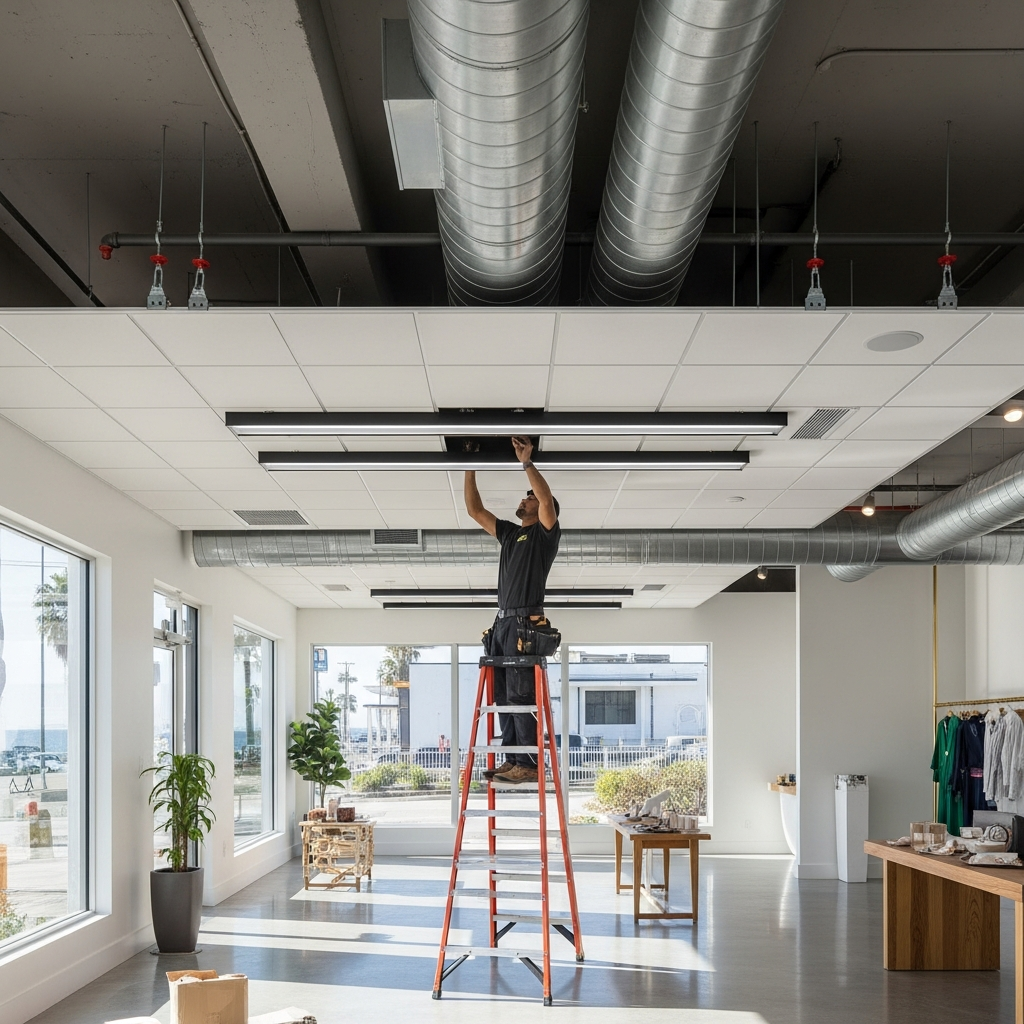
Commercial spaces in Malibu ask a lot of their duct systems. Offices want steady, quiet airflow for focused work, while retail spaces aim for a welcoming feel that stays comfortable even as doors swing open to the ocean breeze. Between coastal humidity, salt air, and the ebb and flow of foot traffic, ductwork in commercial buildings endures conditions that are quite different from those in a typical residence. When a building owner or facilities manager begins to plan commercial duct replacement, the most important questions revolve around continuity of operations, indoor air quality, and long-term durability. If you are navigating these decisions, a clear understanding of how design, permitting, and phasing come together will help you set priorities and avoid disruption. Early in the process, it does not hurt to revisit the fundamentals of duct replacement so that your team speaks a common language about airflow, sealing, and verification.
Malibu’s commercial properties often sit close to the shoreline, where morning fog can roll in and afternoon sun can heat storefront glass. A retail space on the Pacific Coast Highway may experience a constant cycle of door openings, which allows conditioned air to spill out and invites humid or dusty air in. Offices located inland or higher on the slopes see different rhythms—cool mornings and warm afternoons with winds that buffet roofs and test rooftop equipment. All of these microclimates feed into how ducts should be designed, supported, insulated, and maintained.
Design for Occupancy and Use
Commercial duct replacement begins with occupancy. In an office, the density of people per square foot, the heat given off by equipment, and the need for low background noise guide design. In retail, the focus may be on a steady temperature in the customer zone with strategic supply placement near entrances and display areas. Conference rooms and fitting rooms each present special cases, as both are small spaces that can feel stuffy without appropriate returns. A good design identifies zones that are likely to fluctuate and ensures that both supply and return pathways can adapt to changing load without creating noise.
In Malibu, glass-heavy façades and high ceilings are common architectural features. Duct sizing must account for these conditions by delivering air at volumes and throw patterns that actually reach the occupied zone. Linear diffusers may provide gentle, distributed airflow in a modern shop, while traditional registers can work for offices with drop ceilings. When the layout requires long runs, the trunk-and-branch strategy should minimize sharp turns and constrictions, ensuring that fans are not forced to fight friction losses all day long.
Noise, Vibration, and the Customer Experience
Sound is an underappreciated part of commercial duct design. In offices, white noise is sometimes acceptable, but a roaring return is not. In retail, audible hiss or vibration near a display can overshadow ambiance. During replacement, attention to return sizing, diffuser selection, and support spacing helps keep systems quiet. Flexible connectors at air handlers, isolation hangers where practical, and smooth transitions all contribute to a calmer sound profile. Over time, quieter systems also tend to be more efficient because they avoid the turbulence that wastes fan energy.
The coastal environment adds another acoustic consideration: wind. Rooftop equipment and exposed ductwork can transmit vibration into the structure on gusty days. Replacement is the right moment to reinforce supports, renew weather seals, and add vibration control where needed. A small investment in these details improves daily comfort for occupants and staff.
Air Quality and Ventilation in Coastal Conditions
Indoor air quality is a top priority for commercial spaces. Malibu’s location means that on some days, outdoor air contains salt particles, humidity, or—during certain seasons—smoke from distant fires. While ventilation is essential, the duct system must deliver fresh air in a way that supports filtration and comfort. Replacement gives facility managers a chance to evaluate outside air ducting, confirm that intakes are positioned sensibly, and ensure that filters are accessible and sized for the required air volume without imposing severe pressure penalties.
Commercial returns often handle large volumes of air for long periods throughout the day. Sealed return plenums and properly insulated return ducts keep this large “lifeblood” pathway clean and efficient. When returns leak, they pull air from ceiling cavities or wall chases, introducing dust and odors. In Malibu, where some buildings experience higher humidity near the ocean, a tight return also reduces the risk of condensation in the wrong places.
Permitting, Codes, and Inspections
Commercial work in Malibu must satisfy energy codes and local building requirements. Duct sealing, insulation values, and verification of airflow are all part of the process. Many projects also involve smoke and fire damper considerations, especially when ducts pass through fire-rated assemblies or serve multiple tenant spaces. Replacement is an opportunity to confirm that required dampers operate correctly and are accessible for inspection and maintenance. For property managers, maintaining clear records of testing and installation details supports risk management and future tenant improvements.
Documentation plays an outsized role in commercial settings. When tenants change or spaces are subdivided, the ability to reference prior duct layouts, calculations, and inspection results streamlines future work. This is especially useful in Malibu, where retail and office spaces evolve with the seasons and the local economy. Well-documented duct systems are easier to reconfigure without sacrificing performance.
Phasing and Maintaining Operations
The number one concern for any business is downtime. In planning a commercial duct replacement, phasing is essential. Work may be staged outside business hours, over weekends, or in carefully sequenced sections to preserve the ability to open the doors each day. Temporary cooling or heating solutions, combined with strategic isolation of work areas, can keep customers comfortable and employees productive. Communication with tenants and staff about daily goals and access points minimizes surprises.
Because Malibu businesses rely on customer experience, it is worth considering how to leverage the project to improve the space. For example, adding a return in a seldom-ventilated corner can freshen air and reduce odor buildup. In an office, adding low-velocity diffusers over collaboration areas can improve comfort during meetings. Replacement projects are a rare chance to make these thoughtful adjustments without adding significant disruption.
Materials, Weatherproofing, and Coastal Durability
Coastal air accelerates wear on exterior components and can influence interior ductwork, too. Exposed rooftop ducts and equipment should be protected with appropriate weatherproofing. Fasteners and hangers selected for corrosion resistance will extend the life of the installation. Inside, cleanable metal trunks remain a smart choice for high-volume commercial runs, while carefully supported flex branches can serve local diffusers with minimal noise. Wherever ducts pass through unconditioned spaces, continuous insulation and sealed vapor barriers protect against condensation and heat gain or loss.
Malibu’s sunny days can cook rooftop surfaces, raising the temperature of any ductwork exposed to direct light. Reflective coatings and proper insulation reduce thermal stress and protect the air temperature inside the duct. These investments yield day-to-day benefits in comfort while extending service life.
Commissioning, Balancing, and Documentation
Testing, adjusting, and balancing are the finishing steps that translate good design into good performance. After replacement, each zone should be measured and tuned to deliver the intended airflow. Diffusers and dampers are set to achieve the balance that occupants will experience during daily operation. Commissioning also verifies that control strategies are working as intended, that sensors read accurately, and that schedules support comfort without unnecessary runtime.
For managers, a complete closeout packet—layouts, damper settings, filter sizes, and photos of critical details—becomes a reference that eases maintenance and supports future changes. A clear record of damper positions and airflow targets prevents drift over time as filters are replaced and minor adjustments accumulate.
Special Cases in Malibu Offices and Retail
Some local scenarios deserve special mention. In beachfront retail, the frequent door cycling demands robust supply near entrances. Diffusers might be placed to create a gentle curtain of conditioned air, reducing the intrusion of warm, humid air without blasting customers. In second-floor offices under pitched roofs, attic duct runs must negotiate trusses and skylight wells. Careful routing and generous insulation prevent hot spots that would otherwise push fans harder than necessary.
Historic or architecturally distinctive buildings require sensitivity during replacement. Exposed beams, vintage finishes, or open ceilings demand a design that respects aesthetics while delivering performance. Linear slot diffusers or discreet registers can serve both goals when paired with thoughtful duct routing. Malibu’s design culture values subtlety, and a successful commercial duct project honors that expectation.
Stakeholder Communication and Training
Even the best-designed system benefits from clear communication with occupants. In offices, simple guidance about thermostat settings, expected sound levels, and filter schedules keeps everyone aligned. In retail, staff should know which diffusers influence the customer zone and how to report any persistent hot or cold spots. Replacement is also an opportunity to train maintenance personnel on damper locations, access panels, and inspection points for smoke and fire dampers where applicable.
When seasons change, revisiting balance and setpoints may be useful. Malibu’s coastal microclimates can swing from cool mornings to warm afternoons in a single day. A brief seasonal check-in keeps spaces comfortable without overreaction to temporary conditions.
Midcourse Corrections During Projects
As demolition begins, surprises sometimes emerge. Perhaps an old tenant improvement left abandoned ductwork above the ceiling, or a return plenum is smaller than expected. Successful teams address these discoveries quickly with field adjustments that preserve the design intent. Small shifts in diffuser location or the addition of a short return branch can resolve issues that only become visible once ceilings are opened.
This is also the time to ensure that new work ties into existing building systems cleanly. Electrical connections for fan-powered boxes, control wiring for dampers, and coordination with lighting or sprinkler layouts may all need attention. In Malibu’s often custom-built commercial spaces, coordination is the art that makes technical excellence look effortless.
Frequently Asked Questions
Q: How can we replace ducts without closing our business? A: Phasing the work during off-hours, isolating sections, and providing temporary conditioning are proven strategies. Clear daily communication with staff and tenants minimizes disruption.
Q: Will new ducts reduce noise in our office? A: Properly sized returns, smooth transitions, and diffuser selection can significantly reduce background noise. Many offices notice a calmer sound profile after replacement.
Q: How does Malibu’s salt air affect commercial ductwork? A: Salt accelerates wear on exterior components and can influence interior hardware. Using corrosion-resistant materials and maintaining weather seals protects the installation over the long term.
Q: Are smoke and fire dampers part of replacement? A: Yes, where ducts penetrate rated assemblies or serve multiple spaces, dampers must be inspected, tested, and left accessible. Replacement is an ideal time to verify function and documentation.
Q: What documentation should we expect at closeout? A: Layouts, airflow targets, damper settings, filter schedules, photos of critical details, and any inspection records. This packet simplifies maintenance and future changes.
Q: Can we improve air quality during high-traffic hours? A: A tight return system and accessible filtration help, combined with ventilation strategies tuned to occupancy. Proper diffuser placement near entrances can reduce drafts from frequent door openings.
Q: How often should balancing be revisited? A: It is wise to check balance after seasonal changes or significant tenant modifications. Small adjustments keep comfort steady without chasing temporary conditions.
If you are planning a commercial project in Malibu, align your team around goals for comfort, quiet, and resilience. Review the essentials of duct replacement, then schedule a site walk and planning session. With a thoughtful design and clear phasing, you can protect daily operations while delivering the experience your staff and customers expect.