
The Malibu perspective on “average” duct replacement
When people around Malibu ask what the average duct replacement cost looks like, they’re usually trying to get a sense of scope and where to begin. As a local who spends most days in coastal attics and hillside crawlspaces, I’ve learned that no two homes here are truly alike. Ocean-facing salt air, canyon winds, wildfire seasons, and the way many Malibu homes were expanded over the years all shape how a duct system performs and how a replacement should be planned. It’s natural to want a single number, but the story behind that number is what determines comfort, efficiency, and longevity.
Think about a classic ranch in Malibu Park compared to a multi-level contemporary on the bluffs. The path air must travel, the location of the air handler, the presence of cathedral ceilings, and the way insulation was installed all influence the project. That’s why talking about averages is helpful only if you understand the moving pieces. In the first consultation, I focus on airflow and access, not just the linear feet of duct. The reason is simple: the details of duct replacement—from layout to sealing—determine how comfortable your rooms will feel on a 94-degree Santa Ana day or a damp marine layer morning.
Why averages can mislead homeowners
When you hear the word “average,” it’s easy to picture a bell curve and imagine your home landing near the middle. Malibu resists the middle. Many houses started as cozy beach cottages and became larger over decades, which can leave patchwork ductwork behind drywall and under flooring. Others were custom built with dramatic spans and open plans that look stunning but require intentional duct design to avoid hot-and-cold pockets. An average figure can gloss over critical differences like whether your returns are centralized or distributed, how your supply trunks are sized, and whether the ducts are in a vented attic or a sealed crawlspace. Each of those variables shapes the scope of a proper replacement.
There is also the question of building code updates. California’s energy standards evolve, and Malibu permits typically expect today’s standards to be met. That might mean upgrading insulation values, ensuring adequate return air, and measuring leakage with a calibrated test. None of this is complicated with the right planning, but it’s why the idea of a single average rarely reflects the real picture of this coastline community.
What truly shapes a duct replacement in Malibu
Start with access. Many Malibu attics are tight, with angled trusses and limited decking. Running smooth, gently curved ducts in tight spaces takes forethought. In hillside homes on stilts, crawlspaces can range from roomy to barely navigable, and that access can shape how long a replacement takes and which materials make the most sense. Then consider materials. Metal ducts, quality flex, or duct board each has a place depending on the design, the noise expectations, the presence of salt air, and whether critters have been an issue in the past. We also think about returns and filtration—more Malibu homeowners prioritize high-efficiency filtration because of smoke events and seasonal allergens, which means the duct system must be sized to maintain healthy airflow even as filters do their job.
Insulation and sealing are equally important. It’s not just about preventing temperature loss; it’s about quiet, efficient delivery. Malibu nights can be silent, and a dull whoosh through a poorly strapped duct can be surprising in a primary suite. Using the right vapor barriers, tapes, and mastics for our climate makes that whoosh disappear and keeps conditioned air moving with intention. Finally, the system layout shapes how a replacement feels to live with. Placing supplies so cold air doesn’t cascade onto a bed or a reading chair makes a nightly, practical difference.
Local conditions that redefine the “average”
Coastal salt air encourages corrosion, especially on unprotected metal in vented attics, so material selection matters. Marine layer moisture means insulation and vapor control must be handled carefully to prevent condensation. In canyons, winds can drive fine dust into vulnerable gaps, so robust sealing has outsized benefits. And then there’s wildfire smoke. A thoughtfully replaced duct system will consider return placement, filtration upgrades, and sealing approaches to keep indoor air cleaner when outdoor air quality dips. These Malibu-specific realities mean an “average” duct job somewhere inland may not be the right guidepost for a home on Point Dume or in Latigo Canyon.
Home layout influences both comfort and project execution. Large glass walls are gorgeous but introduce heat gain and stratification, so ducts have to be positioned to throw air where it’s needed without creating drafts. Loft spaces are common in Malibu, and that vertical space can trap warm air; zoning or carefully balanced supplies can smooth temperature layers so that a reading nook on the mezzanine feels as comfortable as the sofa below.
The replacement process, step by step
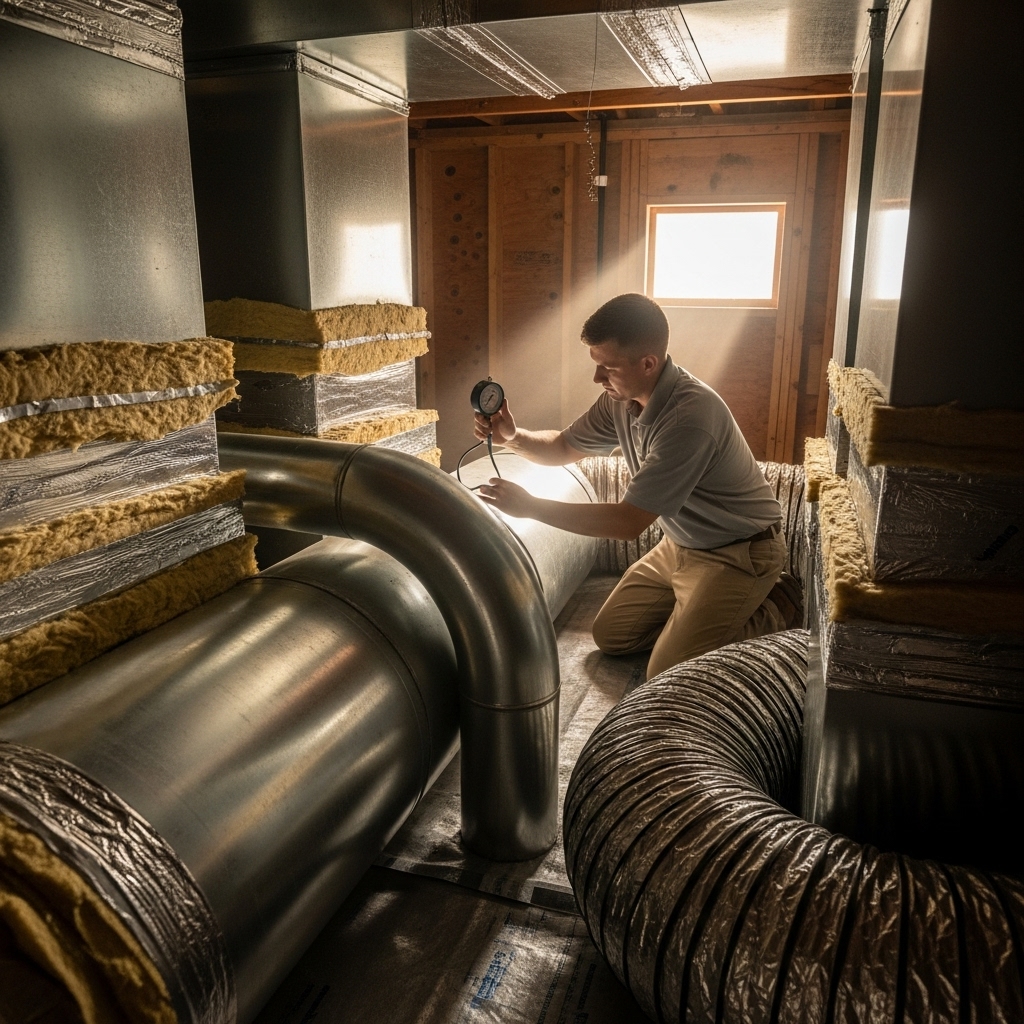
Every project begins with an evaluation of the existing system. I’m looking at trunk sizes, branch lengths, and how the return pathway breathes. I take pressure readings and verify whether the duct leakage is contributing to dust or uneven temperatures. Photos and sketches help everyone see what’s hidden behind access panels. The design phase focuses on right-sizing and simplifying. Sharp turns are eliminated in favor of broad sweeps that reduce resistance. Flexible duct is kept taut and appropriately supported. Metal trunks are insulated and sealed with long-life materials. We consider acoustics near bedrooms, especially for night owls and light sleepers.
Demolition and installation are coordinated to minimize disruption. In attics, we lay down protective coverings and add temporary lighting to keep the work safe and tidy. In crawlspaces, we use knee boards and proper clearance to protect the home’s underbelly. Once ducts are in place, we seal connections meticulously, strap lines to avoid sag, and make sure insulation is continuous. Then comes balancing: adjusting dampers so every room sees even delivery. At the end, we test, because proof matters. A quick conversation walks you through what changed, how to replace filters, and what to listen for after the first week of operation.
Materials and methods that fit Malibu homes
There’s no one-size-fits-all material in our area. High-quality flex is wonderfully quiet when installed straight and supported, which can be invaluable above primary bedrooms. Rigid metal trunks can handle long runs through warm attics and maintain consistent airflow into distant rooms. Duct board can be useful in certain configurations for thermal performance and sound management. The point is not to pick a single favorite material but to choose the right combination for the space. Even the best duct is only as good as its sealing, so mastic and UL-rated tapes, applied with care, make the difference between a system that performs well at first and one that is still tight and efficient years later.
We also talk about returns. Malibu homes often benefit from additional return pathways, especially after remodels transformed closed-off rooms into open living areas. Expanding return capacity allows the blower to work comfortably without straining, which reduces noise and drafts. Filtration housing selection is another decision point. If you value indoor air quality, the duct plan should make room for efficient filters without compromising airflow. These details don’t show up in an “average” estimate, but they are the ingredients of a quiet, effective system.
How “average” meets design reality
It’s tempting to start from an average figure and work backward. In practice, I find it better to think about goals first: even temperatures from kitchen to office, quieter operation at night, cleaner air during smoky days, and manageable maintenance. With those in mind, the design follows naturally, and the result is a system that feels tailored rather than generic. In Malibu’s microclimates, that tailoring is what keeps a beachfront primary suite from feeling sticky while a canyon guest room avoids the chill. Design choices—like improved return air and straightened supply runs—often deliver more comfort than any shiny component swap.
In the middle of a project, homeowners sometimes ask whether it’s worth adding a short branch to address a stubborn corner or rerouting a line to reduce a bend. These small choices add up. Consider them the difference between a duct system that “works” and one that disappears into the background of daily life, quietly doing its job. That’s also why conversations about averages rarely capture the value of careful layout. The plan on paper is only half the story; the other half is the way a craftsperson shapes each connection in a space that wasn’t designed for easy movement. Somewhere around this point in a conversation, I like to revisit goals and confirm everything is aligned, because the aim of duct replacement is a home that simply feels right no matter the hour.
What homeowners can do to prepare
A little preparation goes a long way. Clearing access to attic hatches and crawlspace doors speeds work and reduces household disruption. We plan protection for floors and furnishings, but when you move cherished items or artwork beforehand, the crew can focus on installing and testing. Pet safety is another priority; Malibu dogs and cats are adventurous, and keeping doors closed or crates handy ensures a calm site. If you work from home, we can establish quiet windows during testing to avoid interruptions. These steps also make it easier to finish on schedule, which matters if you have guests arriving for the weekend swell or a midweek dinner overlooking the Pacific.
After installation, take a few days to live with the system. Make notes about rooms that feel perfect and those that could use a nudge. Balancing is part science and part art, and fine-tuning dampers based on your feedback is built into a thoughtful replacement. Filters should be checked on a schedule that matches your household—homes with ocean breezes open and children running in and out may want to peek more often during spring and fall when pollen moves through the canyons.
Common misconceptions about duct work
One misconception is that more airflow is always better. In reality, too much air at a single register can create drafts and noise while starving other rooms. Another misconception is that sealing is a one-and-done exercise; materials matter, and so does the way seams are prepared before sealing. A third is that ducts are passive components. They’re not. Ducts actively shape comfort, humidity, cleanliness, and sound in your home. Treating them as an afterthought leads to uneven rooms and wasted energy. Finally, people sometimes assume that the system they inherited must be close to optimal. In Malibu, where remodels are common, original duct designs often weren’t revisited after walls moved or ceilings soared. A replacement is a chance to reset the foundation for decades of comfort.
Timelines and living through the work
Homeowners often worry about how disruptive a duct project will be. Communication is key. We stage work so that bedrooms remain functional at night and kitchens stay open. Crews clean as they go, removing old ducts, capping openings, and vacuuming debris so fibers and dust don’t travel into living spaces. Expect check-ins at the start and end of each day to review progress and confirm the next steps. Good crews respect the privilege of working in your home, and a well-run project feels more like a careful renovation than a chaotic construction site.
Outcomes that matter more than an average
The right outcomes are comfort you notice immediately, quieter operation, noticeably cleaner surfaces over time, and a thermostat you don’t fight with. Many Malibu homeowners tell me their home finally feels even from room to room, that sleeping is easier, and that the system as a whole feels calmer. That outcome is the real target behind talk of averages. When everything is designed and installed with your home’s quirks in mind, the system fades into the background and the living you do here—morning coffee on the deck, game nights with friends, an afternoon nap as the breeze shifts—takes center stage.
FAQ
How long does duct replacement typically take in Malibu homes?
Timeline depends on access and layout. Many Malibu attics are tight or irregular, and hillside crawlspaces can complicate movement and staging. Crews plan around bedrooms and living areas so you can still enjoy the home in the evening. Clear communication and staged work areas help keep the project smooth, and testing at the end confirms the design goals were met. The end result is a system that feels even and quiet throughout the day and night.
Will new ducts reduce dust and improve indoor air quality?
Thoughtful replacement, with proper sealing and adequate return air, can significantly reduce the dust you find on surfaces. Many homeowners pair new ducts with improved filtration, which captures finer particles during wildfire smoke or windy days. The key is sizing and sealing so better filters don’t choke airflow. With the right plan, you’ll notice cleaner air and more comfortable breathing in bedrooms and main living spaces.
Do I need to change my registers or grilles when replacing ducts?
Not always, but it’s often worth evaluating. Older registers can whistle or restrict airflow. In some Malibu remodels, the style of grille changed but the sizing didn’t, leading to noise or uneven distribution. During a replacement, it’s an easy moment to align grille choice with the new duct design and your aesthetic, improving both performance and appearance.
How do I know if my returns are sufficient?
We measure pressure and listen to the system. If doors close by themselves when the system runs, or you hear a rush at the return that feels aggressive, return capacity may be tight. Many Malibu homes benefit from additional return pathways after walls have moved or rooms were combined. Expanding returns lets the blower breathe, reducing noise and evening out temperatures across the home.
Will a duct replacement make my home quieter?
Yes, when designed with acoustics in mind. Fewer sharp turns, taut flexible runs, insulated trunks, and properly sized registers all lower noise. We also consider bedroom placement and nighttime use when we route supplies. The goal is to deliver the air you need without drawing attention to itself, so you sleep and relax without background whoosh or rattles.
What happens after the installation is complete?
After testing and balancing, we walk you through the system, note filter sizes and locations, and discuss your household routine. We encourage a follow-up check after you’ve lived with the system for a bit. Small damper adjustments based on your feedback can perfect the balance. You’ll also have documentation of the materials and methods used, which is helpful for future service and peace of mind.
If you’re ready to move past averages and want a tailored approach that fits your Malibu home, reach out for a friendly evaluation. We’ll listen, measure, and design for the way you actually live, so comfort feels effortless. When it’s time to take that step, start the conversation with a quick note about your goals and schedule a visit. Your path to a calmer, cleaner, more even home begins with expert duct replacement planned for Malibu’s coast and canyons.