
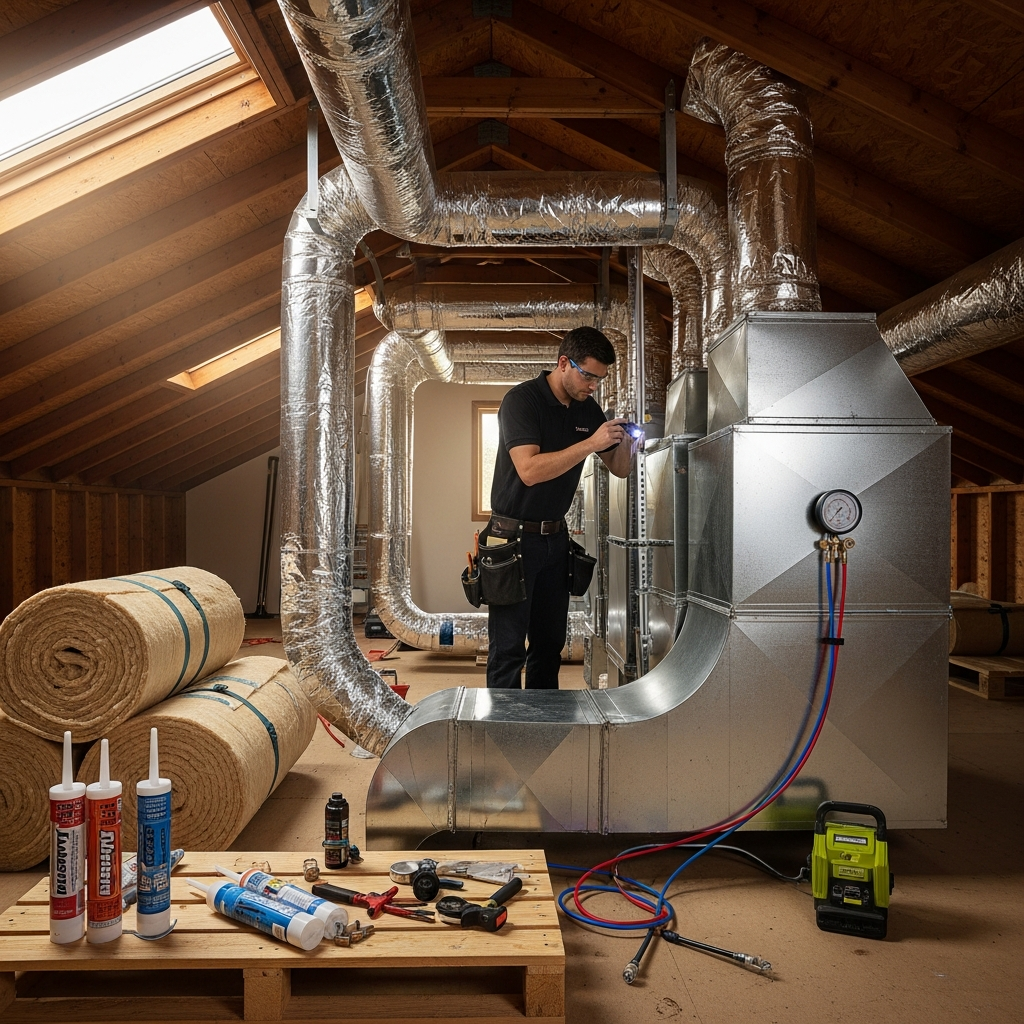
When neighbors in Malibu start comparing notes about comfort, indoor air quality, and the feel of a home during those breezy marine-layer mornings and warm canyon afternoons, the topic of ductwork comes up more often than you might think. Homeowners sense when rooms condition unevenly, when dust returns quickly after cleaning, or when the system seems to run longer than it used to. That’s usually the moment curiosity turns toward what it really takes to renew the hidden network moving air across attics, crawlspaces, and wall chases. If you’re at the beginning of that journey and wondering how to think about the many moving parts, it helps to have a local lens. Malibu’s coastal microclimates, hillside homes, and unique architecture influence every decision about duct design, materials, and installation approach. For many, the first step is simply understanding the landscape of choices that shape the real-world experience—how a project is scoped, what challenges are typical, and how a thoughtful plan can protect the home while elevating comfort for years to come. In that spirit, consider this your guide, from a local’s vantage point, to frame the nuances of duct replacement in Malibu without fixating on numbers, and instead focusing on value, durability, and outcomes.
The most helpful way to think about the investment is to start with goals. Some homeowners want a quieter system; others crave consistent temperatures from a glass-walled living room to a shaded primary suite; many want cleaner air and fewer allergy triggers. Those goals inform everything that follows, from material selection to layout changes. When technicians talk about “load,” “distribution,” or “leakage,” they’re describing the path air takes from the equipment to your rooms and back, and how much is lost along the way. In Malibu, where attics can heat quickly in late summer and coastal moisture can linger overnight, dialing in these variables makes a noticeable difference. The key is translating goals into choices about duct sizing, routing, insulation, and sealing that fit your home’s architecture, not just code minimums.
Home architecture exerts the strongest pull on the scope of any project. Single-level ranch homes near the water may have open attic access and relatively straightforward runs. Split-level homes tucked into canyons might require creative routing around beams, skylights, or vaulted ceilings. Homes built in stages—common in Malibu’s renovation-rich history—often inherit a patchwork of duct styles and ages. Each transition, fitting, and length change affects how air moves, and whether the system can maintain designed pressures without excessive noise or energy use. When professionals assess a property, they’re mapping these realities and matching them to the comfort and air quality outcomes you want.
Materials are another lever. Flexible insulated duct is common for its ease of installation and vibration dampening, but it has to be supported and routed with intention to avoid kinks and compression. Rigid metal ducting, properly sealed and insulated, offers durability and smooth airflow, which can shine in longer runs or in areas where rodents have historically been a concern. In a coastal environment, the conversation often includes corrosion resistance and protective coatings, especially in semi-exposed chases or vent terminations near the ocean. Insulation values matter, too, because Malibu’s temperature swings—from cool mornings to warm afternoons—test the thermal stability of attic or crawlspace runs.
One of the lesser-known drivers of duct performance is return air strategy. Many older homes under-size returns, or place them in noisy or dusty areas. A modern approach recalibrates return sizing to your home’s actual air needs, reduces whistling and vibration, and encourages better filtration. That might mean adding a second return, relocating an existing one, or opening up an undersized grille. The outcome is palpable: quieter operation, gentler movement of air, and filters that work as intended.
Sealing and verification deserve special attention. Malibu homes benefit from robust sealing at every joint and seam, not just for efficiency, but to protect indoor air quality by keeping attic fibers, crawlspace dust, or garage odors out of supply air. After installation, a proper verification process should include duct leakage testing, static pressure measurements, and balancing. Think of this step as the system’s report card—proof that the design and workmanship have come together to deliver what you asked for. Because Malibu is in California, you’ll also frequently hear about code requirements and Title 24 testing protocols. A reputable contractor will guide you through those requirements and handle the paperwork and inspections so that compliance supports, rather than complicates, your goals.
Every home tells a story when you open an attic hatch or crawlspace door. In Malibu, that story sometimes includes rodent damage, insulation compressed by past storage, or ducts rerouted casually during past electrical or AV upgrades. Hidden surprises don’t need to derail your goals, but they do call for flexibility. An experienced local team anticipates what’s likely in each neighborhood and period of construction and builds contingency plans accordingly. They’ll also coordinate with other trades if a framing adjustment, new platform, or roof penetration is needed, keeping timelines and disruption in check.
Another layer that shapes a project is indoor air quality. Homeowners are increasingly aware of wildfire smoke events, seasonal pollen, and coastal humidity. The duct system is central to managing those realities. Designers may recommend upsized returns with deeper cabinets to accommodate higher-efficiency filters, or filter media that matches lifestyle and sensitivities without over-restricting airflow. In some homes, a modest redesign of supply locations and diffusers helps temps blend better in rooms with tall glazing or expansive ocean-facing windows.
Comfort, of course, isn’t only about temperature; it’s about sound, drafts, and the feel of a space. Malibu’s open floor plans and vaulted ceilings can amplify noise from over-pressurized ducts or undersized grilles. During replacement, subtle tweaks—like redistribution of branch lines, smoothing transitions, or improving support and strapping—lower turbulence and hush the system. Those refinements may be invisible, but you hear and feel the difference every day.
From a project management perspective, the path usually begins with a site visit and a conversation led by your goals. A proper assessment documents existing duct sizes, routes, insulation levels, and leakage clues. Some teams use flow hoods and manometers to capture initial data, which anchors before-and-after improvements. With that understanding, the proposal you receive should be more than a line item; it should tell you what will change and why, how returns will be right-sized, what insulation level will be used, and how final testing will verify outcomes. This narrative approach ensures alignment and reduces surprises during the work.
It’s natural to wonder whether sections of the existing system can be salvaged. In many homes, partial upgrades make sense, especially if certain branches are newer or have been protected in conditioned chases. However, patchwork solutions must still deliver balanced airflow and verifiable sealing. When evaluating partial versus full replacement, think downstream. The question is not just what you save today, but what you want the system to deliver across Malibu’s seasons and how easily it can be serviced later.
Because coastal environments invite corrosion, Malibu duct projects often incorporate strategies to protect exposed sheet metal, exterior terminations, and fasteners. Galvanized or coated metals, stainless hardware for exterior caps, and mindful routing that avoids condensate-prone cold spots all contribute to longevity. Insulation facings and vapor barriers must be appropriate for the orientation and location of duct runs. These are the quiet choices that keep systems tight and clean over time.
Timing is another subtle factor. Many homeowners schedule duct work alongside roof replacements or attic insulation upgrades, maximizing access while minimizing disruption. Others align their projects with travel plans or quieter seasons to reduce the impact on daily routines. The best experiences result from a collaborative schedule and clear communication on day-to-day steps—what happens when the team arrives, how access is protected, and when you can expect testing and cleanup.
In the middle of all this planning, it helps to step back and remember the outcome you’re after. Cleaner air, steadier comfort, and a quieter home are tangible. They change how you use spaces, from morning routines to evening gatherings. Clear goals also guide trade-offs when making calls about materials, access routes, or return locations. When you keep the end in view, it becomes easier to evaluate recommendations and choose the path that honors both your home’s architecture and your lifestyle. If you find yourself weighing options, it can be reassuring to revisit your original purpose statement, and to ask your contractor to tie each suggestion back to that purpose. In this phase, many Malibu homeowners like to compare a few design variations, including an option that looks beyond the minimums. That’s a productive way to visualize how improvements layer together. It’s also a smart moment to revisit resources tailored to Malibu homes and modern best practices in duct replacement, as they can clarify details that might otherwise feel abstract.
One question that naturally arises during planning is how to prepare your home for installation day. Access is everything. Clearing a path to attic entries, moving stored items away from work zones, and protecting delicate finishes go a long way. A good crew will do the same from their side—laying runners, setting up containment where needed, and maintaining tidy staging so that household routines can resume quickly each evening. It’s also normal for crews to pause for in-the-moment decisions, such as slightly shifting a line to avoid a beam or to straighten a bend that would otherwise introduce noise. These are the places where experience shows and where a shared understanding of outcomes speeds smart choices.
Ventilation and combustion safety occasionally enter the conversation, especially in older Malibu homes. If a furnace shares space with a water heater, for example, return placement and sealing choices must respect combustion air needs and backdraft risks. Today’s best practices look at the system as a whole, ensuring that one improvement doesn’t create an unintended consequence elsewhere. If you’re moving to a heat pump, duct design may adjust to the equipment’s airflow profile and defrost strategies. In all cases, the ductwork you install today should serve you across future equipment cycles.
Testing and balancing are the finale. Once ducts are in place and sealed, technicians measure static pressure at the equipment, check airflow at key registers, and confirm leakage rates against California’s standards. These numbers aren’t just for paperwork; they demonstrate that design principles made it off the page and into your home. Many homeowners enjoy a brief walkthrough of the results—before-and-after comparisons, a look at new return grilles, and a sense of how maintenance like filter changes should feel going forward.
After the dust settles, maintenance is simple and predictable. Regular filter changes paired with seasonal checkups help keep the system running as designed. If your home is near the beach, a glance at exterior terminations after storms and occasional inspection of insulation facings in semi-exposed areas can head off small issues early. This ongoing attention is light-touch but pays dividends in air quality and comfort.
It’s worth noting that the benefits of a well-executed duct replacement ripple into daily life in subtle ways. Conversations feel clearer without background whoosh. The difference between sunlit and shaded rooms narrows. Surfaces collect less dust, especially in homes that had leakage paths pulling particles from attics or crawlspaces. Nighttime comfort becomes more consistent, and early morning warmups feel even and gentle. These are the experiences Malibu homeowners notice and share with friends, and they are why careful planning and craftsmanship matter as much as codes and compliance.
Ultimately, thinking clearly about your Malibu home’s ductwork is about clarity of purpose, respect for the architecture, and a commitment to verifiable outcomes. When those align, the result is a well-balanced system that breathes with your home and supports how you live in it, season after season.
Frequently Asked Questions
How do I know my ducts are the main reason my home feels uneven?
Uneven rooms can have many causes, from solar gain to insulation gaps to window performance. Ducts join the list when you notice whistling grilles, rooms that change dramatically with fan speed, or dust streaks around registers that hint at leakage. A site assessment with basic measurements—static pressure, airflow spot checks, and a visual look at routing—quickly clarifies whether ducts are the primary lever for improvement.
What makes Malibu homes unique when planning duct projects?
Coastal exposure, varied topography, and architectural diversity all play a part. Salt air encourages careful selection of metals and hardware. Attics can run warm by afternoon, yet nights cool quickly, so insulation and vapor strategies matter. Many homes evolve through remodels, which means existing duct routes may reflect decades of small changes. Local experience helps predict what’s behind finishes and how to protect them.
Can partial replacement work, or is a full overhaul always better?
Partial replacement can be effective if the remaining ducts are in good condition, appropriately sized, and well-sealed. The critical test is whether the combined system can be balanced and verified. Where older sections constrict airflow or complicate sealing, the long-term experience often improves with a holistic redesign.
How disruptive is the process inside the home?
Expect daytime activity focused on access points, attics, or crawlspaces, with tools and materials staged carefully. A respectful crew protects surfaces, maintains clear walkways, and cleans up daily. Many projects can be completed while you remain at home, with advanced notice for any particularly noisy or dusty steps so you can plan around them.
Do ducts influence indoor air quality as much as filters do?
Yes. Filters can only do their job if air is pulled through them rather than around them. Tight, well-sealed ducts prevent the system from drawing unfiltered air from dusty spaces and guide all return air through the filter cabinet. Placement of returns and thoughtful sizing reduce noise, improve capture, and extend filter life.
What about future equipment changes—will today’s ducts still fit?
A good design anticipates common equipment profiles, especially if you’re considering a heat pump now or down the line. Duct sizing, return strategies, and diffuser selection can be tuned to remain compatible with a range of equipment options, so you don’t have to redesign the distribution system with each equipment cycle.
How long does verification take, and what does it include?
Final verification typically includes duct leakage testing, static pressure checks, and airflow balancing. The process helps confirm that the installation delivers on the design. Your team should walk you through results and show where access panels, returns, and filters are located for easy maintenance.
Is there an ideal season to undertake duct work in Malibu?
Many homeowners prefer shoulder seasons to reduce potential disruption, but the right time is when you’re ready and your contractor’s schedule aligns. If you’re pairing duct work with roofing or insulation upgrades, coordinating timelines can minimize intrusion and make access simpler.
If you’re ready to translate goals into a clear plan and want a team that understands Malibu’s coastal conditions, hillside access, and architectural nuances, it’s a great moment to schedule a personal walkthrough and talk through design options. For guidance grounded in local experience and modern best practices, reach out today to explore duct replacement options that prioritize comfort, air quality, and longevity—so your home feels right, every day.