
Ask ten Malibu homeowners what “professional” means and you will hear different answers: thorough, careful, documented, respectful of the home, and built on a plan rather than improvisation. When it comes to the hidden pathways that move conditioned air from the coast to the canyons, professionalism is both a mindset and a method. It begins with listening, continues with transparent inspection, and culminates in verifiable results. If you have ever wondered what sets a true service apart from a quick sweep, this guide walks through each stage, tuned to the realities of our local microclimates. As you consider air duct cleaning, understanding the process helps you recognize the difference between activity and craftsmanship.
Malibu’s geography shapes everything. Morning marine layers, afternoon winds off Zuma, and the dry canyon air that flows down from the Santa Monicas each leave a signature inside ductwork. Salt aerosol, fine dust, pet dander, and construction residue mingle in patterns that tell trained technicians where to look and how to clean. Add to that diverse architecture—beachfront homes with low crawl spaces, hillside designs with long attic trunks, and contemporary builds with high returns—and you have a canvas that rewards preparation.
Stage One: Listening and Learning the Home
Professional service starts at the door, not in the attic. Technicians listen to what the home has been experiencing—rooms that run warm, a faint odor on startup, a layer of fine dust that seems to return quicker than it should. They ask about renovations, wildfire exposure, and pets. These details don’t just build rapport; they point to specific places in the system where issues are likely to live. A family that kept windows open all summer may have more debris near returns. A recent remodel might leave drywall dust downstream of the working spaces.
Stage Two: Inspection and Documentation
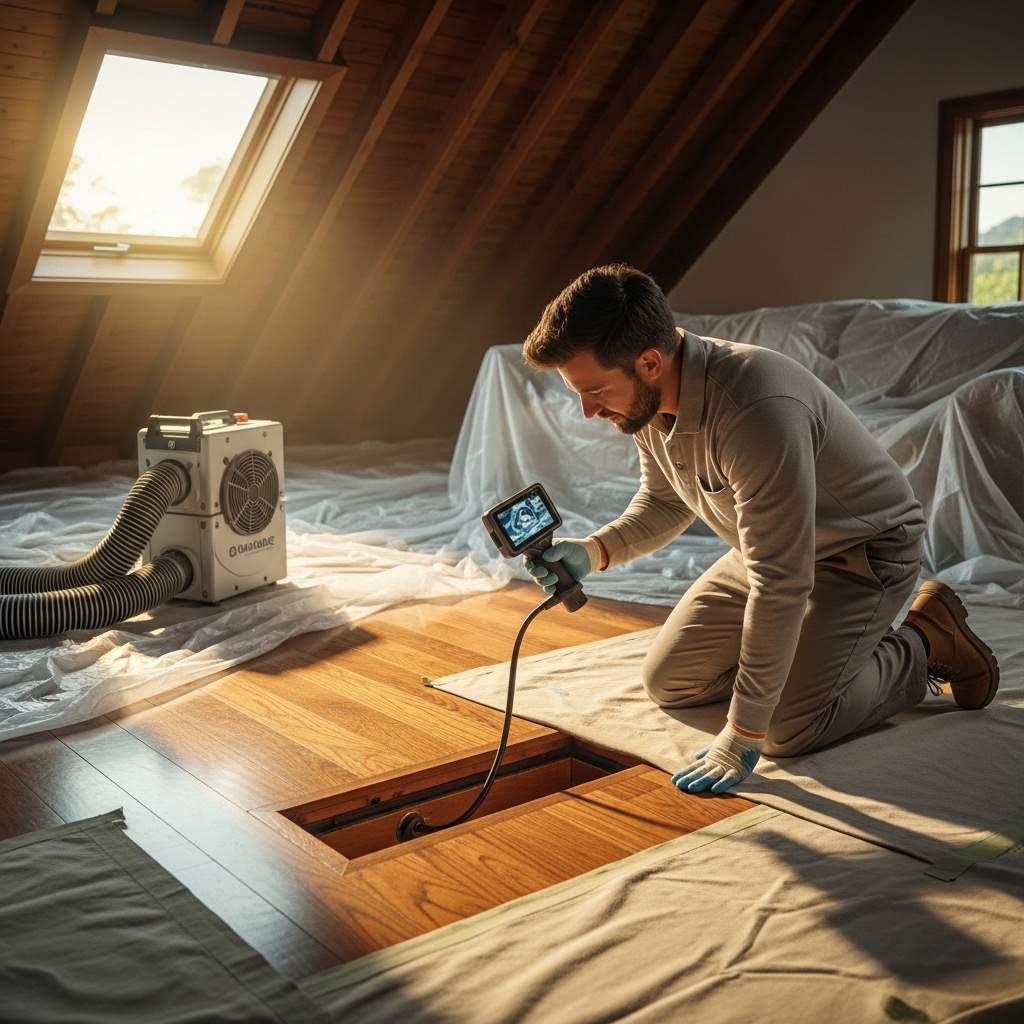
Inspection is the backbone of professionalism. Visual checks at registers, returns, and the air handler set a baseline. When safe and appropriate, small cameras or scope tools provide a peek into representative runs. The aim is to see not just dust, but patterns: where debris is thicker, whether there are signs of past condensation, how seams and connections are holding up. Professionals photograph what they see so that recommendations are grounded in evidence. This is also when access challenges are identified and explained—tight crawl spaces under older beach homes, steep attic approaches in hillside builds, or delicate finishes around custom registers.
Stage Three: Building the Plan
With inspection complete, a clear sequence of work emerges. The plan details where negative pressure will be established, how registers and grilles will be protected, and the types of agitation tools best suited to the duct materials. Metal, flexible, and fiberboard ducts respond differently to brushes and whips; skilled technicians match the tool to the surface to avoid damage while thoroughly releasing adhered debris. The plan also specifies how coils will be protected to prevent liberated dust from re-depositing on sensitive components.
Stage Four: Containment and Setup
Containment is where professionalism becomes visible. Drop cloths protect flooring, corner guards safeguard walls, and plastic sheeting creates clean zones that isolate living areas from work zones. Negative-air machines connect to the system so that loosened particles are pulled toward capture, not back into rooms. In Malibu, where open-plan living is common, strategic placement of equipment preserves household flow. The quiet discipline of this setup step signals respect for both your home and your time.
Stage Five: Agitation and Cleaning
With containment established, technicians move methodically from register to register, working branches and trunks with tools that deliver enough energy to dislodge debris without scarring the ducts. Returns often get extra attention because they collect more material by design. Each opening is carefully sealed after its section is addressed so that airflow continues toward capture. If the system uses zoning, dampers are located and positioned to allow complete access without stressing components. Throughout, the crew monitors vacuum readings and tool performance to ensure even, effective work across the system.
Stage Six: Attention to Components
Professional service considers the entire pathway of air. The blower compartment, evaporator coil housing, and return boxes are inspected and protected appropriately. Even when component cleaning is scheduled separately, the duct cleaning plan must incorporate strategies to keep those components clean during agitation. Registers and grilles are cleaned before being reinstalled, restoring smooth airflow and a finished look. It is this attention to detail—protecting, cleaning, and reassembling with care—that separates a thorough job from a superficial one.
Stage Seven: Verification and Education
No job is complete without verification. Technicians provide before-and-after images of representative sections and walk you through what changed. They listen again, this time to the system running, noting airflow at formerly stubborn rooms and confirming that registers sit flush and quiet. Then they translate the technical into the practical: filter replacement cadence, seasonal habits that help, and any small improvements you might consider later. This educational handoff empowers you to maintain the results and sets shared expectations for future check-ins.
Malibu-Specific Considerations
On the coast, salt aerosol can leave a fine, crystalline residue that clings more than typical household dust. In canyons, windy days carry microscopic particles that settle inside returns and on the first bends of supply runs. Professional cleaners adjust agitation energy and tool selection accordingly, using soft-bristle approaches where duct materials are delicate and more assertive tools where metal trunks can handle it. In homes with high ceilings and architectural registers, safe ladder use and careful handling preserve finishes while ensuring access. Even the timing of an appointment may be tuned to weather, choosing cooler mornings for attic work during summer or dry days after a marine layer has cleared to reduce ambient humidity in workspaces.
Professionalism also shows up in communication. A team that can articulate why they’ve chosen a particular setup location for containment, or how they will avoid reintroducing dust into living areas, demonstrates mastery. When they explain how the home’s design influences airflow—why a particular return tends to gather more debris or how a closed door changes balance—you gain insight along with cleaner ducts.
Why Equipment Matters, But Method Matters More
It is easy to focus on impressive machines, yet equipment is only a part of the picture. A negative-air machine is valuable only when paired with a plan that ensures every register and return is properly agitated and sealed in sequence. Brushes and whips are effective when chosen for the right material and used with the right touch. In short, equipment amplifies technique; it does not replace it. Professionals measure twice, work once, and verify outcomes.
If you want a shortcut to identifying quality, look for providers who explain their method without jargon and show you exactly how they will protect your home. In the middle of any discussion about scheduling and scope, notice whether they bridge the gap between technical steps and your everyday concerns. Selecting true air duct cleaning services means choosing a partner who values clarity as much as cleanliness.
Preparing Your Home for a Smooth Appointment
Before the crew arrives, take a few minutes to clear space around returns and supply registers. Note where pets will be during the appointment and share any sensitivities—noise, dust, or nap schedules. If there is art near registers or high wall grilles, consider moving it temporarily. Replace or check your filter so the team can assess its condition as a snapshot of how the system has been performing. These small steps help the technicians focus on meticulous work from the moment they step inside.
What Professional Results Feel Like
The difference after a thorough cleaning is subtle but satisfying. Air sounds smoother at startup. Rooms that were persistently off temperature begin to equalize. Fine dust on surfaces takes longer to appear. None of this is magic; it is the result of restored airflow, reduced debris, and attention to components. With a clean baseline, your filtration can do its job more effectively, and you gain confidence that the system is delivering clean, conditioned air as intended.
Common Misconceptions
One misconception is that duct cleaning is either unnecessary or a cure-all. The truth sits comfortably in the middle. A well-done service is a periodic reset, not a daily or even monthly routine. It does not fix design flaws, undersized returns, or poor zoning, but it can remove impediments and reveal what remains to be addressed. Another misconception is that speed equals efficiency. In reality, thoroughness and protection take time, especially in homes with challenging access or complex layouts. A measured pace, clear communication, and visible containment are signs that professionals are prioritizing quality over haste.
Frequently Asked Questions
How long does a professional cleaning typically take?
Duration varies with system size, access, and contamination, but a comprehensive single-system home often occupies a good part of the day. Multi-system homes or complex layouts can extend the schedule, with crews planning breaks to work safely in attics or crawl spaces.
Do I need to leave the house?
Most homeowners stay for the initial walkthrough and final verification, even if they step out during the middle portion. If you remain, technicians will coordinate noisier steps and keep pathways clear so your routine can continue with minimal interruption.
Will cleaning damage my ducts?
When the right tools and techniques are used for the duct material, cleaning should not harm the system. Professionals choose gentle methods for flexible or fiberboard ducts and more assertive tools for metal trunks, always aiming to dislodge debris without scarring surfaces.
What if the crew finds signs of moisture or microbial growth?
They will document findings and explain next steps. Routine cleaning addresses dust and debris; specialized remediation approaches are recommended for issues beyond standard scope. The key is transparency, evidence, and guidance toward the appropriate solution.
How do professionals prevent dust from entering living spaces?
Containment and negative pressure. Registers are sealed after sections are addressed, and the system is configured so loosened particles are drawn toward capture equipment rather than out through openings.
Is this a DIY project?
Homes in Malibu often present access challenges and materials that require a careful touch. While homeowners can maintain filters and keep registers clean, deep cleaning is best left to trained teams with the right containment and verification tools.
How will I know it worked?
Verification includes images from representative sections, a quieter, smoother system, more even airflow, and surfaces that stay cleaner longer. The technician’s debrief also gives you practical steps to maintain the results.
When you are ready for a methodical, evidence-backed service that respects both your system and your space, schedule air duct cleaning with a provider who practices these principles. Share your concerns, choose a day that fits your rhythm, and enjoy the steady confidence that comes from a professional job done right.