
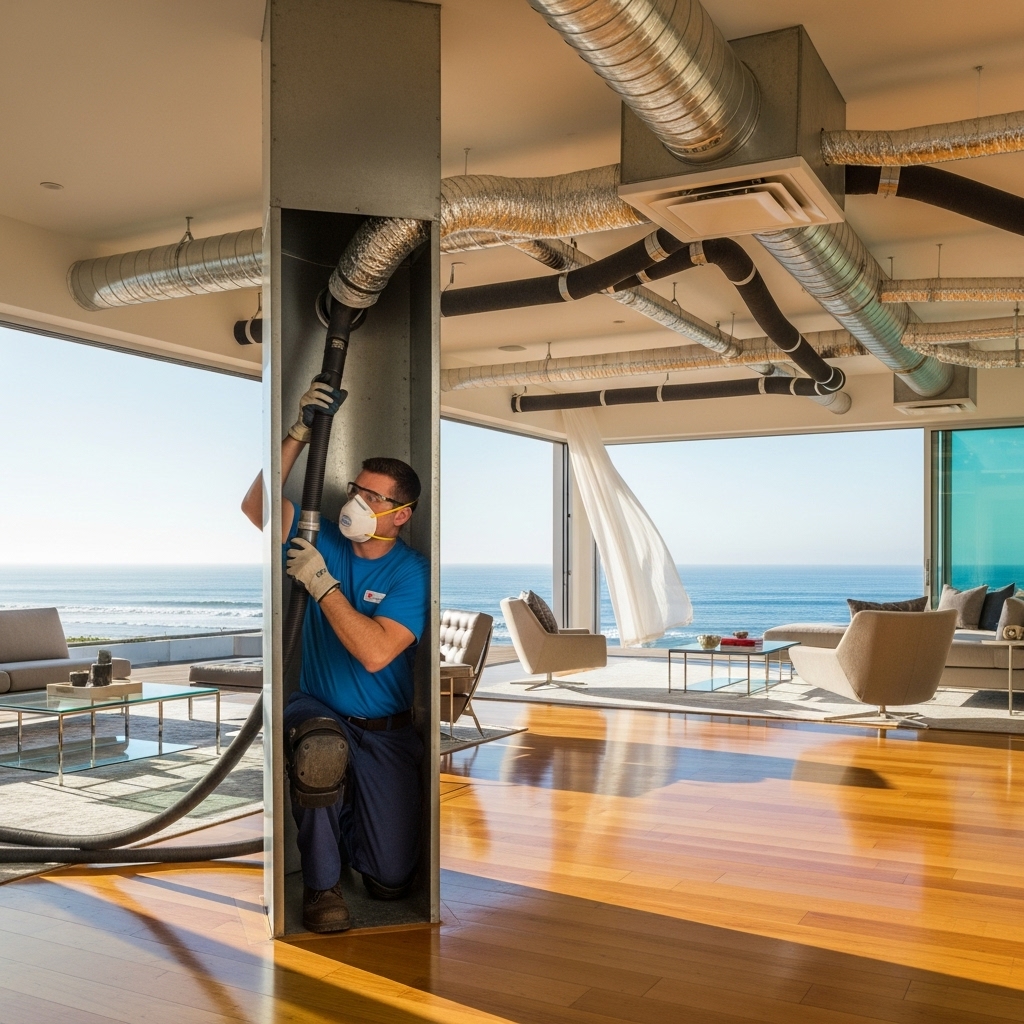
Living in Malibu means waking up to the rhythm of the ocean and the chorus of canyon birds, but it also means our homes are constantly in conversation with the coastal climate. Salt-kissed breezes, cool marine layers, and the occasional Santa Ana wind move through our streets and, eventually, through our living rooms. Over time, that rhythm leaves a mark inside the hidden passages of our homes—our ductwork. As a local who has walked countless Malibu properties from Broad Beach to the Malibu Bowl, I’ve seen how cleaner ducts translate directly into easier breathing, steadier temperatures, and an HVAC system that works with the environment rather than against it. Early on in any conversation about healthier living here, I point people to the basics: consistent, professional air duct cleaning done with the Malibu climate in mind.
Why clean ducts matter for health in Malibu
Indoor air quality is personal here. Families jog with their dogs along the sand, children run barefoot in the backyard, and doors remain open to invite in the evening breeze. That openness is part of Malibu’s charm, yet it also means airborne particles can find easy passage inside. Salt aerosol from the surf mixes with pollen drifting off sage-covered hillsides. When those particles settle in ductwork, they accumulate into a reservoir that gets stirred every time the system runs. Clean ducts reduce the indoor circulation of these particles, easing the load on your lungs. In homes where respiratory sensitivity is a concern—think of households managing seasonal allergies, asthma, or post-wildfire irritation—less recirculating debris often translates into fewer flare-ups and a calmer, more comfortable daily life.
Many Malibu homes have hard surfaces—stone, tile, polished concrete—that keep maintenance simple but can kick dust into the air when swept or when sea air dries out fine particulates. Duct cleaning doesn’t eliminate normal dust, but it does remove what builds up in the system over years, preventing it from becoming a persistent background source of irritation. Clean air pathways also support better humidity balance, which matters during our cool, damp mornings and dry, windy afternoons. When ducts are clean and sealed, airflow is smoother and more predictable, which helps your system maintain a steady interior humidity band that feels easier on the sinuses.
Humidity, salt, and microbial growth
Coastal humidity combined with salt is a special challenge. In small doses, salt is just part of life by the beach; in ductwork, salt-laden moisture can be corrosive and can encourage microenvironments where microbes settle and thrive. Condensation along metal duct sections or around poorly insulated runs can create damp spots that trap fine particles. Over time, these become sticky surfaces that hold onto allergens, pet dander, and soot from fireplaces. A thorough cleaning cuts through that buildup and is often paired with minor insulation fixes or sealing of seams to reduce the conditions that invite growth in the first place. That combination—cleaning plus airflow correction—supports a healthier indoor biome, especially in homes situated closer to the tide line or in canyons where morning fog lingers.
Another subtle point is how humidity affects comfort at a given temperature. If ducts carry a film of debris, friction increases, and your system may run longer to hit its target. Longer runtimes can create cooler coil surfaces, and when combined with coastal moisture, you get more condensate. Keep the ducts clean and well insulated, and your system doesn’t overrun. You feel the same comfort with less fan time, less cool air shock, and a calmer, gentler indoor climate that your body appreciates.
Wildfire residue and long-tail effects
In Malibu, the story of any major wildfire lingers well after the last embers are out. Even if your property escaped flames, airborne ash and ultrafine particles settle everywhere—even inside sealed homes thanks to pressure differences, leaky doors, or the casual use of fans and window units. The long-tail effect is a subtle throat tickle, a persistent gray film on return grilles, or a faint odor when your system kicks on after a quiet period. Duct cleaning after a significant smoke event is not just a cosmetic reset; it’s a health-oriented intervention. Removing ash and soot accumulation keeps those irritants from becoming the background of your respiratory life. Malibu residents who schedule a post-smoke clean typically report fewer sinus headaches and more comfortable sleep, which is a telling measure in a place where we value restorative rest as much as ocean views.
Energy efficiency you can feel
Energy savings are not just numbers on a utility bill; they feel like consistent rooms, quieter fans, and fewer abrupt temperature swings. Air that moves through clean, unobstructed ducts meets less resistance, which means your blower motor doesn’t have to fight to maintain circulation. Reduced static pressure can extend the life of that motor and the compressor by trimming unnecessary runtime. In older Malibu homes with complex add-ons or interesting architectural transitions—vaulted ceilings over living areas, mezzanines, or additions tucked above garages—cleaning can highlight mismatched duct sizing or kinks that silently tax the system. Once these are addressed, your thermostat readings mirror real comfort instead of averages created by poor airflow.
Consider the cottage by the beach that always seemed a few degrees warmer than the setpoint on hot afternoons. After cleaning, resealing leaky connections, and replacing a sagging section of flex duct, the home’s afternoon temperature stabilized. Fans ran at lower speeds, and the coastal evening cool-down happened faster. Cleaner ducts were part of a larger airflow correction that saved energy without changing how the family lived. That’s the heart of efficiency in Malibu—systems tuned to the environment so you barely notice the machinery at all.
Breathing room for families and pets
Life here has a rhythm that includes sandy paws and salty hair. Pets, in particular, add joy and a bit of dander. When ducts accumulate pet hair and dander over the years, every system startup sends small puffs of it back into the home. Cleaning resets that clock, reducing reintroduction and giving your filtration a fair shot. Families often notice a qualitative improvement: fewer sneezes in the morning, less dust on surfaces, and that intangible sense of freshness that lingers after a long airing out. For households that host guests frequently, that freshness becomes part of hospitality—comfort you can offer without thinking about it.
How Malibu homes differ
Malibu architecture is wonderfully diverse. There are beachfront houses with oversized glass sliders that stay open, canyon homes tucked into oaks, and hillside properties where the coastal breezes become persistent companions. Each setting influences duct performance. Beachfront properties face more salt, humidity, and fine sand. Canyon homes trade salt for pollen and leaf debris during certain times of year. Hillside homes often experience more intense Santa Ana winds that push dust and dry air through the smallest gaps. Cleaning must respond to these distinct patterns, which is why a local approach—one that recognizes microclimates and building styles—consistently pays off in health and energy terms.
Filters, vents, and the role of maintenance
Air duct cleaning is only one part of the story. When done in tandem with the right filter strategy and periodic checks of supply and return grilles, it supports the overall system. In Malibu, filters sometimes clog faster during offshore wind events or when renovations stir up fine dust. A good rhythm is to inspect monthly and change as needed, especially if you notice musty odors or a sudden dust uptick. After a professional cleaning, you should expect filters to stay cleaner longer, a small but visible sign that your ducts are no longer serving as a dust depot. Grilles and registers that previously displayed gray film remain brighter, and rooms settle into a steadier comfort that aligns with the ocean’s steady cadence outside.
Choosing a method that respects the home
Residents often ask about methods—negative pressure, agitation tools, and HEPA-based collection. The goal is always the same: release adhered debris and safely capture it without redistributing it into the living space. A careful technician will protect floors and furnishings, isolate zones if needed, and verify results with visual checks. This is where local experience matters. Malibu’s mix of metal trunk lines, older flex duct, and thoughtfully designed but sometimes delicate finishes calls for a gentle touch and a thorough plan. When aligned well, the work is minimally disruptive and leaves no trace except cleaner air and smoother system performance. If you’re vetting vendors, ask how they adapt to coastal humidity and how they safeguard both ducts and interiors during the process, and be sure they discuss follow-up filtration. Around the midpoint of a project discussion, it helps to anchor expectations by simply focusing on the essentials: schedule periodic air duct cleaning and tie it to our local seasonal cycles.
The subtle art of quiet comfort
One of the best signs that cleaning has improved energy performance is sound—or rather, the lack of it. Reduced turbulence means registers hiss less and rooms lose those irregular drafts that make you reach for a sweater when the thermostat insists everything is fine. In bedrooms, this quiet comfort can be the difference between a light sleep and a deep, restorative one. Over time, quieter operation hints at less wear on the blower and ducts themselves, and the system simply feels more at home in your home.
Sustainability and the Malibu mindset
We care about the natural world here. Cleaner ducts contribute indirectly to that care by helping systems run efficiently and by reducing the frequency of emergency interventions that often come with higher energy use. Well-executed cleaning uses HEPA capture and practices that prevent debris escape outdoors. The result is a smaller footprint and a home that matches Malibu’s environmental values. When your system breathes easier, it consumes less, and those small savings add up across our community—especially during heat waves when grid strain is real.
Life after a cleaning: what to notice
In the days after a thorough cleaning, pay attention to everyday moments. When you come in from the beach, does the home lose that damp edge faster? Are morning sinuses calmer? Do rooms feel more even as the sun moves across the sky? These lived impressions often tell the story better than any checklist. If odors were present before, they should fade. If dust motes danced in sunbeams every afternoon, they should dwindle. Your HVAC’s rhythm will settle, cycling with confidence rather than straining. These are the human-scale signals that your home’s circulatory system is back to doing its job quietly and well.
Long-term health and maintenance rhythm
Establishing a cadence that suits Malibu’s seasons keeps the benefits compounding. After the intense dryness of a Santa Ana period or the residue from a nearby brush fire, a check-in makes sense. Similarly, before extended guest stays or periods when you’ll keep doors open longer, a quick review of filters and registers complements the deeper work already done. Health benefits accrue when irritants remain low, and energy benefits persist when airflow remains smooth. That combination builds a stable indoor environment that supports how you actually live here—close to nature but protected from its more abrasive edges.
Frequently asked questions
How often should I schedule duct cleaning in Malibu? The cadence depends on your location and lifestyle. Beachfront homes and canyon properties often benefit from more frequent service, especially after heavy wind events or smoke exposure. A general guideline is every few years, with earlier check-ins after unusual environmental events.
Will cleaning reduce odors from past smoke or mustiness? Thorough cleaning often reduces or eliminates such odors, particularly when combined with filter upgrades and attention to coils and drain pans where moisture can linger. Persistent odors may point to additional issues like hidden moisture or poorly sealed penetrations.
Is there a risk to older ductwork? Careful technicians assess materials before beginning. Older flex duct or thin metal sections can be fragile; the right approach uses gentle agitation and controlled suction, protecting the integrity of the system while still removing debris.
Can I rely on filters alone? Filters are crucial, but they capture what passes through them today. Established debris in ducts can keep reentering the airstream. Cleaning resets the baseline so filters can do their job more effectively going forward.
What health improvements should I expect? People often report calmer sinuses, fewer dust-triggered sneezes, and better sleep. Sensitive individuals may notice that itchy eyes and throat irritation ease, especially after wildfire seasons or long spells of dry wind.
Ready to breathe easier in Malibu
If you’re ready to align your home with the rhythms of our coast and canyons, start with a conversation and a plan built for your property’s microclimate. A well-timed appointment for professional air duct cleaning can return quiet comfort to your rooms, help your system run with less effort, and create the kind of healthy indoor air that lets you relax into Malibu life—windows open when you want them, doors welcoming the evening breeze, and a home that supports your best days by the sea.