
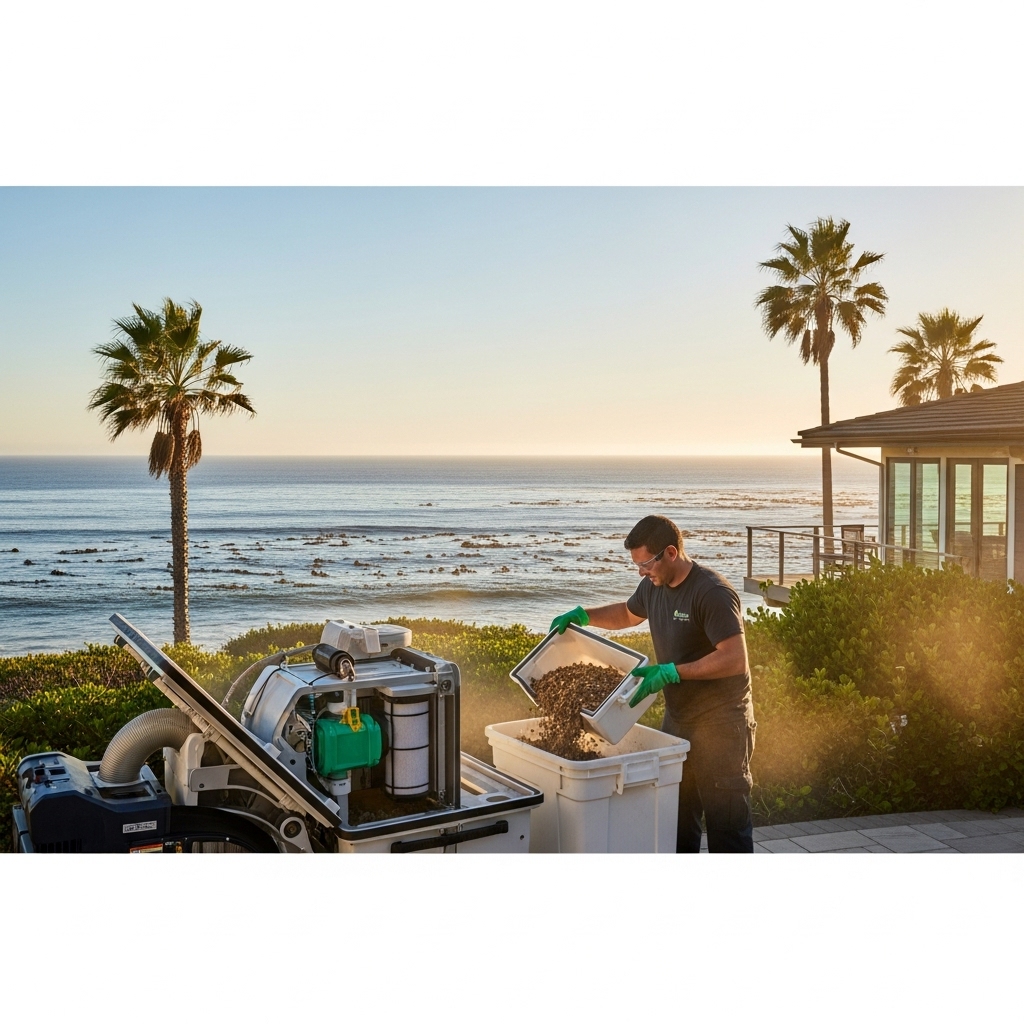
When we talk about environmental stewardship in Malibu, we picture native sages on coastal hillsides, kelp forests tugging at the tide, and nights when the stars feel within reach after a cleansing rain. What we rarely picture is ductwork. Yet the way we maintain our homes—down to the hidden channels that move air—plays a role in both our personal environment and the shared one outside. Over the years, I’ve seen that thoughtful, professional air duct cleaning can support Malibu’s environmental values by improving efficiency, reducing pollutants inside, and minimizing the waste and emissions that accompany home operation.
Efficiency as environmental action
Energy saved is energy not demanded from the grid, and in California that matters on hot afternoons when everyone’s system is running. Clean ducts reduce resistance and static pressure, so the blower works less to move the same amount of air. That translates to shorter runtimes and fewer hard starts for compressors and furnaces. In practical terms, you feel steadier comfort and hear quieter operation, but the broader impact is lower energy consumption at the precise times when demand strains the system most. Over months and years, these small savings compound across neighborhoods, easing peaks that can trigger fossil-based backup generation.
Another environmental angle is longevity. Equipment that runs within design parameters lasts longer. By keeping ducts clean and airflow balanced, you reduce the stress that shortens the life of blowers, motors, and coils. Fewer premature replacements mean fewer manufacturing impacts, fewer deliveries, and less material entering the waste stream. In a community that prizes low-impact living, this kind of indirect conservation is a quiet but meaningful contribution.
Indoor air quality and the personal ecosystem
Our first environment is the air we breathe at home. In Malibu, it’s influenced by salt aerosol, pollen, occasional smoke, and all the undertones of daily living—pet dander, cooking residues, fireplace ash. When ducts hold accumulated dust and soot, those materials rejoin the air during every cycle. Cleaning removes that reservoir. The result is fewer irritants in the airstream, which supports lung health, sleep quality, and overall well-being. The environmental implication is less tangible but real: when indoor air is cleaner, windows can remain closed during poor outdoor air episodes without the home feeling stuffy, which helps systems run efficiently and protects sensitive individuals.
After wildfire events, cleaning has a special significance. Soot contains compounds that can irritate and, in some cases, damage delicate respiratory tissues. Removing these from ducts prevents long-term, low-level exposure, aligning home maintenance with public health goals that are increasingly important in a warming, fire-prone climate.
Waste capture and responsible methods
The environmental impact of duct cleaning depends on how it’s done. Best practices use negative pressure and HEPA-grade filtration at the collector so that debris remains contained. That means dust, dander, and soot are captured rather than vented outdoors. On job sites from Carbon Beach to Latigo, careful containment prevents reintroducing fine particles into Malibu’s breezes or onto neighboring properties. Responsible companies also manage collected debris properly, minimizing landfill impacts where possible and ensuring no contaminants are left on-site.
Water use is another consideration. Many modern methods rely on dry agitation and vacuum capture rather than wet cleaning, which reduces water consumption and avoids the risk of introducing moisture into ducts. Where sanitizing agents are appropriate, low-VOC and biodegradable options exist that respect indoor air and minimize downstream environmental burdens. Thoughtful choices here align home care with the values we bring to our beaches and trails.
Materials, corrosion, and the coastal factor
Malibu’s salt air is as beautiful as it is challenging. Over time, salt aerosol encourages surface corrosion on metal ducts and fittings. Cleaning removes the salty film and the dust that traps moisture against metal, slowing the progression of wear. That matters environmentally because it extends the useful life of existing materials. When small issues—like a rusty screw or a weeping seam—are caught and corrected during cleaning, the system avoids larger failures that could force major repairs and material replacement. Preventing waste is always greener than managing it.
For homes with flexible ducts, inspection during cleaning can reveal crushed spans or degraded liners. Correcting these improves airflow and reduces the energy penalty of a compromised run, again translating into quieter operation and less electricity pulled from the grid during peak demand.
Noise, comfort, and the human element
Environmental impact includes quality of life. A clean, balanced system runs at lower speeds and with less turbulence, so homes grow quieter. That reduction in background noise is more than a nicety; it encourages natural ventilation strategies. When mechanical noise is low, homeowners feel comfortable letting the system run at gentle, continuous settings that maintain steady temperature and humidity—an approach that can be more efficient than frequent stop-start cycles. It’s a small behavioral nudge toward a calmer, more sustainable indoor climate.
Quieter systems also respect neighbors in Malibu’s close-knit beachfront communities where open windows are part of the soundscape. It’s an environmental courtesy to reduce mechanical noise, a soft benefit of clean, well-tuned ducts.
Responding to wildfire seasons
As wildfire seasons become more intense, the environmental implications of post-smoke maintenance grow. Homes that quickly remove soot from ducts reduce the likelihood of persistent indoor pollution that forces heavy filtration and prolonged HVAC runtimes. Prompt cleaning helps restore a low-energy baseline so systems can return to gentle, efficient operation sooner. On a community scale, that restraint eases grid load during recovery periods when air quality keeps windows closed and comfort relies on the mechanical system.
Wildfire resilience also includes sealing leaky penetrations discovered during cleaning and choosing filters that capture fine smoke particles without throttling airflow. This balance preserves both indoor health and system efficiency, a pairing that becomes a form of environmental preparedness.
Transportation and jobsite footprint
Even the way cleaning teams move through Malibu matters. Efficient routing, well-maintained vehicles, and jobsite practices that minimize idling and noise reduce local emissions. On-site, containment that keeps debris off driveways, decks, and landscaping protects the micro-ecosystems we cultivate around our homes. Small professional choices—drop cloths that actually catch, sealed waste containers, respectful staging—add up to a lower-impact service that aligns with Malibu’s shared ethic of care.
Homeowners can contribute by ensuring clear access, consolidating service visits when possible, and coordinating with any simultaneous work to reduce repeated trips. The collective effect is fewer miles driven and less disruption.
Data and verification as green tools
One of the strongest environmental levers is simply knowing your baseline and tracking change. After a cleaning, pay attention to how long it takes rooms to reach setpoint, whether fans can run at lower speeds, and how often filters need replacement. If filters stay cleaner longer, if the home feels even across zones, and if the system cycles less, you’re seeing the environment-friendly impacts made visible. Keeping basic records helps you schedule the next service at the right time—not too early, not too late—which avoids unnecessary work while protecting the gains already made.
Community-scale benefits
When many Malibu homes maintain clean ducts and balanced systems, the community benefits extend beyond individual comfort. Reduced peak demand during heat waves stabilizes the local grid, lowering the risk of outages that push residents toward generators. Cleaner indoor air reduces the need for space heaters or portable purifiers that can be less efficient than whole-home solutions. Onshore breezes stay a touch cleaner when jobsite practices capture debris rather than releasing it. Environmental impact is cumulative; the choices we make at home ripple outward along the coast.
Frequently asked questions
Is duct cleaning always environmentally beneficial? It is when done correctly—using containment, HEPA filtration, and methods matched to the system. The benefits come from improved efficiency, longer equipment life, and reduced indoor pollutants, all of which lower environmental impact over time.
Do eco-friendly cleaning products work as well? Many low-VOC, biodegradable products are effective when used appropriately. The biggest gains often come from mechanical removal of debris, with products used judiciously for specific concerns rather than as a universal spray.
Will cleaning reduce my energy bill? Most homeowners notice steadier comfort and shorter runtimes, which typically translates to lower energy use. The environmental win is the reduction in peak demand and the extension of equipment life.
How does Malibu’s salt air change the equation? Salt accelerates corrosion and traps moisture, which can worsen debris accumulation. Cleaning interrupts that cycle, preserving materials and keeping airflow efficient—both environmentally positive outcomes.
What about post-wildfire cleaning? Removing soot and ash from ducts protects indoor health and restores efficient operation sooner. It’s a key step in community recovery and in resetting homes to a low-energy baseline.
Choose methods that match your values
Environmental care begins at home, sometimes in the places we rarely see. If you want your house to run quieter, breathe cleaner, and consume less, align maintenance with Malibu’s climate and your own goals. Schedule professional air duct cleaning that captures debris, respects materials, and verifies results. It’s a practical way to honor the landscape we love while making everyday life more comfortable and calm.