
In Malibu, conversations about home comfort often drift from ocean breezes to those invisible currents moving through our ductwork. Homeowners ask me all the time what the “average” cost of having their ducts cleaned really means in our corner of the coast. It’s a fair question, especially when you balance salt air, canyon dust, and the occasional wildfire season that can all leave their mark on a home’s HVAC system. The answer isn’t a single figure so much as a story about the home itself—its layout, its history, and the way it breathes. As a local who has seen everything from beachfront bungalows to sprawling hillside estates, I can tell you that understanding the process and the factors at play is more useful than chasing a one-size-fits-all number. Early on, it helps to know what a complete air duct cleaning involves and why Malibu homes, in particular, deserve a thoughtful approach.
Picture a typical morning over the water: the marine layer rolls in, and by the afternoon the sun is bright and the windows open. Those shifts in humidity and airflow are friendly to coastal living but can be tough on ducts, especially if salt-laden air and fine sand are frequent visitors. Then, add seasonal factors—winds that carry pollen and canyon particulates, and the unsettling periods when wildfire smoke becomes part of the landscape. Each of these elements can change how much work goes into bringing a system back to a clean, balanced baseline. That’s why two neighbors living on the same street can end up with very different cleaning scopes and timelines, even if their homes were built in the same year.
What really shapes the average in Malibu
When people hear “average,” they want a sense of predictability, but ducts are not uniform, and Malibu homes certainly aren’t. The size and complexity of your HVAC system is the first driver of scope. A single-story home with accessible attic ducting is a different project than a multi-level residence with sections routed through tight chases, over garages, and into additions built years after the original structure. The number of supply registers and returns, the location of the air handler, and whether there are separate zones for upstairs and downstairs all influence how many steps the crew must take to reach everything properly.
Next comes the condition of the ducts themselves. If you’ve recently completed a remodeling project—especially one involving drywall cutting or floor sanding—ultrafine dust can settle deeper in the system than you might expect. Homes that weathered heavy smoke during fire events often need more meticulous agitation and collection to remove residue, even if everyday dust looks minimal. The type of duct material matters as well. Sheet metal behaves differently under negative pressure than flex duct or duct board, and a seasoned technician will tailor agitation tools and suction to match so nothing is damaged during the process.
Access is another quiet but important factor. In some Malibu homes, the attic is a simple pull-down ladder away, with plywood pathways and good clearance. In others, attic access is tight, uneven, and shared with stored belongings. Crawlspaces can range from walkable to barely navigable. Every additional challenge adds time and care to ensure the system is cleaned thoroughly from the blower housing to the last run of supply duct. None of this is guesswork; it’s the methodical reality of working in real homes with unique histories.
The assessment that sets the tone
A reliable company will start with a walkthrough and a conversation. They’ll ask about any recent construction, note the age and type of filters you use, and take a look at the return plenum, blower compartment, and a sampling of registers. They’re watching for matted debris, signs of moisture, unusual odors, and anything suggesting microbial growth that would change the cleaning plan. Honest pros won’t lean on scare tactics. Instead, they’ll explain what they see and what it means for your home’s air and mechanical components. This is the moment to share your own observations too—rooms that seem dustier, allergies that flare, or specific times of year when odors linger.
It’s also during assessment that the conversation about optional steps comes into view. Some homes benefit from coil cleaning, especially if airflow has been restricted or if the coil shows a film that won’t be addressed by duct cleaning alone. Others might benefit from sealing air leaks once cleaning is complete, which can help preserve results. If smoke infiltration was significant, a deodorization plan using appropriate products can help with residual odor in the metalwork. The point is that “average” can only be meaningful when the scope of work is defined with your home in mind.
Malibu’s coastal and canyon variables
Those of us who live here know that no two microclimates are identical. The sea breeze at Point Dume behaves differently than the air in Solstice Canyon, and homes tucked into the hillside may trap warmth and dust in surprising ways. Salt particles can accelerate corrosion on exposed metal, and fine beach sand has a sneaky way of traveling with sandals and pets. Meanwhile, the Santa Ana winds often carry pollen and particulates that settle everywhere, ducts included, even with well-fitted filters in place. Over time, these cumulative layers create a signature inside a home’s ventilation system, telling the story of seasons and weather patterns. That story influences the time and care it will take to return your system to a clean state.
When wildfire seasons strike, you can expect that smoke and ash have a way of finding even the smallest openings. Ducts can pick up a smell that doesn’t go away with a simple filter change. In those periods, cleaning can involve more targeted agitation and additional passes, and it sometimes prompts homeowners to revisit filtration strategies going forward. The goal isn’t just to undo what smoke has done, but to build a more resilient plan for the next event.
What a thorough service includes
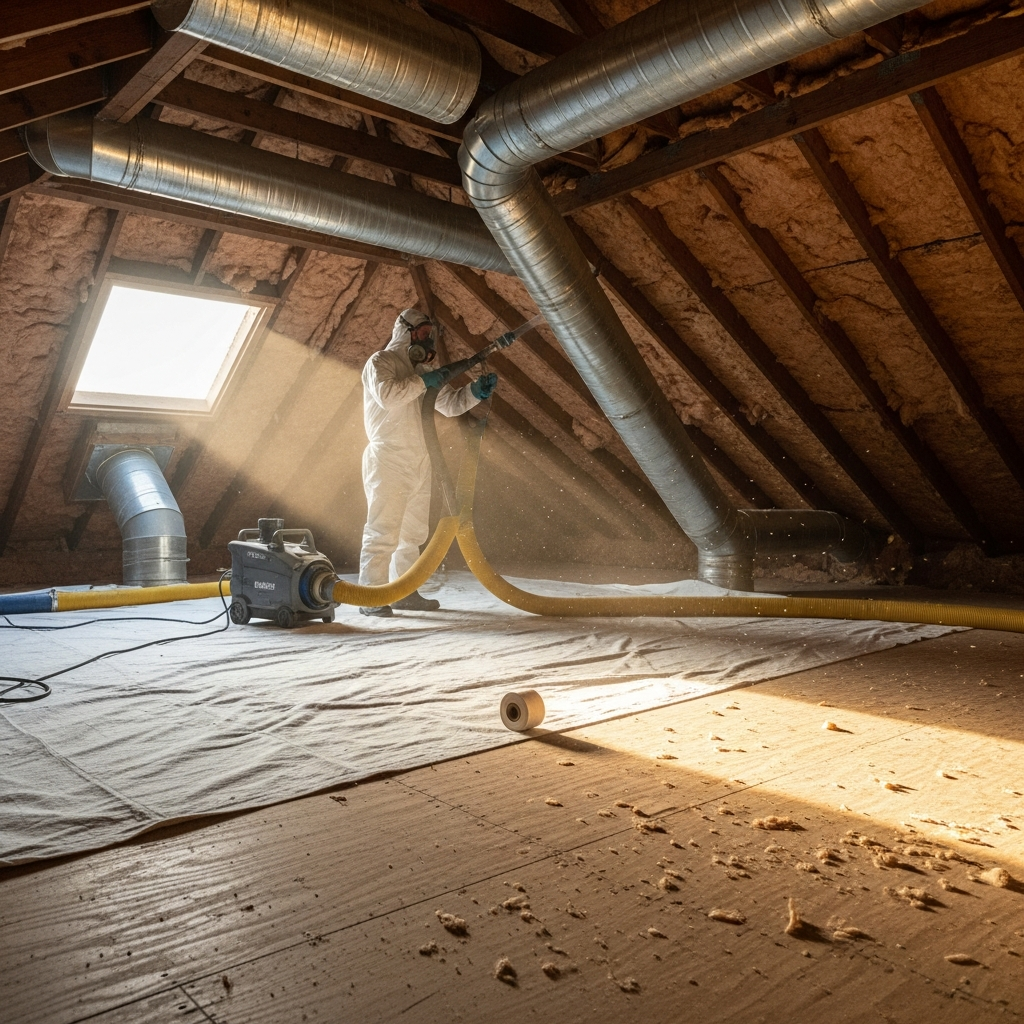
A well-conducted cleaning follows a sequence. Technicians set up protective measures to keep floors and furnishings safe. They isolate the system, attach a high-powered negative air device, and systematically work from supply runs to trunks, returns, and the air handler components. Agitation—using whips, brushes, or compressed air rods—dislodges accumulated debris so the collector can remove it. Registers and grilles are taken down and cleaned; the blower housing and motor are evaluated and cleared of dust; the interior of the air handler cabinet is wiped, and the return plenum is brought back to a clean baseline. Throughout, the best technicians document with photos so you can see what was present and what’s been resolved.
Malibu homes often have architectural surprises—cathedral ceilings, skylights, built-in shelving that conceals chases—so a thoughtful tech will pause and adapt. The work should never feel rushed. The objective is a healthier system that moves air freely, running more quietly and with less strain on moving parts. That directly translates into day-to-day comfort—fewer dust bunny flare-ups, more consistent temperatures, and improved peace of mind when the winds pick up.
Midway through a project like this, homeowners usually appreciate a quick recap of progress and what’s next. It’s also a good moment to talk about maintenance: filter type and change intervals, signs to watch for after a wildfire event, and reminders about pet dander or renovation dust. In the middle of that conversation, it often becomes clear why choosing true professionals for professional air duct cleaning matters in Malibu’s unique environment, where each season writes a different chapter inside your ducts.
Signals that scope matters more than slogans
It’s tempting to latch onto a promise that sounds too good to pass up, especially when your schedule is packed and you just want the job done. But duct systems hide behind drywall and in crawlspaces, which makes them easy to underserve if a provider rushes or skips hard-to-reach sections. Claims that everything can be finished in an improbably short window, without a clear explanation of methods and access points, should raise questions. The difference between a cursory sweep and a complete cleaning may not show up until months later, when dust accumulates again, rooms feel stuffy, or the same odor returns after a warm afternoon. A thoughtful plan, a measured pace, and transparency are your best protections.
Preparing your home and what to expect day-of
A little prep goes a long way. Clear access to the attic hatch or mechanical closet, move breakables away from registers, and make a quick note of any rooms where airflow seems weak or unusual. Pets are safest in a quiet space while doors may open and close, and equipment hums. A courteous crew will lay runners, seal off vents as needed, and keep you informed as they progress. Expect some noise during agitation, and then a return to calm as the system is reassembled and tested. You’ll likely notice small improvements right away—the gentle hush of the blower, the absence of a light dusty smell when the system first kicks on, and a more even flow from rooms that used to feel neglected.
Aftercare that preserves results
Once your ducts are clean, your filter becomes the frontline. Use a filter that fits correctly and change it on a rhythm that matches your lifestyle—more often if you have pets, love to keep windows open, or spend time near the beach where fine particles travel indoors. If you renovate, plan a follow-up cleaning sooner rather than later, because construction dust is like confetti: persistent and pervasive. If wildfire smoke has been present, consider a post-event inspection to ensure residue hasn’t settled deeper than expected. Over time, these small adjustments make a measurable difference in how long your system stays fresh.
Frequently asked questions
How long does a thorough cleaning usually take in Malibu homes? It depends on system size, access, and condition, but expect enough time for a methodical approach that reaches all supplies, returns, and the air handler. Rushing undermines results, so a well-planned visit is always worth the calendar space.
Do I need to be home during the cleaning? It’s best to be available at least at the beginning and end. Many homeowners step out for part of the day once access and expectations are set. A final walkthrough ensures you see what was done and get tips for maintenance.
Will cleaning reduce dust in my home? Proper cleaning typically reduces dust that recirculates through registers and settles on surfaces. It also removes debris from the blower and cabinet so the system moves air more efficiently, which contributes to a cleaner feel indoors.
Is sanitizing always necessary? Not always. It’s recommended in specific situations—after smoke exposure, moisture incidents, or when odors point to organic contamination. A reputable pro will explain when it’s appropriate and why.
How do Malibu’s wildfires affect ductwork? Smoke and ash can leave residue and odor that regular filters won’t fully address. A targeted cleaning plan and, when appropriate, deodorization can help restore fresh airflow after such events.
What about older homes with additions? Additions often introduce duct complexity. A careful inspection maps all runs so no section is overlooked. Expect a bit more time to access concealed paths, but the payoff in comfort is real.
Can cleaning improve energy use? Clean ducts and components reduce strain on the blower and help air move with less resistance. While every home differs, many owners notice quieter operation and steadier temperatures, both signs of efficiency.
How often should I schedule the service? Frequency depends on lifestyle, nearby conditions, and past events. After a baseline cleaning, your pro can suggest an interval that makes sense for your home, adjusting if renovations or smoke exposure occur.
If I’m sensitive to allergens, will cleaning help? Removing settled dust, dander, and residue from returns and supplies typically eases allergen load in the air stream. Pairing cleaning with a good filter strategy can make a noticeable difference.
Do I need to clean dryer vents at the same time? It’s a separate system, but many homeowners find it convenient to coordinate. Your provider can advise based on lint accumulation, vent length, and appliance location.
Ready to enjoy a quieter, cleaner HVAC system and fresher air in your Malibu home? Let a trusted local team craft a plan that reflects your layout, your lifestyle, and the realities of our coastal climate. Schedule your next air duct cleaning with seasoned professionals who understand Malibu from the shoreline to the canyons, and feel the difference each time your system starts.