
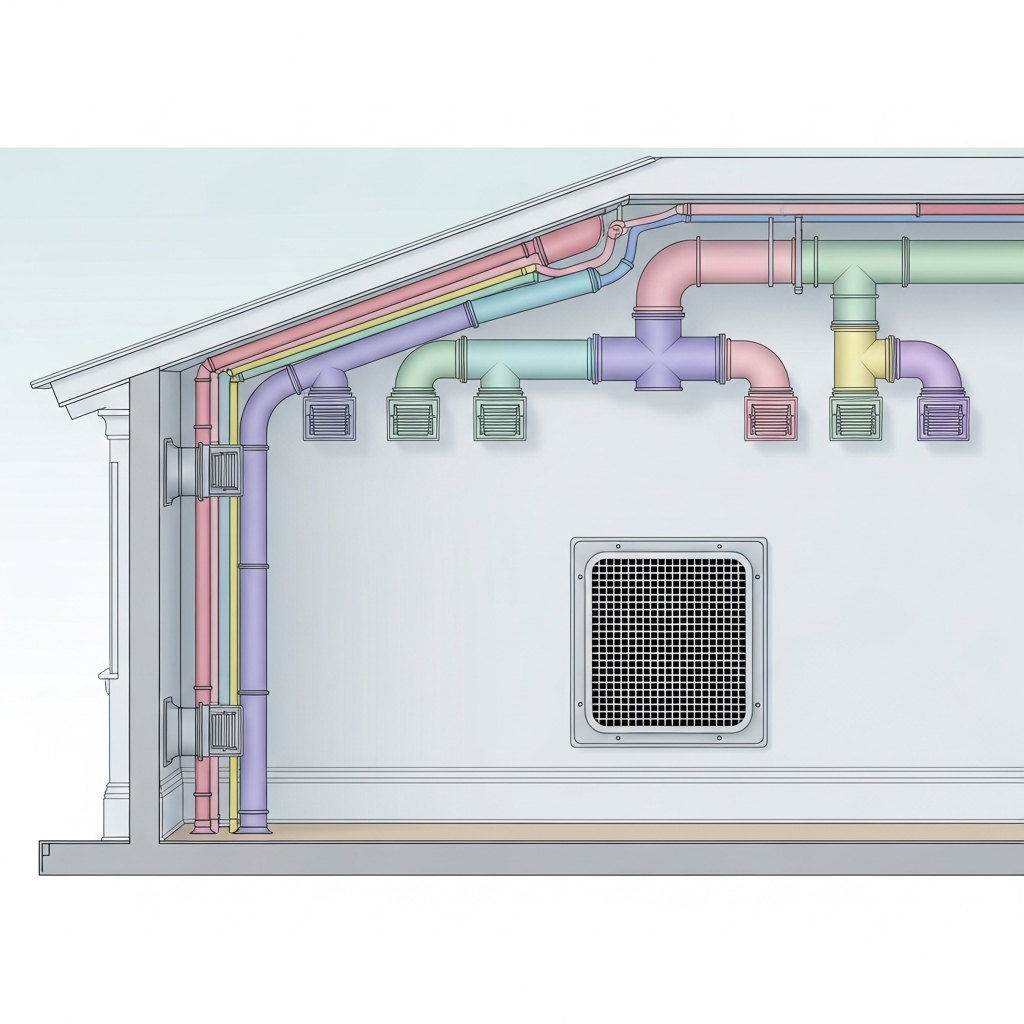
In Malibu, it’s common to hear homeowners talk about the “per-vent” approach when they start researching how to get their ducts refreshed. On the surface, counting vents seems straightforward: you tally the grilles you see on ceilings and walls and expect the service to match the count. But anyone who has worked inside duct systems along our coastline—from Broad Beach to the hills above Kanan—knows the reality is more nuanced. What you see on the surface represents only a portion of the airflow pathway. A clear, practical breakdown looks at how air moves through returns, trunks, and boots, and how coastal conditions influence what accumulates inside. In the end, the most reliable outcomes come from process-driven air duct cleaning that addresses the system as a whole, not just a list of visible grilles.
Let’s start with what “per vent” can miss. Supplies push conditioned air into rooms; returns pull it back. In some Malibu homes, a single large return grille can serve a big portion of the house, gathering more debris than several small supplies combined. Other residences have multiple small returns scattered throughout, each affecting the system differently. Counting the visible faces doesn’t capture how long the runs are, where airflow slows, or which branches collect more grit due to open sliders, sandy shoes, or proximity to entryways.
What’s Behind the Grilles
Behind the registers lie boots that connect to branches, which in turn join main trunks leading to the air handler. Along the way, dampers, takeoffs, and transitions shape how air flows and where particulates settle. Horizontal runs can act like shelves for fine dust and salt films, while vertical drops may show accumulations near bends. The return side includes chases, plenum boxes, and filter racks—areas that tell a critical story about bypass and filtration practices. A per-vent mindset can overlook these components, yet they’re often the very places where debris begins and airflow constricts.
Malibu’s coastal climate layers on another dimension. Salt-laden moisture can create thin films inside metal sections, encouraging particulates to stick. Beach sand rides home on feet and beach bags, then rises into registers when the system starts. Canyon winds carry dust that seeks out tiny gaps around boots and seams, especially if older tape or mastic has dried and cracked. A thorough, system-wide plan considers these realities and uses tools and techniques that remove buildup where it hides, not only at the grille face.
Source Removal Over Surface Spruce-Ups
Real results come from source removal under negative pressure. That means connecting a sealed, HEPA-filtered collector to the system, creating a controlled vacuum that draws loosened debris away from living spaces. Technicians then agitate the interior walls of ducts with tools matched to the material—soft-bristle brushes for lined or delicate sections, and air whips or rods for sturdy metal trunks. Registers are removed so edges and boots can be addressed, and each branch is worked methodically back to the main trunks.
This approach reaches beyond what you can see at the room level. It removes accumulations in low-flow corners, scrubs films from the bottoms of long runs, and draws out the fine dust that rides coastal breezes from Zuma to Point Dume. Most importantly, it treats returns, plenums, and blower access with the attention they deserve, restoring a clean, even pathway for air throughout the home.
Understanding “Vent Counts” in Real Homes
Two homes with the same number of visible grilles can present very different realities once you look inside. One might have short, straight runs and a centralized return—efficient and relatively simple to work. The other could feature long, branching ducts with multiple zones and high registers, requiring ladders and careful sequencing to maintain safety and steady negative pressure. Simply tallying vents overlooks the complexity of routing, materials, and access constraints that influence how a proper cleaning unfolds.
Decorative grilles and salt-weathered hardware add another wrinkle. Removing and reseating these pieces without marring finishes takes time and care. In older cottages along the water, brittle flex duct and tight eaves call for gentle technique, while in newer hillside builds, the distance between the air handler and farthest rooms may be significant. All of these factors matter more than a headcount of registers.
Returns: The Unsung Workhorses
The return side deserves special attention. Large shared returns can gather a surprising load of fine dust, pet dander, and salt crystals—especially in homes that love open windows and sliding doors. Smaller, distributed returns can also build up, but the pattern tends to be different, with accumulations clustering near bends and junctions. Either way, the return path sets the stage for system performance, and addressing it thoroughly is essential for a true reset.
The filter frame and surrounding seals often reveal whether air has been bypassing the media. Even a great filter can’t help if air slips around the edges. A detailed service includes assessing these spots and recommending small sealing improvements that pay off by keeping the freshly cleaned system cleaner, longer.
Malibu Realities That Shape the Work
Our environment isn’t gentle on building systems. Morning fog cools metal; afternoon sun pulls moisture out of the air; and sea breezes cycle through doors and windows. On windy days, canyon dust arrives uninvited, and during certain seasons, regional smoke can drift through. Inside the ducts, these influences show up as films, crescents of grit near registers, and a fine gray layer that seems to coat everything after a smoky week. A process that acknowledges these patterns—paired with HEPA capture and careful agitation—delivers results you can feel and see.
Access around Malibu homes varies just as much as the weather. Steep driveways, limited street parking near the beach, and tight attic passages can complicate equipment staging. Trusted crews plan for these logistics, protect finishes with corner guards and drop cloths, and move through the home with a respectful, quiet rhythm.
Why Whole-System Thinking Beats a Simple Tally
When you treat a home as a living airflow system rather than a list of grilles, outcomes improve. Source removal captures debris where it hides, not just where it shows. Returns breathe easier, supply branches deliver air more evenly, and the blower doesn’t have to push as hard to meet your thermostat’s call. For families who savor breezy afternoons with windows open, that means your next morning cooldown won’t stir up stale particulates left clinging to duct walls.
Whole-system thinking also clarifies maintenance. You’ll know which rooms collect grit fastest, how seasons change what accumulates, and where insulating or sealing short runs near the air handler could help. That awareness shapes a practical plan that keeps results alive month after month.
Mid-Course Insight for Homeowners
During a cleaning, technicians sometimes pause to share what they see inside specific branches—especially in homes with complex layouts. This is the perfect time to ask about airflow patterns, filter strategy, and how often to check register edges for early signs of returning dust. If you’re weighing future schedules for air duct cleaning, those real-time observations help align timing with your family’s habits and Malibu’s seasonal shifts.
It’s also the moment to discuss any finishes that deserve extra protection or registers that tend to rattle. Minor adjustments—like re-seating a grille or tightening hardware weathered by salt air—can make a big difference in everyday comfort.
Frequently Asked Questions
Q: Is counting registers enough to plan a thorough service? A: It’s a starting point, but not the full picture. Branch lengths, duct materials, returns, and access determine how a proper cleaning proceeds and where attention is most needed.
Q: Will this disrupt our home for days? A: Most single-family residences are completed within a day, though multi-zone or complex layouts can take longer. Reputable crews protect finishes, manage noise, and keep pathways clear so life goes on around the work.
Q: Do you clean returns as well as supplies? A: Absolutely. The return path is critical to system performance and indoor air quality. It’s where signs of bypass and filtration gaps often show, and it deserves meticulous attention.
Q: What about older beach houses with fragile materials? A: Gentle agitation, controlled negative pressure, and careful access planning protect brittle flex duct and aging components while still delivering meaningful results.
Q: How do coastal conditions change the approach? A: Salt, moisture, fine sand, and seasonal smoke call for careful technique and thorough HEPA capture. Providers who work in Malibu routinely tailor their process to these realities.
Bring Clarity to Your Home’s Airflow
If you’re ready to look beyond a simple tally and treat your home like the connected airflow system it is, choose a team that values process over shortcuts. Start with a clear conversation about your layout, habits, and goals, and plan a visit that restores calm, clean circulation from returns to supplies. When it’s time, schedule comprehensive air duct cleaning for your Malibu home and feel the difference each time your system comes to life.