
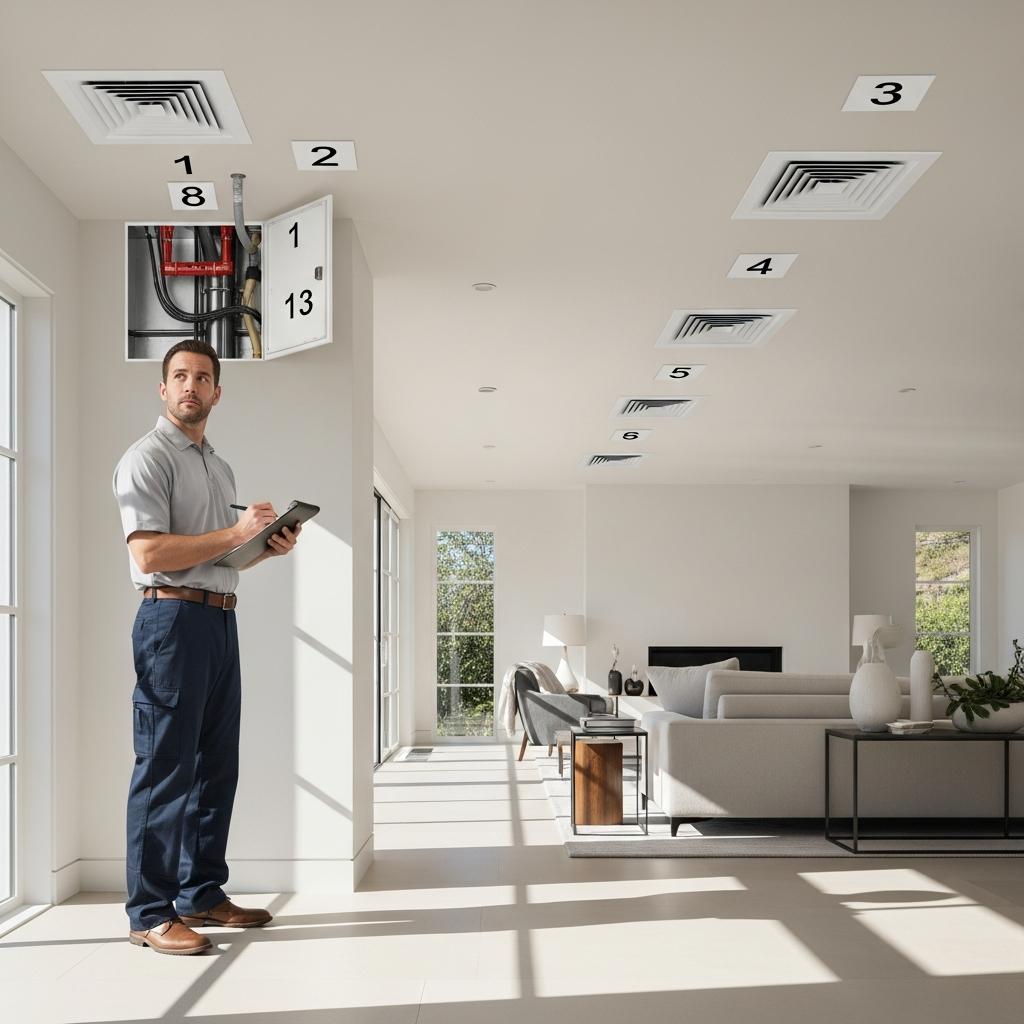
What “Per Vent” Really Means in Malibu Homes
In Malibu, where architecture ranges from glassy modern pavilions to classic ranch homes and canyon hideaways, the phrase “price per vent” often pops up when people talk about air duct cleaning. It sounds simple—count the vents and you’re done—but the reality inside the system is more complex. A supply register in a rarely used guest room isn’t the same as a main return pulling dust from the busiest part of the home. Duct length, material, accessibility, and zoning all change the work required. Understanding how “per vent” gets applied—and where it falls short—helps you ask sharper questions and set better expectations for a thorough job.
Start with definitions. A supply vent pushes conditioned air into a room, while a return pulls air back to the system to be filtered and conditioned again. In everyday conversation, people lump them together as “vents,” but returns typically handle more debris because they capture household dust, hair, and whatever floats in during open-door afternoons or windy canyon days. So when you hear “per vent,” ask whether returns and supplies are counted equally, and whether the plan addresses trunk lines and plenums that carry air between rooms and the air handler.
The reason Malibu homeowners often pause at simple “per vent” thinking is our local complexity. Beachside properties can have high salt content clinging to surfaces, while hillside homes tend to collect fine grit that rides in on dry winds. Long runs serving upper floors, vaulted ceilings, or rooms that open directly to patios add length and bends that change how debris moves. A visit that treats each register identically might miss where buildup truly hides—inside long branches, the main trunks, and the return drops.
Counting Vents Versus Understanding Airflow
In practice, a “per vent” tally can be a starting point, but it shouldn’t be the whole plan. Pros look at airflow: where it enters, how it splits, and how it makes its way back. Two homes with the same number of visible vents might differ dramatically inside. One may have short, straight branch runs; the other may snake through multiple chases and attics with several branch transitions. The time and tools required to agitate debris and pull it to a HEPA-filtered collection unit vary accordingly.
Returns deserve a separate discussion. Many Malibu homes have large or multiple returns to quiet airflow and reduce restriction. Those returns accumulate much of the system’s dust load, and they’re pivotal to the cleaning outcome. If a “per vent” model doesn’t reflect that heavier work, the plan can skew toward quick grille cleaning rather than thorough internal results.
Zones, Guest Spaces, and ADUs
Malibu’s lifestyle often includes guest suites, studios, and accessory dwelling units. Some are served by independent systems; others tie into the main system with additional zones. In a simple “per vent” framework, a guest room grille looks like any other, yet the duct run feeding it might be twice as long and far less accessible. Professional planning accounts for those realities, staging equipment for longer hose runs, adjusting agitation techniques for distance, and documenting that the hidden parts of the system received real attention.
With multiple zones, balancing dampers and separate thermostats complicate airflow patterns. That complexity usually means a more deliberate cleaning sequence so debris isn’t mistakenly shifted from one branch into another. Instead of quickly bouncing from vent to vent, pros work from returns to trunks to branches in a way that complements the system’s design.
Materials and Methods Matter
Different duct materials behave differently. Lined metal trunks require gentler handling than bare metal; older flex ducts call for feather-light brushing and compressed-air agitation to protect the liner. Malibu’s variety of home ages and styles means a crew might encounter multiple materials in a single day. A simple count won’t capture the skill needed to do the work safely and thoroughly. What matters more is the method: controlled negative pressure, the right agitation tool for each section, and a careful restoration of every access point.
Another factor is what’s inside. Homes close to the beach can have a slightly adhesive film, while canyon properties may hold layers of fine dust that settle in low-velocity corners. After remodeling, drywall and sawdust behave differently than everyday household dust. Professionals adapt tool choice and dwell time to the material and the debris, always keeping air moving toward the collection unit so particles don’t escape into living spaces.
Why Trunks and Plenums Can’t Be an Afterthought
If the “per vent” idea tempts you to focus on grilles alone, step back and imagine the tree that feeds them. The trunk lines and plenums are the trunk and main branches; the room registers are just leaves. Cleaning only leaves won’t fix what’s hiding deeper in the tree. Thorough work reaches the main sections where airflow is constant and dust can collect along seams, joints, and low-velocity spots. Documentation—photos or videos—should show that these sections received attention equal to what’s visible at the registers.
In homes with long return drops serving high ceilings, those vertical sections often hold heavy loads. Addressing them safely might require creating temporary access, then resealing the panel once work is complete. That step isn’t reflected in a simple count, but it’s decisive for the outcome you’ll feel.
How Malibu’s Climate Shapes the Plan
Morning fog and afternoon winds shape what ends up in our ducts. Beachside salt can make films sticky, while inland canyons kick up fine dust that drifts inside as doors open to patios and decks. Seasonal smoke adds its own layer and odor, which isn’t the same as ordinary dust. A “per vent” count won’t capture when a home needs extra attention for smoke residue or when certain branches collect more due to how the family uses the space—pets spending time in specific rooms, windows open near certain returns, or frequent entertaining that keeps doors in motion.
Good planning adapts to these rhythms. The team might schedule work during cooler days so the system can remain off longer, or they may stage equipment differently for a steep hillside property with limited access. All of these details contribute to the thoroughness of the result.
Comparing Approaches Without Getting Lost in Tallies
Instead of focusing exclusively on a per-vent number, compare how providers explain their process. Do they describe establishing negative pressure, then agitating each branch while capturing debris through a HEPA-filtered collector? Do they differentiate returns from supplies? Will they show you photos of main trunks and plenums afterward? The clarity of their method tells you more than any single tally ever will.
Halfway through your evaluation, bring the conversation back to what you want to feel once the work is done: quieter airflow, fewer dust resettlements, and confidence that the whole path is clean. That’s why Malibu homeowners often choose teams that specialize in air duct cleaning and can navigate the realities of our terrain and climate with ease.
After the Work: Protecting Your Results
Once the ducts are clean, simple habits protect the investment. Match your filter’s rating to the blower’s capability, replace filters on a schedule that reflects pets and open-air living, and keep returns unobstructed. If a smoke event occurs, consider an earlier check-in to keep odors and residue from becoming stubborn. Pay attention to the first days after cleaning—air should feel smoother, and the dust on surfaces should settle less and less.
On restoration, verify that any temporary access panels were sealed properly and labeled. If the provider made small improvements—tightening a leaky filter rack or adjusting a misfitting grille—make note of those changes so future technicians have a record. Good documentation is part of what makes the next maintenance step easier.
Frequently Asked Questions
Are all vents treated the same during cleaning?
No. Returns typically carry a heavier dust load and receive priority. Supplies are addressed thoroughly, but the methods and the amount of attention may differ based on material, length, and access.
Does “per vent” include trunk lines and plenums?
Not always. It’s important to confirm that the plan covers the main sections of the system, not just the visible grilles. The most meaningful improvements come when trunks, returns, and branches are all treated under controlled negative pressure.
How do Malibu’s microclimates affect the plan?
Beach areas often see sticky films from salt air, while canyons produce finer dust that rides afternoon winds. Both conditions influence tool choice and the time needed to dislodge debris safely and completely.
What should I prepare before a visit?
Clear pathways to registers and returns, secure pets, and share any access notes—gate codes, steep driveways, or delicate finishes. If there’s an ongoing remodel, coordinate so the dustiest phases are complete first.
How will I know the work reached beyond the grilles?
Ask for documentation. Photos of trunk interiors, returns, and the blower compartment help verify that the work reached the system’s backbone, not just the visible parts.
When you’re ready to move past simple tallies and commit to results you can feel, partner with a team that treats your home’s airflow as a whole. Start a conversation with specialists in air duct cleaning, schedule a time that fits your routine, and look forward to quieter vents, cleaner surfaces, and the calm that comes from breathing easier every day.