
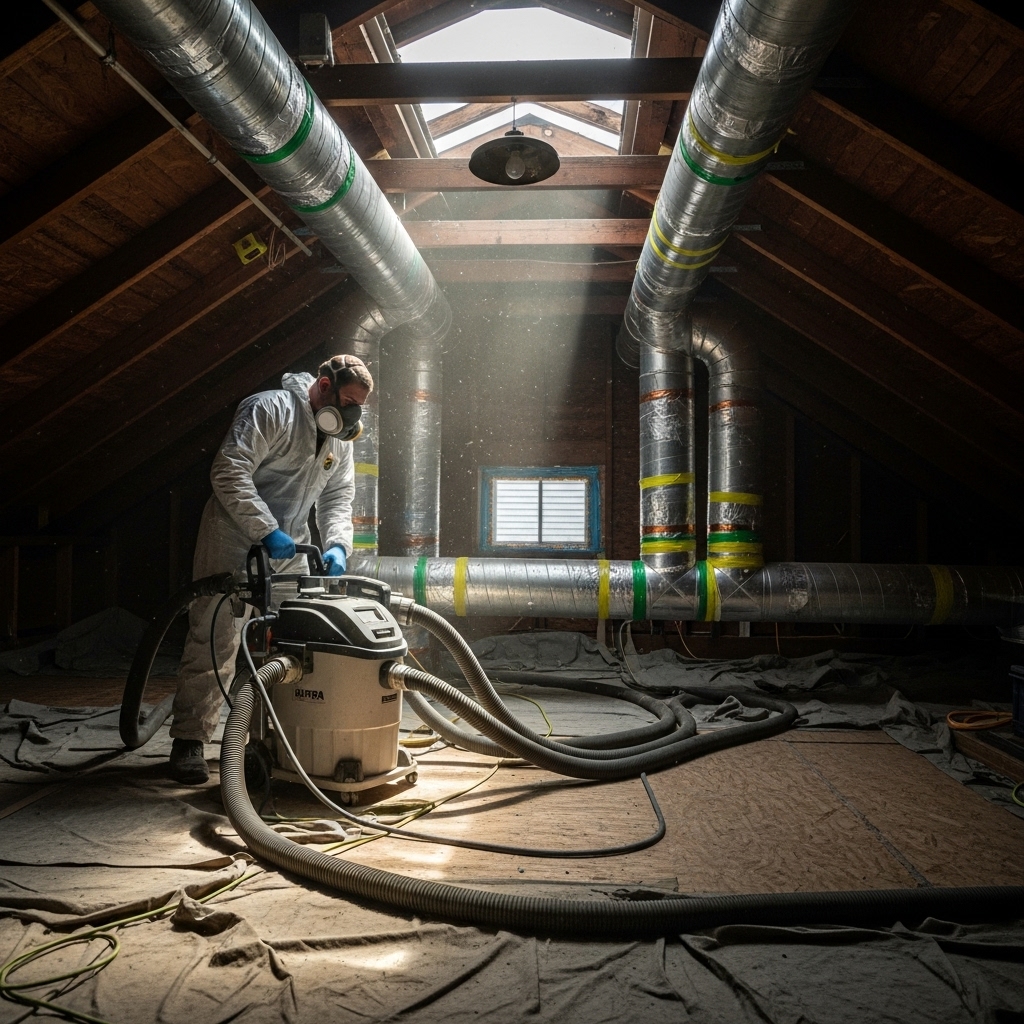
When wildfire smoke drifts across Malibu, it can leave a mark even if flames never come near. The sunsets might glow a little brighter for a few days, but inside, the air can feel heavy, and a faint, smoky odor lingers when the system starts. I’ve walked into homes that smelled perfectly fine with the HVAC off, only to release a wave of smoke scent the moment the blower kicked in. That’s a sign fine particulates and odor compounds are sitting in the ductwork, the return plenum, or even the blower compartment. The good news is that with a careful, methodical cleaning, you can reclaim your indoor air. Here’s how we approach duct cleaning after smoke in Malibu, why it’s different from a routine visit, and what you can do to set your home up for a clean reset. Early on, know that working with a team experienced in post-event air duct cleaning will make the process smoother and the results more predictable.
First, understand what smoke leaves behind. Wildfire smoke carries a mix of ultrafine particles, volatile compounds, and charred residue that can settle on duct linings and mechanical components. Filters trap a portion of this, but when smoke persists for days, filters saturate quickly. Some particles continue downstream and adhere to surfaces, especially where airflow slows—at turns, near dampers, and along flex duct ridges. The result is a dull gray film and a smoky note that’s hard to ignore when the system starts.
In Malibu, topography and microclimates amplify these effects. Canyons can funnel smoke and hold it low in the mornings, while afternoon winds kick particles back up. Homes near the beach may get relief sooner, but salt-laden air can combine with smoke residues and leave a sticky trace. If you ran the system to keep the home comfortable while outside air quality was poor, much of that air cycled through your returns repeatedly. Even with doors and windows closed, time does its work.
A post-smoke cleaning plan begins with inspection. Technicians look at filter condition, take images inside accessible ducts, and check the blower compartment and plenum. They note where residue is visible and where odors are strongest, then design containment to prevent further spread during agitation. This inspection isn’t about finding problems to fix; it’s about building an efficient, targeted plan that restores your air without guesswork.
Containment and collection are the backbone of the process. Crews establish negative pressure using HEPA-grade equipment so particles dislodged during cleaning are captured, not pushed into the home. Registers and grilles are carefully removed and cleaned. Agitation tools are selected for your duct material—gentle for flex and lined ducts, effective but controlled for metal—so residue releases without damaging the surfaces. The return side gets special attention because smoke-laden air spent the most time there, but the supply side and blower compartment are essential too.
Odor mitigation follows mechanical cleaning when needed. Not every home needs a deodorizing step, but after heavy smoke, it’s common to treat targeted areas. The goal isn’t to mask smells; it’s to address residual compounds on surfaces. A reputable provider will explain what product is proposed, why it’s appropriate for your system, and how coverage is achieved without over-application. If you’ve heard about fogging or other delivery methods, ask questions until you’re comfortable. The key is choosing a method that complements—not replaces—thorough particulate removal.
The filter reset is another crucial piece. If your filters were in place during the smoke event, they worked overtime and deserve retirement. A fresh filter with a rating suited to your system helps catch any stragglers in the days following cleaning. Remember that higher isn’t always better; match the media to your blower’s capacity so airflow remains strong. After severe smoke, I often recommend checking the new filter ahead of schedule the first time, just to confirm the system is staying clean.
Home preparation makes the day go smoothly. Clear space around returns and the air handler, secure pets in a comfortable room away from the work area, and identify which rooms you’ll use if you’re working from home. Technicians will bring surface protection, but pointing out delicate finishes or items of sentimental value helps everyone stay on the same page. If you have an HOA or a gated community with specific work-hour rules, share them during scheduling so the crew can plan accordingly.
One question I hear often is whether to run the HVAC while waiting for service. If odors are strong or you see visible residue around returns, it’s reasonable to limit use until a technician evaluates the system. In the meantime, portable air purifiers can help in main living areas, and bathroom and kitchen exhaust fans can move stale air without pulling as much through the central system. Once cleaning is complete and the new filter is in place, you can return to normal operation with confidence.
Post-clean, the difference is usually noticeable right away. The first cycle should feel neutral—no smoke note, no earthy undertone. That immediate improvement comes from removing residue at its source rather than trying to cover it up. In the days that follow, open windows when outdoor air quality allows, and let the system run its usual schedule. This helps stabilize the home’s air and allows any remnant trace in furnishings to dissipate with regular circulation.
Documentation matters, especially after a smoke event. Ask for images showing what was removed and where, along with notes on any unusual findings like disconnected branches or signs of past moisture. Keep this report with your home maintenance records, particularly if you’re working with a property manager or planning to share the home with guests. It shows that you responded thoughtfully and restored the indoor environment.
For families, especially with young children or elderly relatives, regaining a sense of safety is as important as the technical work. I’ve watched shoulders drop and faces relax when the first clean cycle completes without that telltale scent. Clean ducts won’t rewrite the weather, but they do put control back in your hands. If anyone in the household has respiratory sensitivities, coordinate timing so they can spend the morning outdoors or in a part of the home away from active work while technicians are on site.
Not all smoke events are the same. Some are brief, with mild odor and light residue. Others last days and leave a stubborn reminder in the system. Your provider should tailor the plan accordingly—no one-size-fits-all. In heavier cases, be open to a follow-up filter change or a quick return visit for a final check. The goal is to get your home back to normal and keep it there.
Looking ahead, you can reduce future impact. Keep a supply of the right filters on hand so you can swap them more quickly when air quality worsens. Consider a reminder system tied to local conditions if you split time between homes. Simple habits, like closing windows on smoky days and running bathroom exhaust fans to manage humidity, help the system breathe easier when outdoor air isn’t cooperative.
If you’re assessing the home yourself before calling, pay attention to a few signs. A faint campfire scent on startup, dust collecting quickly around returns, or visible film on register grilles suggests residue inside. Don’t worry about perfect diagnosis—that’s our job. Share what you’ve noticed, how long the smoke lasted, and whether you ran the system during that time. That information helps your team build a precise plan.
In Malibu’s mix of beach and canyon, post-smoke cleanings have become part of seasonal life. It’s not the most glamorous task, but it’s one of the most satisfying. Turning a corner from “it smells off” to “it feels like home again” is why we do this. Partner with a provider who explains each step, protects your space, and leaves you with confidence as much as with clean air. Selecting a crew recognized for thorough air duct cleaning keeps the focus on results, not just process.
FAQ: Duct Cleaning After Wildfire Smoke
How soon should I schedule cleaning after smoke exposure? As soon as practical once outdoor air quality improves. If odors are strong, limit HVAC use until a technician evaluates the system, then proceed with a plan that includes containment and HEPA-grade collection.
Will cleaning remove the smoke smell completely? In most cases, yes, when mechanical cleaning is thorough and followed by an appropriate filter reset. Stubborn cases may benefit from targeted deodorization chosen for your system and materials.
Is it safe to stay home during the process? Most homeowners do. Crews stage work to minimize disruption and contain dust. If anyone is sensitive, consider spending part of the day outdoors during the noisiest steps.
What about my filters? Replace them after cleaning, and consider checking them earlier than usual the first cycle. The right media for your system keeps the air clean and the blower running efficiently.
Do I need antimicrobial products? Not always. Odor is not the same as microbial growth. A reputable provider will recommend treatments only when inspection suggests they’re warranted, and they’ll explain the product and purpose clearly.
Ready to Breathe Easy Again?
If your home has carried the memory of smoke longer than you’d like, it’s time for a reset. Schedule an evaluation with a local team known for careful air duct cleaning. With the right plan, you’ll close the book on the smoke season and welcome back the clean, coastal air you love.