
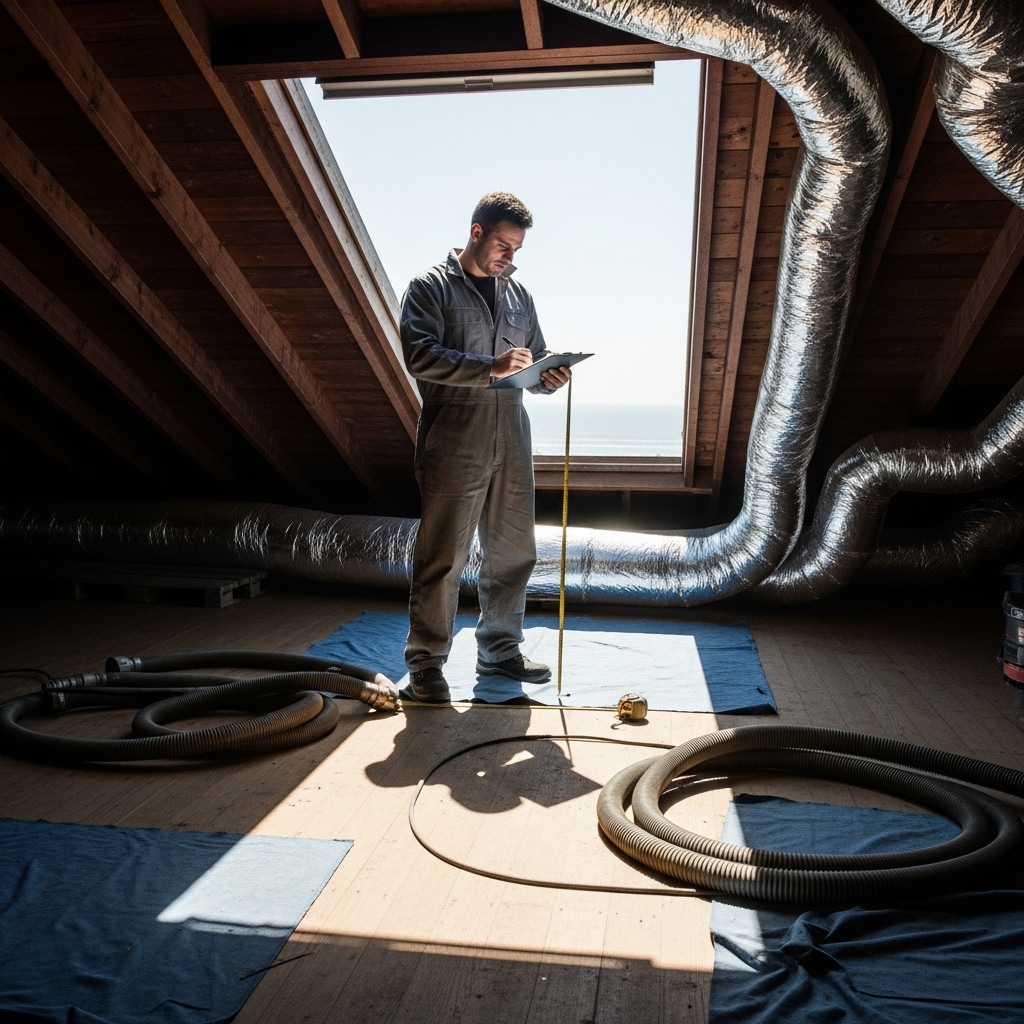
Talking about what drives air duct cleaning costs in Malibu is a bit like talking about the ocean outside your window: it changes with the weather, the season, and what’s been happening in the neighborhood. From oceanfront estates with high-end finishes to hillside homes tucked along winding canyon roads, Malibu’s homes are as varied as the landscapes around them. That variety is exactly why the price you see online rarely maps cleanly to what you’ll pay after an in-person evaluation. In this guide, I’ll break down the factors that shape value and scope so you can understand what professionals are looking at when they visit, how Malibu’s environment influences the work, and what you can do to set up a successful project without surprises. I’ll use everyday terms, keep it practical, and highlight the things I see most often in the field. Early on, I’ll also point you to a reliable resource, because a reputable partner for air duct cleaning can make all the difference when it comes to getting the job done right.
Let’s start with the home itself. In Malibu, square footage is only part of the story. What matters almost as much is layout and access. A single-level ranch near the beach with a straightforward supply-and-return arrangement is a different project than a multi-level home with decorative ceilings, tight mechanical rooms, and long duct runs stretching to a separate guesthouse. The number of supply registers and return grills, the presence of zoning dampers, and whether you have one air handler or several each adds to the time and expertise required. If the system is partially or fully in a crawlspace or attic—common in both older homes and newer ocean-view builds—that can influence preparation, containment, and safety measures the crew needs to take.
Age and condition of the HVAC system is another major determinant. Older ductwork doesn’t automatically mean more work, but aged insulation, brittle flex duct, or poorly sealed connections can require a gentler approach and sometimes extra steps to protect the system while cleaning. Conversely, newer systems may be easier to clean but can have more complex controls or advanced filtration cabinets that must be disassembled carefully. Either way, technicians need to assess how dirt, dander, sawdust from past renovations, or wildfire smoke particulates have accumulated over time. In Malibu, I routinely see a mix of beachside humidity, salt aerosols, seasonal pollen, and post-wind-event debris working their way into returns and settling along duct linings.
Contaminant type and severity are a big story here. If you’ve recently had construction—new floors in the great room, a kitchen remodel, or even a window replacement—ultrafine dust can find its way throughout the system. If there’s been a nearby wildfire, even if flames didn’t approach, smoke and ash can settle in filters and duct interiors. I have opened plenums where a thin gray film lined the surfaces after a windy week with heavy smoke across the county. Those particulates call for HEPA-grade collection, careful containment, and thoughtful deodorization steps. Pet families have their own patterns too: hair and dander tend to accumulate at floor-level returns and in flex duct ridges. Each of these scenarios shapes the scope—and scope is what ultimately shapes the invoice.
When a professional evaluates your system in Malibu, they’re looking at logistics as much as the ducts. Access is not just about squeezing into an attic; it’s about parking on steep driveways, navigating narrow canyon roads with a negative air machine, and protecting high-end finishes as equipment is staged in the home. In gated communities and beachfront properties, there can be timing restrictions, security protocols, and strict rules about work hours and noise. These aren’t complications so much as realities that add planning time and sometimes crew size to keep the job efficient and respectful of your space.
Beyond logistics, expect a conversation about the scope of work. A thorough cleaning runs from the return side through the air handler and out the supply side. That includes the blower compartment, evaporator coil housing access (if appropriate), the plenum, branch runs, and all registers and grilles. A provider should explain which surfaces will be mechanically agitated, what vacuum collection methods are used, and how they’ll protect your home from dust migration during the process. If antimicrobial treatment or deodorization is recommended following smoke exposure or a moisture event, you’ll want to know what’s being applied and why. Not every project needs chemicals—many do not—but if your history suggests a benefit, a transparent technician will make that case with evidence from their inspection.
Inspection itself matters. In Malibu, I prefer a baseline digital inspection before any work starts. That might be camera footage in accessible ducts, photographs of registers, and readings of filter condition and air velocity. Documentation not only informs the plan; it also gives you before-and-after visuals. If you’re comparing two proposals, ask to see a sample of their report format. The clarity of that documentation often reveals how carefully the work will be done.
Timeframe is another driver. Most homeowners want the cleaning done in one day. Depending on size, layout, and the number of systems, that can mean a larger crew. Some schedules—such as tight windows between guests or events—might require evening or weekend hours, where building or community rules permit. Planning this upfront ensures the team arrives ready to proceed without stretching the job across multiple visits. That planning time, the crew count, and the coordination with your schedule all affect the overall project scope.
Seasonality plays a subtle role here in Malibu. During and after Santa Ana wind events, phones ring off the hook. When there’s been smoke across the region, requests spike, and calendars fill. Conversely, mild shoulder seasons can be easier for scheduling and sometimes allow more flexibility. If you have the option, plan proactively ahead of major weather patterns. The more notice you provide, the more likely you’ll get your preferred time along with a crew size calibrated to finish efficiently.
One of the most important conversations I have with homeowners is about value. When you think about cost, look at what’s included, how the team will protect your home, and what the outcomes will be. Clean ducts reduce recirculating dust, can support better airflow, and help your air handler operate without the extra burden of debris on critical components. In coastal neighborhoods, a well-sealed system that is kept clean helps resist the mild corrosive effects of salt-laden air. If you’ve experienced wildfire smoke, removing embedded particulates and refreshing filtration are essential steps toward restoring indoor air quality.
Let’s talk about proposals and how to read them. A clear proposal should detail the number of systems, the method of agitation and collection, which components are included, and how registers will be protected and cleaned. It should note any concerns identified during inspection, such as compromised insulation or signs of moisture, and recommend solutions that make sense for your situation. If a company promises a one-size-fits-all approach, press for specifics. Every Malibu home I’ve stepped into has its own story, and your plan should reflect that.
When I compare reputable providers, I look for training and credentials, insurance, and references. Membership in a recognized trade association signals a commitment to industry standards, but experience in local conditions is just as important. Ask how they handle sandy environments and salt exposure, what they do differently after a smoke event, and how they protect luxury finishes during setup and breakdown. If they have a practice of sharing before-and-after imagery with homeowners, that’s a plus because it improves transparency and accountability.
Something that often gets overlooked is filter strategy. If you’re upgrading filters, make sure the MERV rating fits your system’s static pressure capacity. In other words, a higher number is not always better if your blower isn’t designed to push air through dense media. After a thorough cleaning, it’s an ideal time to reset your filter plan—fresh media, documented install date, and a reminder schedule based on your occupancy and pets. If you’ve recently endured a smoky period, you may want a shorter replacement interval for the next cycle.
Home preparation can reduce surprises. I suggest moving cars to create a straightforward equipment path, securing pets in a quiet room, and placing drop cloths where crews will enter. Technicians will bring their own protective coverings, but making space at registers and clearing access to the air handler smooths the setup phase. In larger homes, it can help to provide a brief tour: point out thermostats, zoning controls, and any rooms where noise is a concern during the process.
As you weigh options, remember that scope and results matter more than an arbitrary number found on a flyer. Consider how thoroughly the return side will be addressed, whether the blower and coil access are part of the plan, and what steps are taken to prevent dust from escaping during agitation. This is where having a trusted partner for air duct cleaning becomes invaluable, because consistent methodology and good communication translate directly into outcomes you can feel.
Signs you may be due for service include stubborn dust settling shortly after you clean, earthy or smoky odors when the system starts, and rooms that never quite reach the comfort level you expect. Limited airflow can have several causes, but accumulated debris and clogged filters are common culprits. If you’ve recently brought a new pup home or completed a renovation, your timeline may move up even if your last service wasn’t that long ago. Malibu’s combination of ocean breezes, canyon winds, and seasonal pollen means a clean system won’t stay pristine forever; having a maintenance rhythm tailored to your household is the most realistic goal.
Communication on the day of service is key. A good crew will walk you through what to expect, set up containment, and confirm the sequence of work so you know which rooms are active when. They’ll protect flooring and furnishings, and they’ll check in if they find surprises—like a disconnected flex duct in an attic bay or evidence of a past leak. If that happens, you’ll have a chance to decide whether to authorize additional steps or plan a follow-up visit to address repairs. The best teams treat your home like their own and leave things cleaner than they found them.
After the work is complete, review the documentation. Look at the visual evidence of what was removed, compare it to the initial inspection, and note any recommendations. You’ll breathe easier not only because your ducts are cleaner, but because you have a clear record of what was done and why. Keep that report with your home maintenance files; it’s useful if you ever sell or if you onboard a new property manager who needs a baseline of your system’s condition.
Speaking of property managers, many Malibu homeowners split time between homes or rent seasonally. If that’s you, consider syncing duct maintenance with other routine tasks, such as HVAC tune-ups and filter changes. Coordinating services saves time and ensures your system stays consistent. It also helps catch small issues before they become big ones—like a register that’s been painted shut or a return grille missing its fasteners after a tenant turnover.
Finally, think about your goals. If you’re recovering from a smoke event, you may prioritize odor mitigation and particle removal. If your primary concern is dust accumulation on high-end finishes, then thorough cleaning and a smart filtration plan will make the most difference. When your focus is energy and comfort, it’s about airflow and making sure the handler isn’t fighting against debris. Aligning scope to outcome is the surest way to feel that the project delivered what you needed.
FAQ: Air Duct Cleaning Cost in Malibu, Answered
How do Malibu’s coastal conditions affect project scope? Salt-laden air and humidity can influence how debris adheres to duct surfaces and can accelerate wear on exposed metal components near beachside areas. Professionals account for this with careful inspection and by selecting methods and protections suited to your home’s materials.
Will a larger home always require more work? Not necessarily. Layout, number of systems, and accessibility matter as much as square footage. A well-designed system with clear access can be more straightforward than a smaller home with cramped, complex runs.
What about homes affected by wildfire smoke? After smoke exposure, fine particulates and odors can settle throughout the system. The project may include deeper capture with HEPA-grade equipment and targeted deodorization. Thorough filter replacement and a follow-up check can also be part of the plan.
Do I need to leave the home during the cleaning? Most homeowners stay, and crews stage the process to minimize disruption. If you work from home, identify a quiet room and coordinate with the team so you have a predictable sequence.
How long does a professional cleaning take? It depends on the number of systems, layout, contaminant load, and available access. A well-prepared crew can often complete a single-system home in a day, but complex properties may require more time or a larger team.
Is it messy? A careful provider protects flooring and furnishings, uses negative pressure to capture debris, and cleans as they go. Ask how they contain dust, and request before-and-after documentation to verify results.
How often should I schedule cleaning? Frequency depends on occupancy, pets, local conditions, and recent events like renovations or smoke exposure. Many Malibu homes benefit from an evaluation every couple of years, with cleaning as needed based on findings.
Do I need antimicrobial treatments? Not always. They’re appropriate when a technician documents a relevant condition, such as residual odor after smoke exposure or evidence suggesting microbial growth. Products and methods should be explained in plain language before use.
Ready to Take the Next Step?
If you want a clear assessment, thoughtful recommendations, and careful work that respects your home, choose a trusted local team. Start by scheduling an evaluation with a provider known for meticulous air duct cleaning. With the right plan and a crew that understands Malibu’s unique conditions, you’ll set your system up for clean, comfortable air throughout the seasons.