
Living With the Ocean, the Canyons, and the HVAC You Rely On
Spend a single morning watching the fog roll from Point Dume toward Malibu Colony and you understand the beauty and the challenge of coastal living. The same marine layer that softens the sunrise also carries salt, moisture, and microscopic particles deep into the places we don’t see—behind grilles, through returns, and across the long spans of sheet metal that circulate air through our homes. It’s why Malibu homeowners who treat their properties as living systems pay close attention to what moves through those ducts. In my experience maintaining homes along the Pacific Coast Highway and tucked up into the canyons, I’ve seen how scheduling regular air duct cleaning becomes a quiet cornerstone of comfort, health, and long-term home value.
When friends ask what makes coastal HVAC care different, I start with a simple image: sea spray drying into salt crystals. Those crystals settle in places we rarely think about—corrugated flex runs under floors, large trunks above garages, and narrow chases behind custom cabinetry. Over time, salt attracts moisture and encourages corrosion. Add beach sand from flip-flops, pet hair from the golden retriever who never misses a morning swim, and smoke residue drifting in from late-season fires, and you have a cocktail that can coat duct walls, dampers, and coils. The result is air that feels heavy, systems that work harder, and a home that never quite smells as fresh as the ocean breeze suggests it should.
Healthier Breathing, From Carbon Beach to the Canyons
Indoor air quality is deeply personal in Malibu because our lifestyles tilt outdoors—open sliders, sunset gatherings, sandy feet coming in from Zuma, and kids tracking ocean mist onto rugs. This easy flow between outside and inside is part of the charm; it also means pollen, mold spores, and fine particulate matter are frequent visitors. In coastal homes, duct interiors become the backstage of the air we breathe. When those surfaces are clean, airflow stays smooth and allergens have fewer places to cling. Residents with seasonal allergies often notice fewer irritated mornings after a thorough cleaning because the dust that previously dislodged each time the blower spun up simply isn’t there anymore.
For families caring for elders or newborns, the benefits feel even more tangible. A duct system free of accumulated debris circulates air with less agitation, which can help reduce airborne irritants that tend to recirculate in older systems. After major wind events, when Malibu Canyon funnels gusts toward the coast, I’ve seen homes that looked spotless accumulate a surprising layer of interior dust. It only reveals itself when the sun hits just right—glittering specks in a beam of light. Cleaning the ducts removes a hidden reservoir for that dust, which means less resettling on surfaces and smoother breathing day and night.
Moisture, Salt, and the Quiet Enemy Called Corrosion
Salt is both subtle and relentless. On the beachfront, you see it on bronze hardware and railings; inside, its effects take longer, showing up first as small spots on galvanized duct seams or minor discoloration near vents. Over time, a thin film of salt-laced residue can trap moisture and accelerate rust, particularly around screws, turning vanes, and balancing dampers. Removing that film during a proper duct cleaning interrupts the corrosion cycle. It preserves the integrity of components you rarely see—things like mastic seals and foil tape at joints—so your system stays tight, efficient, and quiet.
Moist marine air also nudges humidity higher, which can push dust to clump and adhere to duct walls. When that happens, the system’s effective diameter narrows, and the blower has to work harder to deliver the same comfort, especially to second-floor rooms where heat stratifies. I’ve watched energy monitors flatten after a cleaning because the system no longer fights friction losses. It’s not magic; it’s physics working in your favor once the airflow path is restored to what the designer intended.
Comfort That Reaches the Far Corners of the House
Malibu architecture loves drama—lofty ceilings, glassy great rooms, and expansive wings added to original bungalows. Those beautiful lines can make air distribution tricky. Any buildup inside long runs reduces throw at registers, and rooms at the end of the line tell the story: they warm up late on winter mornings and cool down slowly on fall afternoons. Cleaning the trunk and critical junctions can re-balance delivery so the kitchen near the courtyard and the office over the garage both feel evenly conditioned. The improvement is especially noticeable on breezy days when infiltration increases and the system cycles more often.
Along with more even temperatures, homeowners frequently notice a shift in the home’s scent—the background aroma that greets you when you walk in. Cooking, candles, and fireplaces leave trace compounds that settle in dust within the duct system. Removing that dust removes the trace, letting the natural smell of the house return. In coastal homes where open windows invite ocean scents, this reset is part of the pleasure of living by the water.
The Wildfire Factor and Why Clean Ducts Matter
Even when flames stay miles away, smoke can ride the breeze and find its way into return paths and attic plenums. Fine ash is notorious for lodging in pleats of filters and in the micro-turbulence within ducts themselves. Cleaning after a smoke event removes residue that would otherwise keep the memory of a tough week alive every time the heat or cool kicks on. For many of us, fires have become part of the seasonal rhythm; adding duct care to your post-event checklist makes living here feel calmer, safer, and more restorative.
When to Schedule, and Why Seasonality Matters
In practice, spring is a favorite time to schedule a cleaning. Winter storms have passed, the marine layer is predictable, and the home is ready for summer guests. Autumn, after the dust and the long dry months, is a close second—especially before the first heater run, when accumulated particles are otherwise poised to bake and circulate. The specific cadence depends on how near you are to the surf line, how much you entertain, whether you have pets, and how often you keep doors and sliders open. In surf-adjacent homes, annual appointments are common. Homes up Las Flores or Winding Way, sheltered from direct sea spray, sometimes stretch longer, especially if filtration is well managed.
Midway through a thorough service, I like to pause and show homeowners what was removed. Seeing a handful of coastal grit and the faint gray of smoke dust puts the work in perspective. It’s also an opportunity to discuss filtration upgrades and sealing improvements that keep ducts cleaner longer. This conversation is often where people decide to combine routine filter swaps with periodic professional air duct cleaning so the system is protected from both ends—what enters and what accumulates.
Protecting Investment and Resale Confidence
Malibu homes are beloved places and significant investments. Buyers here are attentive to mechanical integrity; they want to know the bones and the breath of the house are looked after. Documented duct cleaning, especially paired with coil care and blower maintenance, reads like a well-kept service log for a classic car. It reassures buyers that the system isn’t hiding odors or inefficiencies and that salt air hasn’t been allowed to quietly undermine metalwork. That reassurance can smooth inspections and keep attention focused on the light, the views, and the architecture that made you fall in love with the property in the first place.
What a Thoughtful Cleaning Visit Looks Like
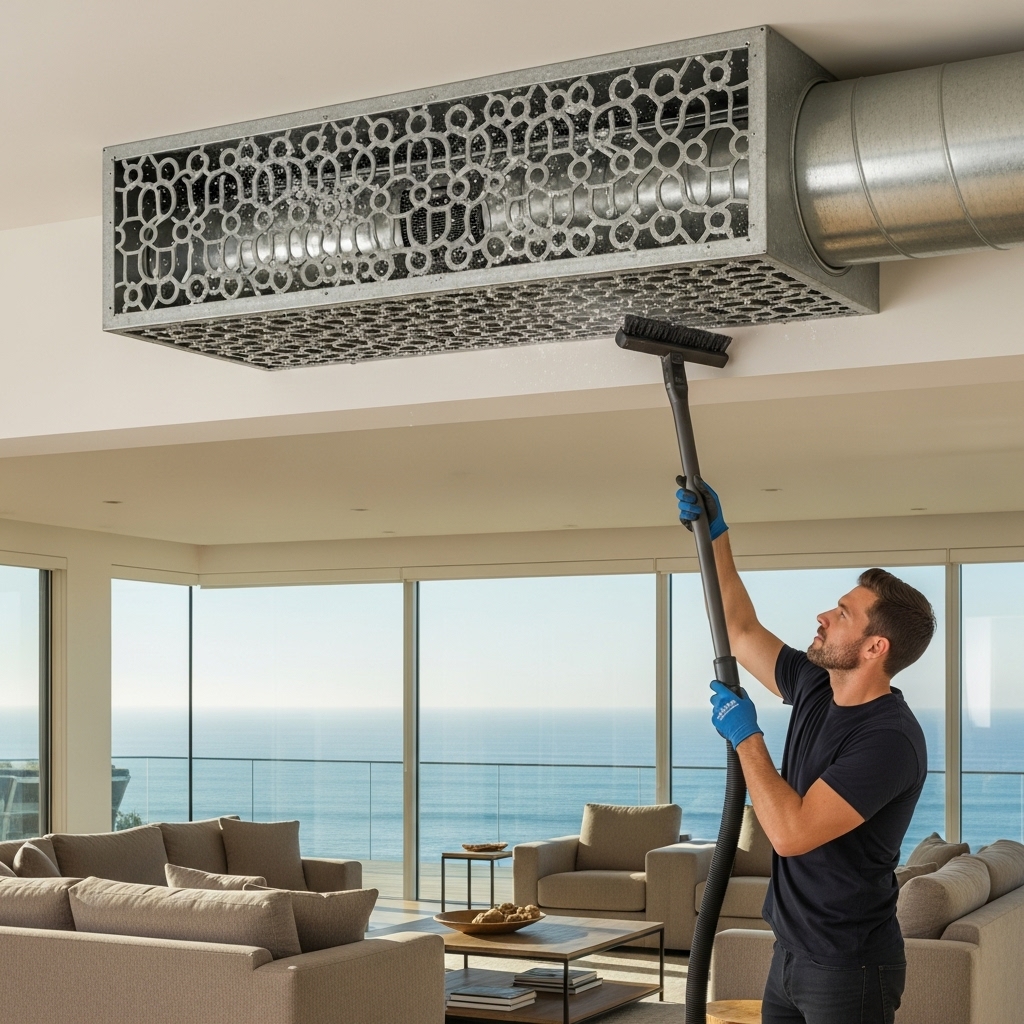
Good work starts with containment. Vents and returns are covered so dust doesn’t escape into living areas, and negative pressure is established to pull debris out rather than let it drift. Flexible agitation tools navigate curves to dislodge buildup without harming liners. Returns get special attention because they are the lungs of the system, acting like a gatherer for whatever the home releases. Finally, a slow walkthrough reveals small leaks at seams or boots that can be sealed to prevent future intrusion. The goal isn’t simply a clean duct; it’s a quieter, tighter, more efficient breathing system for the home.
Pairing Duct Care With Everyday Habits
You feel the benefits of a cleaning most when daily habits support it. Removing shoes near entries, brushing the dog outside, and giving door tracks a quick vacuum after a windy night all help. Strategic use of kitchen exhaust during cooking keeps oils from migrating to common areas. When you do open up the house to the breeze—and you should, because that’s part of living here—giving the system a little time to filter afterwards helps settle what the day carried in. Over months, these small choices keep ducts cleaner and surfaces freer of dust.
FAQs
How often should a coastal Malibu home schedule duct cleaning?
Homes close to the sand benefit from annual service because salt and fine grit build quickly. Properties up the hills or set back from the surf can often stretch to every two years, especially with strong filtration and sealed ducts. Lifestyle matters too—open-air living, pets, and frequent entertaining all nudge the schedule toward more frequent care.
Will cleaning help with that persistent ocean-meets-closet smell?
Yes. Musty or slightly briny odors often come from dust films that hold moisture and trace compounds. When those films are removed, the scent dissipates and the home’s natural freshness returns. If odors persist, returns, coils, and drain pans are the next places to check.
Is it better to clean ducts before or after fire season?
Ideally both planning and response play a role. If you clean in spring, you start summer with a clean slate and better airflow. After any smoke event, a targeted cleaning removes ash and residue so odors don’t linger. Many homeowners time service for late spring and then perform an inspection again in autumn.
Can duct cleaning improve energy efficiency?
Yes. Restoring duct interiors to a clean state reduces friction losses, which helps the blower move air with less effort. Balanced airflow also means rooms reach setpoints faster, leading to fewer long cycles and a system that feels more responsive.
Will it disrupt my week?
Most single-system homes can be serviced in a day with careful containment so daily life continues. The work is methodical rather than noisy, and the footprint stays tidy. If you host guests frequently, scheduling between stays keeps the calendar smooth.
Your Home, Your Air, Your Next Easy Win
Coastal living is a gift, and caring for the quiet systems that make it comfortable is part of honoring that gift. If you have been wondering whether your home would feel different with cleaner ducts, consider this your nudge. Fresh air, steady comfort, and fewer hidden worries are only a step away. If you need a place to begin, explore professional options for air duct cleaning and schedule a time that fits your season. The house will tell you it was the right choice the next time you exhale, and the room simply feels right.