
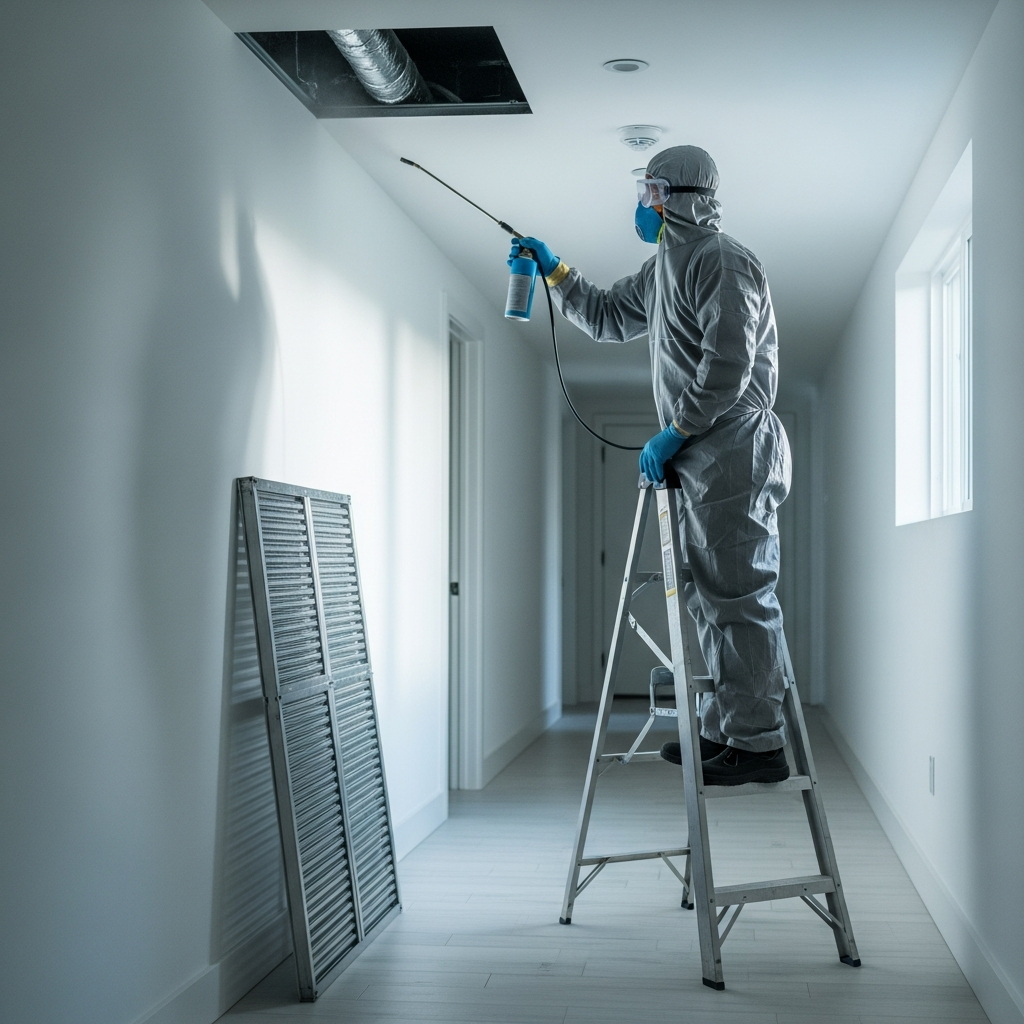
In Malibu, the line between indoors and outdoors is beautifully thin. Breezes flow through open doors, friends come in from the beach with sand still on their shoes, and the scent of salt and sage drifts through canyons at dusk. That easy exchange with nature is part of why we live here. It also explains why air ducts deserve more attention than they usually get. Over time, dust, dander, and residues from smoke events can settle into the pathways your home uses to breathe. Cleaning those pathways restores clear airflow. In some situations, sanitizing becomes the sensible next step, targeting microbes and odors that a mechanical cleaning alone won’t fully address. Understanding the difference—and knowing when each is appropriate—helps Malibu homeowners make decisions that are effective, safe, and tailored to our coastal environment. As you consider your options, it’s useful to visualize what a complete air duct cleaning accomplishes before any discussion of sanitizing begins.
Cleaning versus sanitizing: two steps, one goal
Think of cleaning as removing the dust blanket from your ductwork and air handler components. Under strong negative pressure, technicians use agitation tools matched to your duct materials to dislodge settled debris, then collect it so it doesn’t escape into your living space. Registers come down, the blower cabinet is cleared, and the interior surfaces are returned to a clean baseline. That alone solves many problems—stale odors, uneven airflow, and the persistent dust that seems to reappear overnight.
Sanitizing, by contrast, addresses what you can’t see. It targets microbes and odor-causing compounds that may remain after debris is removed. In Malibu, the two most common triggers for sanitizing are wildfire smoke infiltration and moisture incidents, whether from a roof leak that touched return paths or a humid spell that left a musty trace. A responsible provider will never recommend sanitizing as a default. It’s an added step for specific circumstances, chosen after inspection and explained in plain language so you understand why it’s helpful and how it will be applied.
When Malibu homes benefit from sanitizing
Wildfire seasons can leave a signature inside ductwork—an odor that clings even after windows are thrown open for days. That’s often a sign that tiny residues have settled on metal surfaces and in porous areas like duct board. Once mechanical cleaning has removed loose particulates, a targeted sanitizer or deodorizer can neutralize the remaining compounds so the air stream smells like your home again. Moisture is the other common scenario. Even a small leak that travels unseen for a few hours can elevate humidity inside ducts long enough to invite musty odors later. In those cases, sanitizing helps reset the environment after the source of moisture is fixed.
Homes with high occupancy—frequent guests, busy households, or vacation rentals that see lots of turnover—sometimes opt for sanitizing after a thorough cleaning to reduce background odors that build up from cooking, pets, and life happening at full tilt. The key is suitability: the product chosen should match the materials in your system and be applied with care to reach surfaces evenly without overuse.
What responsible application looks like
Once debris is removed and the system is clean, technicians apply sanitizer through controlled methods designed to coat interior duct surfaces lightly and uniformly. The air handler cabinet is addressed thoughtfully, avoiding direct contact with sensitive electronics while ensuring the blower compartment and adjacent surfaces receive attention. Providers who take safety seriously will discuss dwell times, ventilation, and re-entry guidelines so your household is comfortable with the process. They’ll also explain fragrance choices, if any, because the goal is neutrality, not a perfume that masks what’s left behind.
Equally important is preparation. A pre-cleaning assessment determines whether sanitizing is appropriate at all. If the source of odor is a persistent moisture issue or a hidden leak, that problem must be resolved first. No sanitizer will outpace an ongoing water intrusion. Similarly, if a construction cap is stuck in a branch line or a filter door isn’t sealing, those mechanical issues deserve attention before any chemical step is considered.
Material matters: metal, flex, and duct board
Malibu homes are a patchwork of materials. Older houses may feature sturdy sheet metal ducts, while newer additions often incorporate flex runs and sections of duct board for insulation and space-saving. Each material responds differently to both cleaning and sanitizing. Metal tolerates more assertive agitation and accepts sanitizer evenly. Flex duct requires a lighter touch to avoid damaging the inner liner, and sanitizing must be applied carefully to prevent saturation. Duct board is porous and can hold odors longer; here, correct product choice and conservative application are crucial to achieve results without leaving residue. A seasoned technician understands these subtleties and adapts.
Why timing and climate shape decisions
Our climate encourages open windows in the afternoon and cozy indoor evenings when the breeze turns cool. That flexibility is lovely, but it also informs how cleaning and sanitizing are scheduled. On cool, overcast mornings, attics are kinder to crews, and homes can air out comfortably if a deodorizing step is included. After a smoky week, acting quickly reduces how deeply residues settle into materials. If you’ve had a moisture incident, schedule cleaning and, if appropriate, sanitizing once the source is fixed and surfaces have dried. The faster you reset the system, the less likely odors are to linger.
Midway through a project, many homeowners appreciate pausing to review what’s been found so far. It’s a perfect time to weigh whether sanitizing adds value to the day’s work. Considering the realities of Malibu living—from salt air near the shoreline to dust funneled by canyon winds—deciding to include or skip sanitizing is best done with full information, not as a one-size-fits-all package. If you choose to proceed, it becomes a tailored finish to a thorough air duct cleaning rather than a generic add-on.
Staying fresh after the work is done
Once your system is cleaned and, if needed, sanitized, small habits keep that freshness intact. Use filters that fit properly and change them on a schedule that matches your household—more often if you have pets or leave windows open for long stretches. During smoky periods, close windows as much as practical and switch to recirculation modes to limit intake. After a big cooking session or a lively weekend with guests, give the system a little extra runtime to exchange indoor air and keep odors from settling in return paths. These simple steps extend the period between deep cleanings and help the benefits last.
For homeowners who love renovations and design updates, planning matters too. Construction dust is notorious for slipping past temporary barriers. Coordinating with your HVAC pro to protect returns during the messiest days, and scheduling a post-project cleaning, prevents fine dust from becoming a long-term occupant of your ducts. If your project changed airflow patterns—adding a room, shifting a return—ask for a quick balance check after cleaning so comfort stays even.
Safety, transparency, and peace of mind
Trustworthy providers communicate clearly about the products they use, the surfaces those products are designed for, and the steps they take to safeguard your household. They’ll answer questions about ventilation and re-entry without hedging, and they’ll provide documentation of the work. You should feel welcome to ask why sanitizing is recommended in your case and to skip it if the rationale doesn’t resonate. In homes where children, older adults, or sensitive pets live, that dialogue is essential. The goal is always the same: cleaner, fresher air without drama.
Frequently asked questions
Do I need sanitizing every time I clean my ducts? No. Sanitizing is situational, typically recommended after smoke exposure, moisture incidents, or when persistent odors suggest microbial activity. A good provider will explain the “why” before proceeding.
Will sanitizing leave a smell? Responsible applications aim for neutrality. Some products have a light, temporary scent during application, but the objective is to remove lingering odors, not to perfume the air.
Is sanitizing safe for pets and kids? When performed correctly with appropriate products and ventilation, yes. Your provider should review safety steps, dwell times, and re-entry guidance so you’re comfortable.
Can I request cleaning without sanitizing? Absolutely. Mechanical cleaning is the foundation. Sanitizing is an optional tool for specific cases and should never be mandatory without cause.
How do I know if smoke residue is still in my ducts? Odors that appear when the system starts and fade with airflow can point to residue. A professional inspection and photo documentation help confirm before deciding on next steps.
What about mold? If moisture has been present and there’s evidence suggestive of microbial growth, your provider should outline a targeted plan. Addressing the moisture source is non-negotiable before any treatment.
Will sanitizing damage flex duct or duct board? Not when applied correctly. The key is product choice and conservative, even application matched to the material. Experienced technicians adapt their approach to protect your system.
How often should I revisit sanitizing? Only as needed. If your home experiences another smoke event, moisture issue, or persistent odor returns, reassess. Otherwise, maintain a sensible cleaning and filter schedule.
Ready to restore crisp, clean airflow and a truly fresh indoor atmosphere in your Malibu home? Partner with a trusted local team that explains each step and treats your system with care. Schedule comprehensive air duct cleaning today, and add sanitizing when it makes sense for your situation, so every breath at home feels as good as the breeze off the Pacific.