
Life in Malibu is defined by ocean air, canyon breezes, and morning fog that can feel like a soft blanket over the coastline. These same elements also shape how we care for our indoor environments, particularly our HVAC systems. When moisture from marine layers meets dust and organic matter inside ductwork, conditions can develop that require more than a standard tidy-up. Understanding the connection between air duct cleaning and responsible mold remediation is essential for keeping your home’s air fresh, safe, and comfortable through every season.
I often tell neighbors near Zuma and Point Dume that the goal is not only to remove what has already settled inside ducts, but also to break the cycle that allows residue to return. This is where methodical process and a calm, science-based approach matter most. It starts with inspection—looking for staining near supply registers, checking for condensation issues around the air handler, and noting any musty odors that intensify when the system runs. In Malibu, where homes range from classic beach cottages to hillside retreats with complex mechanical rooms, each property writes its own story.
Why moisture and airflow matter on the coast
Marine layers introduce intermittent humidity that can condense on cool surfaces, especially around metal components and in returns near entryways where ocean air meets indoor conditions. If that moisture lingers and dust is present, organic matter can find a foothold. Add in the occasional intrusion of smoke particles during regional wildfire seasons, and you have a mix that benefits from careful attention. A responsible team will trace the source of moisture—improper drainage, a minor leak, or inadequate ventilation—so that cleaning does not simply wipe the slate temporarily, but supports lasting results.
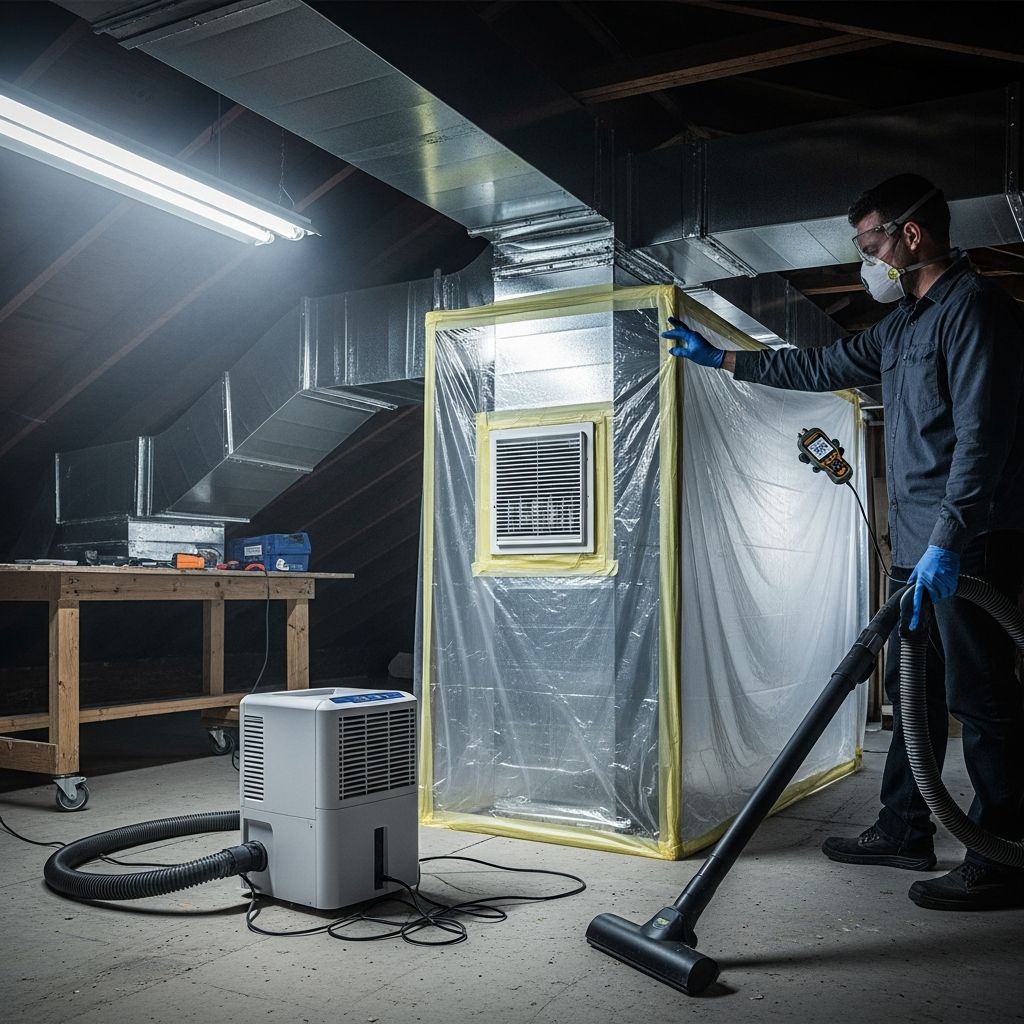
Containment is not optional; it is fundamental. Before any mold-related work proceeds, professionals create controlled zones so particles do not migrate into living areas. Negative-pressure machines with HEPA filtration draw air safely in a single direction, while covers and seals isolate vents as technicians move from room to room. Source removal then proceeds with agitation tools suited to the specific duct materials, whether you have lined ducts in an older home near Escondido Canyon or newer rigid metal runs in a modern build above Serra Retreat.
Removing and preventing: two halves of the same plan
Successful outcomes pair removal with prevention. After debris and growth are extracted and surfaces are left clean, the conversation turns to why conditions developed in the first place. In Malibu’s microclimates, that answer can be as simple as a habit of leaving certain windows open overnight during heavy fog, or as complex as a subtle condensation issue on a coil. Trusted teams will discuss ventilation, filtration, and maintenance strategies based on how you actually live. They may suggest timing for filter changes after heavy marine layers, or a check-in following construction projects that generate fine dust beyond what daily cleaning can catch.
Documentation is an ally in this process. Photographs of before-and-after conditions provide clarity, and technicians should be comfortable reviewing what they found. They may note a pattern of staining that points to a small supply leak, or show you the collected material in the HEPA unit so you understand the impact of the work. In every case, the aim is to help you make informed decisions without alarmism.
During extended wildfire seasons, particles can drift into homes even when windows remain closed. They travel on clothing, pets, and through small gaps around doors. Once inside, HVAC systems circulate them. This is where thoughtful scheduling and clear communication help. Mid-season checkups, earlier filter changes, and a sensible cadence for professional air duct cleaning all contribute to indoor air that feels and smells clean, without relying on masking scents.
Working safely inside lived-in homes
Most Malibu households are active: kids, pets, deliveries, and the constant pull of the beach. Responsible technicians respect that rhythm. They secure doors and gates, keep pathways clear of hoses and cords, and coordinate the few louder steps in the process around your schedule. They also protect finishes common to coastal homes—light oak floors, polished concrete, stone thresholds—and avoid dragging equipment across sensitive surfaces. The best teams leave no trace of their tools beyond fresher air and tidier registers.
When mold is suspected inside ducts or near the air handler, professionalism becomes even more critical. Careful containment, appropriate personal protective equipment, and measured recommendations prevent overreactions that can lead to unnecessary disruption. In some cases, addressing a moisture source, cleaning, and confirming normal conditions afterward is enough. In others, more focused remediation may be advised. Either way, decisions should be based on observed conditions and explained in plain language.
Aftercare that actually fits Malibu living
Once work is complete, prevention keeps results steady. Simple habits like running the system periodically to move air after foggy mornings, closing certain windows when marine layers are heaviest, and changing filters on a schedule that tracks with your neighborhood’s exposure can make a real difference. Homes closest to the beach often benefit from slightly more frequent attention, while properties tucked higher in the canyons may follow a different pattern based on dust and pollen.
Equally helpful is knowing when to ask for a quick look. If you notice persistent musty odors when the system first starts, or see visible staining reappear near specific registers, a call to recheck the area can catch minor issues before they grow. Clear documentation from the initial visit makes these follow-ups faster and more precise.
FAQ
What are common signs that mold-related service might be needed? Musty odors that intensify when the system runs, visible discoloration near certain vents, or recurrent moisture around the air handler are typical prompts to investigate further.
Is this work disruptive to daily life? With a seasoned team, disruption is minimal. Containment confines activity, and respectful coordination around pets, remote work, and school schedules keeps your day moving.
Can normal cleaning alone address mold concerns? Routine cleaning improves indoor air quality, but when moisture supports growth, targeted remediation and source control ensure lasting results. The two approaches are complementary.
How does Malibu’s climate affect prevention? Marine layers and canyon winds influence moisture and dust levels. Tailoring filter schedules, ventilation habits, and service timing to your microclimate makes prevention practical and effective.
What should I expect after the work is done? Air should smell neutral and clean, registers should be reinstalled neatly, and you should receive clear notes or photos describing conditions and recommendations for keeping everything on track.
If you are ready to resolve musty odors, reduce allergens, and keep your system healthy through foggy mornings and bright coastal afternoons, take the next simple step. Reach out to a local team that understands Malibu’s rhythms, and plan a visit that balances thorough removal with smart prevention. For a straightforward path to fresher air, schedule professional air duct cleaning and enjoy the comfort of a cleaner, calmer home.