
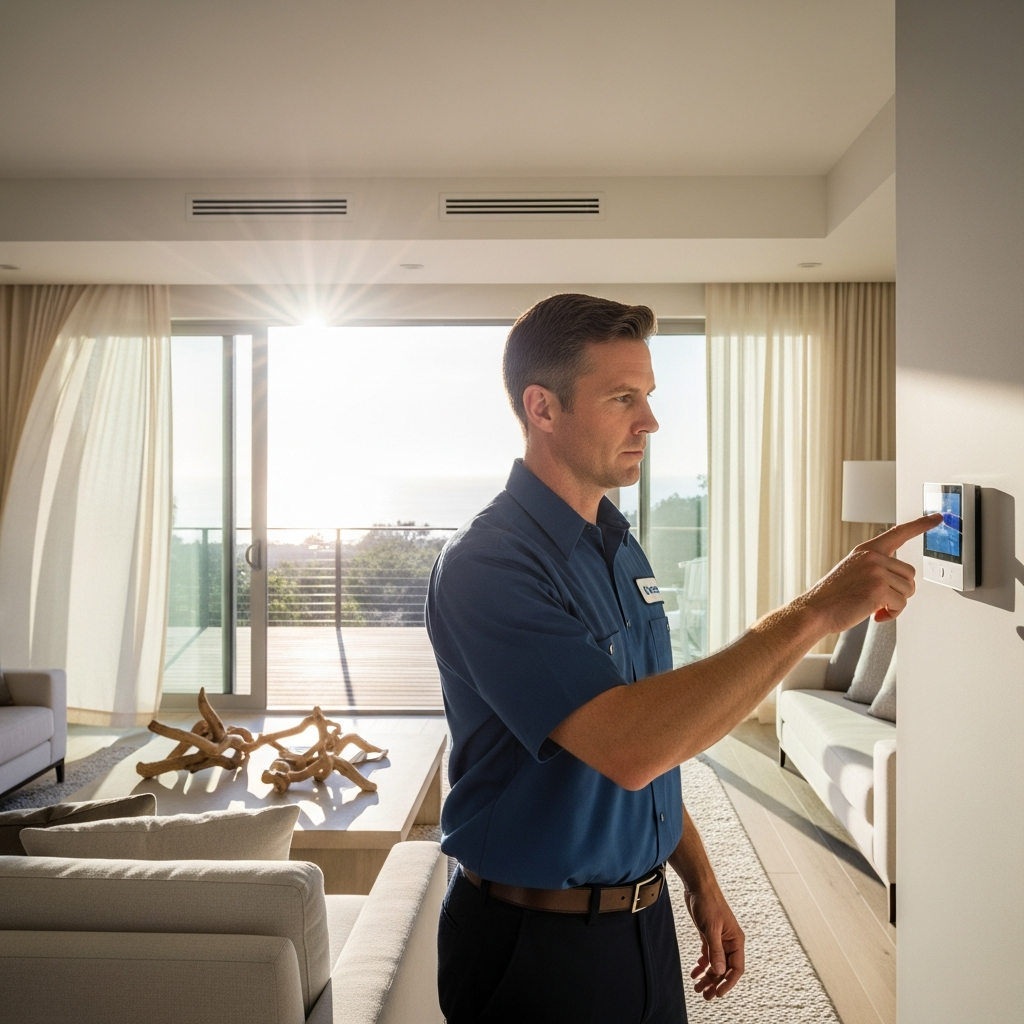
On a classic Malibu morning, the fog drifts low over the shoreline, cool enough to make coffee steam look theatrical, and by midafternoon the sun is laying bright stripes across the deck. Those gentle swings are part of the charm here, but they also test your air conditioner in quiet, consistent ways. That’s why air conditioning maintenance isn’t a luxury in Malibu—it’s a necessity shaped by the coast, the canyons, and the way our homes welcome the outdoors inside.
More than anywhere, Malibu is a study in microclimates. A home on Las Flores may wake to a chilling marine layer while a ridge-top property takes sun from breakfast to sunset. That diversity asks your AC to do a little more thinking: dehumidify some mornings, push back heat in west-facing rooms in the afternoon, and keep indoor air fresh when wildfire smoke intrudes on otherwise perfect evenings. Maintenance, at its best, anticipates these demands and prepares your system so you never have to compromise on comfort.
It helps to consider the AC as an ecosystem. Filters, coils, refrigerant, ductwork, and controls all shape one another. If a filter is overdue, the blower strains, airflow dips, and coils chill in ways that can spur condensation and even icing. If refrigerant charge slides because of a tiny leak, you get longer cycles and exaggerate temperature swings between rooms. Maintenance treats these as connected pieces, tuning them to Malibu’s specific stresses—salt, dust, wind, and sun.
Malibu’s Coastline and the Corrosion Question
Salt air is romantic until it meets metal. Anyone who’s kept a grill near the ocean knows corrosion moves fast here. Your outdoor AC unit faces the same chemistry. Tiny salt crystals land on the condenser coil and begin to pit, while their sticky residue glues airborne debris to fins that are supposed to pass air freely. Left alone, the unit loses its ability to shed heat efficiently and starts running longer for the same result. Maintenance removes that film, slows the corrosion process, and adds years to the useful life of vital components.
Not every Malibu address has the same exposure. Oceanfront properties endure the brunt of salt, while canyon homes see more fine grit stirred up by dry winds. A thoughtful maintenance plan accounts for your exact location, shaping how often coils need attention and what protective steps make sense. This is the difference between generic service and care that truly matters here.
Why Timing is Everything
Malibu’s cooling season doesn’t arrive all at once. It creeps in with that first warm weekend in spring and tightens its grip during August and September. Scheduling maintenance before each phase pays off. In spring, service confirms you’re ready for the marine layer—coils are clean, drains are clear, and filters are fresh so your system handles humidity without overcooling. Late summer tune-ups make sure high-load afternoons don’t catch you with a weak capacitor or a thermostat that’s out of sync with your lifestyle.
And then there’s the shoulder season, when the calendar says fall but the weather sometimes won’t cooperate. Santa Ana winds can turn a calm week into a dry, dusty interlude almost overnight. A quick post-event check—especially of filters and outdoor coils—protects performance and ensures your AC is still poised for steady, efficient operation.
Comfort, Not Just Cooling
Maintenance matters because comfort is about more than temperature. It’s the feel of the air, the sound level of the system, the way one room doesn’t lag behind the rest of the house. In Malibu, where rooms often open to patios and decks, your AC has to cope with frequent door swings and brief bursts of warm air. A well-tuned system recovers quickly and quietly, smoothing those interruptions so you don’t think about them. That “invisible comfort” is one of the clearest signs maintenance is doing its job.
Humidity control sits at the center of that experience. Even 5–10 percent swings can change how a space feels, especially when the marine layer drapes over the coast. Clean coils, proper charge, and correct fan timing help the system remove just enough moisture during those hours to keep the air light and crisp without chilling you out of the kitchen.
Readiness for Smoke and Wind
Malibu’s beauty comes with a reality we all respect: occasionally the air brings smoke from inland fires or dust from a run of Santa Ana gusts. Maintenance ensures your defenses are ready. Filters sized for your system, ductwork sealed against leaks, and clean indoor coils make a measurable difference in how your home feels during those days. Instead of musty or irritated air, you keep ahead of it with circulation and filtration that match the conditions.
Some households go further during these periods, adopting a “recirc-first” strategy that reduces outside intake for a short window while circulating air through higher-efficiency filters. The comfort payoff is real, and you can feel it even after the skies clear. Planning for these modes during maintenance means you’re not troubleshooting when the air suddenly changes.
Fewer Surprises, Smarter Spending
We all know the dreaded moment when an AC quits during a heat spike. While nothing eliminates surprises entirely, maintenance markedly reduces the odds by finding weak links first. A swelling capacitor, frayed contactor, or clogged drain line are predictable failure points. Addressing them on your schedule lowers the risk of an urgent call on a sweltering afternoon when service vans are stretched thin along PCH.
Smarter spending also shows up in efficiency. An AC that moves air freely and transfers heat cleanly doesn’t have to run as hard. Over a season, that gentle operation adds up to lower energy use for the same comfort. The result feels subtle in the best way—cooler rooms, quieter cycles, and a system that simply behaves.
The Role of Controls and Habits
Thermostats and sensors shape the dance between your home and the weather. During maintenance, verifying sensor placement and fine-tuning schedules make daily life easier. Maybe your upstairs bedroom catches the last light of day; setting a gentle pre-cool before dinnertime can keep the whole level balanced without pushing the rest of the house into a chill. Small, informed changes like these—anchored in how you use the space—deliver a lot of comfort for very little effort.
Habits matter, too. In a home that frequently opens to the deck, consider letting the fan run a bit longer after doors close to even out temperatures without extending a full cooling cycle. Maintenance is the right time to explore these tweaks with someone who knows the coastal rhythm and can translate it into settings you won’t have to think about again.
Malibu Architecture Meets AC Reality
From glassy moderns on the bluffs to rustic canyon retreats, Malibu homes ask a lot from their systems. High ceilings and expansive glazing produce gorgeous light but create solar gains that shift minute to minute. Maintenance keeps up by verifying airflow, sealing leaky ducts, and ensuring that rooms with greater exposure receive proportionate cooling. It’s a practical answer to an architectural privilege: you get the views and the breeze without surrendering to hot spots or nightly temperature seesaws.
Ductwork deserves special attention in our area. Age, critter traffic, and shifting foundations can quietly loosen joints, letting cooled air escape into attics and crawlspaces. A maintenance visit that includes pressure checks and visual inspection can expose those leaks and open a path to targeted repairs—often the fastest way to reclaim lost comfort.
In the heart of summer, when you notice a longer runtime or a faint film on the outdoor unit, it’s a signal to check in. Scheduling mid-season HVAC maintenance restores the balance, keeps salt and dust from gaining the upper hand, and reaffirms that your system is set to glide through late-summer afternoons without complaint.
FAQ: Why Maintenance Matters in Malibu
Is Malibu’s mild climate easier on AC systems? Not exactly. While peak temperatures are lower than the Valley, salt, fog, wind, and smoke create a tougher environment for metal, coils, and filters. Maintenance counters those forces.
How often should I schedule service? Twice a year is a strong default, with quick filter checks during windy or smoky stretches. Oceanfront homes may benefit from more frequent coil care.
Will maintenance make my home quieter? Yes. Properly secured panels, lubricated components where applicable, and balanced airflow reduce vibration and cycling noise.
Can I rely on DIY filter changes alone? Filter changes help, but professional maintenance checks airflow, refrigerant charge, electrical health, and coil condition—core factors in comfort and longevity.
What about smart thermostats? Maintenance aligns schedules and sensor placement so tech works with your home’s microclimates instead of fighting them.
Does maintenance help during smoke events? Absolutely. Clean coils, correct filtration, and sealed ducts make indoor air noticeably cleaner when outdoor conditions deteriorate.
Ready to Keep Malibu Comfort Effortless?
If you want cool, clean, and consistent air without worrying about salt, wind, or wildfire haze, schedule professional air conditioning maintenance tailored to Malibu’s coastline and canyons. A well-tuned system respects the way you live with the ocean—and keeps your home feeling like a retreat every day of the year.