
Ask anyone who has spent a summer along the Malibu coast, and they’ll tell you that our weather is a study in contrasts: cool marine layers that hug the shoreline, afternoons that warm up quickly, and canyon winds that change direction with little warning. This dynamic environment is part of Malibu’s allure, but it also means your air conditioner works harder than it would in a more predictable climate. That’s why consistent air conditioning maintenance isn’t optional here—it’s the backbone of reliable comfort, clean air, and year-round system health.
Critical doesn’t have to mean complicated. It means recognizing that small tasks done at the right time keep your system from drifting into costly patterns. It means catching corrosion before it bites into efficiency, clearing drains before they overflow, and verifying controls before the hottest week of the year. In Malibu, the stakes are higher because salt air and seasonal smoke add layers of challenge that inland systems simply don’t face.
Malibu’s Unique Stressors on AC Systems
Salt is a quiet saboteur. It settles on outdoor units, binds with dust, and invites corrosion on fins and fasteners. Each additional layer turns heat rejection into a struggle, forcing the compressor to work harder. Over time, that extra effort translates into longer cycles, rising energy use, and premature wear. Then come the canyon winds, pushing fine debris into condensers and bending delicate fins. Add occasional wildfire smoke, and you’ve got a cocktail of particulates that remnants cling to coils and filters long after skies clear.
Indoor components face their own pressures. Malibu’s cooler nights often lead to lighter AC use, which can mask developing issues: a weak capacitor that still starts the motor on mild days or a slow condensate drain that becomes a problem only when humidity rises. Maintenance is critical because it tests the system under controlled conditions, revealing what daily operation can hide.
Reliability Starts With Prevention
The most reliable systems are the ones that never have to fight their own neglect. During a professional maintenance visit, technicians clean coils, verify refrigerant charge, test electrical components, and calibrate controls. Each step directly supports reliability. Clean coils shed heat quickly, so the compressor isn’t forced to run hot. Correct charge ensures efficient heat absorption and transfer. Healthy capacitors and contactors guarantee smooth starts and steady operation, even when temperatures spike.
Reliability also depends on airflow. Filters must be chosen and changed with Malibu’s air in mind. The right filter captures fine particles without choking the system, and a clean return path keeps the blower from working against a pressure wall. Duct inspection matters, too—leaks in attic runs not only waste cool air but also pull in dusty air that fouls coils and increases maintenance needs.
Comfort and Health Go Hand in Hand
In coastal homes, comfort is about steady, even temperatures and fresh, clean air. When maintenance is deferred, it’s common to feel rooms drifting apart in temperature or to notice lingering odors after humid mornings. A tuned system manages humidity better, lowering the clammy feeling that can creep in when the marine layer lingers. It also filters particulates more effectively, a benefit that becomes obvious during and after wildfire events when fine smoke particles can travel miles to the coast.
Maintenance is critical to keep that delicate balance intact. Verifying blower speeds, inspecting coil cleanliness, and testing condensate drainage all contribute to moisture control. Clean, dry coils resist microbial growth, and a clear drainline prevents overflow and musty smells. These are not just comfort issues; they affect the healthfulness of the air you breathe daily.
Efficiency That You Can Feel
While we don’t track energy costs here, we can talk about performance. A maintained air conditioner cools more quickly, cycles off sooner, and operates more quietly. That calm operation is the product of less strain at every step. Lubricated motors draw less power, balanced refrigerant levels improve heat transfer, and unobstructed airflow reduces the effort required to circulate air through the home. The result is a home that reaches its target temperature gracefully and holds it without drama.
In Malibu’s variable weather, efficient operation also provides resilience. When the day swings from foggy to hot, a tuned system adapts without showing signs of stress. It starts smoothly, adjusts, and stops decisively, ready for the next cycle. That smoothness is what keeps homeowners from calling for emergency service during the first true heat wave of the season.
Protecting Your Investment
Your air conditioner is one of the most complex systems in your home, and coastal exposure can shorten its life if ignored. Maintenance protects that investment by slowing the quiet forces that wear equipment down. Corrosion control, careful cleaning, and timely replacement of small parts like capacitors and contactors prevent minor problems from becoming major events. When technicians note developing concerns early, planning becomes easier—you can prepare for future upgrades on your terms instead of reacting to a sudden breakdown.
Another part of protection is documentation. A record of maintenance demonstrates that the system has been cared for according to best practices. When paired with a knowledgeable evaluation of equipment condition, those records help you make confident decisions about when to keep repairing and when to plan for replacement.
What a Thorough Visit Looks Like
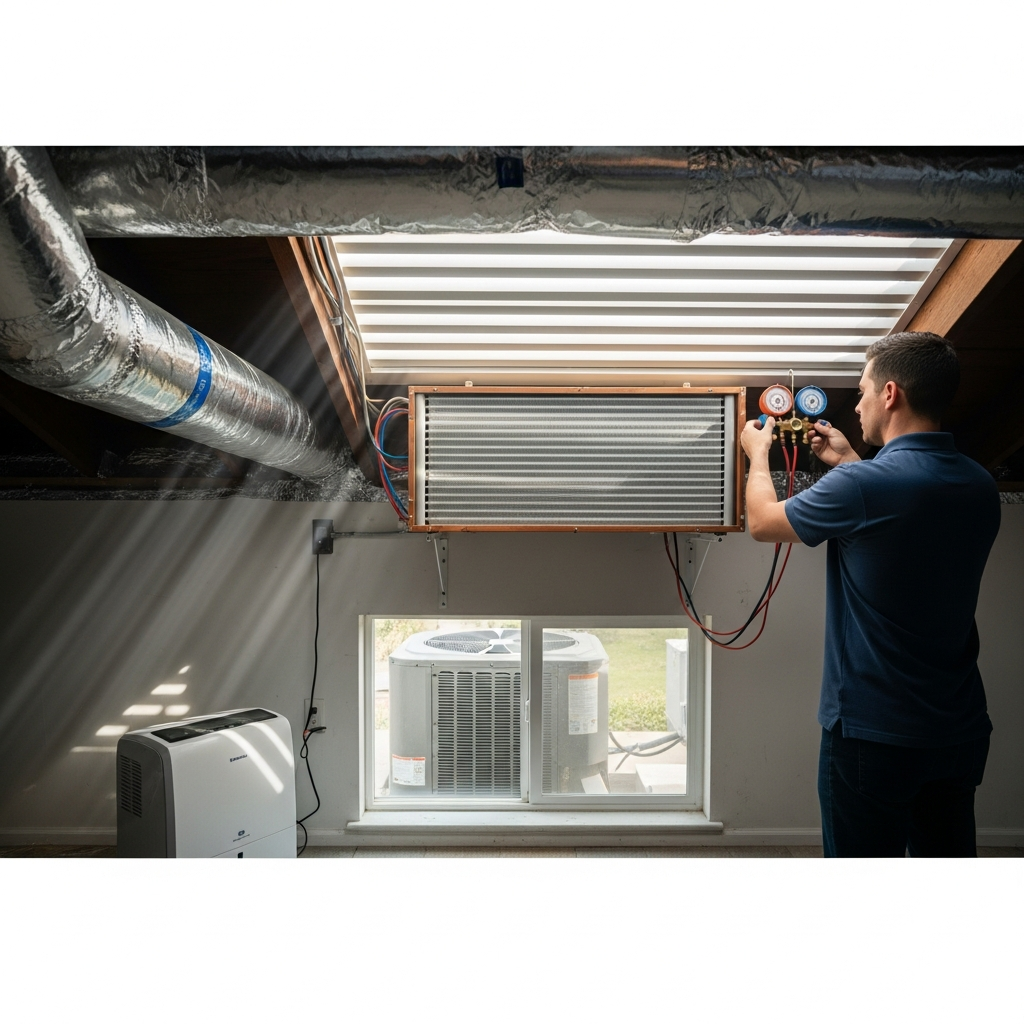
A comprehensive maintenance visit is systematic. Outside, the condenser is inspected for corrosion, washed with the appropriate cleaners, and checked for clear space around the coil. Fins are straightened where possible to restore laminar airflow. Electrical connections are tightened, contactors inspected for pitting, and capacitors tested under load. Refrigerant pressures are assessed with superheat and subcooling measurements to confirm that the system is neither starved nor overcharged.
Indoors, the evaporator coil and blower assembly are examined for contamination. The technician measures static pressure to confirm that ductwork is within acceptable ranges, replaces or advises on filters based on pressure drop and particle capture needs, and clears and treats the condensate drain to discourage algae growth. Thermostat calibration is verified, and the system is cycled through its modes to ensure smooth operation from start to stop.
Timing Matters in Malibu
Because the weather never locks into a single pattern for long, the timing of maintenance is crucial. A spring tune-up positions your system for the warming days of late spring and early summer. A mid-season check can undo the wear from fog, salt spray, and windy afternoons—particularly important for homes closest to the water. If you keep a schedule for HVAC maintenance, you’ll find your system doesn’t drift far from ideal operation even as the season shifts.
These visits don’t only correct issues—they recalibrate the system to the present moment. Malibu’s breeze, humidity, and sunlight vary week to week; dialing in blower speeds, verifying charge, and tuning controls keeps your equipment in sync with those shifts.
Planning for the Future
Maintenance also prepares you for tomorrow’s technology. If your current system is operating well but aging, a technician can help you evaluate options—from variable-speed drives that match output to demand, to indoor air quality enhancements that maintain clean airflow without adding resistance. With a baseline of good maintenance, you can step into upgrades when they’ll make a meaningful difference, rather than out of urgency.
When the time does come for replacement, the maintenance record helps engineers and installers properly size and configure your new system. Good data about airflow, duct condition, and home performance informs better decisions, ensuring your next system begins its life in balance rather than needing immediate adjustments.
Frequently Asked Questions
How often should coastal systems be serviced?
At least once a year, ideally in spring, with a brief mid-season check for homes closest to the beach or in high-wind areas. Salt and debris accumulate faster by the ocean, and a quick refresh keeps performance strong.
Will maintenance improve comfort right away?
Often, yes. Clean coils, correct charge, and restored airflow make the home feel more even from room to room. You’ll likely notice shorter cycles and steadier temperatures within days.
Can I rinse my outdoor unit myself?
Gentle rinsing can help, but professional cleaning is safer for the coil fins and more thorough. Technicians use appropriate cleaners and tools to avoid bending fins or forcing debris deeper into the coil.
What about filters during wildfire season?
It’s smart to check filters more frequently when smoke is present or recently cleared. A quality filter chosen for low resistance and high capture can protect your indoor air without stressing the system.
Is a smart thermostat worth it by the coast?
Yes, when programmed thoughtfully. Smart controls that anticipate daily swings can precondition spaces and reduce unnecessary run time, especially useful in Malibu’s fluctuating conditions.
Does maintenance really extend equipment life?
Absolutely. By keeping components clean, electrical parts within spec, and airflow balanced, maintenance reduces strain—the main driver of premature wear. It helps your system age gracefully instead of abruptly.
Your Comfort, Protected
If you’re ready to safeguard your comfort through every marine layer and heat wave, schedule a plan for air conditioning maintenance that’s tuned to Malibu’s climate. With consistent care, your system will run smoothly, breathe cleaner, and respond effortlessly to the weather’s daily rhythm. Reach out today and set your home up for season after season of dependable, quiet cooling.