
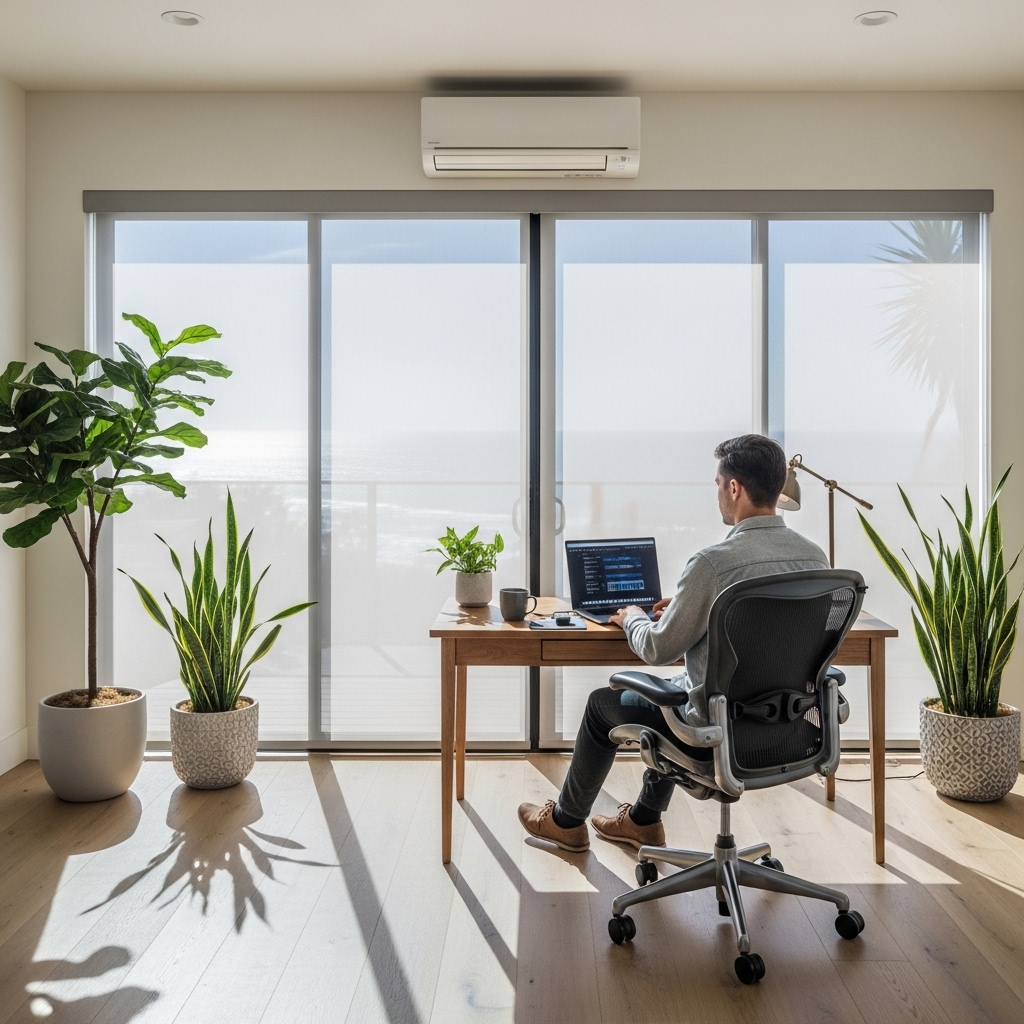
Malibu’s beauty is disarming: whitewater lines on Zuma, shimmering afternoons over the Colony, and the golden shoulder seasons that stretch through September. Yet those same clear days can stack into heat spells that make interior rooms feel heavy and still. Between Santa Ana winds, glass-forward architecture, and hillsides that collect sun, reliable air conditioning isn’t indulgence—it’s essential infrastructure for health, productivity, and simple everyday ease.
Anyone who has tried to sleep through a late-summer warm night knows how quickly comfort unravels. Bedrooms that never cool, home offices that grow sluggish by midday, and great rooms that soak up afternoon heat all take a toll. The coastal marine layer can buy a few hours of relief, but once it burns off, temperatures climb and humidity can linger. In older beach cottages and even some newer builds, passive strategies alone rarely keep up.
Microclimates and Heat Patterns Unique to Malibu
Malibu is a string of microclimates. Mornings near Surfrider may be cool while Trancas bakes early. Latigo and Corral canyon homes face reflective slopes, while Broad Beach enjoys a steadier breeze. The challenge is not a single hot day; it’s the variability that catches people off guard. Systems that modulate output can glide through those shifts, keeping interiors steady when the sun surges or the wind stalls.
Heatwaves have also become stickier, lingering longer and arriving later in the year. After a few consecutive warm nights, indoor temperatures ratchet up, and materials like stone and plaster radiate heat into living spaces. Without active cooling, those gains compound. Smart controls and zoned distribution help reset the house each evening so mornings start fresh rather than playing catch-up.
Health, Sleep, and Everyday Function
Cool, dry air supports deeper sleep and sharper daytime focus. For families, keeping nurseries, teens’ rooms, and primary suites within a narrow comfort band makes a huge difference. For those working from home, steady temperatures and good air quality reduce fatigue and headaches. Pets do better too, especially older dogs who struggle in stuffy rooms.
The ability to close windows during high pollen events or when wildfire smoke drifts along the coast is another overlooked benefit. With the right filtration and controlled ventilation, indoor air stays cleaner, and you can keep doors and windows closed without sacrificing comfort, reducing the ingress of salt and dust that settles on surfaces.
Security, Quiet, and Architectural Integrity
On warm nights, open windows can invite noise and diminish privacy, especially along busier stretches like PCH. Effective cooling preserves quiet while maintaining security, a subtle but meaningful benefit. For design-forward homes with extensive glazing, carefully planned shading and tuned conditioning prevent the greenhouse effect without heavy-handed interventions that alter the architecture.
Efficiency and Control for Varied Use Patterns
Malibu homes rarely operate like suburban houses. Guest suites may sit empty midweek and then host a full house on weekends. Zoned systems and occupancy-driven controls let you cool only what you need, when you need it. That might mean a calm lower level for remote work during the day and a focused push in the great room when the afternoon sun angles in over Point Dume.
Midday is also when indoor-outdoor living hits its stride. Doors open to terraces, and kitchens run hot with late lunches after the beach. Systems designed to maintain comfort through those spikes keep the experience easy. They also protect finishes and art by limiting temperature and humidity swings. The right plan for air conditioning anticipates those patterns, smoothing the peaks so the house feels composed from dawn to night.
Handling Humidity at the Coast
Even modest humidity magnifies discomfort in heat. Thoughtful dehumidification separates moisture removal from sheer cooling, allowing a slightly higher setpoint to feel just as comfortable. That means rooms feel lighter, towels dry faster, and closets stay fresh. It also helps protect wood, leather, and textiles often used in Malibu interiors.
Durability in a Salt-Laden Environment
Heat is one stressor; salt air is another. Outdoor components need protection and access for rinsing, and installation details—fasteners, clearances, and placement relative to wind—matter. Indoors, condensate management and clean filters keep the system efficient. A coastal maintenance rhythm, with seasonal checkups, prevents minor issues from becoming midsummer headaches.
Designing for Silence and Subtlety
Cooling should be felt, not heard. Low-speed operation, vibration isolation, and thoughtful routing of ductwork keep sound levels low so evening conversations on the deck or quiet reading time in a shaded nook aren’t interrupted. For hillside homes terraced into canyons, keeping equipment out of reflective alcoves and away from bedrooms preserves quiet.
Resilience for Peak Days
When the region bakes under a high-pressure dome, a right-sized, well-tuned system prevents the house from falling behind. Equally important is control strategy: pre-cooling ahead of afternoon peaks, nudging humidity down in bedrooms, and giving living spaces a gentle boost before guests arrive. Those subtle moves are what separate a home that ‘copes’ from one that feels consistently comfortable.
Frequently Asked Questions
Is cooling really necessary this close to the ocean?
Yes. While the marine layer brings relief, many Malibu homes still see extended warm periods, especially during late summer and Santa Ana events. Active cooling ensures steady comfort, better sleep, and protection for materials and electronics.
How does zoning help in Malibu homes?
Zoning tailors comfort to how you actually live—cool occupied spaces and ease off in empty rooms. It fits homes with guest suites, studios, and varied exposures, improving comfort without over-conditioning the whole house.
What about noise from outdoor equipment?
Site-sensitive placement, low-speed operation, and isolation techniques keep sound levels low. With proper design, you can maintain the quiet that defines coastal living, even with equipment operating in the background.
Will humidity control matter during heatwaves?
Very much. Lower humidity allows slightly higher temperature setpoints to feel comfortable, reduces the sticky feeling that saps energy, and helps protect wood and fabrics from swelling and odor.
How do I keep systems reliable during peak demand days?
Combine routine maintenance with smart control strategies like pre-cooling and staged operation. Keep filters clean, ensure outdoor coils are free of salt residue, and work with an expert to fine-tune schedules for Malibu’s microclimates.
If you want your home to feel calm even as temperatures climb, speak with a local specialist who understands the rhythm of our coastline from Big Rock to County Line. A tailored plan for air conditioning will keep sleep deep, days productive, and interiors serene through every heat spell.