
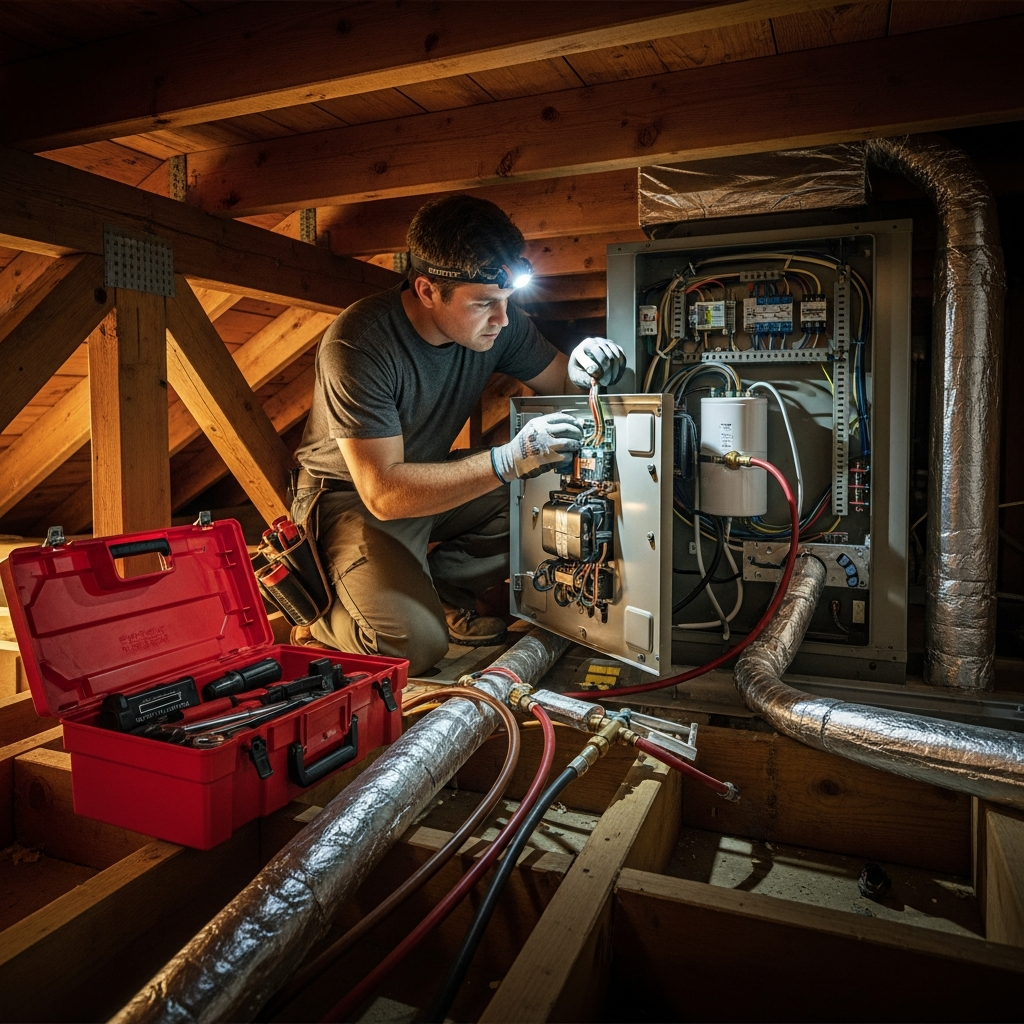
In Malibu, the line between routine maintenance and necessary repair is drawn by the environment as much as by the equipment. Salt in the morning air, wind in the afternoon canyons, and heat lingering in sunlit rooms all collaborate to stress air conditioners in ways that do not always appear on a checklist. During a well-planned maintenance visit, a technician expects to rinse coils, check filters, test electrical components, and clear condensate lines. But sometimes, the story the system tells is louder: performance dips despite clean filters, a hum becomes a grind at startup, or moisture gathers where it should not. Recognizing those moments—when a tune-up uncovers an issue that must be resolved for reliable comfort—is part of living comfortably by the coast. If you want the confidence that your system is ready for the next heat wave, begin with a thoughtful plan for regular air conditioning maintenance and learn to listen for the signs that call for decisive action.
Salt, Sun, and the Subtle Drift Toward Repair
Malibu’s signature salt air greets outdoor units daily. Over months, it accelerates corrosion on condenser coils and quietly pits fasteners and electrical contacts. What starts as a thin film becomes a thermal barrier, asking the compressor to work harder for the same result. Sun compounds the stress by heating cabinets and electronic boards, particularly when the midday glare has no shade to temper it. Maintenance slows this drift with careful cleaning and protective measures, but there comes a day when simple rinses cannot reverse the change. When coil fins are visibly deteriorated or when corrosion compromises electrical integrity, repair or component replacement moves from optional to essential to protect the larger system.
Performance Metrics That Refuse to Improve
A hallmark of maintenance is that key performance behaviors rebound afterward: air feels cooler at the vents, the system cycles normally, and indoor humidity eases into a comfortable range. When those behaviors do not return despite clean filters, verified airflow, and tidy coils, deeper issues may be present. Persistent short cycling, unusually long runtimes, or temperature splits that sag below expected ranges even after thorough work hint at refrigerant circuit problems, compromised coils, or failing compressors and motors. In such cases, addressing the root cause is a repair conversation, not a maintenance tweak.
Electrical Findings That Cross the Line
Attic heat and salt exposure pressure electrical components. During maintenance, capacitors are tested, contactors are inspected, and connections are tightened. A borderline capacitor can sometimes be watched, but when readings fall well outside tolerance or when contacts show pitting that invites arcing, deferral is unwise. Replacing these components is not an upsell; it is a protective step that prevents cascade failures. Similarly, if wire insulation shows heat damage or if control boards exhibit corrosion, repair becomes the path that keeps your system reliable through the season.
Condensate Problems that Risk Property
Condensate lines are small but consequential. A routine flush and trap inspection are maintenance staples, yet signs of repeated overflow, algae growth that resists clearing, or a failed safety switch are different signals. When water threatens ceilings or walls or when microbial growth is likely, repair or component replacement is the responsible decision. In Malibu’s coastal humidity and fog, this boundary is crossed more readily than in drier climates, especially for air handlers in attics over finished spaces.
Refrigerant Clues that Demand Action
Homeowners rarely see the refrigerant circuit directly; they feel it as comfort or discomfort. When maintenance observations and measured behavior suggest a leak—icing on the evaporator despite clean airflow, oily residue on line sets, or consistent underperformance that cannot be tuned away—the conversation shifts. Locating and addressing a leak, evaluating coil integrity, or replacing compromised components are repairs that restore the system’s sealed health. Continuing to operate under those conditions risks further damage and diminished comfort exactly when you need cooling the most.
Noises that Tell the Truth
Malibu homes are often quiet enough that new sounds stand out. A squeal at startup, a grinding note that was not there last month, or a thunk that echoes through ductwork are the system’s way of asking for attention. Maintenance can tighten panels and quiet rattles; it cannot silence a bearing that is beginning to fail or a blower wheel that has drifted out of balance. Persistent or worsening noises are invitations to repair now before a small part’s failure strains larger, more expensive components.
When Outdoor Conditions Force the Issue
After windy days that load the condenser with debris or after smoky periods that film the coils, maintenance can usually reset performance. Sometimes, however, the environmental hit is heavier. Bent fins from airborne debris, foreign objects lodged under fan blades, or corrosion accelerated by a salty storm can push a unit beyond what a routine cleaning can reverse. In those cases, targeted repair—fin straightening where feasible, fan replacement, or panel and hardware renewal—restores a safe, efficient baseline. Ignoring visible damage does not make it kinder; the system will voice its protest through noise, heat, and inefficiency.
Smart Thermostat Clues Worth Heeding
Smart controls contribute more than convenience. When their data shows unusual runtime patterns—frequent short calls for cooling, extended efforts to reach setpoint, or increasing humidity levels despite steady temperatures—maintenance might not be enough. Once filters and coils are cleared and settings verified, residual anomalies in data often signal a developing fault. Treat those insights as early warnings, not curiosities. A small repair in this window can prevent a midseason breakdown when demand peaks.
Age and the Malibu Environment
As systems age, the environment holds more sway. Salt nibbling at metal, UV light aging plastic components, and temperature swings wiggling connections all add up. Maintenance becomes more about close observation and honest conversations. When a component remains stable year to year, continued monitoring is sensible. When trends point downhill—rising noise, recurring electrical wear, or repeated drain issues—repairs undertaken deliberately extend the life that remains and protect adjacent parts from excess stress. The aim is always to prevent a sudden loss of cooling on the hottest, most inconvenient afternoon.
Access Realities and Safety
Malibu architecture can tuck equipment into attics, platforms, and hillside nooks. Maintenance in tight spaces is careful work, but repairs may require more time and safety preparation. When access is complex—steep exterior stairs, narrow attic hatches, or rooftop locations—communicate those realities when scheduling. A well-prepared technician arrives with the right ladders, lighting, and protective gear to complete repairs safely and thoroughly. Skipping safety steps to save a few minutes invites mistakes and risks property and people.
How to Decide in the Moment
During a maintenance visit, technicians will often present findings along a spectrum from monitor to maintain to repair. The deciding factors include how close the system is to peak season, how the home is used in coming weeks, and whether a small failure could cascade. In Malibu, where ocean guests arrive with little notice and days pivot from cool to hot abruptly, certainty is valuable. When evidence points clearly toward a component that is past its reliable life, performing the repair sooner is the path that respects your time and comfort.
Building a Record that Guides Choices
Keep simple notes of what maintenance uncovers: capacitor readings over time, coil condition snapshots, drain outcomes, and any noise observations. These records turn conjecture into pattern. When a part holds its value year over year, you build trust in its stability; when it trends toward failure, you are ready to act before it disrupts a busy week. Malibu’s environment makes trend awareness especially helpful because small environmental stresses multiply quietly.
Middle-of-Season Recalibration
Even after a solid spring tune, midseason can bring surprises. Guests arrive, doors open more often, and salt and dust accumulate faster than expected. If comfort slips or the system sounds different than it did in June, invite a midseason evaluation. Sometimes a maintenance reset does the trick; sometimes the technician will find a component that crossed the line and needs replacement. Either way, the goal is steady comfort through late summer when heat lingers over the canyons.
Frequently Asked Questions
How do I know if an issue found during maintenance really requires repair? Ask your technician to connect the dots between measurements, observed behavior, and likely outcomes. If performance does not improve after standard maintenance steps or if a component tests outside safe ranges, repair is the most reliable path.
Are beachside homes more likely to need repairs?
They are more likely to encounter conditions that accelerate wear, such as salt-induced corrosion and frequent moisture exposure. With proactive maintenance and protective measures, many issues are delayed, but some components will still age faster near the surf.
What noises should prompt immediate attention?
Grinding or screeching at startup, repeated loud thunks when the system cycles, or a persistent rattle that grows louder are red flags. Maintenance can quiet loose panels, but mechanical or electrical distress noises justify a repair call without delay.
Can smart thermostat alerts replace maintenance?
No. Alerts are useful clues, but they assume the system is mechanically sound. Maintenance establishes that baseline. When alerts persist after a tune, the data helps target the repair that restores normal operation.
What should I do if my condensate line has overflowed before?
Share that history during scheduling. A focused visit can test safety switches, clear lines thoroughly, and evaluate whether a secondary pan or additional protection makes sense. Repeated overflows move the issue into the repair category until the root cause is resolved.
Is there a season when repairs are more likely?
Repairs often cluster in late summer when cumulative heat and runtime expose weak components. Beachside homes may also see issues after winter storms that deliver heavy salt and moisture. Staying attentive around those periods helps you act early.
Ready to Draw a Clear Line Between Tune and Fix?
When you want certainty that your system will carry you through Malibu’s warmest days, pair regular service with a willingness to act when evidence points to a needed fix. Connect with a local professional, plan your seasonal checks, and keep simple notes so choices are easy when the moment arrives. To make the path simple and dependable, schedule your next air conditioning maintenance and give your home the calm, consistent cooling it deserves.