
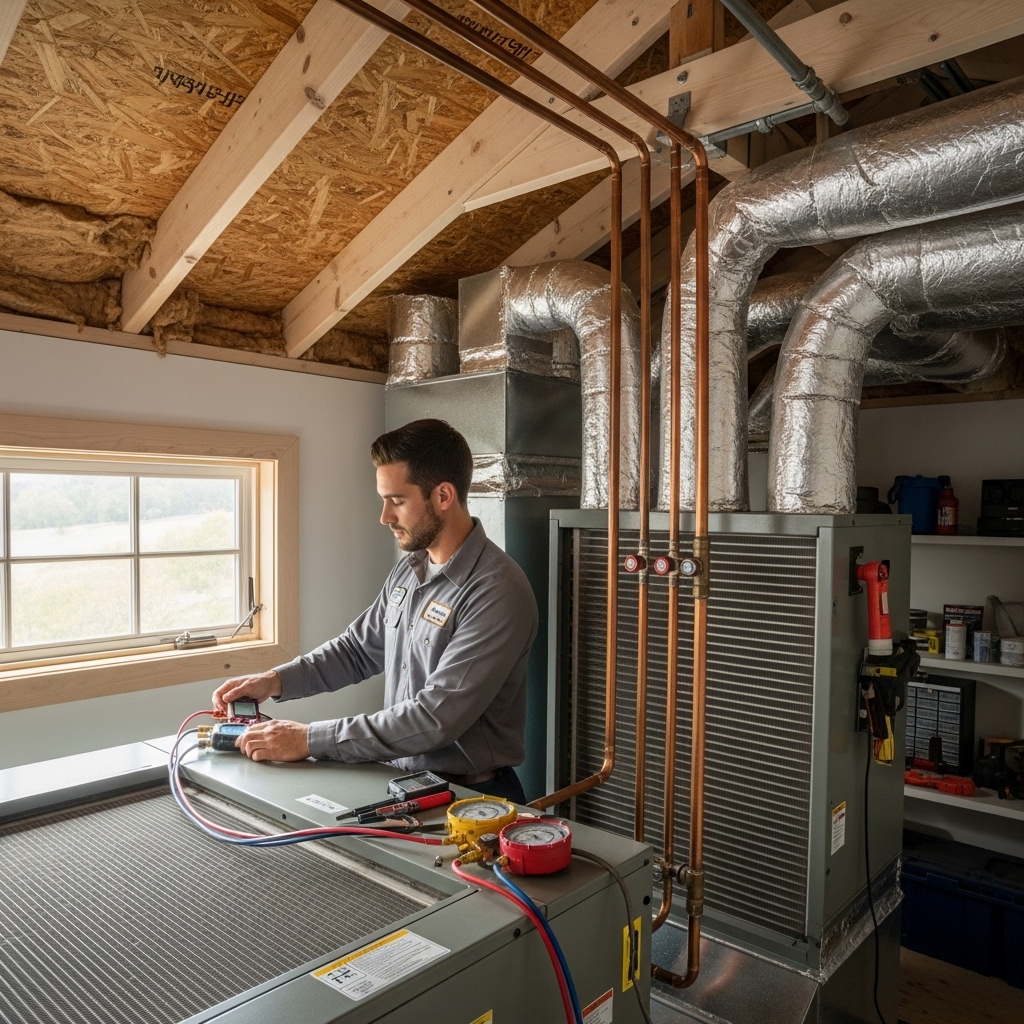
Malibu weather has a way of sneaking up on you. One day the marine layer keeps everything cool and soft, and the next, warm air pours over the ridges and fills the canyons. In this landscape, the importance of air conditioning maintenance isn’t abstract—it’s felt on those afternoons when you want quiet, steady comfort without a second thought. Proper care turns your system into a reliable companion that adapts to the coast’s subtleties. The simplest way to build that reliability is to commit to a routine and, just as important, to align it with the conditions your home actually faces. Many homeowners find that an organized air conditioning maintenance plan ties all of this together with clarity and timing.
The stakes for neglect here are different than inland. Salt air is beautiful in the lungs and unkind to metal. Dust from nearby trails can be fine enough to slip through imperfectly sealed returns. Thermal shifts in canyon homes can add gentle stress cycles to components, especially if they start the day in cool shade and spend the afternoon in heat. Maintenance faces these realities head-on, offering protection, performance, and peace of mind.
Comfort you can count on
Comfort in Malibu isn’t only about temperature; it’s about feel. On foggy mornings, an AC system that’s been maintained knows how to dry air just enough so rooms feel fresh rather than chilly and damp. In the afternoon, when windows close and the sun starts painting the deck, a tuned system holds setpoint without blasting cold air or rattling. That composure comes from simple, durable steps—clean coils that exchange heat efficiently, drains that move water without clogging, and blower speeds set for the realities of your home rather than defaults from the factory.
Reliability extends to noise. Outdoor units that are level and secure, with fan blades free of nicks and motors properly mounted, run with a calm presence. Panels that fit tightly avoid the resonant buzz that can creep into open-air living spaces. Maintenance sees to these touches so you enjoy the quiet soundtrack Malibu deserves.
Efficiency that respects your time and the grid
When systems operate efficiently, they spend less time running to achieve the same comfort. In practical terms, that means the compressor isn’t fighting against a film of salt on the coil, airflow isn’t choking on a filter past its prime, and refrigerant levels match what the manufacturer expects for a given outdoor temperature. In a coastal community where many homes share the same peak hours, efficient operation also eases strain during those hot afternoons. It’s a way of living comfortably while being a good neighbor.
Maintenance also respects your time. Fewer surprises means fewer urgent visits. When routine care catches small issues—like a drifting capacitor or algae in a drain line—you avoid the domino effect that tends to end with a weekend call in the middle of a heat wave. Instead, service happens on your schedule, and comfort remains a backdrop rather than a foreground concern.
Guarding against coastal corrosion
Salt is patient, and it doesn’t need much time to make its mark. Outdoor coils fastened near the beach feel this most acutely. Without regular rinses and the right cleaning approach, salt deposits can dull the coil’s efficiency and start the slow work of corrosion. Maintenance that accounts for Malibu’s ocean influence includes more frequent coil care and an eye for cabinet hardware and panel fit. Keeping seams tight reduces pathways for salt-laden air to intrude, and protective coatings where appropriate buy time against the elements.
Placement matters too. We look at wind exposure, landscaping that can serve as a natural windbreak without restricting airflow, and the simple geometry of clearances around the unit. These considerations are folded into maintenance, because prevention built into the surroundings is as valuable as attention to the equipment itself.
Air quality and the reality of smoke
In a good year, smoke is a rumor carried on the news; in a tough year, it’s a presence in the marine layer. Maintenance is how you prepare a home to handle either. Filters that match your system’s airflow keep particulates down without stressing the blower. A tightly sealed filter cabinet prevents bypass that undermines even the best media. During smoke events, a tuned system can run shorter, more frequent cycles to process air through the filter while maintaining a comfortable indoor temperature. The result is a house that feels like a refuge when outdoor conditions are unpredictable.
Beyond fire season, air quality stewardship shows up in daily moments. A kitchen that opens onto a terrace sees more fine dust than one tucked away; so does a living room with sliders that face the afternoon sun. Part of maintenance is simply paying attention to these patterns and cleaning returns and registers so air moves with intention and rooms feel refreshed.
Documentation: the hidden advantage
Good maintenance isn’t just action; it’s recordkeeping. Logging pressures, amperage, and temperature splits at each visit builds a baseline for your system. Over time, these numbers tell a story. If a compressor’s start-up draw ticks upward season after season, we can investigate before failure. If temperature split softens even with clean coils and filters, we can consider duct issues or sensor drift. This quiet analysis lets you make decisions before the system forces your hand.
Documentation also pays off when you contemplate upgrades. Considering a variable-speed heat pump? Your maintenance history can confirm duct readiness and highlight the areas where an upgrade will be most felt, like balancing airflow to a back bedroom or improving dehumidification on foggy days. It turns a vague desire for improvement into a targeted plan.
Maintenance as a partnership
In the best scenarios, maintenance becomes a partnership between homeowner and technician. You keep an eye on the everyday—clearing leaves from around the outdoor unit, glancing at the filter, noticing changes in tone or airflow—and the technician brings technical depth, instrumentation, and a practiced ear. Together, you maintain not just equipment, but the feel of the home. The more you engage, the more the plan adapts, and the more seamless your comfort becomes.
Midseason is where that partnership shines. A planned touchpoint to check filters, condensate flow, and coil condition resets performance just as run times peak. That moment is also perfect for revisiting how the home is used now compared to spring—more evening gatherings, bedroom doors closed for privacy, or windows opened later to catch the breeze. The maintenance plan adjusts gracefully. Embedded in that midyear rhythm is the understanding that Malibu homes fare best when air conditioning maintenance is specific, not generic.
What happens when maintenance is ignored?
Usually, nothing obvious—until it is. Performance declines in small, easy-to-miss steps. Rooms take longer to cool, you hear a new rattle that blends into the day, or the outdoor unit seems a shade louder at start-up. Then one hot weekend, the system can’t keep up or a drain line clogs, and suddenly comfort is all you can think about. The importance of maintenance is that it keeps you far from that edge. It’s modest, steady attention that heads off the big disruptions.
FAQ
How often should Malibu homeowners schedule professional AC maintenance?
Twice a year works well for most homes—once in spring before heat arrives and once in autumn to reset after the peak. Coastal addresses may add a light coil rinse midseason to counter salt accumulation.
Does the ocean really affect AC equipment?
Yes. Salt accelerates corrosion and can reduce heat transfer if left on coils. Regular, gentle cleaning and attention to cabinet integrity are essential near the beach.
What can I do between visits to support maintenance?
Keep the outdoor unit clear of leaves and debris, glance at your filter periodically, and listen for changes in sound. These simple habits support professional care and keep performance steady.
Can maintenance improve air quality during smoke events?
Absolutely. With proper filtration, sealed cabinets, and tuned cycles, your system can process more indoor air through the filter without overcooling, helping your home remain comfortable even when outdoor air is compromised.
Is maintenance different for canyon homes versus beachfront homes?
Canyon homes wrestle with dust and thermal swings, so return hygiene and blower balance are priorities. Beachfront homes face salt exposure, so coil care and protective measures take center stage. Both approaches share the same goal: stable, quiet comfort.
If you value comfort that feels effortless and a home that stays composed through every shift in the weather, give your system the care it needs. Set a rhythm, keep records, and treat maintenance as the quiet partner to Malibu living. To begin with a clear, dependable framework, turn to this trusted air conditioning maintenance resource and make reliability the new normal.