
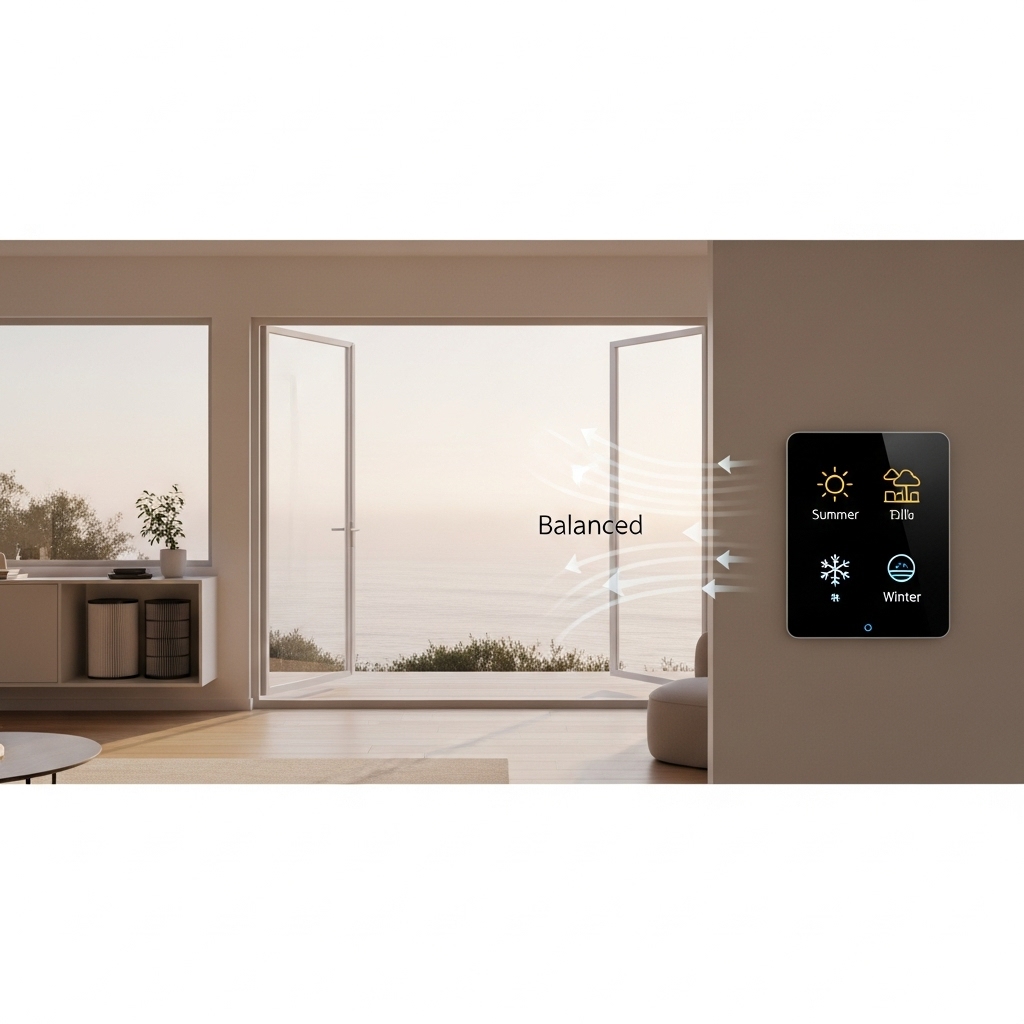
In Malibu, seasons don’t shout; they whisper their arrival through subtle shifts—the morning marine layer that rolls in like a soft blanket, the warm canyon breeze that kicks up as the sun dips, and the crisp, dry days that arrive with surprising intensity. A seasonal schedule for your air conditioning doesn’t just follow the calendar; it follows these rhythms. The right approach anticipates the moments when the system will be asked to do the most work and ensures it’s ready. Before the first heat wave, before wildfire smoke drifts along the coast, and before winter’s damp mornings set in, it helps to anchor your year with a practical, locally tuned plan. Many homeowners find their best footing by pairing their personal routine with a reliable air conditioning maintenance program designed around Malibu’s microclimates.
Think of this as more than a list of chores. The schedule is a ceremony of preparation that keeps your home comfortable without drama. When the system runs at its best, you notice it less: the bedrooms cool predictably before bedtime, the living room doesn’t swing from chilly to warm, and the outdoor unit hums with a restrained confidence. Getting there means understanding not only what to do, but when the environment will ask for it.
Spring: setting the stage before the heat
Spring along the coast is a beautiful contradiction. Foggy mornings wrap the bluffs in silver while afternoons can leap into sunlit warmth. This is the ideal time for a professional tune-up that resets the system before longer run times demand attention. An inspection in spring verifies refrigerant balance, measures temperature split, and confirms electrical components are operating within spec. Outdoor coils get a careful cleaning to shed salt and pollen that have settled during winter’s damp days, and indoor coils are checked for dust films that can arrive unnoticed.
Spring is also when small adjustments pay big dividends in summer. We recalibrate the thermostat schedule for occupancy, fine-tune blower speeds to balance comfort with humidity control on those clammy mornings, and make sure condensate drains are clear so they don’t surprise you with an overflow just as entertaining season begins. If the home has a media filter cabinet, we install fresh media and confirm the return duct is tight. These are the prep steps that keep summer cruising.
Early summer: dialing in for long days
As summer settles in, run times lengthen. The outdoor unit lives in bright sun and steady breezes, which means more exposure to salt mist and airborne debris. Early summer is the time to revisit the outdoor environment—trimming vegetation back to preserve airflow, ensuring the unit sits level on its pad, and confirming that protective coatings or hardware are intact. Indoors, we listen for blower balance and watch for any signs that a thermostat is hunting, a clue that a small setting change could prevent unnecessary cycling.
For homes in the canyons, early summer often means dust. Doors open to let the day in, then close as temperatures climb. A midseason filter check is essential here. The best schedules don’t rely on a single interval; they adapt, which might mean a quick visual inspection every few weeks and a planned change aligned with how the home is used. That flexibility keeps airflow strong and comfort steady without overburdening the system.
Late summer: endurance and air quality
When days run hottest and evenings stay warm, the system’s endurance matters more than ever. This is also the time when regional fires, even at a distance, can push smoke into coastal air. A smart schedule accounts for this dual challenge. We verify that filters are in top condition and consider a temporary bump in filtration efficiency if smoke becomes a consistent presence. To support airflow, we confirm that return paths are clear and that the evaporator coil is clean so the system doesn’t have to fight for breath.
On the mechanical side, late summer is when small wear can become big. We listen to contactors, measure start-up amperage, and feel for subtle vibration that wasn’t there in June. We also inspect condensate lines for algae growth and ensure the trap is protected. These are quiet checks that keep the house cool when your family needs it most.
Autumn: resetting after peak load
Autumn in Malibu brings cooler nights and brisk afternoons, with dry winds that sweep the canyons. This is the season for a second professional visit. We use it to reset the system after a hard-working summer. Coils get a fresh rinse, data points are recorded to compare against spring readings, and attention returns to duct integrity. We look for evidence of leakage in attics and crawl spaces, seal small gaps, and confirm that supply registers are delivering balanced airflow now that the daily schedule has shifted toward indoor evenings.
It’s also an opportune moment to review thermostat programs and make them match new routines—earlier dinners inside, kids reading in bedrooms after sunset, and perhaps a morning gym session in the garage. A fine-tuned schedule shapes comfort as much as equipment changes. With those refinements, the system slides into winter ready to handle those cool, damp mornings without overcooling the house as it pulls humidity from the air.
Winter: gentle care for mild, damp days
While Malibu winters are kind, they still bring challenges. The marine layer lingers, and cool mornings can leave indoor spaces feeling clammy. We focus on condensate management, blower cleanliness, and coil condition to maintain dehumidification performance when needed. Filters continue to matter through winter, especially if holiday gatherings increase indoor activity. The schedule calls for periodic checks, not because winter is hard on the system, but because attention now prevents problems later.
Winter is also when many homeowners consider light upgrades identified over the year—improving the filter cabinet for a better seal, replacing an aging thermostat with a smart model that respects your rhythm, or addressing a small duct leak that’s been on the list. Those modest changes fold into the schedule so that by spring, you begin the cycle already ahead.
Adapting the schedule to Malibu’s microclimates
Beachfront homes deserve a slightly different cadence than canyon properties. On the coast, we build in additional coil rinses during warmer months, keep a close eye on cabinet hardware and fasteners, and make sure panels fit tightly to resist salt intrusion. In the canyons, we focus on return air hygiene and blower balance because dust has a way of finding its way into systems even when doors aren’t standing open for long.
In both settings, the schedule includes documentation. Each visit logs pressures, temperature split, electrical readings, and notes about appearance and sound. Over time, the log becomes a diagnostic tool. If a year-over-year trend emerges—a slow rise in start-up amperage or a modest dip in temperature split—we can act proactively rather than waiting for a hot afternoon to uncover the issue.
Why the middle of the year matters most
Homeowners often expect spring tune-ups to do the heavy lifting, but the midpoint of summer is when a schedule proves its value. This is where a planned check-in catches filter loading, verifies condensate flow, and listens for changes in tone from the outdoor unit. Nothing dramatic, just the kind of attention that keeps comfort smooth and predictable. Building this checkpoint into your seasonal cadence underlines the broader truth: Malibu homes thrive when air conditioning maintenance is shaped by the environment and the way you live, not by a generic reminder.
Bringing it all together
A seasonal schedule is a gentle arc that starts with spring preparation, reaches peak mindfulness in late summer, and resets calmly in autumn. Along the way, it treats the details with respect—clean coils, clear drains, balanced airflow, and filters tailored to the air outside your door. The reward is more than efficient operation. It’s the soft confidence of a home that holds temperature gracefully and air that feels fresh even when the flurry of guests or a smoky day could make it otherwise.
FAQ
How many professional visits should a Malibu AC schedule include each year?
Two core visits—one in spring and one in autumn—work well for most homes, with a planned mid-summer check-in for filters and condensate flow. Coastal properties sometimes add a light coil rinse during peak salt exposure.
What should I do between professional visits?
Keep the outdoor unit free of leaves and debris, glance at the filter periodically, and pay attention to the sound of the system. Small changes in tone often hint at airflow issues that a quick check can resolve before they grow.
How does wildfire smoke affect the schedule?
Smoke events call for higher vigilance with filtration. Your plan can include a temporary increase in filtration efficiency and more frequent filter checks to maintain airflow. The schedule adapts rather than forcing a fixed interval.
Do canyon homes need different care than beachfront homes?
They do. Canyon homes contend with dust and thermal swings, so blower balance and return hygiene are priorities. Beachfront homes face salt exposure, so coil care and cabinet protection are emphasized. The seasonal schedule reflects those differences.
Can a smart thermostat handle seasonal changes automatically?
Smart thermostats help, but they complement rather than replace physical maintenance. The best results come when schedule logic is paired with clean coils, proper airflow, and a confirmed refrigerant balance.
What if I miss the spring tune-up?
It’s not too late. Schedule the next available visit, establish a new baseline, and adjust the remainder of the year accordingly. The goal is to restore rhythm, not to chase a calendar date.
If you want each season to feel simple and prepared, now is the time to set your schedule. Align visits with Malibu’s rhythms, give your system the attention it needs when it matters most, and enjoy predictable comfort. To start with a clear, homeowner-friendly roadmap, lean on this trusted air conditioning maintenance resource and make every season feel effortless.