
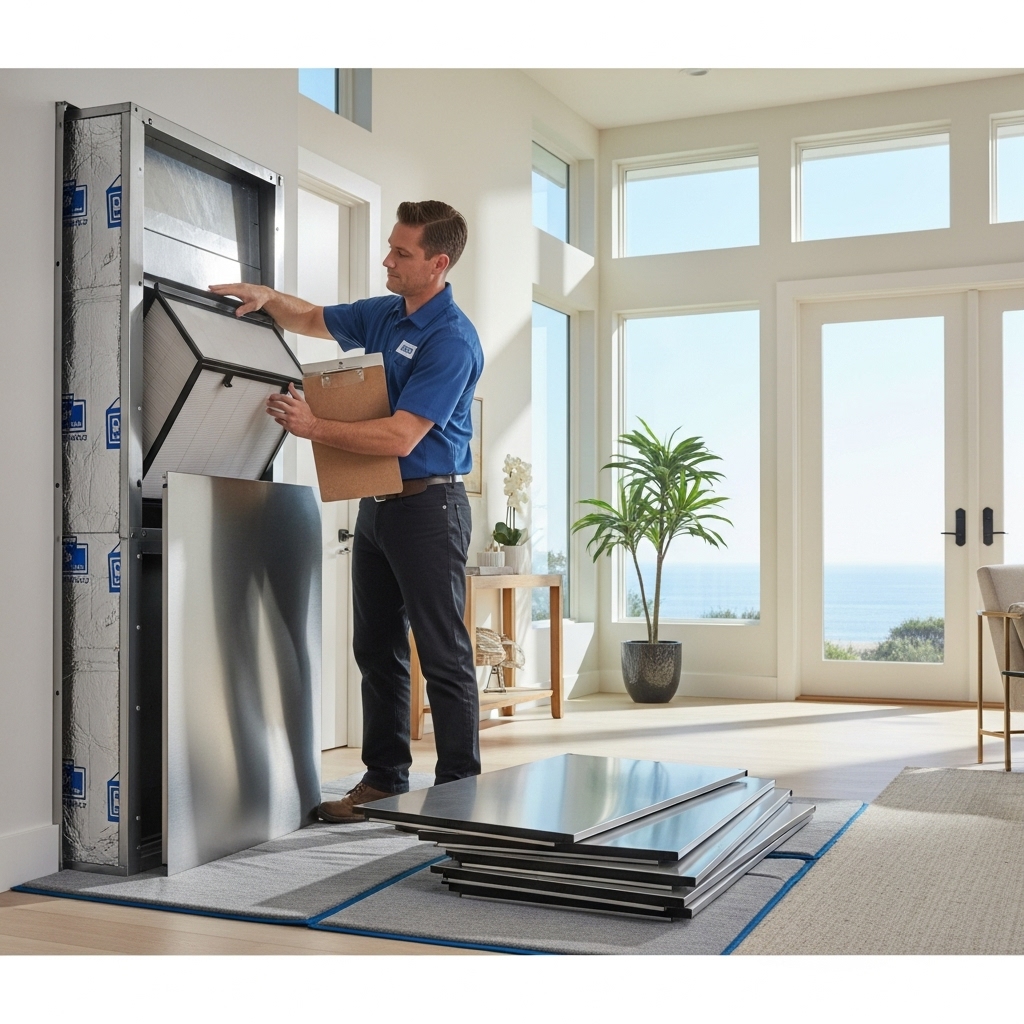
Maintenance That Follows the Malibu Seasons
Malibu has its own calendar. The morning marine layer brings a hush to the coast, afternoons lift into bright warmth, and the canyons hold their own rhythms of wind and dust. Seasonal maintenance for cooling equipment here is not a generic checklist pulled from a handbook; it is a living routine that follows the real behavior of the coast. When you align maintenance with the way your home interacts with sun, salt, and slope, your system runs quieter, lasts longer, and holds temperature with unforced ease. Think of it as tuning an instrument specific to this place—an ongoing conversation between your home and the environment. The result is air conditioning that feels consistent from June’s first warm afternoons through the hottest Santa Ana bursts of fall.
Seasonal maintenance is the bridge between installation and everyday comfort. It is where the engineering meets the realities of daily life: doors opened for ocean air, windows that invite glare and heat, and the dust that finds its way into filters after windy nights. In my experience, the homes that feel best are the ones with steady, thoughtful care—small steps at the right times that keep minor issues from turning into breakdowns on the year’s hottest week.
Spring: Setting the Stage for Cool, Clean Air
Spring along the coast can be deceptive. The first warm days tempt windows open, and before you know it, fine salt and pollen have begun their seasonal ritual. A spring tune in Malibu focuses on airflow and cleanliness. Filters are evaluated not only for condition but for fit and resistance; if a filter bows or allows bypass, dust will find its way around it, coating coils and narrowing the temperature split you rely on for comfort. Outdoor coils receive a careful rinse to remove salt film that winter marine layers deposit quietly. Electrical components are inspected for early signs of corrosion, and controls are tested to ensure smooth transitions when the first heat pulses arrive.
Equally important is a look at duct integrity. In homes with shallow roof cavities or older renovations, ducts may have settled or compressed over time, throttling airflow. Gentle corrections, additional supports, or targeted replacements restore performance and reduce noise. Spring is also the moment to confirm that condensate drains are pitched, trapped, and clean; a slow drain that goes unnoticed in May becomes a ceiling stain in August.
Summer: Monitoring Performance Under Load
When summer heat builds, even on the coast, systems reveal their true condition. Maintenance in summer is about verification under real load. Technicians measure static pressure and temperature splits, confirm that refrigerant charge aligns with manufacturer targets, and listen for the subtle sounds of fans and compressors that signal emerging issues. In Malibu’s salt air, contactors and capacitors work harder; catching a weakening part during a maintenance visit avoids a mid-afternoon shutdown during a beach day you did not plan to spend at home.
For homes that see heavy daytime use, thermostat strategies reduce stress. Gentle setpoints that allow steady operation often feel better than aggressive swings, especially in open-plan spaces with lots of glass. Maintenance conversations in summer include these usage patterns, aligning system behavior with your routine. When the system feels tuned to your life, comfort arrives with less effort.
Fall: Santa Ana Resilience and Smoke Preparedness
Fall in Malibu brings dry, warm wind from the inland valleys. The air feels different—sharper, lighter—and that difference is hard on systems. Filters load quickly with fine dust, and static pressure rises subtly. Seasonal maintenance anticipates this by planning filter changes and coil checks just before and after the driest stretches. If smoke rolls in, filtration strategy becomes paramount. Media cabinets sized for higher MERV filters maintain airflow while capturing particulates more efficiently. Sealing returns and checking duct joints protect indoor air by keeping the system from pulling contaminated air from attics or crawl spaces.
Condensate systems deserve attention in fall as well. Long runs and gentle slopes in hillside homes are prone to algae growth that thrives after warm weeks. Clearing and treating traps and ensuring line insulation is intact prevents nuisance shutdowns and water damage when the system runs long hours during a late-season heat wave.
Winter: Quiet Checks That Pay Off Later
Winter on the coast is mild, but maintenance does not pause. Quiet months are an opportunity to address projects that require time without sacrificing comfort: replacing aging duct sections, upgrading returns for noise reduction and airflow, and refreshing insulation jackets on exposed line sets that have weathered the sun. Outdoor units receive corrosion checks, and any coating touch-ups are applied before the next salty spring arrives. For heat pumps, defrost controls and reversing valves are exercised and verified so that shoulder-season heating remains smooth.
Documentation continues through winter visits. Trend lines for runtime, temperature splits, and static pressure tell a story over time. The narrative you want to see is stability—small oscillations that make sense with the weather, not spikes that hint at hidden problems. A good maintenance partner treats those graphs like a health chart and uses them to guide smart, low-drama decisions.
Coastal Considerations That Change the Routine
Salt air is a patient adversary. It does not announce itself, but its fingerprints show up as pitting on screws, a chalky sheen on coil fins, and sticky electrical contacts. Maintenance adapted to Malibu includes gentle, regular coil rinses, careful fastener checks, and periodic replacement of vulnerable components before failure. These are modest steps, but they add years to the service life of outdoor equipment.
In canyon neighborhoods, wind brings dust and pollen that behave differently from beach salt. Filters load unevenly, and ducts that were quiet in spring can start to hiss. The maintenance answer is diagnostic: measure static pressure, observe airflow at registers, and make surgical adjustments. Adding a return, opening a damper a quarter turn, or rebalancing a multi-zone system can eliminate hot spots without touching the equipment at all.
Air Quality and the Human Side of Maintenance
Everyone feels air quality; it is personal. During smoky weeks, the inside of your home should feel like a refuge, not a compromise. Seasonal maintenance sets you up for that by ensuring your filtration plan is realistic for your lifestyle. If you host often, have pets, or prefer to keep windows open on cool mornings, maintenance intervals and filter choices adapt accordingly. The best routines are lived, not imposed—they mirror your habits and support them without asking you to change who you are at home.
Humidity control is another thread that ties comfort together. While Malibu is not tropical, coastal air can feel heavy when the marine layer lingers. Coil cleanliness, fan speed settings, and run time strategies that favor longer, lower-capacity operation can keep humidity in check without overcooling. Maintenance is the conversation where those dial-in changes are made thoughtfully.
The Role of Documentation and Trust
Trust grows when you can see and understand what was done. After a seasonal visit, you should have a clear record of readings, photos where useful, and a brief explanation of any adjustments. Over the arc of a year, these records reveal whether maintenance is doing its job: fewer surprises, more predictable comfort, and a system that sounds and feels the same on a warm September evening as it did in June.
Working with the same team over time is a practical advantage. They learn your home’s rhythm—how sun hits glass in the afternoon, which doors are almost always open, and where a duct run disappears into a soffit. That knowledge shortens visits, improves recommendations, and makes maintenance feel less like a service call and more like a routine wellness check.
Planning Ahead Without Overcommitting
Good maintenance is not about forcing a long to-do list. It is about prioritizing. Replace the filter now; plan a return upgrade for winter; schedule a coil clean before the first heat wave. Each step earns its keep by improving comfort immediately or by preventing a predictable issue. The plan is flexible and adjusted season by season, keeping you in control without burdening your calendar.
Midway through the maintenance year, it helps to pause and reassess. Did the spring adjustments deliver the quiet you hoped for in the living room? Are upstairs rooms holding temperature during hot afternoons? The answers shape the next visit. Maintenance is iterative; the more you tune, the better the instrument plays.
Why Seasonal Maintenance Pays Off
Systems that receive seasonal care fail less often, run more efficiently, and deliver more even comfort. The math is simple: clean coils transfer heat better, correct refrigerant charge reduces stress, and free-flowing drains prevent shutdowns. In Malibu’s coastal context, those advantages compound because the environment is constantly trying to erode them. Maintenance is the counterweight, resetting the conditions that make comfort easy.
And then there is the intangible: the feeling when you walk inside on a hot day and the house meets you with the exact calm you wanted—no noise, no hot corners, no scent of must or dust. That feeling has a process behind it, and seasonal maintenance is the process.
Frequently Asked Questions
How often should maintenance be scheduled in Malibu?
Twice per year is a solid baseline, timed to the start of cooling season and after the driest stretches. Oceanfront or canyon homes with heavy dust exposure may benefit from additional coil rinses or filter changes based on observed conditions.
What does a thorough maintenance visit include?
Expect filter evaluation, coil cleaning, electrical checks, verification of refrigerant charge, static pressure and temperature split measurements, drain inspection and clearing, and a review of controls and thermostat operation. The visit should produce a clear report with readings.
Can maintenance reduce my home’s humidity?
Yes. Clean coils, balanced airflow, and appropriate fan speeds allow longer, lower-capacity operation that removes moisture more effectively. In some cases, zoning or control adjustments also help without changing equipment.
How do Malibu’s coastal conditions change maintenance needs?
Salt accelerates corrosion and can coat coils, reducing efficiency. Regular rinsing, inspection of electrical components, and protective coatings where appropriate are part of a coastal maintenance routine.
What about wildfire smoke—can maintenance help?
Maintenance prepares your system with fit-checked filter upgrades, sealed returns, and a ventilation plan that favors recirculation during smoke events. While it cannot eliminate smoke entirely, it significantly improves indoor air quality.
Do I need to be home during maintenance?
It is helpful for access and a quick conversation about comfort goals, but many homeowners arrange lockbox or gate codes. Clear communication ensures the visit is productive whether you are home or not.
Will maintenance extend the life of my system?
Yes. By keeping coils clean, electrical components sound, and airflow within target ranges, maintenance reduces stress on major parts and delays failures that often stem from neglect.
Keep Your Home Calm All Year
Comfort on the Malibu coast is a craft made of small, consistent actions. With a maintenance routine tuned to the seasons, your system runs quieter, cleaner, and more confidently through every shift of weather. When you are ready to put your home’s air conditioning on a steady seasonal plan, schedule a visit and feel how easy comfort can be.