
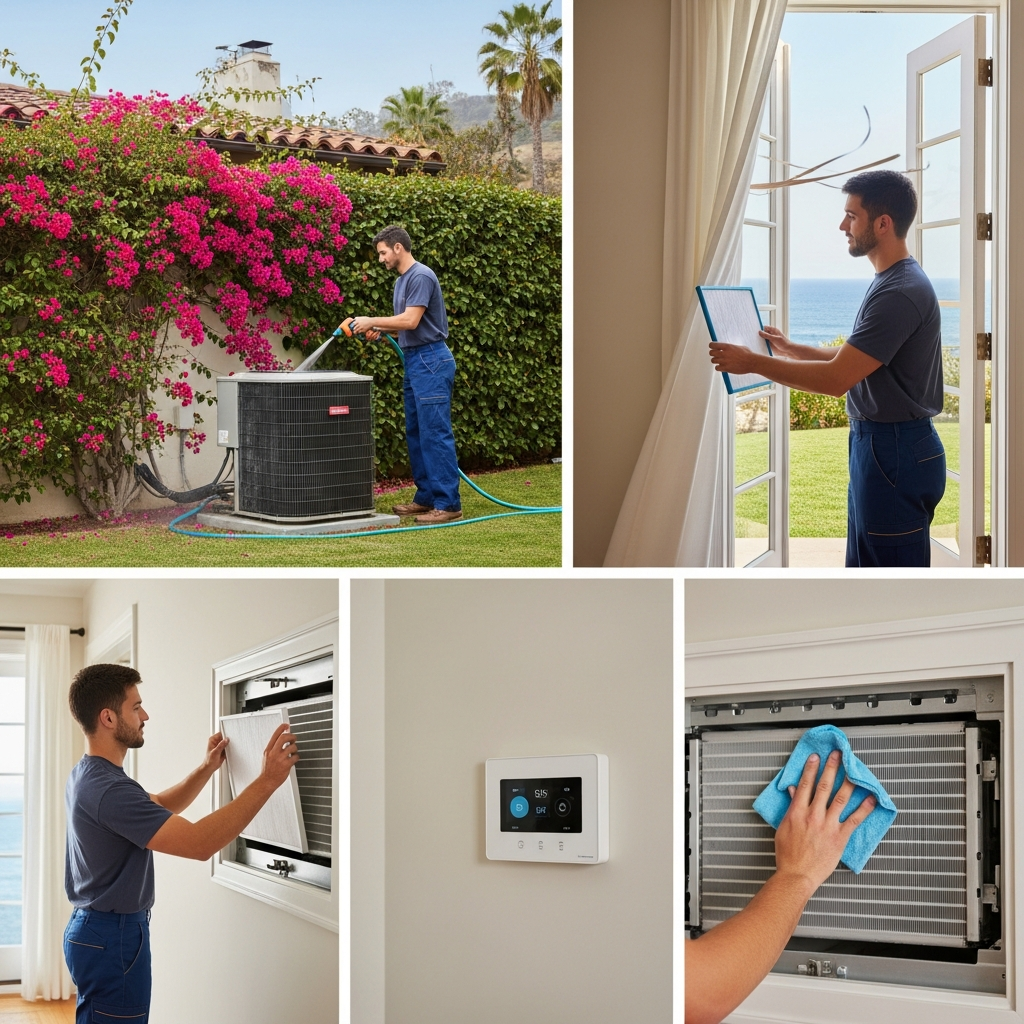
In Malibu, seasons can slip past almost unnoticed, until one morning the marine layer hangs a little longer or an afternoon sun hits the living room just a bit harder. Those subtle shifts define coastal living, and they define how your air conditioner should be cared for as well. A seasonal approach to maintenance—tuned to Malibu’s cool mornings, warm afternoons, and breezy evenings—keeps your home comfortable without fuss. The foundation is consistent air conditioning maintenance that anticipates what each season will bring and prepares your system to glide through the changes.
Seasonal care isn’t about a lengthy checklist so much as timing and intention. The work you do in spring sets the tone for summer. Quick touch-ups in midsummer preserve the benefits of that early effort. In fall, attention returns to filtration and moisture control, especially after smoky days. Winter offers a chance to rest the system, verify controls, and prepare for the next cycle. In Malibu, this cadence keeps your equipment aligned with the coast’s natural rhythm.
Spring: Set the Baseline
Spring in Malibu often begins with cool mornings and gentle sun, but it’s the perfect time to prepare for the season ahead. A thorough cleaning of the outdoor condenser removes the residue deposited by winter’s damp days—salt mist, fine dust, and organic debris caught in the fins. This is also when electrical connections are checked, capacitors tested, and refrigerant levels verified using superheat and subcooling measurements. When these fundamentals are right, your system will handle the first heat waves with ease.
Indoors, spring maintenance focuses on restoring clean airflow. Filters are selected for both capture and low resistance, the evaporator coil is inspected and cleaned if needed, and the condensate drain is cleared and treated to discourage algae growth. The thermostat gets a quick calibration check, and blower speeds are set for a balance of comfort and dehumidification. By the end of this visit, your system should run quietly and reach setpoints without long, strained cycles.
Early Summer: Fine-Tune for Warm Afternoons
As days warm, Malibu’s microclimates show their character. Homes with west-facing glass start to feel late-day heat, while shaded canyons stay cooler. Maintenance at this stage is about fine-tuning controls so the system anticipates those patterns. A smart thermostat schedule that pre-cools living spaces before peak heat arrives can prevent long, high-speed runs. Verifying duct delivery—ensuring that distant rooms get their share—protects the blower from overwork and keeps comfort even across the house.
Another early-summer focus is outdoor clearance. Vegetation grows fast in the coastal air. Ensuring the condenser has plenty of space for airflow prevents hot air recirculation and helps the compressor shed heat quickly. A level, stable mounting pad is also checked; even slight tilts can increase vibration and affect oil return in the compressor.
Mid-Summer: Preserve Performance
By midsummer, salt and dust can rebuild on the outdoor coil, especially after stretches of foggy mornings. A short, targeted check keeps your system from slipping. Rinsing the coil, confirming refrigerant balance under load, and retesting electrical components catch minor declines before they show up as long runtimes or uneven cooling. If the system has worked hard during a heat wave, this visit restores calm operation.
Indoors, filters may need more frequent attention, particularly if smoky days have visited the coast. A pressure drop measurement across the filter helps determine whether a swap is due. Keeping airflow within ideal ranges ensures quiet, efficient operation even when doors open frequently for guests and beach days.
Late Summer: Guard Against Wear
Late summer in Malibu can bring a mix of warm days and breezy evenings. Equipment fatigue begins to show if maintenance has been light. Electrical components—contactors and capacitors—deserve another look because they bear the brunt of frequent cycling. Addressing weak parts now prevents a falter during the final warm spell and reduces stress on motors and compressors. Coil care remains essential; even a thin film can slow heat rejection and lengthen cycles.
Thermostat schedules sometimes need a gentle reset here. As the afternoon sun shifts lower, the pattern of heat gain can change room by room. Adjusting pre-cooling windows and evening setpoints keeps comfort steady without asking the system to overwork.
Fall: Air Quality and Moisture Management
When fall arrives, Malibu homes often turn their attention to indoor air quality. Seasonal winds and wildfire smoke can leave fine particulate in the air that lingers for weeks. Maintenance focuses on filtration strategy—choosing filters that capture fine particles while maintaining healthy airflow. Technicians may recommend upgraded return grilles or dedicated filtration units in homes where restrictive filters have led to noise or pressure problems.
Moisture management comes back into focus, too. As mornings cool and humidity can rise, ensuring the evaporator coil stays clean and the condensate line clear prevents musty odors and microbial growth. A quick inspection of attic or crawlspace ducts is wise, sealing small leaks that pull in dusty air and strain the blower. With airflow balanced and filters fresh, your home breathes easier heading into cooler months.
Winter: Reset and Prepare
Malibu winters are gentle, and many homes see less demand on their cooling systems. This is the season to reset and prepare. A maintenance visit can verify thermostat calibration, check wiring integrity, and confirm that the outdoor unit is clean and protected from storm debris. If your system includes heat pump capability, testing defrost cycles and verifying cold-weather performance ensures you’re ready for rare chilly nights.
Winter is also planning season. With performance data from spring and summer, you can consider strategic improvements—upgrading returns, refining duct sealing, or exploring variable-speed equipment. These choices are best made calmly, with a full picture of your home’s behavior, rather than in the heat of midsummer urgency.
Why Seasonal Timing Matters in Malibu
Because the coast’s conditions ebb and flow, maintenance isn’t a single event—it’s a rhythm. Salt accumulates during foggy stretches, dust rides on canyon winds, and smoky days demand stronger filtration. By aligning maintenance with those patterns, you keep the system in step with nature. The payoff is tangible: shorter cycles, quieter operation, and a home that feels evenly cool without frequent thermostat nudges.
Seasonal timing also protects equipment life. Small corrections made throughout the year reduce mechanical strain. Compressors run cooler, motors start smoother, and controls make fewer emergency corrections. The system ages gracefully, responding to Malibu’s changes without the drama that comes from neglect.
Frequently Asked Questions
How many maintenance visits should Malibu homes schedule each year?
Plan on at least one comprehensive spring visit, with a brief mid-summer check, especially if you’re close to the water or experience windy conditions. This cadence keeps coils clean, charge verified, and controls tuned.
Do smart thermostats help with seasonal transitions?
Absolutely. When programmed to anticipate marine layers and late-day sun, they precondition spaces and relax setpoints as conditions change, reducing unnecessary runtime and smoothing comfort throughout the day.
What signs tell me I need a mid-season check?
Longer cycles, warmer air at registers during late afternoon, new noise at startup, or musty odors after humid mornings all suggest that salt, dust, or drainage issues are creeping in and need attention.
Should I rinse the outdoor unit myself?
A gentle rinse can help between professional visits, but coil fins are delicate. Professional cleaning ensures residue is removed without bending fins or forcing debris deeper into the coil.
How do filters fit into a seasonal plan?
Filters often need more frequent checks in midsummer and fall, especially after smoky days. Choosing a filter with the right balance of capture and low resistance prevents airflow bottlenecks that raise noise and strain the system.
What about homes with additions or glass-heavy rooms?
They often benefit from targeted airflow adjustments and schedule tuning. Maintenance can verify delivery to challenging rooms and adjust pre-cooling windows to account for late-day solar gain.
Keep Your Home in Rhythm With the Coast
When you follow a seasonal plan, your AC stops feeling like a wildcard and becomes a calm, predictable partner. Begin with a dependable schedule for air conditioning maintenance, then use each season’s visit to fine-tune for Malibu’s subtle shifts. If you’re ready for quieter cycles, cleaner air, and comfort that simply feels easy, reach out today and put your home on a maintenance path that matches the way Malibu lives.