
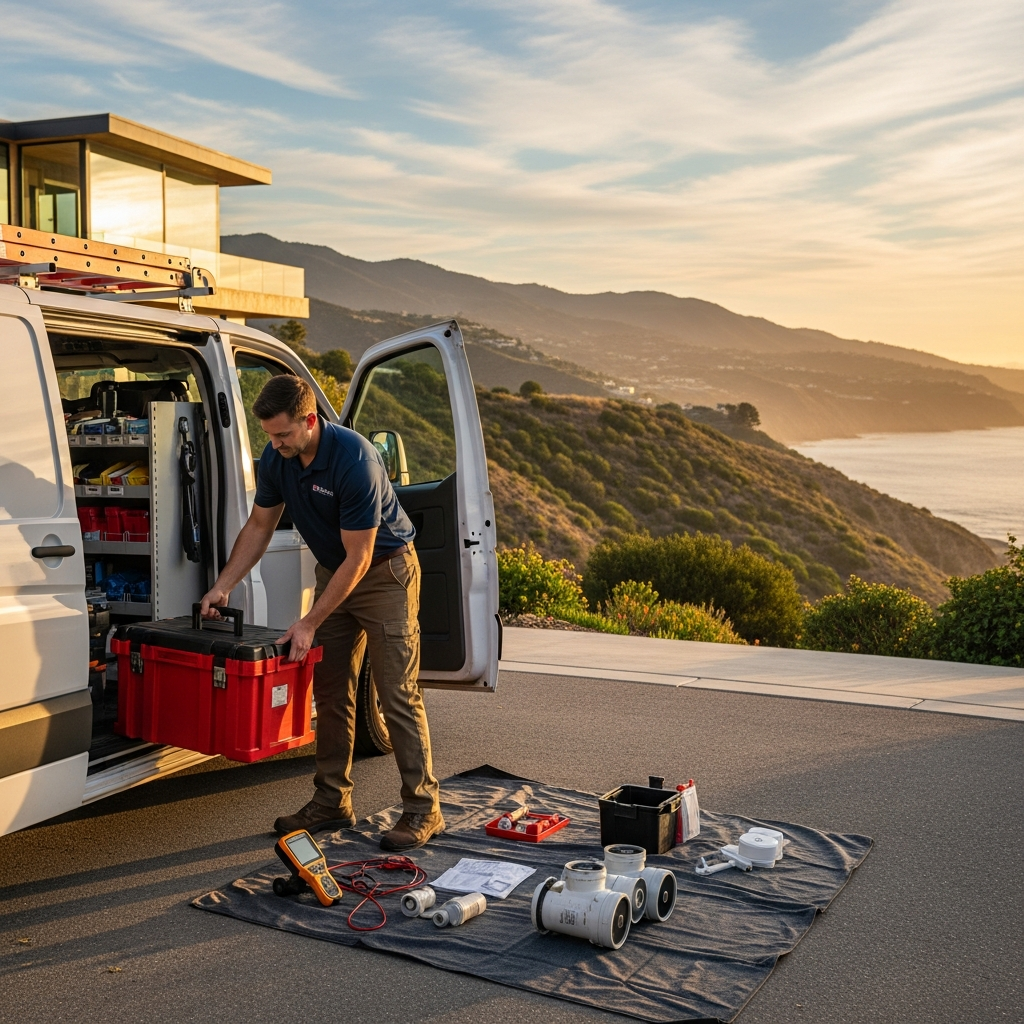
When the living room heats up faster than the afternoon breeze can cool it, waiting days for a technician is not an option. Same-day air conditioning service in Malibu is part logistics, part experience, and part reading the coastline like a map. I have watched service days succeed because dispatchers understood how canyon roads stack traffic and how a fog bank changes equipment behavior by 2 p.m. What looks like luck is actually planning, and it starts with knowing that reliable air conditioning support here depends on nimble teams and clear homeowner communication long before the truck arrives.
Malibu’s geography dictates response strategy. Steep driveways, tight switchbacks, and homes perched behind hedges ask for technicians who show up prepared to work efficiently at height or in cramped spaces. Access details matter—gate codes, parking spots that do not block neighbors, and clear paths to equipment tucked behind privacy walls. The smoother that first five minutes goes, the more time is left for diagnostics and resolution. Good same-day service starts on the phone with focused questions: what you hear, what you smell, whether the system is running at all, and whether water is pooling near the air handler.
How Pros Triage Calls When Demand Spikes
On a hot day, call volume jumps. Seasoned teams sort requests by risk: no-cooling situations, vulnerable occupants, and active water leaks rise to the top. Breakers that trip repeatedly or burning smells also trigger a rapid response. Meanwhile, lukewarm air with a known filter issue might be scheduled slightly later in the day with guidance for safe interim steps. This triage is not indifference—it is how technicians keep the most homes safe and stable before nightfall.
Clear notes from homeowners accelerate everything. If you can share thermostat brand, error codes, equipment age, and any recent work, a dispatcher can place the right parts on the truck. Malibu’s coastal environment adds specific suspects—outdoor capacitors softened by salt, contactors that chatter in the heat, and coils filmed with beach dust. Bringing coastal-rated components saves a return trip and shortens your discomfort.
Expectations for a Same-Day Visit
When a technician arrives, the first goal is to stabilize conditions. They will verify safe power, airflow, and condensate management, and then make targeted tests to isolate the fault. If a single component can be replaced immediately and the rest of the system is sound, that fix happens on the spot. If the issue is part of a larger pattern—say, a restricted coil that signals a broader airflow problem—the technician may propose a temporary restore that keeps the home livable while a deeper cleaning or duct correction is scheduled promptly.
Communication remains central. A good technician walks you through findings, explains what to watch over the next day, and confirms how to reach support if the system drifts. The best visits end with notes that make sense in plain language and a clear plan for follow-up if needed. In Malibu’s layered climate, that plan often includes reminders about outdoor coil rinsing, filter checks after smoky days, and basic settings that keep runtime smooth rather than choppy.
What Makes Malibu Different for Same-Day Service
Coastal exposure changes failure patterns. Outdoor units mounted low near decks collect salt-laden mist that quietly attacks electrical contacts and fine windings. Canyon winds can blow debris into fan blades and block condenser fins in a single afternoon. The grid sometimes stumbles under heavy loads, creating surges and brief outages that confuse boards. Same-day teams here know to check these pressure points first, and they often stock corrosion-resistant screws and contactors for quick swaps that hold up.
Site access is another subtle factor. Some homes require navigating narrow paths beside cliffs or carrying tools up long exterior stairs. Crews who plan for this save time and prevent accidental scuffs or dings on finishes that matter. Where equipment sits on roof decks, safety and courtesy go hand in hand—drop cloths, clean shoes, and careful routing of hoses and cords show respect and keep the visit efficient.
What You Can Do Before the Truck Arrives
While you wait, a few steps can help without risking damage. Set the thermostat to Cool and Auto rather than Fan On, replace a clearly dirty filter if you have a matching spare, and check that supply registers and returns are not blocked. If you see water near the air handler, power the system down and catch the drip in a tray or towels to protect finishes. Avoid repeated breaker resets; a breaker that trips again is telling you to stop and wait. These are small moves, but they help a technician go straight to the heart of the issue upon arrival.
Comfort triage also helps. Close blinds on sun-exposed windows, gather in rooms with fewer exterior walls, and run ceiling fans counterclockwise to keep air gently moving. If you own a portable dehumidifier, run it on marine-layer days to lift comfort a notch even while temperatures edge up. Avoid opening windows during smoky stretches; a few minutes of breeze can leave you with hours of cleanup and irritated lungs.
Temporary Restores vs. Lasting Solutions
Same-day service often buys you breathing room while a more durable fix is lined up. A failed capacitor, a stuck contactor, or a clogged condensate trap can be resolved quickly in many cases. But if the outdoor coil is matted with salt and dust, or if a board has suffered from repeated power events, the best path may be a temporary stabilize coupled with a scheduled deep cleaning or parts replacement. A transparent conversation about risks and benefits helps you decide how to proceed.
When decisions lean toward replacement, ask for options that acknowledge the coast: coil coatings, corrosion-resistant cabinets, and thoughtful placement out of direct spray. Variable-speed or inverter systems often make sense here because they run quietly at part load and manage humidity more gracefully. Your same-day technician is a resource; their field notes about how your current system failed will inform the new design.
Documentation That Protects Your Comfort
Good service ends with clarity. You should receive notes that describe the symptoms, what was tested, what values were observed, and what was changed. Photos of coil conditions or failing components help you visualize what went wrong. These records turn into a living history that keeps future visits efficient and supports warranty needs. Malibu homes benefit greatly from this continuity because the coastline’s fingerprints show up across seasons, not just on the day something breaks.
If you travel or manage the home part-time, consider enabling remote alerts that flag unusual runtime or sudden shutdowns. A quick message on a hot day can prompt a same-day check before comfort slips. Coordinating access and contact preferences with your service company ahead of time closes the loop so help arrives smoothly even when you are away.
Frequently Asked Questions
How fast can same-day service typically arrive in Malibu?
Arrival depends on call volume and access, but established local teams triage no-cooling and leak situations first and often reach them the same day. Clear details about symptoms, gate codes, and parking help shave minutes off the response time.
What problems are most common during heat waves?
Salt-weakened capacitors, contactors that stick in high heat, coils coated with beach dust, and condensate backups are frequent culprits. Power surges can also scramble electronics. Crews familiar with the coast carry parts and tools aimed at these patterns.
Is it safe to run the system if it is blowing but not cooling?
Switch to Auto rather than Fan On and monitor. If the outdoor unit is silent or you see frost on copper lines, shut the system down and wait for service to prevent damage. Running a portable dehumidifier can improve comfort temporarily.
What if my system fails repeatedly after quick fixes?
Repeated failures suggest underlying issues such as airflow restrictions, salt-driven corrosion in electrical components, or control logic problems after power events. A deeper diagnostic and a maintenance or replacement plan will be more reliable than chasing symptoms.
How can I prepare for the next urgent visit?
Keep filters on hand, note thermostat error codes, photograph equipment locations, and maintain a simple log of symptoms and weather conditions when issues appear. Share this during dispatch; it guides parts selection and speeds the repair.
If your home is warming up and you need help today, gather a few details, make the call, and steady the space with the simple steps above. The right local team will move quickly, communicate clearly, and leave you with comfort and a plan. For a quick refresher that helps you speak the same language with your technician, explore homeowner guides to air conditioning, then schedule your visit. With a little preparation and a responsive partner, same-day does not have to mean stressful—it can mean smooth, efficient, and done.