
From the glass-lined homes of Point Dume to the tucked-away retreats near Escondido Canyon, Malibu’s residences share a common truth: the coast is both a companion and a challenge for cooling systems. When your AC falters here, the answer isn’t a one-size fix; it’s a choice among repair paths that honor how the sea, the sun, and the hillside interact with your home. Over years of working across neighborhoods—Malibu Colony’s courtyards, rambling ranches on the flats, and the terraces above Broad Beach—I’ve seen how a thoughtful approach to repair preserves comfort while respecting architecture, sound, and the patient persistence of salt air.
The first decision is often triage versus restoration. If your system quit on a warm evening with guests arriving, you need stability quickly: a diagnosis that isolates the immediate cause, a safe temporary measure if a part must be ordered, and clear communication about next steps. If the failure is gentle—a thermostat that misreads a degree or two, a coil that’s grown quietly dirty—then the repair becomes an opportunity to restore the system’s balance, clean what the sea has touched, and tune performance so mornings and afternoons feel even again. Early in that conversation, I also anchor expectations in the principles of resilient air conditioning design at the coast, where protection against salt and careful airflow matter as much as the part we replace.
Malibu homes are complex, not just in shape but in access. Narrow lanes, steep drives, and tight setbacks can complicate equipment placement and service. That reality affects the timeline and sometimes the method. For example, a condenser nestled below a deck may need disassembly for proper coil cleaning, or a roof unit may require coordinated access to avoid disturbing finishes. Good repair planning respects these challenges and works with them, turning what looks like an obstacle into a carefully choreographed service visit that leaves the home undisturbed.
Common repair scenarios along the coast
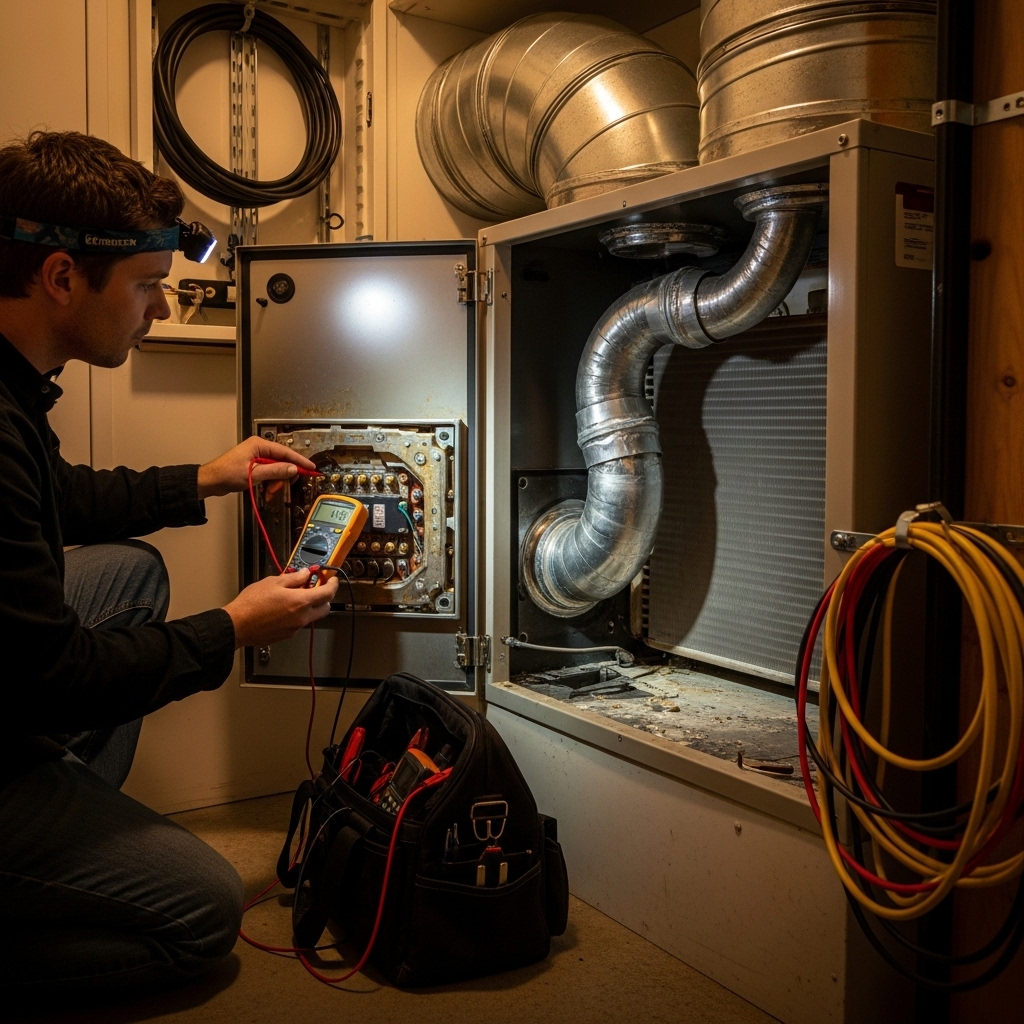
Electrical hiccups are frequent here. Salt finds its way into disconnects and onto capacitor terminals, setting the stage for intermittent faults that arrive with humidity. A compressor that refuses to start on misty mornings may spring to life by noon; a fan that runs rough in the fog may smooth out later. Skilled diagnosis includes testing under the conditions that created the symptom and sealing vulnerabilities once the immediate fault is resolved. Sometimes the best fix is both a new component and a small barrier against the next wet breeze.
Coil care is another theme. The outdoor coil is your system’s heat exchanger with the world, and it performs best when fins are clean and straight. In Malibu, salt binds dirt into stubborn films that resist casual rinsing. Professional cleanings use coil-appropriate solutions and low pressure to lift debris without forcing it deeper. After cleaning, technicians may recommend protective measures where exposure is intense. Indoors, evaporator coils sometimes carry a fine layer of coastal residue, especially in homes that spend mornings with doors open. Cleaning those coils restores not just cooling but the crisp, dry feel that makes rooms comfortable on damp days.
Humidity, drains, and quiet leaks
Because our mornings are often soft and damp, condensate drains work hard. They also clog. A subtle overflow can stain a ceiling or introduce a persistent musty scent that lingers. Most repair visits include verifying proper drain slope, clearing traps, and insulating lines that sweat in warm spaces. If your home combines construction from different eras—a surprisingly common Malibu trait—drain routes may be convoluted. Mapping and simplifying them where possible is part of a durable repair.
Ductwork deserves attention too. While a “repair” might begin with a single failed part, it often ends with airflow correction: sealing leaks that whisk cooled air into attics, re-hanging sagging runs, or balancing room deliveries so the system stops fighting itself. These adjustments often transform the feel of the home, making the repair seem larger than the replaced component because the whole system can breathe again.
Noise, neighbors, and aesthetics
Repair is an opportunity to reclaim quiet. Loose panels, worn fan motors, and vibration paths that travel through decks or rails announce themselves most at night, when Malibu’s soundscape narrows to the sea and the wind. Addressing these during a service visit—securing panels, adding isolation, adjusting fan settings—respects your sleep and your neighbors’ peace. When equipment sits in view, repairs that involve cabinet replacements or repositioning are chances to refine how the system meets the eye, using finishes and placements that resist salt without drawing attention.
Inside, sound is often the whisper of airflow. If a bedroom vent hisses or a living room register chuffs at startup, small corrections to duct transitions or grille selection can bring calm. Malibu homes often layer renovations, and those layers sometimes leave the duct system with hard angles and tight turns. Gentle smoothing pays back every time the system starts.
Timing, communication, and trust
A repair experience should feel transparent. We’ll walk you through what failed and why, how the coast played a role, and what steps will protect the fix over time. If parts are needed, we stabilize the system where possible, clean aggressively where salt has settled, and schedule return visits with your calendar in mind. For homes with house managers, photos and notes keep everyone aligned. When the work is complete, you should feel that the system is not just restored but better defended against the reasons it faltered.
In the middle of planning options, it’s natural to consider the horizon: when repair yields to replacement. That line is rarely about one component; it’s about the pattern of failures, the home’s comfort goals, and the equipment’s ability to handle Malibu’s rhythm. Still, many systems have years left when given careful repairs that address both the symptom and the salt-shaped environment around it. During those discussions, revisiting the fundamentals of modern air conditioning performance—quiet modulation, gentle humidity control, and thoughtful placement—can clarify whether your current system can deliver with renewed support.
Neighborhood-specific insights
Point Dume homes often balance big skies with exposure to wind; careful condenser placement and shielding matter. Malibu Colony homes are close-knit, so acoustics and sightlines carry extra weight. Broad Beach residences contend with sand and salt carried across decks, making more frequent coil rinsing wise. Inland pockets along Kanan and Trancas trade salt for heat, asking equipment to handle afternoon spikes. Recognizing these patterns helps tailor repairs that feel specific to your street rather than generic to a ZIP code.
Even within a single property, microclimates exist. A side yard may funnel a sea breeze that chills one wall while a sunlit courtyard bakes another. Repairs that include small airflow adjustments and sensor placement tweaks can harmonize those differences so the thermostat’s number finally matches how the room feels.
FAQ: Residential repair in Malibu
Why does my AC struggle most on foggy mornings?
Humidity and cooler air can expose marginal electrical connections and shift how air moves through coils. Intermittent faults appear, and coils may operate below their clean, dry potential. Cleaning, sealing, and verifying connections under damp conditions addresses the root causes.
Can a repair make my system quieter?
Very often, yes. Securing panels, isolating vibration, aligning fan blades, and smoothing duct transitions reduce noise noticeably. Many repairs include these refinements as part of returning the system to calm, steady operation.
How do I know if salt is affecting my equipment?
Visual clues include a chalky film on outdoor cabinets, green or white deposits on copper and aluminum, and fasteners that show early rust. Performance clues include intermittent electrical behavior during humid periods. A technician can confirm and propose protective steps.
Is it worth repairing an older system in Malibu?
It depends on the pattern of failures and the system’s overall health. Many older units earn additional years when cleaned thoroughly, protected from salt, and tuned for airflow. A candid evaluation will weigh reliability and comfort, not just age.
What can I do between service visits?
Keep filters fresh, rinse outdoor coils gently with fresh water in salty seasons, and clear debris around equipment to maintain airflow. If you notice new sounds, smells, or behavior changes, schedule a check before the next heat wave.
Malibu living asks for cooling that is quiet, poised, and resilient. Repairs that respect the coast and the contours of your home deliver that standard, turning breakdowns into moments to strengthen the system for seasons ahead. If you’re ready to restore calm comfort and build in protections that match your neighborhood’s rhythm, reach out to local specialists in air conditioning who understand Malibu’s demands and can guide you to the right repair—swift when it must be, thorough when it should be, and always mindful of the sea.