
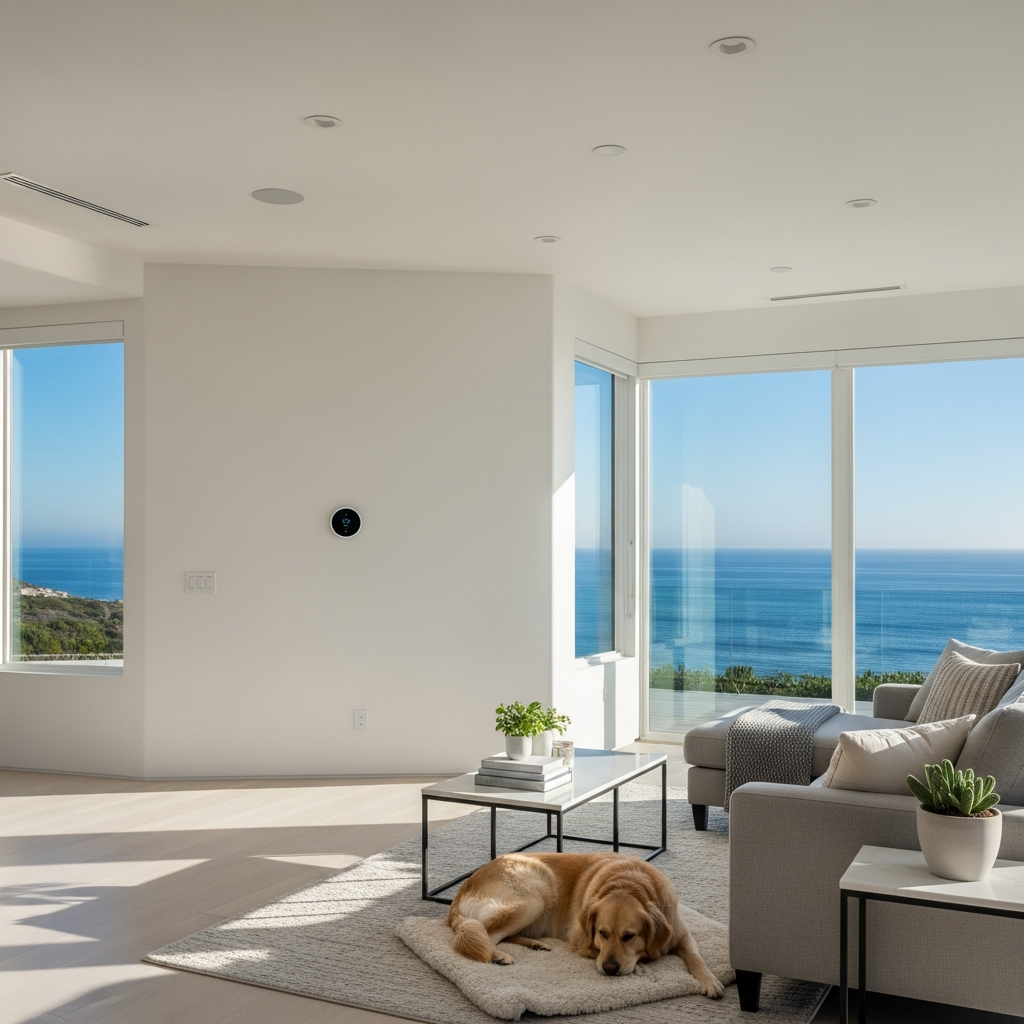
Residential air conditioning in Malibu is less about a machine and more about a mood—how a home feels from morning fog to golden-hour glow. The Pacific casts a spell here, but it also sets a complex stage. One afternoon in August, you may watch the marine layer lift like a curtain from Point Dume while your hillside living room soaks up sun and warms quickly. By evening, cool air trickles down canyons and your bedroom starts to edge toward chilly, even as humidity clings near the coast. The right installation makes these shifts feel quiet and easy. It’s a conversation between architecture, microclimate, and the routines of the people who call the house home.
When I visit a homeowner for the first time, I ask about how mornings unfold, where family life gathers, and which rooms feel stubborn. Do the kids’ rooms run warm over the garage? Does the loft office get bright, then broiling, as the sun arcs higher? Do you host on the deck until late, only to find the great room sticky when doors close? These stories point toward a design that may include a variable-speed heat pump for steady, low-sound conditioning, a ducted backbone for the main level, and ductless heads or a micro-zone for spaces with unique demands. The goal is not to overpower the home but to balance it.
Malibu’s residential architecture asks for respect. Classic coastal cottages need discreet grilles that sit easily in plaster; contemporary glass boxes reward linear diffusers that draw the eye along clean lines. Outdoor units should be heard rarely and seen less, placed where breezes aid performance but views remain sacred. On beachfront lots, we plan for salt’s quiet persistence with coated coils, stainless fasteners, and a light rinse routine. In the hills, we plan access and anchorage that withstands winter storms without telegraphing vibration through decks and rails.
Proper sizing forms the backbone of residential installations that feel right. Bigger does not mean better. Oversized systems glide to setpoint quickly, then shut off, leaving rooms uneven and air sticky. Undersized units grind on hot afternoons, failing to catch up. We run careful load calculations that read your home’s envelope, glass orientation, shading from sycamore and eucalyptus, and the reflectivity of surfaces. When equipment is matched to these realities, it purrs—quiet, steady, and poised for the odd heat wave or cold snap without drama.
Ductwork is the invisible plumbing of comfort, and in Malibu’s mix of remodels and additions, it often needs fresh eyes. Returns must be generous and well-placed so the system can breathe quietly. Supplies should wash windows and temper hot spots without blasting. We seal, insulate, and balance runs to reduce static pressure. In finished homes where ceilings won’t budge, we get creative—stealing space behind cabinets or using slim duct runs—so comfort improves without scarring architecture. A beautiful home deserves a beautiful airflow plan.
Controls have matured into essential tools for residential life. With room sensors, your system can pay attention to where people are and nudge temperatures subtly. Nighttime routines might lower bedroom velocity for a softer feel while keeping a gentle watch on the nursery. Daytime routines can prioritize the great room and kitchen where life clusters. Smart scheduling layers with real-time sensing so you don’t have to micromanage a thermostat; comfort just follows along.
Air quality joins temperature as a pillar of residential comfort. In seasons when wildfire smoke drifts through canyons, the system should protect you with filtration that captures fine particles while maintaining airflow. Sealed returns avoid drawing dusty or smoky air from attics. When conditions permit, fresh air strategies can quietly replenish oxygen and flush indoor pollutants. Humidity control complements this ballet, taking the edge off clammy mornings and stabilizing wood floors, doors, and instruments. Families feel the difference quickly—sleep deepens, mornings begin fresher, and living spaces smell clean instead of closed.
The installation experience itself matters in a home. We protect floors, art, and millwork. We plan noisy tasks around nap schedules and meetings when we can. Communication is daily and direct. Outdoor unit pads sit on vibration isolators. Line sets are insulated with materials that handle Malibu’s sun and routed to remain discreet. Drain lines slope invisibly to avoid stains on stone and stucco. These details may sound small on paper, but they loom large in daily life.
Commissioning is where residential projects become personal. We measure airflow in bedrooms and family rooms and adjust until each space feels like it belongs to the same home. We dial in refrigerant charge to the day’s conditions. We program controls for your rhythms, then walk through them together so the system’s intelligence is yours, not a hidden menu. Documentation captures baselines so maintenance can keep the system singing rather than guessing at tune.
For families with solar or plans for battery backup, we map how HVAC should behave when the grid is stressed or when the sun is plentiful. Pre-cooling strategies can store comfort in the home’s mass. Variable-speed equipment can lean on solar output during the day, then idle gently at night. In a place that prizes sustainability, these residential moves make comfort feel aligned with Malibu’s natural pace.
In the middle of a project, we often pause to walk the house with you. We feel for drafts, listen for hiss or rattle, and talk through trade-offs. Perhaps a return grows a size to quiet a bedroom, or a diffuser shifts a few inches to spread air more evenly. Perhaps we tweak a zone boundary so the loft office gets priority during work hours without chilling the living room. These are the moments when a residential installation shifts from good to special, shaped to the people inside as much as to the materials around them.
Noise is a frequent focus, and rightly so. Malibu nights deserve silence. We favor low-velocity supply strategies in sleeping areas, choose diffusers that breathe rather than blast, and site outdoor units thoughtfully to avoid sound reflections. Inside, duct transitions are smooth, and equipment is isolated so cabinetry and framing don’t become amplifiers. The result is comfort that is felt more than heard, which is exactly how it should be in a home.
Maintenance planning at the residential scale is simple but powerful. Seasonal checks rinse salt from coils, confirm drainage, refresh sensors, and verify that airflow and charge still match design. For part-time residents, service can precede arrivals so homes feel settled the moment you step inside. For full-time families, maintenance can slot around school calendars and travel, keeping comfort steady while life churns.
When additions or remodels are in play, early HVAC planning saves mess and money. Concealing ducts behind future millwork, coordinating soffits with lighting, and planning returns to vanish into reveals elevate results. Malibu’s architecture rewards this foresight, turning mechanicals into part of the design language rather than an afterthought. A well-integrated system protects the serenity you’ve built into the home’s lines and finishes.
How do Malibu’s microclimates influence residential AC choices?
They push us toward designs that modulate, flow quietly, and resist corrosion. Beachfront homes need special attention to materials and maintenance; hillside residences call for access planning and longer line sets. Across the board, systems that can run steadily at lower output deliver even comfort and low sound that suit Malibu’s daily rhythm.
Do I need to replace all my ducts when installing new equipment?
Not always, but ducts deserve a careful look. If they are leaky, undersized, or poorly placed, a new unit won’t deliver its potential. Upgrading returns, sealing and insulating runs, and balancing airflow can transform performance. The decision follows testing and inspection, not guesswork.
Are heat pumps a good fit for residential Malibu homes?
Very much so. Modern heat pumps excel in our mild winters and handle summer cooling smoothly. Their variable-speed operation supports quiet, steady comfort and pairs well with smart controls. With thoughtful design, they can condition the whole house efficiently while keeping sound and energy use low.
How can I keep the system quiet in bedrooms?
We reduce supply velocities, select diffusers that spread air gently, expand or relocate returns for softer breathing, and isolate equipment vibration. Outdoors, we avoid corner placements that bounce sound and use pads that decouple vibration. These choices add up to a sleeping environment that feels naturally calm.
What about air quality during wildfire season?
Plan for filtration matched to your fan, sealed return paths, and control strategies that minimize outside air when smoke is heavy. When the air clears, we refresh gently. These steps keep indoor air clear without burdening the system or creating drafts and noise.
How long does residential installation take?
Timelines vary with scope, access, and whether duct upgrades or concealment work are involved. What matters most is a sequence that protects finishes, aligns with your schedule, and ends with commissioning that proves performance. Clear communication keeps the process smooth, even when surprises surface.
If you’re ready to make your Malibu home feel settled in every season, let’s design it together. From the first conversation about family rhythms to the final commissioning pass, we’ll build a quiet, resilient system that honors your architecture and the coastline we share. Begin with a plan for expert air conditioning installation crafted for Malibu’s homes and the lives lived inside them.