
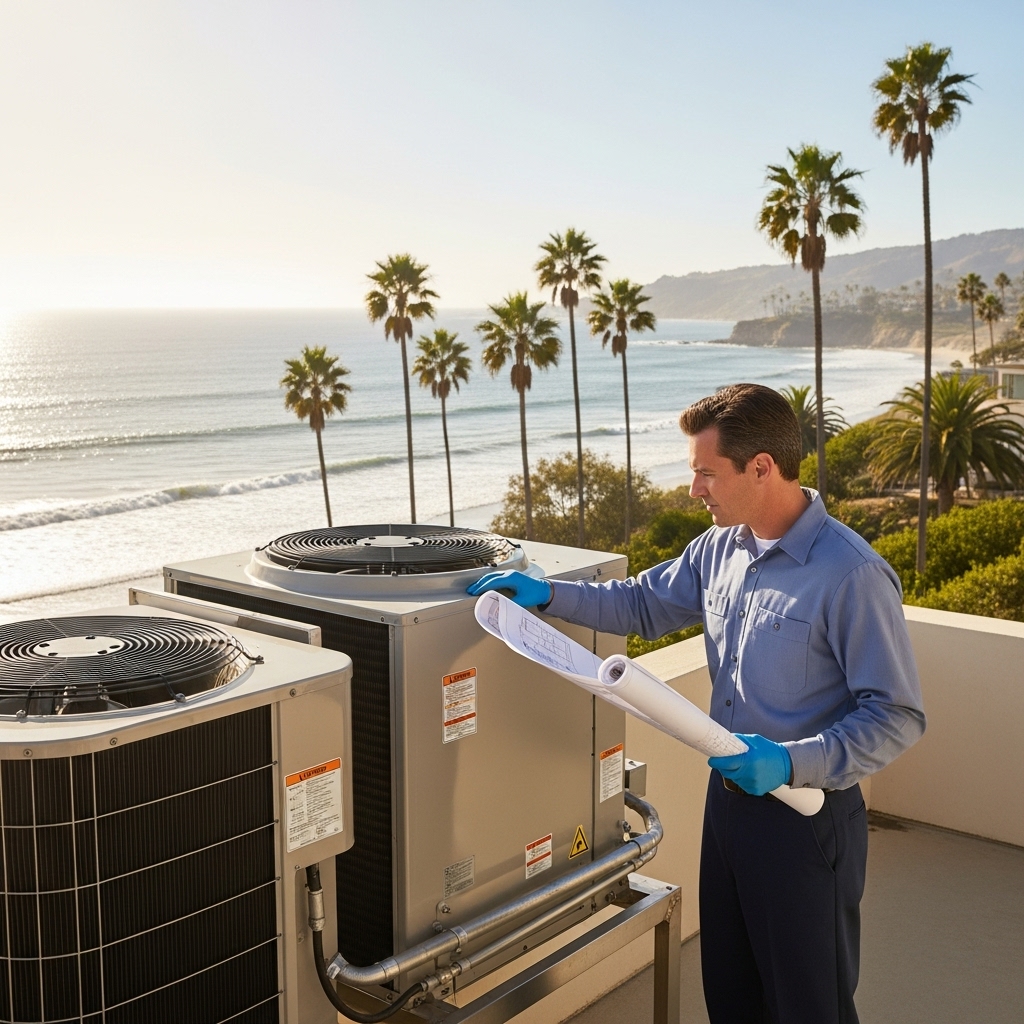
Why Licensing Matters for Malibu Homes
When you live in Malibu, you feel the marine layer in the morning, the sunshine burning it off by noon, and the cool coastal breeze in the evening. It is a rhythm locals recognize instinctively, and it is also the backdrop that shapes how comfort systems are designed, installed, and maintained. Choosing a licensed contractor for your air conditioning work is not simply about a certificate on the wall. It is about selecting a professional who understands Malibu’s microclimates, hillside construction quirks, oceanfront corrosion, and city permitting expectations—and who is accountable to California’s licensing standards. I have seen the difference play out in real homes, from Big Rock up to Point Dume and into the canyons. Licensed companies bring a steady, methodical approach, backed by training, insurance, and code compliance that protects both performance and property.
Licensing in California is not a rubber stamp. For HVAC, the C-20 classification requires demonstrated experience, exams, and a record free of disciplinary actions. That process matters because Malibu’s homes often involve special engineering, complex electrical infrastructure, and site-specific acoustics. A licensed company is equipped to coordinate with homeowners’ associations, navigate Title 24 energy code requirements, and plan a system that respects your property lines and your neighbors’ peace and quiet. In practice, that means doing the math—not just recommending the biggest unit on the shelf—so that the system is appropriately sized and balanced for comfort without waste.
The Malibu Environment: Salt, Sun, and Slope
Coastal living is equal parts beauty and exposure. Salt air accelerates corrosion on outdoor equipment; intense sun adds heat load to surfaces and duct runs; and hillside homes complicate airflow and drainage. Licensed air conditioning companies in Malibu are trained to anticipate these factors. They specify hardware with marine-grade finishes, recommend condenser locations that minimize salt spray, and route condensate drains responsibly so that you do not end up with moisture staining a stucco wall or eroding a slope. They also understand how wind patterns change between a bluff-top home and a sheltered canyon lot, and how that affects both outdoor unit placement and indoor comfort balancing.
In the summer, inland heat can create dramatic temperature gradients across the Santa Monica Mountains, drawing warm air toward the coast in the afternoon. A system designed for this locale needs both capacity and finesse—zoning, smart controls, and attention to duct layout go a long way. In the fall, Santa Ana winds bring dry, hot air that taxes filters and impacts indoor air quality. A licensed contractor acknowledges those rhythms and builds a strategy around them, from filtration choices to maintenance scheduling that targets real-world conditions instead of generic calendar reminders.
Permits, Inspections, and Accountability
Malibu’s permitting process is deliberate for good reason. The terrain, fire risk, and environmental sensitivities demand careful oversight. A licensed air conditioning company will handle permitting and coordinate inspections for new installations or significant modifications. They will submit load calculations, equipment specifications, and duct testing documentation as required by code. This is not bureaucracy for its own sake; it is a protective measure for the homeowner. When permits are pulled correctly, work is reviewed by city inspectors, and key performance tests (including duct leakage and airflow) are verified, you have a paper trail that safeguards property value and helps ensure the system performs as promised.
It is also worth noting that many manufacturers make warranty coverage contingent on professional installation. Licensed companies follow those requirements closely. They register equipment properly and maintain records that can be critical years later. That might seem like a small administrative step until a heat wave strikes and an out-of-warranty compressor becomes more than a headache.
Design First: Load Calculations and System Selection
Too often, people think about an air conditioner in terms of tonnage alone. Malibu homes are not uniform; a glass-heavy contemporary on Carbon Beach behaves very differently from a cedar-shingled cottage in Point Dume or a ranch-style home in Malibu Park. A licensed contractor will perform room-by-room load calculations that account for windows, insulation, orientation, shading, and air leakage. The result may be smaller equipment than you expect, but paired with smart duct design and proper balancing, it keeps rooms comfortable without short cycling or humidity issues.
Another advantage of a licensed company is the breadth of system options presented. They will explain when a variable-speed heat pump makes sense, how inverter technology can reduce noise on a tight lot, and where a traditional split system still provides the best value. In oceanfront homes, corrosion-resistant coils and coated cabinets are more than add-ons—they are essential choices that preserve reliability. A thoughtful designer will also discuss future-proofing: wiring and panel capacity for potential electrification, line set routing that avoids exposure, and condensate management that anticipates service access. Somewhere in the middle of the project, an experienced Malibu contractor will nudge the conversation back to fundamentals, reminding you that even the best equipment underperforms without balanced ducts, sealed penetrations, and clean airflow paths—core truths that affect air conditioning results more than brand names ever will.
Ductwork, Insulation, and Architecture
Malibu architecture often challenges duct design. Mid-century homes with low-slope roofs leave little attic space; some hillside properties have multiple split levels; and many renovations add rooms where ducts were an afterthought. Licensed companies know how to navigate these constraints. They evaluate existing ducts for leakage, insulation value, and sizing. If replacement is warranted, they plan routes that minimize sharp turns, maintain correct static pressure, and keep supply runs short. Sealing and insulating ducts to code, especially in unconditioned spaces, pays dividends in performance and energy efficiency.
Inside the home, attention to registers and returns is part of that same plan. Correctly sized and placed returns reduce noise and pressure imbalances between rooms. A licensed professional also evaluates infiltration points—recessed lighting, leaky access panels, and unsealed chases—because the building shell is part of the comfort system. These details may feel invisible day-to-day, but they make a measurable difference in how the system feels, sounds, and lasts.
Indoor Air Quality and Malibu’s Reality
Between seasonal wildfire smoke and coastal humidity pockets, indoor air quality is not a luxury topic here. Licensed HVAC companies are trained to integrate filtration and ventilation solutions that address local realities. Upgrading to higher MERV filters, recommending media cabinets sized for low resistance, and pairing systems with dedicated ventilation strategies can transform comfort during challenging weeks. In homes near the beach, controlling humidity and protecting against salt-laden air infiltration reduces long-term wear on finishes and electronics. In canyons, where pollen and dust can spike, better filtration pays off immediately in comfort.
For many homeowners, the conversation includes smart thermostats and zoning. Those tools are not just about gadgets; they allow tailored temperature control for rooms you use most, reduce run time in spaces that sit empty midweek, and give you remote visibility when you are traveling. A licensed contractor configures those systems to avoid pitfalls like short cycling or conflicting setpoints between zones.
Noise, Placement, and Being a Good Neighbor
Malibu neighborhoods are peaceful by design. Placing a condenser thoughtlessly near a neighbor’s bedroom can create friction that lasts longer than any summer heat wave. Licensed contractors pay attention to setbacks, prevailing winds, and reflective surfaces that amplify sound. They select variable-speed equipment or recommend sound blankets where appropriate, and they plan service access so technicians do not have to navigate landscaping or tight side yards awkwardly. These considerations matter even more on flag lots and hillside terraces where sound can carry in surprising ways.
On oceanfront homes, placement strategies often blend aesthetics and protection. Elevating equipment to avoid splash zones, using corrosion-resistant stands, and ensuring secure anchoring for wind events all help. The goal is a system that disappears into the background of your daily life—quiet, steady, and easy to maintain.
Project Management You Can Feel
Licensed companies tend to be organized. That shows up in confirmations that tell you who is arriving and when, site protection that keeps flooring and finishes pristine, and clear daily updates during multi-day projects. Malibu’s geography adds travel time and surprise delays—PCH traffic is not a myth—so the ability to set realistic windows and actually meet them is a skill in itself. When a team respects your time, protects your home, and communicates clearly, the stress of an installation or major repair drops dramatically.
After the work is complete, a licensed contractor will walk you through the thermostat, maintenance basics, and warranty terms. They will provide documentation for your records and explain the cadence of routine service. That close-out conversation is not a formality; it sets expectations and gives you the confidence to operate the system without guesswork.
Maintenance: The Long Game
Salt air, dust from canyon winds, and the occasional smoke event create a challenging maintenance environment. Licensed companies schedule coil cleanings, drain line treatments, and filter changes with local conditions in mind. They might recommend rinsing outdoor coils more frequently near the water or checking duct insulation after a hot, dry Santa Ana period. Predictive maintenance—monitoring run times, temperature splits, and static pressure—can catch issues before they become breakdowns. In a community where many residents split time between homes, that proactive care is invaluable.
Crucially, maintenance is not just an add-on service. It is part of how warranties remain valid and how efficiency ratings hold up over time. A unit can be brand-new and still underperform if coils are dirty or ducts leak. Licensed contractors measure, verify, and adjust. Over years, that diligence is the difference between a system that seems to age overnight and one that stays quietly effective.
Red Flags and Peace of Mind
Unlicensed work often reveals itself in small ways: no permit for a major change, mismatched line set sizes, missing disconnects, or sloppy condensate routing that stains stucco. Sometimes it is more serious—equipment placed in violation of clearances, undersized electrical circuits, or refrigerant practices that violate code. Malibu’s terrain and weather magnify the consequences of those shortcuts. Using a licensed company gives you recourse if something goes wrong and reduces the risk of those missteps in the first place.
Beyond compliance, there is the human factor. Licensed teams invest in training and safety. They carry workers’ compensation and liability insurance, and they adhere to best practices that protect everyone on site. It is not merely a checkbox; it is the professionalism you can sense when a project unfolds smoothly and the finished system simply feels right.
Local Knowledge Makes the Difference
No two blocks in Malibu are exactly alike. A home tucked into Ramirez Canyon can be ten degrees cooler than one a mile away on an exposed ridge in the afternoon. Morning fog can linger by the water while the canyons bake. Licensed contractors who work here daily internalize those patterns. They will advise on shading, window strategies, and usage habits that complement the equipment. They will also point out when simple fixes—weatherstripping a leaky door, adding a return in a closed-off room—deliver outsized improvements.
As a homeowner, the difference you feel is holistic comfort: rooms that are evenly cooled, a system that is quiet, and bills that reflect an efficient, right-sized approach. That outcome is not luck. It is the product of informed design, careful installation, and attentive maintenance delivered by a team that is both licensed and local.
Frequently Asked Questions
Do I really need a permit for replacing an air conditioner in Malibu?
Yes, permits are typically required for equipment replacement, new installations, and significant duct modifications. Permits trigger inspections that verify safety, performance, and compliance with energy codes. A licensed contractor will handle the process and coordinate with the city so the work is documented properly.
What license should an HVAC company have in California?
For HVAC work, look for a C-20 license issued by the Contractors State License Board. This classification covers installation, maintenance, and repair of heating and cooling systems. You can also ask about bonding, liability insurance, and workers’ compensation to ensure full protection.
How does salt air affect equipment life?
Salt air accelerates corrosion, particularly on outdoor coils, fasteners, and cabinet surfaces. The right equipment coatings, stainless hardware, and strategic placement away from direct spray or persistent ocean mist dramatically extend life. Routine rinsing of coils and scheduled maintenance help as well.
Can I reduce noise for a condenser on a tight lot?
Variable-speed equipment, proper vibration isolation, and thoughtful placement relative to hard surfaces can significantly lower perceived noise. A licensed contractor also checks air velocity at grilles and returns inside the home to limit indoor sound during operation.
What is the benefit of a variable-speed or inverter system?
Variable-speed systems modulate capacity to match load precisely. In Malibu’s fluctuating coastal conditions, that means steadier temperatures, better humidity control, and lower noise compared to single-stage units. They often run longer at low speed, which can improve filtration and comfort.
How often should my system be serviced?
Twice a year is a common baseline—before the cooling season and before heating season for heat pumps. In coastal zones or high-dust canyon areas, additional coil rinses or filter changes may be advisable. A licensed company will tailor a plan to your location and usage.
Will a new system improve indoor air quality during wildfire smoke?
Upgrades to filtration, properly sized return air, and sealed ductwork can improve indoor air quality. While no system makes smoke disappear completely, higher-efficiency filters and controlled ventilation reduce particulates significantly, which is especially noticeable during smoke events.
Get Expert Help You Can Trust
If you are considering new equipment, updating an older system, or just want a professional evaluation tailored to your home, reach out to a licensed local team that understands Malibu’s unique demands. From thoughtful design to clean, code-compliant installation and ongoing support, the right partner makes comfort effortless. When you are ready to talk specifics about your home’s air conditioning, schedule a visit and start with a clear plan built on local expertise.