
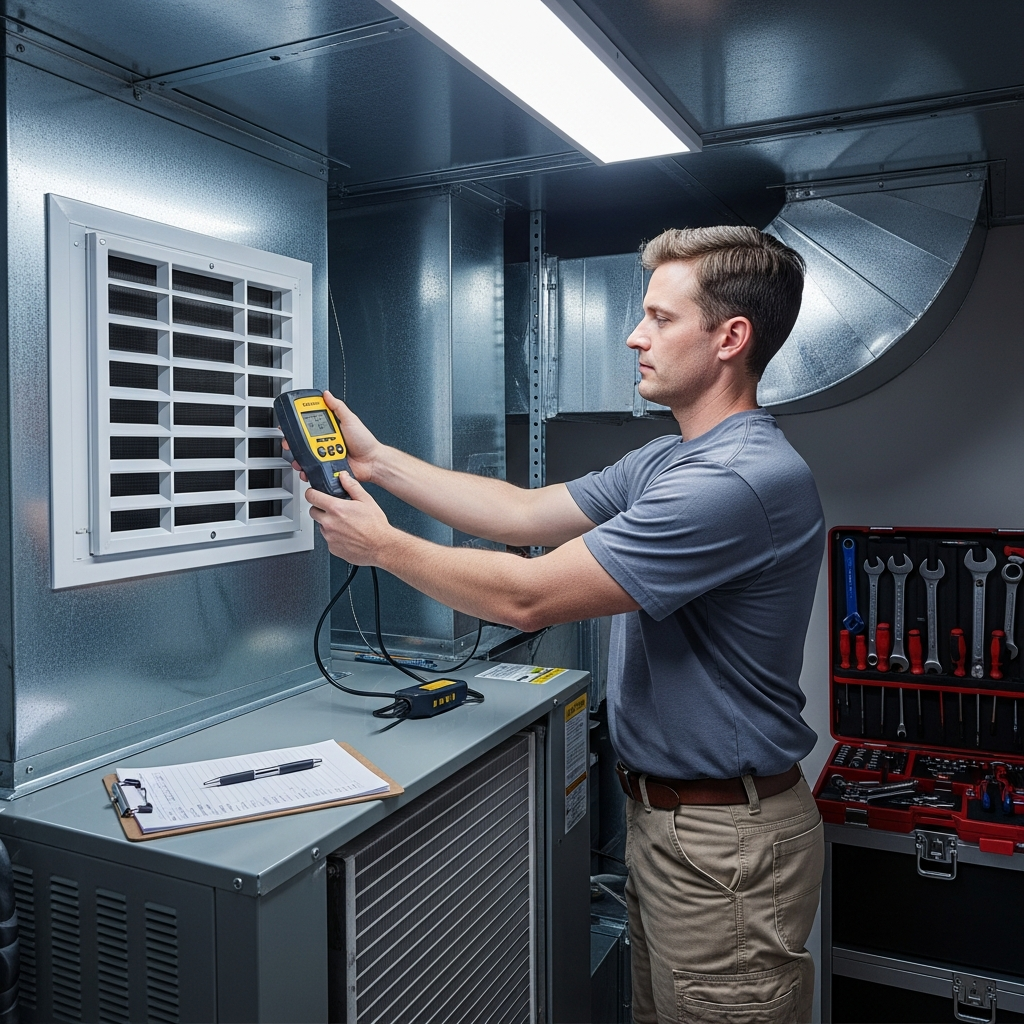
When Malibu’s mornings start cool and soft under the marine layer, it is easy to forget how quickly afternoons can warm and how much we rely on our air conditioners to make indoor life feel steady. A well-planned maintenance inspection is the quiet engine behind that steadiness. It is not a quick look at a filter and a wipe-down of a panel; it is a thoughtful sequence shaped by our coastal air, hillside microclimates, and the ways homes are actually lived in here. Step inside a thorough visit and you will see how each checkpoint builds toward a simple promise: a system that runs smoothly when the sun breaks through. Many homeowners begin by booking routine air maintenance just before spring warms into summer, then keep a mid-season eye on performance as salt and dust accumulate.
The first step is a conversation at the thermostat. A seasoned technician asks about your comfort priorities, the rooms that run warm in the afternoon, and the times of day you tend to open doors and windows. Malibu homes are dynamic; sliding doors to patios move more than in most places, and that changes how air circulates. Clarifying your routine is the frame for the entire inspection. The thermostat is tested for accuracy, schedules are reviewed, and set points are confirmed to match how you actually live. From there, attention shifts to airflow, the bedrock of every cooling system’s performance.
Airflow checks that reveal the home’s story
Registers and returns tell their own tale. A technician will listen to the blower start, then measure or approximate airflow at key locations. The goal is to ensure that each room receives enough conditioned air to match its load. In Malibu, where upstairs rooms absorb more afternoon sun and glass is part of the architecture, airflow balance prevents the common dip into thermostat overcorrection. If a register is underperforming, the inspection looks for kinks in flex duct, loose collars, or grilles that have collected dust. Even the simplest corrections—a reseated boot, a smoothed bend—can alter the feel of the house by late afternoon.
Filters come next because they support everything else. The best maintenance visits verify size and fit, not just dirt level. A filter that slips at the corner allows a hidden stripe of dust to coat the evaporator coil, slowly dulling its ability to shed heat. In homes near the beach or in the canyons, where fine particles ride the breeze, this check is doubly important. Once airflow and filtration are set, the system is ready for more precise checks indoors and out.
Indoor coil, drain, and the dance with morning fog
Peak performance depends on a clean, unobstructed evaporator coil and a clear path for condensate to exit. The inspection shines a light on the coil surface for any matting or signs of uneven frost, which can hint at airflow or refrigerant issues. The drain pan is checked for debris and the trap flushed if necessary. Homes close to the shoreline see more morning condensation, so this step prevents the slow creep of musty smells that sometimes appear when fog lingers. The technician also inspects the cabinet for air leaks that pull in attic or closet dust, sealing them so only clean, filtered air crosses the coil.
It is not unusual to find that a simple alignment of the drain line or the addition of a support clip restores smooth drainage. The best inspections also check the operation of float switches or sensors that safeguard the home in the event of a blockage. Details like these do not call attention to themselves when everything is right; they simply make the system quiet and reliable.
Outdoor condenser: where salt and sunshine meet engineering
Outside, the condenser faces the elements every hour of the year. The inspection begins with a visual review of fins and cabinet surfaces for salt film, sand, or plant matter. Fins are gently cleared so air can move through freely, and the base is checked for level and stability. In neighborhoods closer to the surf, you will often see light pitting on fasteners or guards; when caught early, these are cleaned and protected before they can contribute to rattles or airflow loss. The fan blade is inspected for balance and tightness, as a slightly bent blade can hum loudly against a quiet yard.
Electrical components receive close attention because they handle the heavy lifting during starts. Contactors are examined for pitting, capacitors tested for their ability to hold charge, and wire lugs tightened so that vibration and corrosion cannot loosen them into intermittency. These are the items most likely to falter during a heat wave; catching them here, in mild weather, is the difference between a plan and a scramble.
Refrigerant circuit and system temperatures
With airflow confirmed and coils clean, a technician evaluates system temperatures and pressures to ensure the refrigerant circuit is operating within expected ranges. In a conscientious inspection, this is not guesswork. The goal is a refrigerant balance that produces a reliable temperature split at the registers and avoids frost or high head pressure that would stress the compressor. In Malibu’s moderate climate, the system should glide more than grind, and these readings are the proof that it can handle swings from cool mornings to sunny afternoons without strain.
The lineset insulation is also examined for UV wear, cracking, or gaps that allow cooling energy to bleed away before it reaches the indoor coil. Replacing or repairing insulation may seem like a small task, but it directly boosts efficiency and steadies indoor temperatures, especially on the longer, warmer days of late summer.
Listening for the system’s voice
Every system has a sound signature. Good inspections are as much about listening as measuring. A smooth, even blower ramp-up tells a different story than a labored start. The low, consistent condenser hum says more than numbers alone. In a Malibu neighborhood where serenity is part of the home’s value, rebalancing a fan, tightening a panel, or isolating a vibration is not nitpicking; it is protecting the backdrop of daily life. The result is comfort that sounds as good as it feels.
Vibration checks include looking at pad condition, cabinet alignment, and how refrigerant lines enter the home. A line that taps against siding during startup can be secured, and a cabinet that has settled out of level can be corrected. These small, precise adjustments eliminate future wear and the kind of noises that make you think about the system when you would rather think about the view.
Controls, safety, and how you actually live
Modern thermostats and control boards are powerful, but only if aligned with your routine. The inspection verifies that schedules reflect when you are home, when doors are open to the breeze, and when you prefer to cool bedrooms ahead of sleep. Safety devices like float switches, breakers, and disconnects are also checked to ensure they will do their job when needed. In wildfire season, when homes are closed tight, these controls become even more important to preserving indoor air quality and comfort without interruption.
An often-overlooked part of this step is education. A few minutes spent explaining what each control does and how it responds to weather can demystify the system, letting you make gentle, confident adjustments across the day. That collaboration is part of what turns maintenance from a service call into a partnership.
Documentation and the power of a maintenance record
Thorough inspections end with notes that matter later. Readings, observations, and small fixes are recorded so that the next visit can see trends, not isolated moments. In Malibu, where salt exposure and seasonal dust vary by neighborhood, that record helps tailor future care. If coils tend to film up faster in late summer at your address, the schedule can adapt. If a particular register repeatedly shows low airflow, small duct corrections can be prioritized. This is how a maintenance plan becomes personal and effective.
It is also the place where homeowner questions surface. If you have been wondering about a new sound, a room that feels sluggish to cool, or whether to run the fan in the evening, this is your moment to bring it up. The best inspections leave time for this conversation because your experience of comfort is the north star of every checklist.
Mid-season touchpoints for coastal realities
Because Malibu’s beach weather accelerates salt and moisture exposure, a brief mid-season check keeps performance aligned. This is not a full teardown; it is a focused session to confirm that filters are fresh, drains clear, and outdoor fins free of film that may have built up after weeks of marine layer mornings. If your home sits a few houses from the sand or along a canyon where dust rides the breeze, this touchpoint can feel like hitting the reset button before the warmest stretch of the year. Consider scheduling mid-season air maintenance if you notice shifts in airflow or changes in the way your system sounds during startup.
For homes that close up for part of the year, a pre-return check ensures that what sat quietly through spring is ready to work without complaint when you unlock the door in summer. That includes verifying that rodents have not disturbed insulation or wiring and that weather has not tilted or undermined the outdoor pad.
Results you can feel the same day
A well-run maintenance inspection leaves a home feeling fresher and more even almost immediately. Air smells cleaner because the system is moving and draining efficiently. Rooms that lagged behind are quicker to respond. The outdoor unit hums rather than buzzes. And when the next warm afternoon arrives, the house glides to your set point without fuss. The benefits compound through the season as the system continues to run with less strain, preserving the quiet, calm mood that Malibu homes are designed to deliver.
The magic is not magic at all. It is a thoughtful sequence tailored to a coastline that asks a lot of metal, motors, and coils. With each box checked, your system gains the poise it needs to face hot days, foggy mornings, and smoky spells with equal composure. That is the heart of maintenance: preparing for the day the weather decides to test you and having the confidence that your home will simply carry on, cool and serene.
FAQ
Q: How long does a thorough maintenance inspection usually take? A: It varies by system and home, but a careful visit often takes long enough to check airflow, coils, drains, electrical components, and controls without rushing—typically well over a quick in-and-out appointment.
Q: Do coastal homes need different maintenance than inland homes? A: The fundamentals are the same, but coastal inspections emphasize coil cleanliness, corrosion checks, and drainage because salt and moisture accelerate wear.
Q: What should I do to prepare for an inspection? A: Clear access to the air handler, returns, and outdoor unit helps. Note any rooms that feel different and sounds you have noticed so the technician can target checks effectively.
Q: Will maintenance fix uneven temperatures? A: It often helps significantly. By restoring airflow, sealing small leaks, and adjusting balance, many homes see more even cooling without changing the thermostat setting.
Q: How soon will I feel a difference after an inspection? A: Many homeowners notice smoother starts, fresher-smelling air, and more even room temperatures the same day, especially after filter and coil care.
Q: Is mid-season maintenance necessary? A: If you live close to the beach or in a dusty canyon, a brief mid-season check can keep performance on track by clearing salt film and confirming drainage and filtration.
When you want your home to feel composed no matter what the shoreline delivers, the best next step is simple. Book a time for your system’s next detailed review and make it part of your seasonal rhythm. If you are ready to feel that smooth, even comfort again, schedule your air maintenance and enjoy a Malibu home that stays cool, quiet, and welcoming all season long.