
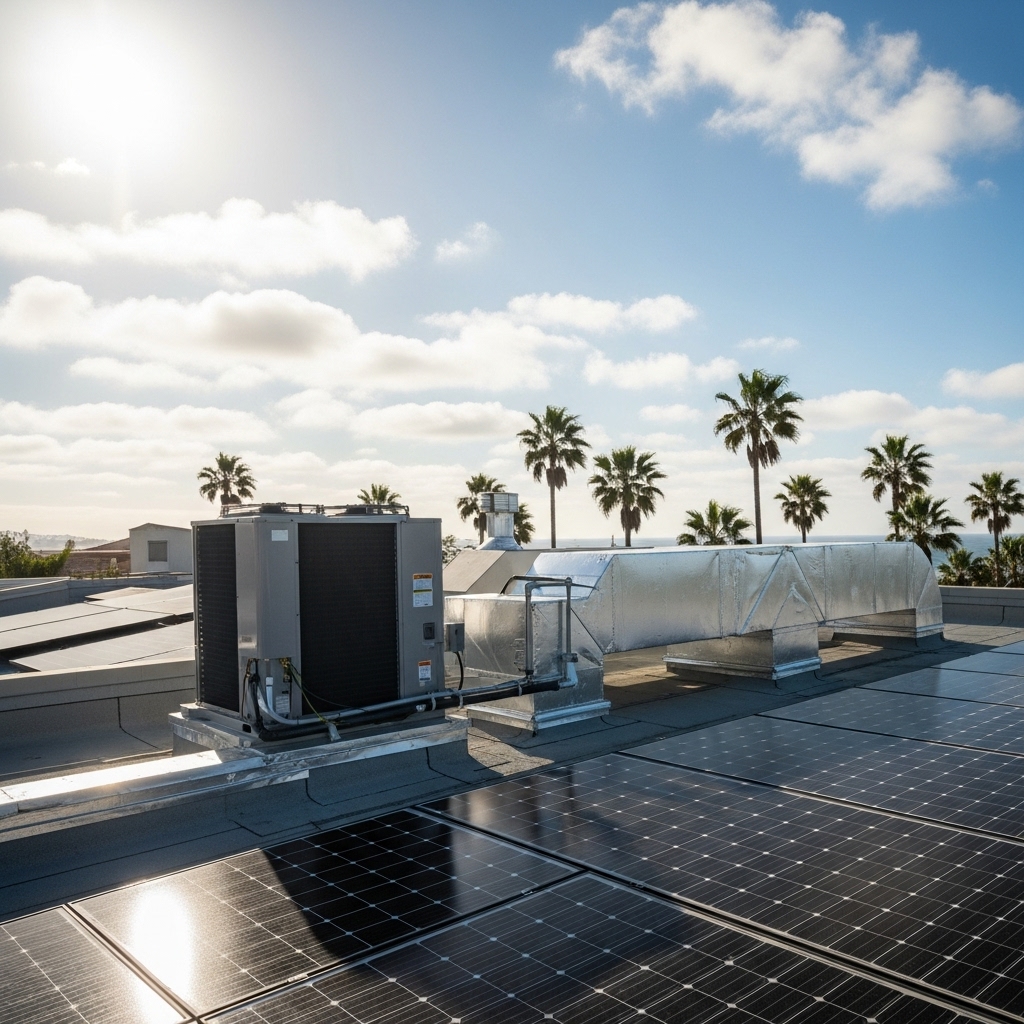
Energy efficiency in Malibu is not a trend; it is a way of living with the coast. The same instinct that leads us to shield native landscaping from salt spray and preserve dark, quiet nights also guides how we cool our homes. Choosing an efficient cooling system is not only about numbers on a spec sheet. It is about how a unit behaves across the day—from a fog-softened morning to a radiant afternoon—and how it integrates with a home built to welcome breezes and views. When we match homeowners with high-performance equipment, we begin with use patterns and microclimate, then tune the installation so it delivers comfort with a light touch. You feel the difference in fewer sharp temperature swings, calmer sound, and steady moisture control. That is the everyday side of efficiency, and it is what we aim for when we talk about air conditioning that belongs in Malibu.
Efficiency is ultimately about doing the most with the least. In cooling, that means moving heat out of the home with minimal wasted effort. Equipment choice matters, but so do ducts, controls, and placement. In Malibu’s coastal environment, salt air, sun, and wind influence what works best and what lasts. A well-installed, well-maintained system can feel almost invisible, and that is often the truest sign of efficiency: the absence of fuss in daily life.
Why variable-speed technology is the Malibu standard
Traditional single-speed systems cycle between off and full blast, which creates temperature swings and noisy operation. Variable-speed compressors and fans, by contrast, adjust output continuously to match the moment. On a foggy morning, the system idles low to remove a touch of humidity without overcooling. When afternoon sun floods a glassy living room, it quietly ramps up rather than roaring. This steady state saves energy by avoiding stop-start losses and improves comfort by smoothing the ride. In homes where windows are open often, variable-speed equipment is forgiving; it recovers gently when you close up, easing back to a quiet cruise.
Modern inverter-driven systems also manage refrigerant flow precisely, which enhances dehumidification—an often overlooked ingredient in comfort near the ocean. When the air is a little heavy, lowering humidity has outsized impact. You can leave the thermostat a degree or two higher and feel just as comfortable when moisture is under control, multiplying the system’s effective efficiency.
Heat pumps versus traditional AC
In Malibu, heat pumps are increasingly the first choice for efficient comfort. They cool in summer and provide gentle heat on brisk evenings without combustion. The technology has matured to the point that coastal durability and quiet, low-speed operation make them excellent neighbors. For households that want to simplify energy planning, consolidating cooling and heating into a single, efficient system reduces maintenance complexity and pairs naturally with solar and battery strategies.
Where a traditional AC might make sense—such as in homes with specific hydronic heating systems or where heating is already well served—we still lean on variable-speed, high-efficiency models that extract the most from every watt. In either case, commissioning and setup determine whether the unit’s potential appears in your daily life.
Ductwork: the quiet efficiency multiplier
It is difficult to overstate how much ducts shape real-world efficiency. A brand-new, high-SEER system connected to leaky, undersized, or crushed ducts will disappoint. Sealing joints, sizing runs correctly, and maintaining gentle static pressure let the equipment breathe freely. The payoff is twofold: you get quieter operation and lower energy use because the system is not fighting bottlenecks. In older Malibu homes with characterful architecture, we often discover duct paths that grew organically over decades. Reworking them during an equipment upgrade can feel like a revelation when the home suddenly cools evenly room to room.
Return air matters just as much. Well-placed returns avoid sucking in damp coastal air from the wrong places and prevent drafts that make a room feel cooler than the thermostat suggests. When returns are balanced, the system circulates in a calm loop rather than huffing and puffing through one or two constricted points.
Coastal durability that preserves efficiency
Salt is the quiet thief of efficiency, coating coils so heat exchange suffers and nibbling at fasteners until connections loosen. We specify coastal-rated coils with protective treatments, use stainless hardware, and plan for easy rinsing access. Even a quick hose-off on a calm morning can restore coil performance to like-new. Placement also matters; equipment that recirculates its own hot exhaust because it is wedged in a corner will always run harder. Shading that does not impede airflow helps, as does orienting the unit away from prevailing winds that might drive salt spray directly into the coil.
Indoors, insulating refrigerant lines well and protecting them from UV keeps efficiency steady. Condensate drains deserve respect; clear, accessible lines prevent water issues that can force short-term shutdowns on the hottest days, which are precisely the days when you need the system most.
Smart controls and Malibu’s daily rhythm
Programmable thermostats are only helpful if they match how you live. We set schedules that align with the marine layer’s drift and with typical peak energy periods. Adaptive recovery lets systems ease into set points without banging on abruptly. Room sensors and zoning panels introduce nuance—cooling the spaces you use now rather than the entire house. This selectivity is a direct efficiency gain and a comfort upgrade you feel immediately.
Connectivity is useful but should not complicate. We favor interfaces that make sense at a glance, that let you nudge a degree or two without diving into menus, and that cooperate with voice assistants if you use them. For homeowners who rent part of the year, lockable ranges and simple presets protect comfort and energy goals without becoming a chore for guests.
Integrating with solar and backup power
Malibu’s sunlight is an asset. Efficient cooling that sips power pairs naturally with solar generation, flattening the house’s midday demand curve. Variable-speed systems, with their preference for long, low-power cycles, align with battery strategies as well, stretching stored energy during peak periods or brief outages. We coordinate with solar installers to plan circuits, manage inrush current, and ensure cooling plays nicely with the home’s broader energy ecosystem.
During grid events, surge protection and soft-start strategies protect sensitive electronics. When power returns after a brief drop, systems configured for calm restart avoid the mechanical lurch that ages compressors. These small details are another expression of efficiency—protecting equipment so it can serve longer without drama.
Indoor air quality without sacrificing efficiency
Wildfire smoke and damp mornings make filtration and dehumidification more than comfort features; they are health features. The trick is to add them without turning the system into a wheezer. We size filters and media cabinets so air glides through quietly. We use blower settings that maintain steady flow while still capturing fine particles. For particularly sensitive households, we integrate ventilating solutions that swap stale air for fresh while reclaiming energy, keeping the house feeling lively without letting cooled air drift out the door.
Plants, pets, and coastal living add texture to indoor air. A system tuned to your home’s realities will keep the background fresh, so stepping inside after a beach day smells like your home again, not like the boardwalk. That sense of calm is a form of efficiency you perceive with your senses rather than your utility statement.
Choosing the right capacity and configuration
Efficiency collapses when a system is mismatched to the home. Oversized equipment short-cycles, under-dehumidifies, and often sounds louder than it should. Undersized equipment labors and fails to keep up on the handful of days when you need it most. Load calculations that include Malibu’s specific conditions—glazing that frames the ocean, shading from mature trees, and hillside wind—guide capacity choices that hit the sweet spot. Zoning can right-size behavior room by room, and hybrid approaches that pair central systems with a targeted ductless head can solve stubborn hot spots without overbuilding.
We test and tune after install. Fan speeds, coil temperatures, and damper positions are not set-and-forget; they are adjustable levers we pull to match your living pattern. When the numbers align, the system disappears into a hush and the house simply feels right.
Maintenance that keeps efficiency alive
Maintenance is the quiet thread that preserves efficiency. Filters are the obvious step, but the coastal context adds layers. Outdoor coils like a gentle rinse to wash away salt film. Line-set insulation exposed to sun needs periodic attention. Condensate drains appreciate a check before the foggy season starts. We schedule visits around Malibu’s calendar rather than a generic template, and we leave you with simple tasks that take minutes but give months of benefit.
Listening is a maintenance skill. If the system’s sound changes, if a zone feels off, or if the thermostat seems to hunt for set points, it is worth a look. Small drifts lead to small corrections, and catching them early avoids the stair-step decline that steals efficiency in plain sight.
What efficiency feels like day to day
An efficient home is quieter, calmer, and more predictable. You should be able to sit by the window in late afternoon without a blast of cold air chasing the sunbeam. Nights should settle easily, with the system idling low and steady. Mornings should feel dry and fresh even if the marine layer lingers. If your experience is different—rooms that swing hot to cold, a system that sprints then rests, or air that feels sticky—there is efficiency left on the table, and it is often recoverable with thoughtful adjustments.
In conversations with neighbors up and down the coast, the homes that win the efficiency game are the ones where equipment, ducts, controls, and lifestyle harmonize. That is the design brief we carry into each project, and it is why the same model can feel ordinary in one house and extraordinary in another.
Frequently Asked Questions
What makes a unit “energy efficient” for Malibu?
Beyond ratings, efficiency here means variable-speed operation, strong dehumidification, quiet airflow, and coastal durability. It is the package working together—equipment, ducts, controls, and placement—to deliver steady comfort with minimal energy.
Are heat pumps a good fit near the ocean?
Yes. Modern heat pumps are quiet, efficient, and robust when specified with coastal protections. They provide cooling and gentle heating, simplify energy planning, and pair well with solar strategies common in Malibu.
Do I need to replace my ducts to improve efficiency?
Not always, but ducts deserve honest evaluation. Sealing leaks, resizing runs, and balancing returns can transform performance. Many efficiency complaints trace back to duct issues rather than the outdoor unit itself.
How often should I maintain an efficient system on the coast?
We recommend seasonal attention tuned to Malibu’s calendar—spring and late summer checks, with simple homeowner tasks in between like rinsing coils and replacing filters. This cadence keeps performance crisp through foggy mornings and hot spells.
Can smart thermostats really save energy?
When configured thoughtfully, yes. They prevent abrupt, wasteful cycles and align operation with your schedule. The biggest gains come from pairing smart control with variable-speed equipment and sound duct design.
Will efficiency upgrades make my home quieter?
Typically, yes. The same features that save energy—steady, low-speed operation and reduced static pressure—also lower sound levels. A calm system is often an efficient one.
Can I integrate cooling with solar and batteries effectively?
Absolutely. Variable-speed systems align well with solar production and storage. Planning circuits, soft starts, and restart behavior ensures cooling runs smoothly during peak periods and after brief outages.
Make Malibu comfort effortless
If you are ready to explore equipment and design choices that deliver quiet, steady comfort with less energy, we are here to help. We will map your home’s microclimate, tune ducts and controls, and recommend systems that feel as good as they look on paper. When you are ready, reach out and we will guide you toward the right air conditioning solution for your Malibu home.